
A primary battery creates electricity through a chemical reaction that can’t be reversed. Unlike rechargeable batteries, a primary cell is designed for single use because the internal materials break down permanently during discharge. You’ll find that how a primary battery works and when to use one depends on whether you need a low-drain power source that holds its charge for a very long time without needing a plug.
Inside a primary battery

The internal design of a cell determines how it holds energy and how it reacts to different devices. When you look at a battery, you’re seeing a sealed container that holds three main components working together to release power.
| Part or input | What it does | What you notice when it goes wrong |
|---|---|---|
| Anode | Releases electrons into circuit | Device loses power quickly |
| Cathode | Accepts electrons from circuit | Battery voltage drops to zero |
| Electrolyte | Moves ions between sides | Leakage or white crusty buildup |
| Separator | Prevents internal short circuits | Battery gets hot to touch |
| Seal | Keeps chemicals inside case | Corrosion on battery contacts |
You can check the condition of your battery by looking at the expiration date printed on the label or by using a dedicated battery tester. If you’re unsure about a specific cell, check the official battery safety guidelines provided by the Consumer Product Safety Commission to see how to handle damaged or leaking units.
The process of power discharge
A battery generates power through a flow of particles between two ends. This process is steady and continues until the chemical bridge inside the battery is fully consumed.
- You insert the battery into a device, which creates a path for electricity to flow from the anode to the cathode.
- The anode material undergoes oxidation, which releases electrons into the external circuit to power your device for its rated life.
- Ions travel through the electrolyte to balance the charge, maintaining a steady flow of current as the chemicals slowly deplete.
- This flow continues as long as the device demands power, but it gradually slows down as the internal materials reach their limit.
- Once the chemical energy is spent, the electron flow stops, and the battery becomes “dead” because no reversal is possible.
- The battery voltage will drop below the level required to run your device, usually reaching a point where the item stops working entirely.
Why battery choice impacts device performance
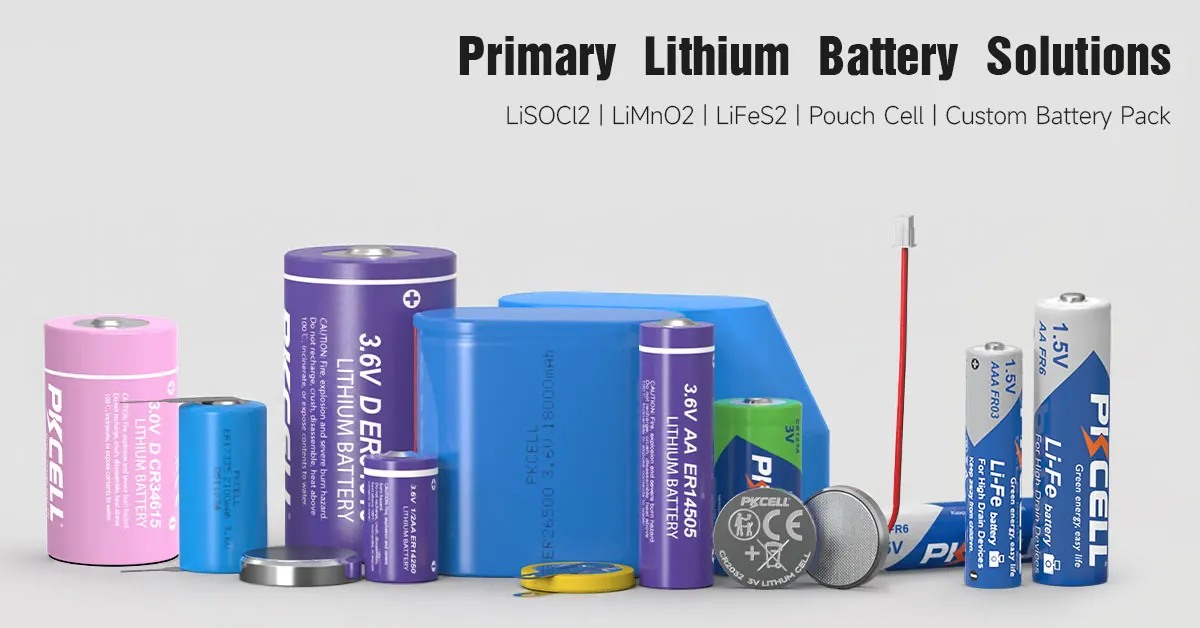
Choosing the right battery matters because different devices demand different amounts of power. A primary battery is best for devices that sit idle for months or use very little power at once. If you use a high-drain device like a digital camera, a primary battery will fail much faster than a rechargeable one. This happens because the chemical reaction inside a primary cell can’t keep up with the high current demand, leading to a sudden loss of voltage.
Many people make the mistake of leaving primary batteries in devices for years after the device stops working. This is a costly error because the internal electrolyte can eventually leak, destroying the metal contacts inside your expensive electronics. If you store a device for more than six months, you should remove the batteries to prevent this damage.
The trade-off here is between convenience and cost. Primary batteries are cheaper to buy upfront and stay ready for years, but they become expensive if you have to replace them weekly in a high-power device. If you use a device daily, a rechargeable battery is better; if you use it once a year, a primary battery is the right choice.
Control and limits of cell use
What you control
- Choosing the right battery chemistry for your device’s specific power needs.
- Removing batteries from devices that you plan to store for long periods.
- Checking the expiration date on the package before you buy or install.
- Recycling your used batteries at designated local drop-off collection points.
Limits of battery design
- Chemical capacity is fixed at the factory and can’t be increased.
- Rechargeable attempts on non-rechargeable cells create a serious fire risk.
- Voltage output drops naturally as the battery is used over time.
Never try to charge a primary battery, as this can cause the cell to rupture or leak dangerous chemicals. If a battery is leaking, stop using it immediately and clean the area with a small amount of white vinegar on a cotton swab.
Getting the most from your batteries

You can extend the life of your devices by matching your battery type to the power cycle. Primary batteries are meant for “low-drain” items like wall clocks, smoke detectors, and remote controls. These devices draw very little power, which allows the chemical reaction in a primary cell to stay stable for several years. If you put a primary battery in a high-drain toy or a motor-driven tool, it will lose its capacity in just a few hours.
Always keep your spare batteries in a cool, dry place to prevent the internal chemicals from breaking down before you use them. Avoid keeping them in a hot car or near a heater.
If you have a device that uses multiple batteries, always replace them all at the same time. Mixing old and new batteries makes the old ones work harder, which often leads to leaks and device failure. Using mismatched cells forces the weaker battery into a reverse-charge state. This internal stress causes electrolyte leakage that will corrode your device’s delicate metal contacts.
Related guides
- Best Battery Operated Heated Blanket for Camping: Top 10 Picks in 2026
- Best Battery Backup Sump Pump Systems: How to Choose and Install in 2026
Frequently asked questions
Can I mix different brands of batteries?
Mixing brands isn’t recommended because each manufacturer uses different internal chemical formulas. Even if the batteries are the same size, the slightly different voltage levels can cause the stronger battery to try to “charge” the weaker one. This mismatch often leads to leaks and can shorten the total life of the set.
How long do primary batteries last in storage?
Most primary alkaline batteries will hold their charge for five to ten years if stored at room temperature. The exact duration depends on the brand and the storage temperature, which you can find printed on the back of the battery packaging. High heat will significantly reduce this shelf life by speeding up internal chemical degradation.
Is it safe to use a battery that feels hot?
No, a hot battery is a sign of an internal short circuit or a defect that creates a fire hazard. You should remove the battery immediately using gloves and place it in a non-flammable container. Never attempt to use a battery that has become hot, as the internal pressure may cause it to burst.
What happens if I put a battery in backward?
The device won’t turn on because the flow of electrons is blocked by the reversed polarity. Most modern electronics have a diode or a mechanical guard to prevent damage, but some simple devices can be damaged by a short circuit. Always double-check the plus and minus symbols inside the battery compartment before you snap the cover shut.
Does it matter if I use lithium or alkaline?
It matters because lithium primary batteries provide higher voltage and last longer in extreme cold than alkaline cells. If you’re using a device in freezing temperatures, lithium is the better choice. For standard indoor use at room temperature, alkaline batteries are usually more cost-effective and provide plenty of power for most household items.
How can I tell if my battery is truly dead?
A battery is dead when its output falls below the minimum threshold required by your device. If the reading is too low, the battery is likely too weak to power most modern electronic devices.
Conclusion
Keep these reliable power sources in your junk drawer for emergencies or low-energy gadgets like remote controls and wall clocks. They’re perfect for devices you don’t use every day. Just remember to check the expiration dates occasionally, as it’s always better to be prepared before your flashlight suddenly goes dark.

4 thoughts on “How a Primary Battery Works and When to Use One: A Guide”