
An electrical motor is a machine that turns electric power into motion. It works by sending current through coils inside a magnetic field, which pushes a shaft to spin. The speed and turning force depend on the voltage supplied and how the motor is built.
What an electrical motor is

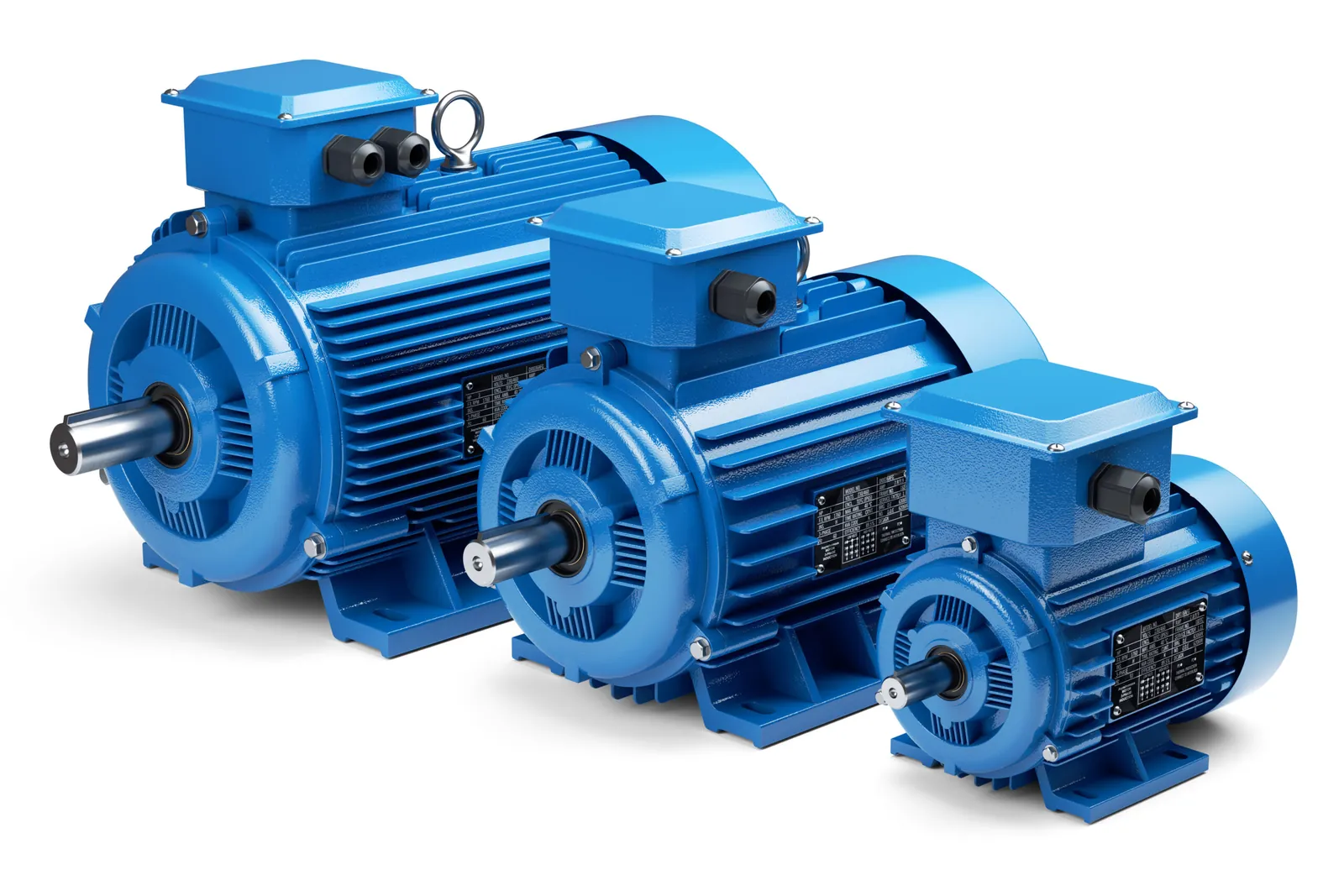
An electrical motor is a device that converts electrical energy into mechanical energy, usually as rotation. Current flowing through wire coils creates a magnetic field that pushes against magnets or other coils already inside the motor, and that push turns a shaft. The shaft can drive a fan blade, a pump, a conveyor belt, or a car wheel.
Most motors run on alternating current from a wall outlet or direct current from a battery. The amount of turning force, called torque, depends on the current and the motor’s design, while the speed depends on the power supply frequency or the voltage applied.
You can distinguish your motor type by checking the housing for a nameplate. If you see “AC,” it relies on the frequency of the grid, typically 60 hertz in the United States, to set the speed. If you see “DC,” the speed is governed strictly by the voltage level.
A common mistake is assuming a motor can handle any voltage provided. Applying too much voltage creates excess heat, which can cause immediate insulation breakdown and catastrophic failure. If your motor hums but refuses to turn, disconnect the power immediately. This indicates a failed capacitor or a seized bearing, and leaving it stalled will burn out the windings.
Why electrical motors turn
The reason comes from electromagnetism. When electricity moves through a conductor inside a magnetic field, the conductor feels a force that pushes it sideways. In a motor, that force acts on coils arranged around a central shaft, so the pushes add up into steady rotation.
Direct current motors often use brushes and a commutator to flip the current direction at the right moment, keeping the shaft spinning one way. If you hear a faint buzzing or clicking during startup, that’s often the mechanical switch resetting. Failing to maintain these brushes leads to arcing, which pits the copper contacts and causes a permanent loss of torque.
Alternating current motors create a rotating magnetic field with stationary coils, and the rotor follows that field. If the rotor matches the magnetic field speed exactly, it’s a synchronous motor; if it lags behind, it’s an induction motor. Use induction motors for heavy-duty starting loads, as they handle the initial resistance better.
Because the force comes from magnetism rather than combustion, a motor starts instantly and can run in either direction by reversing the current or the field. This capability allows for precise, rapid cycling that internal combustion engines can’t match.
When a motor isn’t the right choice

| Situation | What changes | What to do instead |
|---|---|---|
| Need precise position | Motor spins freely | Use a servo or stepper motor |
| Very high starting torque | Standard motor stalls | Choose a motor rated for high torque |
| No power grid available | No outlet or generator | Use a battery-powered DC motor |
| Explosive dust or vapor | Sparks are dangerous | Select an explosion-proof motor |
| Need slow, strong motion | Motor spins too fast | Add a gearbox or gear motor |
Standard motors often fail when the load requires holding a specific angle. If your application demands keeping a position against gravity or resistance, a standard motor will drift or overheat. Switch to a stepper motor when you need incremental movement, or a servo if you require closed-loop feedback to correct for external forces.
High starting torque is another common pitfall. If your machine must lift a heavy weight from a dead stop, a standard motor will likely stall or trip its breaker. Calculate the stall torque of your load before buying; if the load exceeds 70% of the motor’s rated torque, you must upsize the frame or choose a high-slip design.
Explosive environments demand more than just caution. If you see dust clouds or smell solvent vapors, a standard brush motor will create internal sparks that act as an ignition source. Use an explosion-proof housing rated for the specific class and division of your site. Using a standard motor here risks a catastrophic fire, often voiding your insurance coverage entirely. Always check the nameplate for the specific hazardous location certification before installation.
How to pick and use an electrical motor
Decide what the motor must move and how heavy the load is, so you know the torque required. If your load involves frequent starts and stops, add a 25 percent buffer to your torque calculation to prevent overheating during the initial surge.
Check your power source: wall outlets supply alternating current, while batteries supply direct current. Match the motor’s voltage rating exactly to your supply. Applying incorrect voltage to a motor can damage the internal windings; this is a job for a technician.
Choose the speed you need. If the load turns too slowly, add a gearbox to multiply torque while reducing RPM. Mount the motor securely using steel brackets so vibration doesn’t loosen the shaft or wiring. A loose mount often leads to premature bearing failure.
Connect wires to the correct terminals and check the rotation direction before coupling the load. If the motor spins backward, swap the two primary power leads. Keep vents clear and follow the maker’s maintenance schedule for brushes or bearings. If the load changes, recalculate the torque; if the supply changes, recheck the voltage rating. Never bypass the thermal overload protection.
Common mistakes with electrical motors
Running a motor above its rated voltage degrades the internal insulation. Operating a motor consistently above its rated insulation temperature class significantly reduces the lifespan of the internal insulation. Check the nameplate voltage against your supply line with a multimeter before flipping the switch.
Using an undersized extension cord creates a voltage drop that forces the motor to draw higher amperage to compensate. If the cord is longer than 25 feet, increase the wire gauge to prevent the windings from scorching.
Blocking cooling vents with dust or debris traps heat inside the housing. If you can’t hold your hand on the motor casing for five seconds while it’s running under load, the airflow is insufficient.
Always uncouple the load before testing the rotation direction. If the shaft spins the wrong way, you risk shearing drive pins or reversing pumps that lack check valves.
Finally, never ignore a high-pitched whine or rhythmic clicking. These sounds indicate bearing failure or shaft misalignment. Ignoring these sounds can lead to catastrophic rotor seizure.
Frequently asked questions
What does an electrical motor do?
It converts electrical energy into mechanical motion, usually by spinning a shaft that drives a fan, pump, wheel, or other machine.
How is a motor different from an engine?
A motor uses electricity to create motion, while an engine burns fuel such as gasoline or diesel to do the same job.
Can one motor run on both AC and DC?
Only a universal motor is built for both; most motors are designed for either alternating current or direct current, not both.
How do you reverse a motor’s direction?
For direct current, swap the two power leads; for alternating current, swap any two supply wires on a three-phase motor, or follow the maker’s wiring diagram for single-phase.
What size motor do I need?
The size depends on the load weight, the speed required, and how long it runs; check the equipment nameplate or ask the manufacturer for the exact rating.
Why do some motors have brushes?
Brushes carry current to a rotating commutator in certain direct current motors, but brushless and alternating current motors don’t need them.
Is it safe to open a motor for repair?
Only a qualified technician should open the housing; capacitors can hold a charge and internal wiring mistakes can cause shock or fire.
Conclusion
A motor is chosen by matching its voltage, speed, and torque to the job and the power supply available.

1 thought on “What Is an Electrical Motor: How These Machines Create Motion”