
Vertical space solutions like storage lifts allow users to maximize floor area by moving inventory, parts, or goods into high-density, automated shelving systems. These units function by rotating carriers or trays on a vertical track to deliver items directly to an access point at ground level. They differ from standard pallet racking because they integrate motorized controls and software to manage inventory retrieval, whereas static racks rely on manual reach or forklift navigation. Choosing the right system depends on your ceiling height, the weight of your goods, and how often you need to access them.
Systems for vertical organization
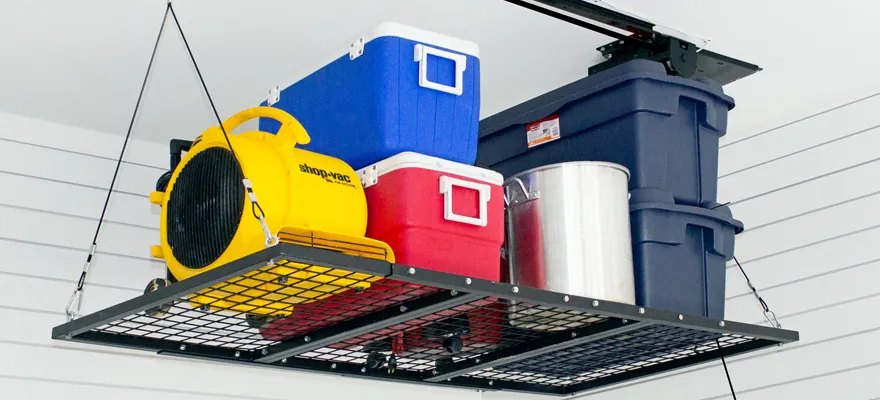
| System name | Best for | Typical example |
|---|---|---|
| Vertical carousel | Fast, frequent picking | Rotating tray unit |
| Vertical lift module | Variable height items | Automated storage tower |
| Mobile racking | Bulk pallet storage | Moving aisle system |
| Mezzanine rack | Manual bulk storage | Elevated steel platform |
| Cantilever rack | Long, heavy items | Arms for pipe storage |
Choose a vertical carousel if your picking cycle time must stay under 15 seconds per line item. These units excel when you have high-frequency, small-part movement. If your inventory heights vary significantly, switch to a vertical lift module, which can adjust tray spacing dynamically. Its sensors automatically adjust tray spacing to reclaim wasted overhead air.
Many operators fail by choosing mobile racking for items requiring constant daily access. That mistake costs you significant labor time as the aisle must physically shift before every pick. Use mobile racking only for dead or slow-moving stock where density outweighs retrieval speed. If you need to store items exceeding 10 feet in length, consider cantilever racks, which are designed to support long loads without structural bowing.
Vertical carousel
A vertical carousel is an automated system that uses a series of carriers mounted on an oval track to bring items to a central opening. It suits high-traffic environments where staff need to pick many small parts quickly throughout the day.
- Increases picking speed by bringing the product to the operator instead of the operator walking to the product.
- Reduces the need for ladders or heavy machinery by keeping all inventory at an ergonomic height.
- Improves inventory accuracy by connecting to warehouse management software that tracks exact item locations.
- Saves floor space by utilizing the full height of the building up to the roof trusses.
If you have a fast-paced parts room, this system is ideal because it eliminates travel time between aisles. For example, a technician in a repair shop can retrieve a specific bolt tray by typing the bin number into the keypad, which then rotates the carousel to the correct position in under 15 seconds.
Vertical lift module
A vertical lift module uses a central extractor to pull trays from both sides of a tall, enclosed unit. It suits warehouses that stock items of varying heights because the internal software automatically measures the load to minimize wasted vertical space.
- Adjusts shelf spacing dynamically based on the height of the items being stored on each tray.
- Secures sensitive or high-value inventory behind locked, automated doors to prevent unauthorized access.
- Operates with a small footprint, often doubling the storage capacity compared to traditional shelving of the same floor area.
- Minimizes dust and debris exposure by keeping the contents in a fully enclosed cabinet.
If you manage a diverse inventory, this system is superior to a carousel because it doesn’t waste space on fixed tray intervals. For instance, if you store a box that is 10 inches tall next to one that is 4 inches tall, the module identifies the exact clearance needed to stack them tightly. It’s a significant investment, so verify that your floor can handle the point-load pressure of the unit when it’s fully loaded with heavy inventory.
Mobile racking
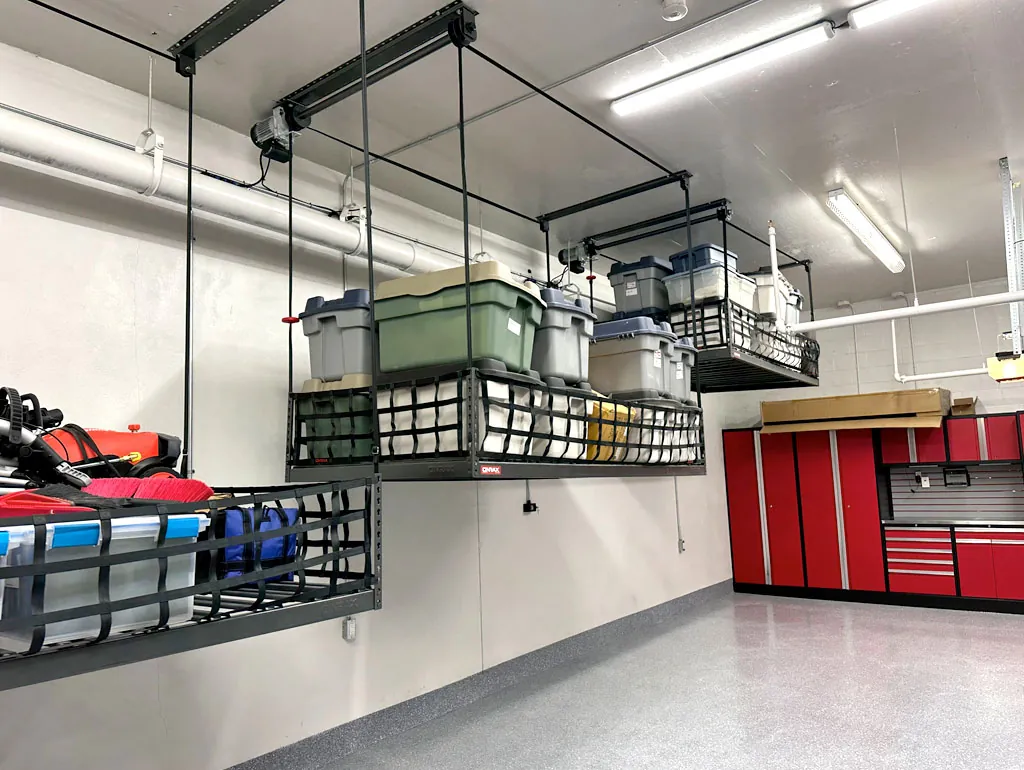
Mobile racking consists of heavy-duty pallet racks mounted on motorized bases that move along floor tracks to open a single aisle at a time. It suits businesses that need to store large quantities of low-turnover items in a compact space.
- Creates up to 80% more storage capacity by eliminating the need for permanent aisles between every rack.
- Allows for high-density storage of heavy pallets that would be difficult to organize in a smaller unit.
- Uses safety sensors to stop movement if an object or person is detected in the aisle.
- Provides full access to any pallet in the system once the motorized aisle is opened.
This system isn’t for facilities that require constant, instantaneous access to every single item. If your team needs to pick from all aisles simultaneously, mobile racking will slow down operations because you must wait for the unit to move before retrieving stock. The Occupational Safety and Health Administration provides specific guidance on maintaining safe aisle widths and clearance for heavy machinery operating near these systems.
Mezzanine rack
A mezzanine rack is a structural steel platform that creates an extra floor level within your existing facility. It suits companies that need to expand their storage area without moving to a larger building or pouring new concrete foundations.
- Doubles the usable floor space by building upwards rather than outwards.
- Allows for custom configurations, such as office space on top and storage underneath.
- Supports heavy loads across the entire deck area, provided the floor is rated for the weight.
- Uses stairs or material lifts to transport goods between the ground and upper levels.
This system requires a significant amount of headroom and may be subject to local building codes regarding fire suppression and egress. If your ceiling height is less than 15 feet, you’ll struggle to fit a functional mezzanine that allows people to walk comfortably underneath. Always consult with a structural engineer to confirm your slab can support the additional load of the steel columns and the inventory stored on the upper deck.
Other storage solutions
Cantilever racks feature open horizontal arms that allow you to load items from the side using a forklift. If your inventory exceeds 10 feet in length, this is a highly effective option to prevent structural sagging. Avoid using these for palletized goods, as the lack of a solid deck creates a significant safety hazard.
Gravity flow racks rely on a 3-to-5 percent slope to move pallets forward. If your facility handles perishable goods, this system is essential to ensure older stock is picked first, reducing spoilage costs by up to 20 percent. Don’t install these on uneven flooring, as the lack of a level base causes jams that require manual intervention.
Wire shelving provides excellent airflow, making it the standard choice for food service or medical supplies. If you’re storing items heavier than 300 pounds per shelf, switch to solid steel decking to prevent permanent bowing of the wire grid.
How to choose the right storage lifts
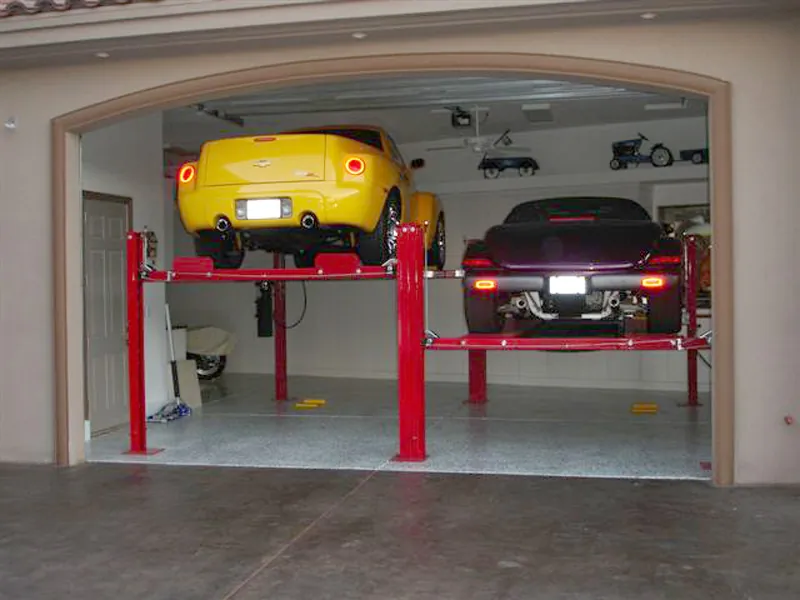
Deciding between these systems depends on your inventory turnover, space constraints, and budget. If you have high-frequency picking of small parts, a vertical carousel or lift module is the best choice to save time and reduce labor costs. If you’re dealing with large, heavy pallets that are rarely moved, mobile racking will help you reclaim square footage that’s currently wasted on empty aisles.
For operations that need to expand storage capacity on a lower budget, a mezzanine provides the most square footage for the price, provided your building has the ceiling clearance. If you’re storing long, structural items, you must move away from standard shelves and select cantilever racks to prevent tipping and instability.
Frequently asked questions
How much weight can a vertical lift module hold?
Most standard vertical lift modules support between 500 and 1,000 pounds per tray, depending on the specific model and the total weight capacity of the unit. You must check the manufacturer’s data plate on the side of the machine to find the exact limit for your unit. Never exceed this rating, as overloading can cause the lift mechanism to fail or the structural integrity of the trays to compromise.
Is it safe to operate a storage lift alone?
Yes, it’s safe to operate these systems alone if you follow the manufacturer’s safety procedures, such as keeping limbs clear of the moving parts and using the emergency stop buttons. Most modern units include light curtains or motion sensors that automatically freeze the lift if a person enters the work zone. Always complete the training provided by your employer before attempting to run the machine yourself.
How long does it take to retrieve an item?
Retrieval usually takes between 10 and 30 seconds for automated systems, assuming the lift is currently in a neutral position. The exact time depends on the height of the unit and the distance the carrier must travel to reach the access point. If you need faster turnaround, prioritize a vertical carousel, which is generally faster for picking multiple small items in a sequence.
Does the floor need special preparation?
Yes, most automated storage lifts require a perfectly level concrete floor to ensure the tracks remain aligned and the motor doesn’t strain. Before installation, a technician must measure the floor’s flatness and structural load-bearing capacity. If your floor is uneven or too thin, you may need a specialized steel base plate or a concrete pour to distribute the weight of the unit properly.
What happens if the power goes out?
Most units include a manual override or a battery backup system that allows you to lower the carrier to the ground level so you can retrieve your goods. Check your user manual for the specific location of the manual crank or the battery test button. If the unit doesn’t have a manual release, you’ll need to wait for a technician to restore power to the system.
How often does a storage lift need maintenance?
Professional maintenance is typically required based on your unit’s usage intensity; always consult your owner’s manual for the authoritative service schedule. You should inspect the chains, sensors, and tracks for wear or debris as part of your standard safety checklist. If you notice strange noises or jerky movements during operation, stop using the machine immediately and call a certified service technician for an inspection.
Conclusion
Start by measuring your total available ceiling height and the weight of your heaviest inventory items. You can expect to see a return on your investment through labor savings and reclaimed floor space. To begin, consult with a vertical storage specialist to assess your facility’s specific layout requirements.
