
Common aprilaire humidifier problems include mineral buildup on the water panel, solenoid valve failure, and sensor calibration errors. These issues often stop the unit from adding moisture to your home air or cause water to leak onto your furnace components. While most units are reliable, mechanical parts eventually wear out or get clogged by hard water deposits. You can solve many of these issues with simple cleaning or by replacing small parts, but you must know which component is failing before you spend money on repairs.
Diagnosing common Aprilaire humidifier problems
The following table outlines the most frequent issues you might face with your unit. If you don’t see your specific problem here, check the Aprilaire owner manual for your specific model number to see if there’s a unique error code or light pattern.
| Problem | Best For | Typical Example |
|---|---|---|
| Water panel scale | Hard water areas | Thick white crust |
| Solenoid valve leak | Persistent water flow | Constant furnace dripping |
| Humidistat error | Inaccurate readings | Humidity stays low |
| Fan not running | Airflow issues | No air movement |
| Drain line clog | Water backup | Standing water puddle |
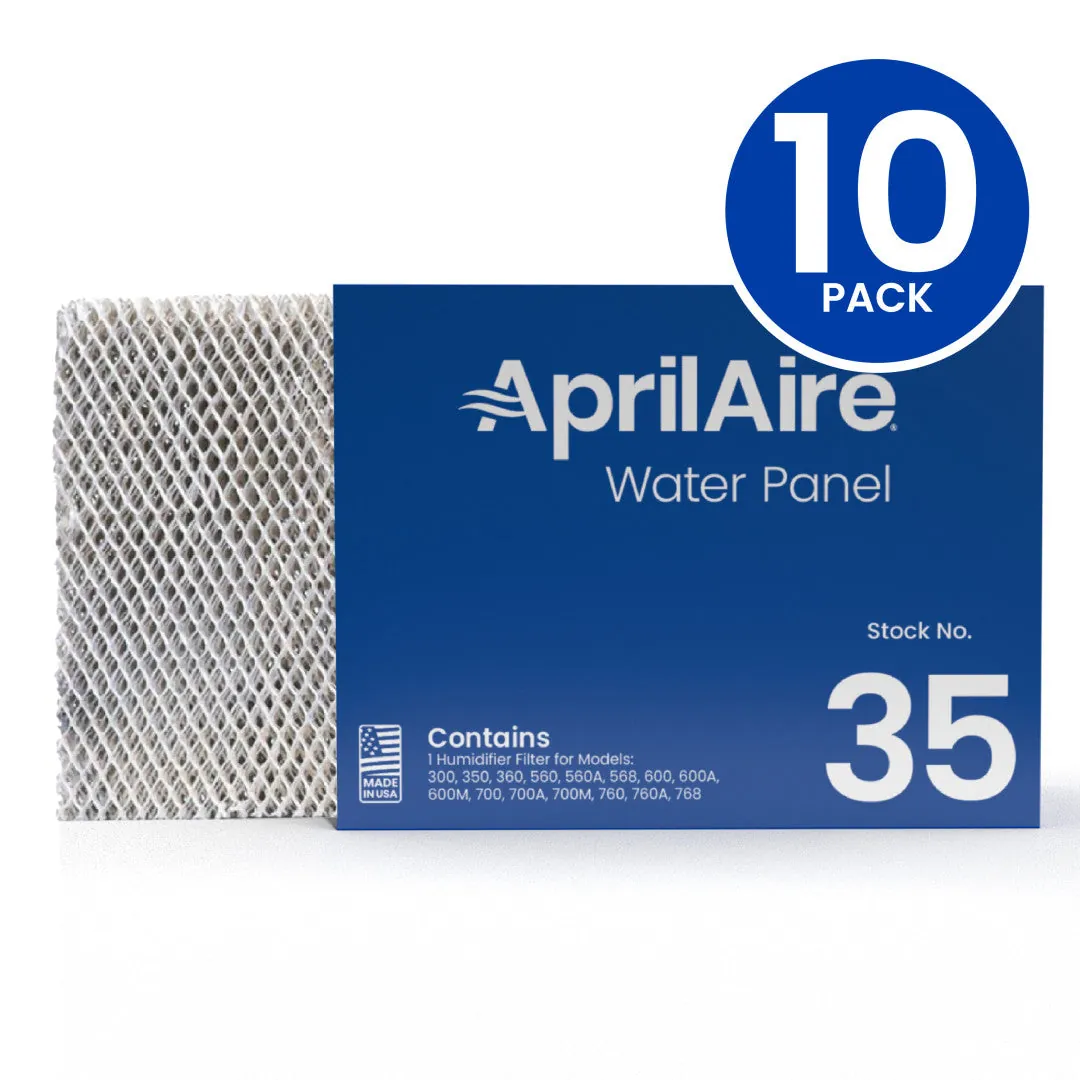
If your water panel shows a thick white crust, replace it immediately. Mineral buildup restricts airflow and forces your furnace to work harder. Failure to swap this filter at least once per season will reduce the humidifier’s efficiency and may lead to water leakage or mineral buildup in the unit.
When the solenoid valve leaks, check the rubber seal for debris. If the valve clicks but water doesn’t flow, the internal orifice is likely blocked by sediment. You can usually clear this with a small needle.
If your humidity remains low despite the system running, calibrate your humidistat. If the reading is off, adjust the dial or replace the sensor entirely.
Water Panel Scale Buildup
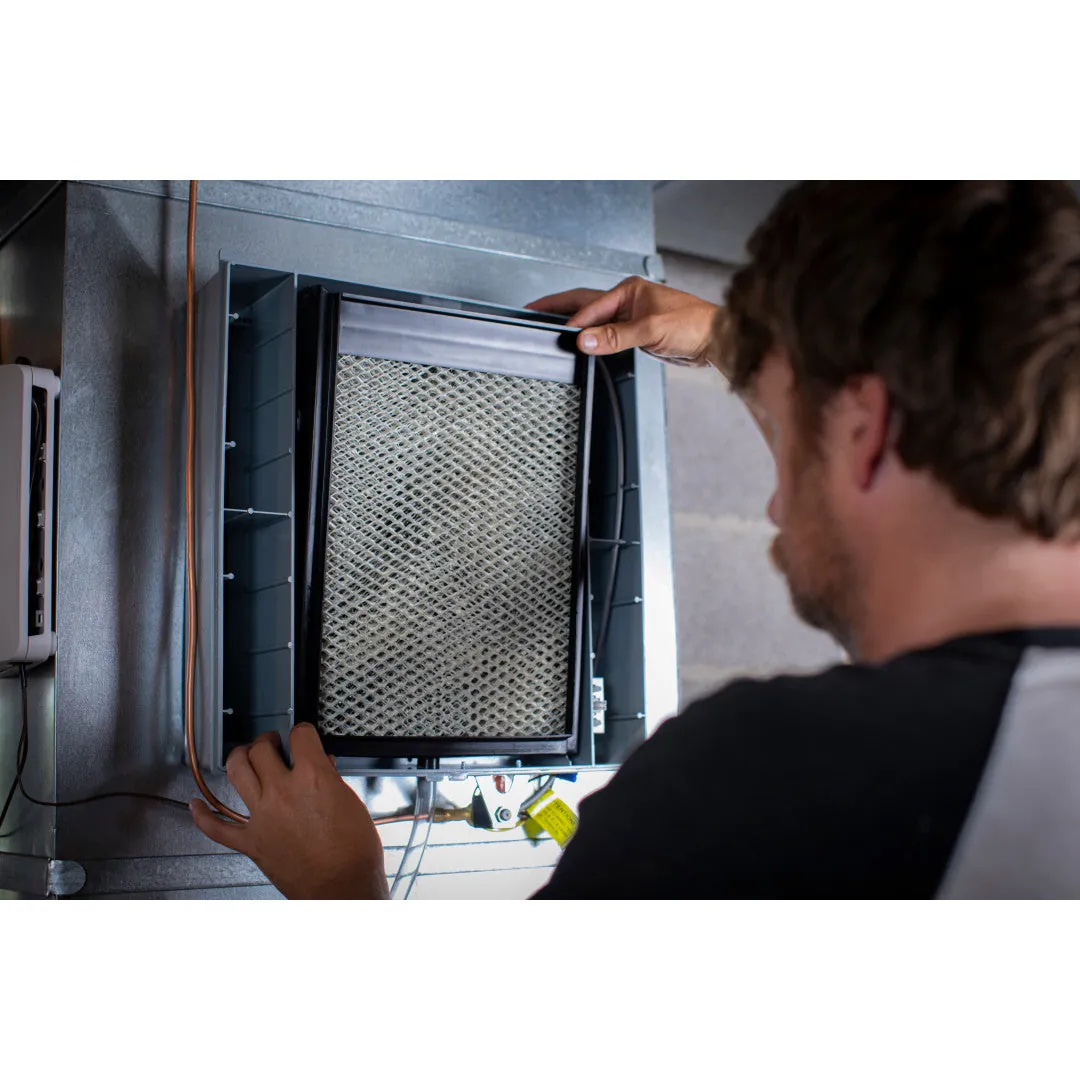
The water panel is a consumable filter that traps minerals from your home water supply. In areas with hard water, these minerals accumulate quickly, which blocks airflow and prevents the unit from evaporating enough moisture into your home. You should inspect this panel based on your usage and consult the owner’s manual to ensure it isn’t completely blocked by white, chalky deposits.
- Increases efficiency by allowing air to pass through the filter material easily.
- Prevents excessive energy use by ensuring the furnace doesn’t overwork.
- Reduces the chance of mold growth on old, saturated filter pads.
- Maintains consistent humidity levels throughout the winter months.
If the panel feels heavy, brittle, or looks completely coated in white stone-like material, you must replace it. Don’t attempt to scrub or wash these panels, as the coating is designed to be disposable. A new panel costs little and restores the unit to its original performance. For example, if you see white crust covering more than 50% of the surface area, remove the old pad and slide a fresh one into the housing immediately.
Solenoid Valve Failure
The solenoid valve acts as the gatekeeper for the water entering your humidifier system. When it fails, it usually gets stuck in the open position, which causes water to drip through the system even when the furnace is off. If you notice water pooling around your furnace, this valve is the most likely culprit that needs your attention.
- Stops water waste by cutting off the supply when the unit is idle.
- Protects your furnace electronics from water damage caused by leaks.
- Prevents flooding in your mechanical room or basement floor area.
- Ensures water only flows when the furnace blower is active.
If the valve leaks while the furnace is off, first turn off the saddle valve on your water line. If the leak stops, the solenoid is likely faulty and requires a replacement. If you have no experience with electrical wiring or plumbing, stop here and call a certified HVAC technician. They can safely test the voltage to the valve to confirm if the electrical signal is the problem or if the valve itself is physically stuck.
Humidistat Calibration Issues
The humidistat is the control center that tells your unit when to add moisture to the air. If the sensor is dirty or placed too close to a heat source, it will provide an incorrect reading to the controller. This causes the humidifier to run constantly or not turn on at all, even when your home feels very dry.
- Ensures your home stays within the healthy 30% to 50% humidity range.
- Prevents condensation on windows by stopping the unit when air is saturated.
- Saves water by preventing the humidifier from running unnecessarily.
- Protects wood floors and furniture from damage caused by dry air.
If the wall-mounted controller shows a humidity level that doesn’t match a separate hygrometer in the same room, you should recalibrate it. Check your specific model’s installation guide for the button sequence to enter the offset mode. If the display is blank or unresponsive, check the low-voltage wiring for any loose connections. If the wires are secure and the unit remains blank, the controller may be broken and needs a full unit replacement.
Drain Line Clogs
The drain line carries away excess water that doesn’t evaporate into the home air. Over time, debris, mineral salts, and biological growth can block this small tube. A clogged line causes water to back up into the humidifier housing, which then overflows and drips down the side of your furnace cabinet.
- Directs waste water away from your sensitive furnace components.
- Prevents standing water from causing rust on metal ductwork.
- Stops potential basement or utility room floor water damage.
- Keeps the interior of the unit clean and free of stagnant water.
To clear a clog, detach the plastic tube from the bottom of the humidifier and look for blockages at the connection point. You can usually clear these by flushing the tube with a mixture of water and white vinegar. If you see black slime or heavy white deposits, replace the clear plastic tubing entirely. If the drain path inside the unit itself is blocked, you can use a small brush to gently clear the opening.
Other Common Issues
Saddle valves often fail because they rely on a rubber gasket that degrades after three to five years. If you spot a persistent drip, don’t simply tighten the nut indefinitely, as over-tightening can crack the copper tubing. If the leak persists after a quarter-turn, replace the saddle valve with a dedicated ball valve for a permanent, leak-proof connection.
Blower interlock switches fail most frequently due to vibration loosening the mounting bracket. If the humidifier stays silent despite the furnace running, check the switch’s physical alignment first. A switch that’s even a quarter-inch out of position will fail to trigger the solenoid.
Frozen water lines are common in unheated spaces. If your unit is in a crawlspace, wrap the supply line in foam insulation and use heat tape if temperatures drop below freezing. If the line is already frozen, use a hair dryer on a low setting rather than an open flame to thaw it safely.
Choosing the Right Fix
Your decision depends on whether the issue is mechanical, electrical, or a simple maintenance task. If the unit is making a loud noise or leaking water, stop the water supply first to prevent damage to your furnace. If the problem is simply that the air feels dry, start by checking the humidity setting on your wall control and verifying that the water panel isn’t clogged.
If you have a water leak, check the solenoid and drain line first, as these are the most common points of failure. If the humidifier won’t turn on even when the furnace is running, check the electrical connections and the humidistat settings.
If you find a broken wire or a faulty solenoid valve, you can replace these parts yourself if you feel comfortable working with low-voltage systems. If you’re ever unsure about electrical work or plumbing, call an HVAC professional to avoid voiding your furnace warranty or causing a leak. These systems are designed to be modular, so picking one fix usually doesn’t affect the others.
Frequently asked questions
How often should I change the water panel?
You should change the water panel based on your usage and consult the owner’s manual for the recommended schedule. If your home has very hard water, you may need to replace it more often. Check the filter visually; if you see a thick, hard layer of white minerals covering the surface, replace it regardless of how much time has passed.
Why is my humidifier leaking water onto the floor?
Leaking usually happens because the drain line is clogged or the solenoid valve is stuck in the open position. First, check the drain tube for any blockages or kinks that might stop water from flowing out. If the tube is clear, turn off the water supply at the saddle valve; if the leaking continues, the solenoid valve is likely broken and needs replacement.
Can I clean the water panel instead of buying a new one?
You shouldn’t clean or reuse the water panel, as it’s designed as a disposable item. The material is coated to help with water distribution, and scrubbing it will remove this coating and damage the pad’s structure. Replacement pads are inexpensive and ensure the unit operates at the correct efficiency level for your home’s air quality.
Is it safe to leave the humidifier on all summer?
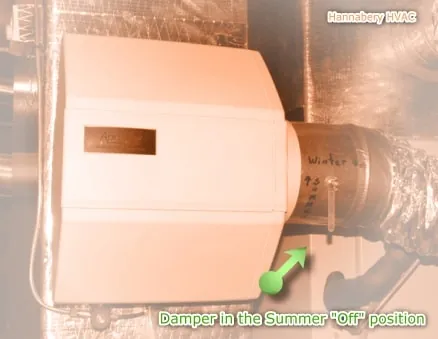
You should turn off the humidifier during the summer months when you’re using your air conditioner. Most units have a bypass damper that you can close or a setting on the controller to switch the system to the off or summer position. Leaving it on when not needed wastes water and can promote mold growth inside the damp filter pad.
What is the ideal humidity setting for my home?
The ideal humidity level is usually between 30% and 50% for indoor comfort. If you set it higher, you may see condensation forming on your windows during cold weather, which can lead to mold or water damage on your window frames. Adjust your setting based on the outdoor temperature; lower the humidity if you notice fog or frost on your glass.
Why is my unit not showing any power?
A blank or unresponsive display usually means the unit isn’t receiving power from the furnace or the wall transformer. Check your furnace power switch to ensure it’s on, and then verify that the low-voltage wires are firmly connected to the terminals. If the power is on but the screen remains blank, the controller unit may have failed and requires a replacement.
Conclusion
Begin by inspecting the water panel and drain line, as these are the easiest parts to check for common blockages. You should expect to see improved humidity levels within 24 hours of replacing a clogged filter or fixing a flow issue. If you notice water leaking directly into the furnace cabinet or smell burning plastic, turn off the power and water supply immediately and contact a local HVAC professional to handle the repair.
