
Hydrogen is produced by splitting water or natural gas, stored under pressure, and then converted back into electricity or heat through a fuel cell or combustion. You can see how hydrogen systems work from production to power by following the flow of energy from the initial input, through the necessary chemical changes, to the final useful energy output in a home or industrial facility.
Key components of a hydrogen system

Every hydrogen system relies on specific equipment to manage the gas. You can check the documentation provided by your equipment manufacturer to find the exact specifications for your setup, as these vary by model and intended use.
| Part or input | What it does | What you notice when it goes wrong |
|---|---|---|
| Electrolyzer | Splits water into hydrogen | Low gas output pressure |
| Storage tank | Holds hydrogen gas safely | Loss of pressure or leaks |
| Fuel cell | Converts hydrogen to electricity | Reduced power output levels |
| Compressor | Increases gas storage density | Unusual noise or vibrations |
| Cooling system | Regulates internal operating heat | System shuts down automatically |
Prioritize the dew point of your hydrogen gas. You must install a desiccant dryer upstream of the storage tank to prevent this.
When selecting a compressor, distinguish between diaphragm and piston models. Diaphragm compressors are mandatory for high-purity applications because they prevent oil contamination. Replace it immediately to avoid catastrophic gas leakage.
Finally, monitor your pressure relief valves annually. A valve that fails to vent during a thermal expansion event will cause a tank rupture. If the valve seat shows any visible pitting or corrosion, swap the entire assembly regardless of its rated lifespan.
Steps for how hydrogen systems work from production to power
A standard cycle begins with the generation of gas and ends when that energy is put to work. This process requires precise control to maintain safety and efficiency throughout each stage of the system’s operation.
- Electricity from a renewable source, such as solar or wind, powers an electrolyzer to split water molecules into hydrogen and oxygen gases.
- The hydrogen gas is captured and moved into a compressor, which increases the pressure to a level suitable for the specific storage tank design.
- Once compressed, the gas is stored in reinforced tanks that are built to withstand high internal pressure for long periods without losing gas.
- When power is needed, the hydrogen flows from the tank into a fuel cell stack where it reacts with oxygen from the air.
- This chemical reaction inside the fuel cell generates direct current electricity, heat, and pure water as the only exhaust byproducts of the system.
- A power inverter converts the direct current into alternating current, which is then ready to supply electricity to a building or the electrical grid.
Why system design impacts performance
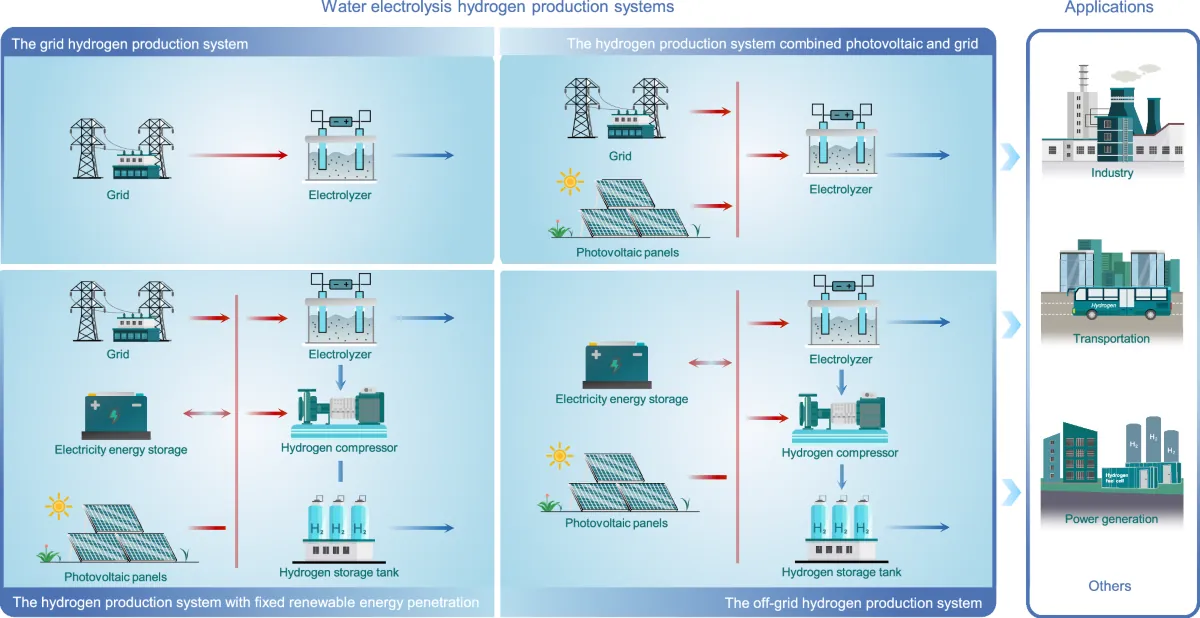
The efficiency of a hydrogen system depends on how well each part manages the conversion of energy. If the electrolyzer isn’t calibrated to the power input, the system produces gas at a slower rate than expected. This mismatch creates a bottleneck that prevents the storage tanks from reaching their full capacity. Conversely, if the fuel cell faces a high demand but the storage pressure is low, the system won’t sustain the required power output.
You should monitor the pressure gauges and electrical output meters to identify which part is causing a drop in efficiency. A common mistake is ignoring small pressure fluctuations, which eventually leads to a complete system failure. If the pressure drops suddenly, check the seals and valves first. Most leaks occur at connection points, which are the most vulnerable areas in high-pressure systems.
Temperature also plays a significant role in how well the system functions. According to the Department of Energy hydrogen storage guidelines, thermal management is vital because excessive heat during compression or discharge can damage internal components. If the cooling system fails, the electronics will trigger a shutdown to prevent permanent hardware damage. Always ensure your ventilation is clear to allow heat to escape during the conversion process.
Controlling your hydrogen setup
You have control over the input and output settings, but the fundamental chemical processes are fixed by the design of your equipment.
Things you control
- The amount of electricity sent to the electrolyzer.
- The storage pressure setpoint for the compressor.
- The timing of the power draw from the fuel cell.
- The maintenance schedule for filters and seals.
Fixed design limits
- The maximum pressure rating of the storage tanks.
- The internal chemical conversion rate of the fuel cell.
- The total energy capacity based on tank volume.
If you need to perform internal repairs or modify high-pressure lines, you must hire a certified technician. Working on these systems without proper training or safety equipment poses a risk of explosion or chemical exposure.
Habits for better system output
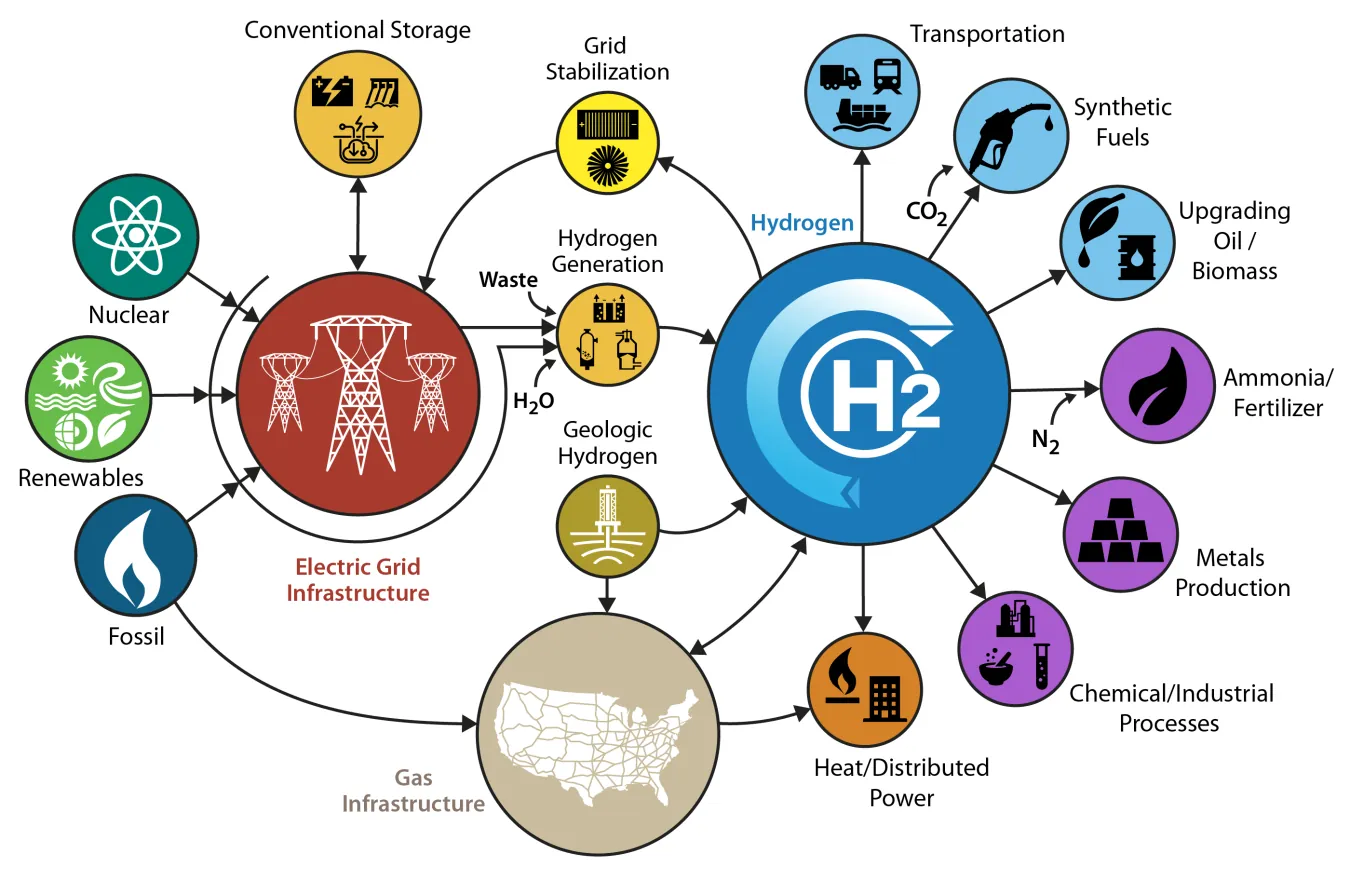
Consistent performance requires regular attention to the state of your equipment. Start by checking your pressure gauges daily to ensure they stay within the manufacturer’s recommended operating range for your specific model. If the pressure is below the minimum operating threshold, the system won’t be able to supply the fuel cell.
Keep the area around the electrolyzer clean and free of dust, as debris can clog the intake vents and force the system to work harder. You should also audit your energy usage regularly to ensure your storage capacity matches your actual power needs.
If you find your tank is empty before the end of the day, you may need to increase the electrolyzer run time during peak solar hours. Always follow the service intervals listed in your user manual; skipping a recommended inspection can lead to a loss of efficiency that costs more to fix than a simple filter replacement.
Related guides
Frequently Asked Questions
Can a hydrogen system work for a private home?
Yes, a hydrogen system can power a home if you have an electrolyzer, storage tanks, and a fuel cell. The system size depends on your daily electricity consumption, which you can calculate by reviewing your monthly utility bills and matching them to the power output ratings of available residential fuel cell units.
Is it safe to store hydrogen at home?
It’s safe when you use professional-grade, certified storage tanks that meet local fire and safety codes. These tanks are built with multiple safety layers to prevent gas leaks, but you must keep them in a well-ventilated area away from open flames or high-heat sources to ensure safe operation.
How long does hydrogen stay in the tank?
Hydrogen stays in the tank indefinitely as long as the seals remain intact and the tank isn’t opened. The duration depends entirely on the quality of the seals, which you should inspect annually for any signs of wear or degradation to prevent slow gas loss over time.
What happens if the power goes out?
The system continues to provide power if your fuel cell is connected to a battery backup or directly to your home’s electrical panel. The duration of this power supply depends on the amount of hydrogen stored in your tanks at the moment the main grid power fails.
Does hydrogen production require a lot of water?
Hydrogen production requires a small amount of purified water, typically about 9 liters per kilogram of hydrogen produced. The exact amount depends on the efficiency of your electrolyzer, which you can verify by checking the water consumption specifications in the technical manual provided by your specific equipment manufacturer.
How much electricity does it take to produce hydrogen?
It takes about 50 to 55 kilowatt-hours of electricity to produce one kilogram of hydrogen. This figure assumes you’re using a standard modern electrolyzer; your actual consumption will vary based on the specific model and the efficiency rating listed on the equipment’s official data plate.
Conclusion
The integration of hydrogen systems into daily power needs relies on balancing your energy inputs with the fixed capacity of your storage and conversion hardware. By monitoring your pressures and maintaining your equipment according to the manufacturer’s schedule, you can ensure a reliable flow of power for your specific usage requirements.
