
A pneumatic cylinder converts the pressure of compressed air into linear motion to push, pull, or lift heavy loads. These tools use a simple piston inside a metal tube to create force, and a complete guide to pneumatic cylinders covers the specific pressures and bore sizes needed to match your job to the right hardware.
A complete guide to how pneumatic cylinders function
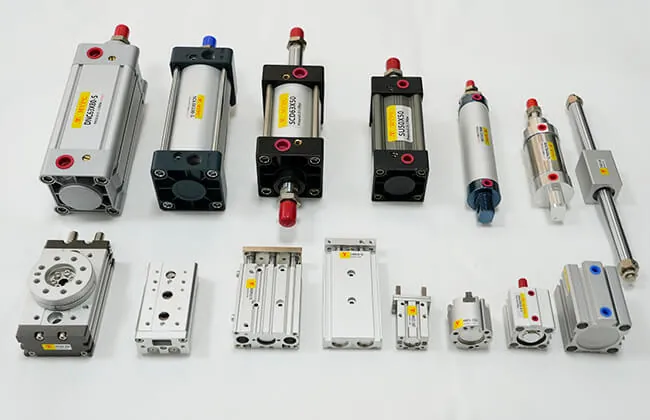
At its core, a pneumatic cylinder is a mechanical device that uses gas, usually compressed air, to produce a force in a reciprocating linear motion. The device consists of a barrel, a piston, and a rod. When air enters the cylinder, the pressure pushes the piston, which then moves the rod outward or inward.
These parts are common in factory automation, packaging, and material handling. They’re perfect for fast, repetitive motions that don’t require the high heat resistance of hydraulic systems. A common mistake is assuming that all cylinders handle the same pressure; in reality, you must check the rod diameter against the load force, as a rod that’s too thin will bend under pressure. This guide focuses on standard industrial-grade units used for common automation tasks.
Installing and operating your equipment
- Mount the cylinder securely using brackets that match your specific model to prevent vibration during high-speed cycles.
- Connect the air lines to the ports, ensuring you use the correct fitting size to avoid air leaks that drop your total output force.
- Install a flow control valve on the exhaust port to regulate the speed of the rod, as moving too fast can damage the internal seals.
- Set your air regulator to the specific pressure required by the manufacturer’s data sheet, typically between 60 psi and 100 psi for most standard industrial applications.
- Cycle the unit several times without a load to ensure the movement is smooth and there are no audible hissing sounds from the seals.
- Attach your load, ensuring it’s perfectly aligned with the rod to avoid side-loading, which causes the internal seals to wear out prematurely.
The key to a long-lasting setup is perfect alignment. If your load isn’t centered, the rod will rub against the seal, causing it to fail in weeks rather than years.
Key performance figures and settings
Selecting the right cylinder depends on the force you need and the air pressure available. If your project requires more force, you can use a larger bore diameter or increase the air pressure, provided you stay within the cylinder’s maximum pressure rating.
| Situation | What to use | How long | What to watch for |
|---|---|---|---|
| Light lifting | 20mm bore | 100mm stroke | Air leaks at ports |
| Heavy pushing | 50mm bore | 300mm stroke | Rod bending under load |
| Fast cycling | Short stroke | 50mm stroke | Internal seal heat |
| High precision | Guided rod | 150mm stroke | Bearing wear signs |
| Dusty areas | Bellows cover | N/A | Grit on the rod |
Achieving high-quality results
Experienced users focus on air quality above all else. They use an air filter and dryer before the air reaches the cylinder. If water or oil enters the cylinder, it ruins the internal lubricant and causes the seals to stick or fail. Beginners often skip the air preparation unit, but this usually leads to internal corrosion within the first six months of operation.
Partway through your first cycle, check the rod for any signs of friction. If you hear a squeaking noise, the rod is likely misaligned or the internal grease has dried out. Never force a cylinder that doesn’t move freely; stop, check the alignment of the load, and ensure the pressure is within the rated limits on the cylinder body.
Troubleshooting common issues

| What you notice | What it usually means | What to do first |
|---|---|---|
| Slow rod movement | Low air pressure | Check regulator settings |
| Hissing sound | Leaking internal seal | Replace seal kit |
| Jerky motion | Lack of lubrication | Clean and re-grease rod |
| Unit won’t move | Blocked air line | Inspect hoses for kinks |
If the rod moves slowly, confirm the regulator reads at least 80 PSI. Pressure drops often stem from undersized supply lines rather than compressor failure.
A hissing sound typically indicates a worn O-ring. If you ignore this, the internal pressure drop will eventually cause the cylinder to seize entirely. Always replace the entire seal kit at once to ensure consistent tolerances.
For jerky motion, use a light, synthetic grease. Avoid heavy automotive greases, as they attract dust and create a thick sludge that increases friction.
If the unit remains frozen, disconnect the line at the cylinder intake. If air blasts out, the blockage lies within the valve body itself. If no air exits the hose, trace the line back to the manifold to locate the physical kink.
Understanding the safety rules
Safety rules for these devices are strict to prevent injury from sudden pressure releases. The Occupational Safety and Health Administration (OSHA) requires that all pressure lines are properly secured and that pressure is bled from the system before you attempt any repairs or maintenance.
Never attempt to disassemble a pressurized cylinder, as the rod can shoot out with high velocity. If you’re working on a system that supports heavy loads, always use mechanical stops or locks to prevent the load from falling if the air pressure drops suddenly.
Maintaining your pneumatic system
Once the job is done, keep the rod clean and free of dust. If the unit sits idle for a long time, wipe the rod with a clean, dry cloth to prevent debris from being pulled into the seal during the next cycle.
You’ll know it’s time for maintenance when the rod movement becomes sluggish or you hear audible air leaks. If you notice these signs, check the manufacturer’s manual for the specific seal kit part number, as using the wrong size will cause the unit to fail immediately.
When to use alternatives
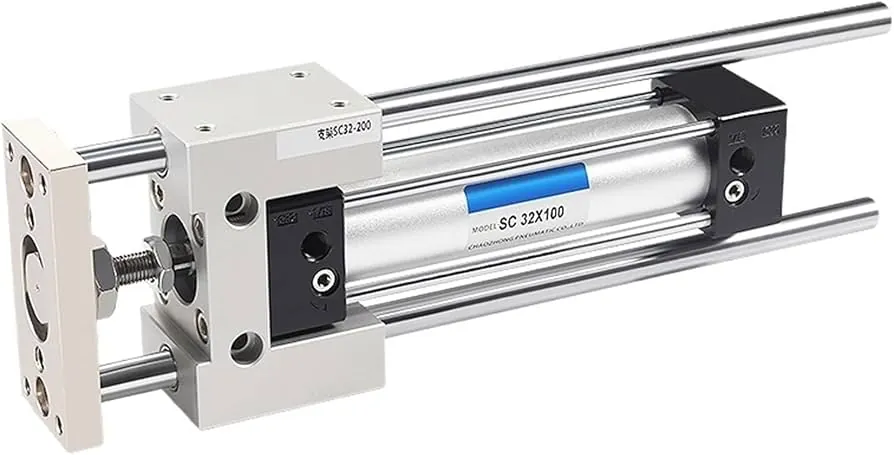
This approach isn’t for applications that require extreme holding force or very slow, steady movement. In those cases, hydraulic cylinders are better because oil doesn’t compress like air does.
A common mistake is sizing a pneumatic cylinder to hold a load at mid-stroke for minutes at a time. Air leaks past the piston seals, and the load drifts.
If you need to control the position of the load at many different points, a servo-electric actuator is a better choice than a pneumatic one. Servo motors use encoder feedback to stop anywhere along the stroke with repeatable precision.
Pneumatic units are best for simple, two-position movements where speed is more important than exact mid-stroke positioning. They excel when the job is fully retracted or fully extended.
Related guides
Frequently asked questions
Can I use oil to lubricate a pneumatic cylinder?
Use only the lubricant recommended by the manufacturer, as incompatible oils can damage the internal seals. Only use the specific grease recommended by the manufacturer, or use a pre-lubricated cylinder that requires no extra maintenance during its lifespan.
How long do these cylinders last?
They typically last for millions of cycles if the air is clean and the load is aligned. The exact lifespan depends on the seal material and the harshness of the environment, which you can read on the manufacturer’s spec sheet.
Why is my cylinder moving so slowly?
It’s likely that your air pressure is too low or your flow control valve is closed too tight. Check that your supply pressure is at least 60 psi and slowly open the exhaust flow control valve until the speed is right.
Is it safe to repair a leaking cylinder myself?
Yes, you can replace the seals yourself if you have the correct repair kit and the tools to open the housing. If you aren’t comfortable with mechanical work, take the unit to a certified pneumatic technician to avoid damaging the cylinder walls.
What happens if I exceed the pressure limit?
Exceeding the pressure limit can cause the metal barrel to bulge or the end caps to blow off. Always check the maximum pressure rating stamped on the side of the cylinder and keep your regulator set at least 10% below that limit.
Conclusion
The performance of your pneumatic setup depends entirely on the cleanliness of the air and the precision of your alignment. By keeping the air supply dry and ensuring the load moves in a straight line, you’ll get the most out of your equipment for many years.
