
Most aqua genie skimmer problems come down to three things: a clogged weir door, an air leak at the lid, or debris blocking the basket. When water stops flowing, you’ll usually find leaves packed tight under the lid or the floating door stuck closed. Fixing these issues takes minutes and needs no special tools beyond your hands and a garden hose. This guide covers how to clear each blockage, where seals fail, and when a crack means replacing the unit.
What the Aqua Genie actually does
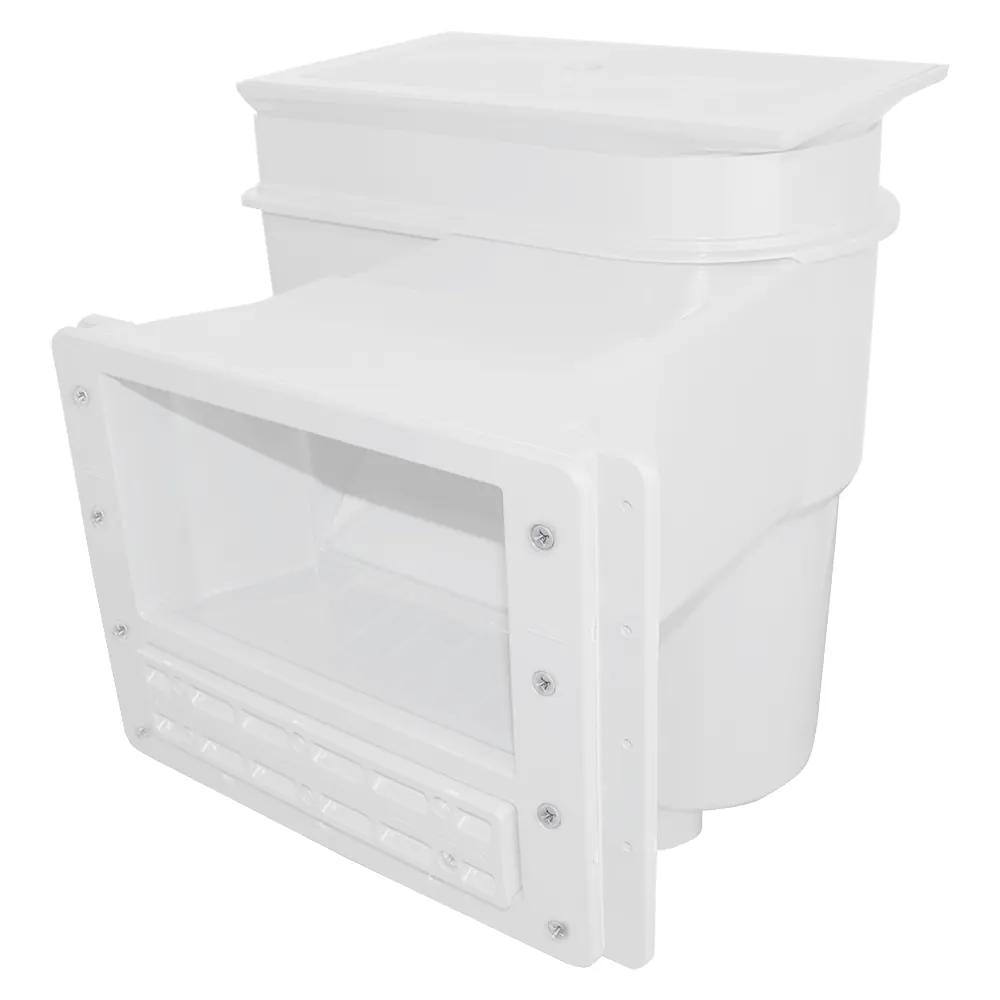
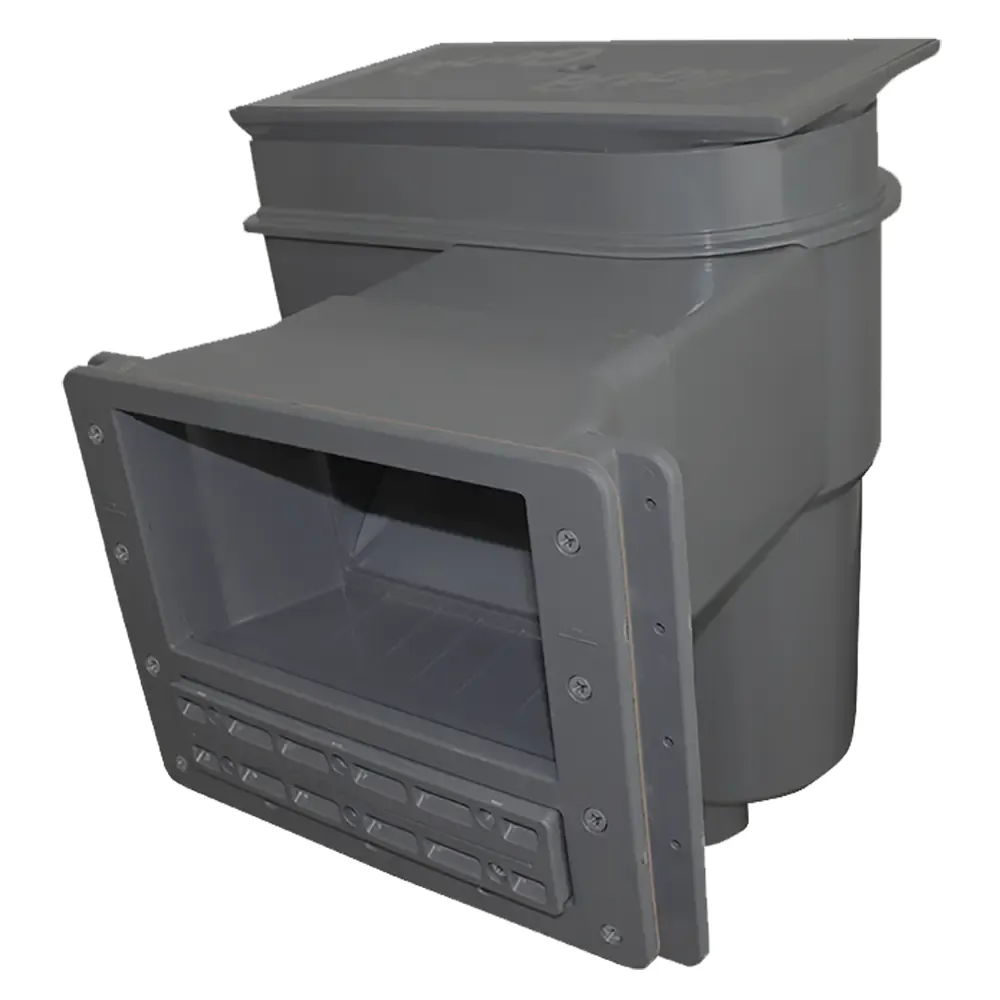
The Aqua Genie is a pool skimmer built directly into the concrete or gunite wall during construction. Unlike drop-in plastic skimmers that hang on the side, this one is poured right into the shell. It pulls surface water through a narrow slot instead of a wide mouth. That slot runs along the top edge of the unit.
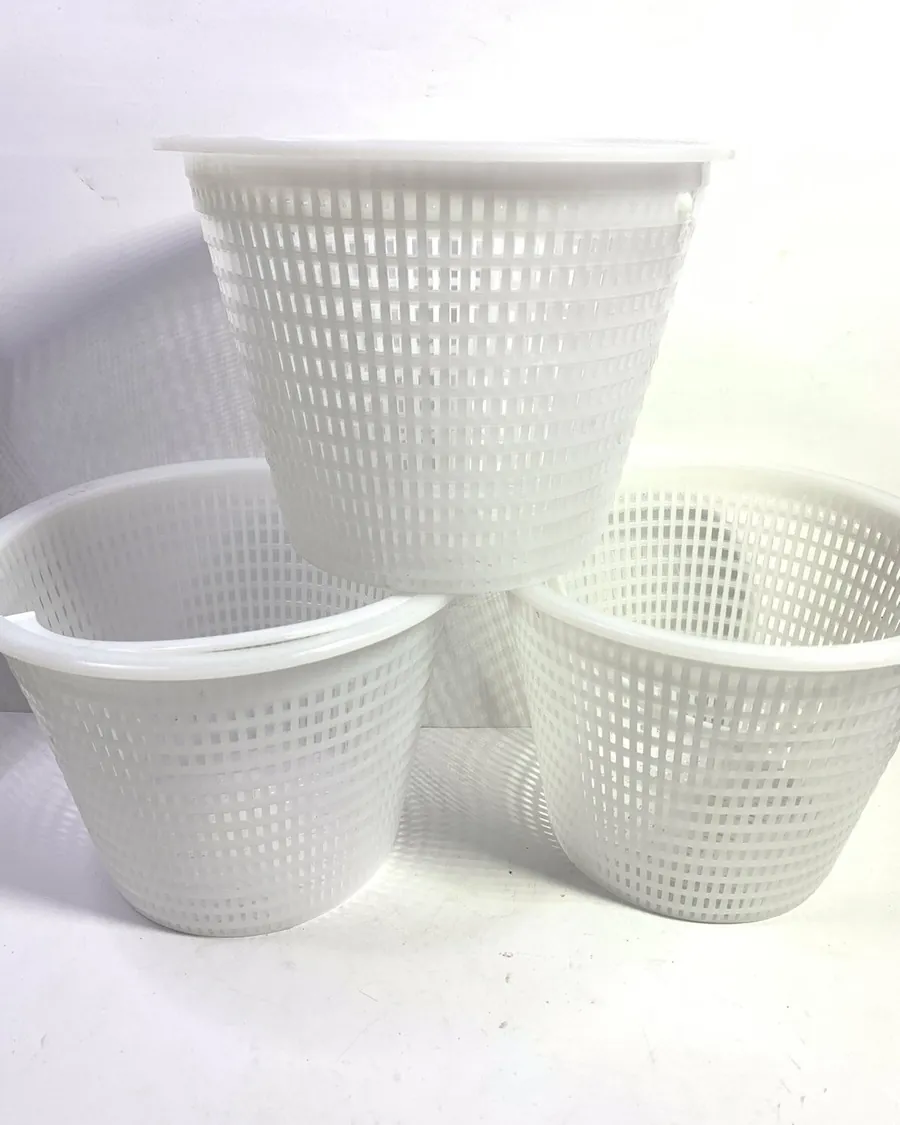
Its job is simple. It catches leaves, bugs, and sunscreen oil before they sink to the bottom. The water flows through the slot, drops past a floating weir door, and fills a basket inside the wall. A pipe at the bottom carries that water to your pool pump.
This design works well for pools with limited deck space. Because the opening is thin, it doesn’t take up much room around the edge. You’ll see them mostly on older concrete pools built from the 1970s through the 1990s. They aren’t common on new vinyl or fiberglass builds.
The biggest misconception people bring to this skimmer is that it works exactly like a standard wide-mouth model. It doesn’t. The narrow slot changes how water enters. If the pool level drops even half an inch below that slot, the pump starts pulling air instead of water. That’s why low water levels cause more trouble here than with regular skimmers.
Another thing people get wrong is the weir door. On a normal skimmer, the weir swings back and forth freely. On the Aqua Genie, the floating mechanism sits inside a tighter space. If calcium builds up on the sides, the door sticks shut. When that happens, no water gets in, and the pump runs dry.
You don’t need a plumber to maintain it. But if the concrete around the slot cracks, you’re looking at a structural repair. At that point, a licensed pool contractor should handle the work, not a weekend do-it-yourself fix.
How to clear an Aqua Genie skimmer
Fixing flow issues means working from the outside slot inward to the plumbing connection. Follow these steps in order so you don’t push debris deeper into the line.
- Turn off the pool pump at the breaker. Never reach into a skimmer while the pump is running. The suction at the bottom pipe can trap fingers or pull hair. Wait about 30 seconds for the water inside the pipes to settle before you open anything.
- Remove the lid by turning it counterclockwise. Most Aqua Genie lids lock with a quarter turn. Don’t pry them up with a screwdriver. Prying chips the concrete collar or cracks the old plastic rim. Set the lid on the deck where it won’t roll into the pool.
- Lift out the basket and empty it. Tap it upside down against a trash can. Rinse it with a garden hose at full pressure for about 15 seconds. Look closely at the mesh. If you see any tears in the mesh, throw the basket away and buy a new one. Small holes let debris pass straight into your pump impeller.
- Check the weir door behind where the basket sat. Push it gently with two fingers. It should move up and down without scraping the sides. If it’s stuck, pour 1 cup of white vinegar over the hinges. Let it sit for 10 minutes to dissolve the calcium, then work the door loose by hand. Don’t force it, or the plastic hinge pin will snap.
- Clear the narrow intake slot at the waterline. Take a flat-head screwdriver or a stiff putty knife and run it through the slot from end to end. Algae and small twigs pack tightly into this gap. You might need to scrape it 3 or 4 times until water flows freely through the opening again.
- Inspect the lid O-ring before putting it back. Pull the rubber ring out of its groove. Stretch it slightly. If it stays stretched or shows cracks, it isn’t sealing anymore. Rub a pea-sized amount of silicone pool lubricant around the ring and press it back into the groove.
- Replace the lid and turn it clockwise until it stops. Turn the pump breaker back on. Watch the return jets in the pool. Air bubbles should stop within 60 seconds. If they keep spitting after 2 minutes, you have a leak somewhere else in the suction line.
The single judgment call that separates a quick fix from a flooded equipment pad is knowing when to stop. If you pull the basket out and see standing water rising from the bottom pipe instead of draining down, the line is blocked. Don’t try to snake a pool line yourself. Call a pool technician who has a drain king attachment to blow the clog backward safely.
Aqua Genie settings and quick numbers
These figures apply to the original concrete-poured models still found in residential pools. If your pool was replumbed or modified, check the paperwork left by the contractor, because aftermarket parts change these baselines.
| Situation | What to use | How long | What to watch for |
|---|---|---|---|
| Weekly cleaning | Bare hands and hose | 5 minutes | Tears in the basket mesh |
| Stuck weir door | 1 cup white vinegar | 10 minutes soaking | Cracked hinge pins after forcing |
| Lid losing suction | Silicone pool lube | 2 minutes to apply | Flattened or cracked O-ring |
| Clogged intake slot | Flat putty knife | 3 to 4 passes | Chipped concrete around the slot |
| Pump pulling air | Water level check | 60 seconds after startup | Bubbles continuing past 2 minutes |
| Calcium buildup on walls | Muriatic acid (diluted) | 15 minutes scrubbing | Acid splashing onto skin or deck |
Keep this table handy when you walk out to the pool pad. The times assume you’re working on a standard residential setup where the equipment is within 30 feet of the pool. If your pump sits further away, or higher up a hill, the air-clearing time in row five will take longer.
Don’t guess the water chemistry when dealing with calcium buildup. You can read your exact saturation index on the test strips sold by your local pool supply store, which tells you if the water is actually scaling the plastic or just leaving surface dust.
Why some repairs hold and others fail
The difference between a skimmer that runs perfectly all summer and one that loses prime every Tuesday comes down to preparation. People rush the first step. They pull the lid off and start yanking at the basket while the pump is still humming. That sudden rush of air hits the impeller, overheats the seal, and creates a tiny leak that grows worse every week. Turning the power off costs nothing but saves the mechanical seal inside your pump housing.
Order matters too. Always clean the intake slot before you touch the basket. If you pull the basket out first, whatever is wedged in that narrow slot falls straight down into the plumbing. Then you’ve turned a 5-minute surface cleaning into a blocked pipe that requires professional equipment to clear. Work from the outside in, every single time.
Check the O-ring halfway through the season, not just when you notice a problem. Silicone lubricant degrades over time due to heat and chemicals; check the O-ring regularly during the swimming season and reapply if it feels dry or stiff. If you wait until the pump starts making a whining noise, the dry rubber has already flattened out. A flattened ring won’t bounce back just because you added fresh lube. It needs replacing.
Leave the concrete alone. If the collar around the lid looks rough or stained, don’t take a wire brush to it. Wire brushes score the plaster finish. Those tiny scratches catch dirt and algae faster than smooth concrete, meaning you’ll be cleaning it twice as often by August. Use a nylon brush and mild soap instead.
If you hear a gurgling sound coming from the skimmer throat while the pump runs, stop immediately. That gurgle means the water level dropped below the slot and the system is sucking air. Topping off the pool with a garden hose until the water level rises above the skimmer slot usually fixes it. Ignoring the sound lets the pump run dry, which melts the internal seals. Replacing a pump seal costs far more than paying attention to the noise.
Troubleshooting Aqua Genie flow issues
When something goes wrong, the symptom you see points directly to the part that failed. Match what you notice in the first column to the action in the third. Don’t skip to the fix without confirming the symptom, because treating the wrong cause wastes your afternoon.
| What you notice | What it usually means | What to do first |
|---|---|---|
| Pump makes a loud screeching noise | Dry running due to air leak | Turn off pump, check lid O-ring |
| Basket floats up when pump starts | Water entering faster than it drains | Clear the bottom pipe exit |
| Weir door stays completely shut | Calcium scale froze the hinges | Pour vinegar over the hinge pins |
| Pool water level drops overnight | Crack in the skimmer throat | Mark the water line, wait 24 hours |
| Debris blows back into the pool | Pump lost prime and surged | Check for clogs in the intake slot |
| Lid won’t turn to lock | Dirt packed in the locking threads | Flush threads with a hose nozzle |
If the water level drops and you suspect a crack, don’t drain the pool to look for it. Draining a concrete pool without hydrostatic relief valves can cause the entire shell to pop out of the ground. Mark the tile line with a pencil. If it drops exactly to the bottom of the skimmer slot and stops there, the leak is in the skimmer throat. That’s a job for a professional leak detection service.
For the lid threads, never use petroleum jelly to make them turn easier. Petroleum products eat the ABS plastic these older units are made from. Stick strictly to silicone-based pool lubricants. You can find the material safety guidelines for pool plastics on the NSF International standards page if you want to verify which chemicals are safe around your specific equipment.
Rules that govern pool skimmers
You don’t need a permit to clean your own skimmer basket. But if a crack forces you to replace the unit or alter the plumbing, building codes kick in. The Virginia Graeme Baker Pool and Spa Safety Act sets federal rules for suction entrapment in the United States. While it focuses mainly on main drains, any modification to your suction lines must not create a new entrapment hazard.
Local building departments enforce their own plumbing codes. In most US counties, cutting into underground pool pipes requires a licensed contractor. If you dig up the deck and hit a gas line or electrical conduit buried next to the pool plumbing, you’re liable for the damage. Don’t trench around the skimmer body yourself.
Chemical handling has rules too. Muriatic acid used to clean calcium off the weir door produces toxic fumes. The Occupational Safety and Health Administration requires proper ventilation when using it. Outdoors by a pool is generally fine, but never mix acid with chlorine tablets. That combination creates deadly chloramine gas. Keep them in separate buckets, stored on opposite sides of the yard.
If your pool is commercial—like at a hotel or apartment complex—the health department inspects the skimmers. They check that the weir doors function properly and that no sharp edges exist where swimmers could cut themselves. Residential pools don’t face these mandatory inspections, but following the same standards keeps your family safe.
When in doubt about whether a repair crosses the line from maintenance into structural alteration, call your city’s building permit office. A five-minute phone call prevents a massive fine later.
Keeping the skimmer running smoothly
Once you’ve cleared a blockage and restored flow, the goal is keeping it that way. Empty the basket every 3 to 4 days during autumn when trees drop leaves. In the middle of summer with no trees nearby, once a week is plenty. Don’t wait until the basket is overflowing. A packed basket restricts water flow and forces the pump to work harder, raising your electric bill.
Store replacement O-rings indoors, away from sunlight. Ultraviolet light dries out rubber quickly. An O-ring left on the pool deck for a month will crack the first time you try to stretch it over the lid. Keep spares in a sealed plastic bag inside your garage or pool shed.
Record when you last applied silicone lubricant. Write the date on a piece of masking tape and stick it inside the pump timer box. Without a record, you’ll forget, and the lid will slowly start leaking air again. Reapply the lube whenever the O-ring feels dry or shows signs of wear, typically checking every few weeks during the swimming season.
During winter, if you close the pool, blow the water out of the skimmer line using an air compressor. Plug the bottom hole with a rubber expansion plug. If water freezes inside the narrow Aqua Genie throat, the expanding ice will crack the concrete shell. That turns a simple winterizing step into a very expensive repair come spring.
When you open the pool again, remove the plug before you start the pump. Forgetting the plug is the fastest way to burn out a motor on day one of the season.
When the Aqua Genie isn’t the right fix
Not every flow issue belongs to the skimmer itself. Sometimes the method described above won’t solve your problem, and trying to force it will only waste your time.
If your pool pump is undersized for the total gallons of water, the skimmer will always struggle. An Aqua Genie relies on strong suction to pull water through that narrow slot.
If you have a variable speed pump running at a low RPM to save electricity, it might not generate enough pull. In that case, increase the pump speed during the day when the pool is in use, rather than taking the skimmer apart looking for a fault that isn’t there.
If the concrete shell has shifted due to soil movement, the skimmer throat might be misaligned with the waterline. No amount of cleaning fixes a tilted pool wall. You’ll notice the water touches the top of the slot on one side but sits an inch below it on the other. This requires a structural engineer or a specialized pool leveling company to assess the foundation.
Finally, if you’ve converted your pool to a cartridge filter system with very low flow resistance, the dynamics change. Cartridge filters don’t create the same aggressive suction as sand or DE filters when they’re clean. If the skimmer barely pulls debris in, you might need to add a secondary booster pump or switch back to a higher-resistance filter media. Don’t blame the skimmer design when the rest of the equipment loop changed the math.
Related guides
Frequently asked questions
Can I replace an Aqua Genie with a standard skimmer?
No, you can’t simply drop a standard wide-mouth skimmer into an Aqua Genie hole. The concrete opening is shaped differently, and the plumbing connection sits at another depth. Swapping them requires cutting out the pool shell, which risks damaging the structural rebar. If your unit fails completely, a pool contractor usually patches the hole and installs a new hanging skimmer over the side instead of rebuilding the wall.
Why does my pool pump lose prime every morning?
The pump loses prime because air enters the system overnight when the motor shuts off. The most likely entry point is a dried-out O-ring on the skimmer lid or a tiny crack in the PVC pipe leading to the pump. Lubricate the lid seal first. If the pump still loses prime by morning, the leak is underground, and you’ll need a pressure test to find it.
How long does an Aqua Genie skimmer last?
An Aqua Genie lasts as long as the concrete pool shell holds together. The plastic parts inside, like the basket and weir door, degrade much faster from UV exposure and pool chemicals. Expect to replace the basket periodically. The actual skimmer body doesn’t wear out unless the ground shifts and cracks the surrounding gunite.
Is it safe to run the pool pump without the basket?
No, it isn’t safe. Running the pump without the basket allows large debris like rocks, coins, or thick twigs to travel straight into the pump impeller. A jammed impeller burns out the motor within minutes. The basket acts as the final barrier protecting expensive mechanical parts. Never start the system if the basket is missing or broken.
What happens if the weir door breaks off?
If the weir door breaks off, the skimmer still pulls water, but it stops being efficient. Without the door, wind pushes floating debris back out of the skimmer throat whenever the pump cycles off. The water also sloshes loudly inside the chamber. Order a replacement door matched to your specific model dimensions, as generic ones rarely fit the narrow slot correctly.
How often should I clean the intake slot?
Clean the intake slot regularly during the swimming season. If your pool sits under heavy tree cover, check it more often. Algae grows rapidly in that dark, wet gap, narrowing the opening until flow drops noticeably. A quick pass with a putty knife takes less than a minute and prevents the pump from starving for water; consult your owner’s manual for specific schedules based on use.
Does water level affect the Aqua Genie more than other skimmers?
Yes, it affects this model significantly more. Because the intake is a thin horizontal slot rather than a tall vertical opening, even a slight drop in evaporation cuts off the water supply entirely. Standard skimmers tolerate a few inches of water loss before pulling air. The Aqua Genie starts gulping air if the surface drops just half an inch below the slot line.
Conclusion
Keeping water moving through that narrow slot is the whole point of the design. Once you know where the air sneaks in and why the door sticks, the fixes stay fast and cheap. Don’t ignore the small sounds your pump makes at startup. They tell you exactly what needs attention before a minor annoyance turns into a cracked pipe or a burned motor.