
Erosion is the natural process where soil, rock, or other surface materials are worn away and moved by water, wind, ice, or gravity. This phenomenon, which represents the primary way landscapes change over time, happens because these natural agents carry loose particles from one location to another. You can observe this throughout the earth as rivers carve canyons or wind shapes desert dunes, constantly reshaping the ground beneath our feet.
The speed of this process depends on the strength of the agent and the protection provided by the surface. If the ground is covered in dense vegetation, the roots hold soil in place and slow down the movement of water. If the surface is bare, the impact of rain and wind hits the soil directly, which causes it to wash or blow away much faster.
Understanding the forces of landscape change
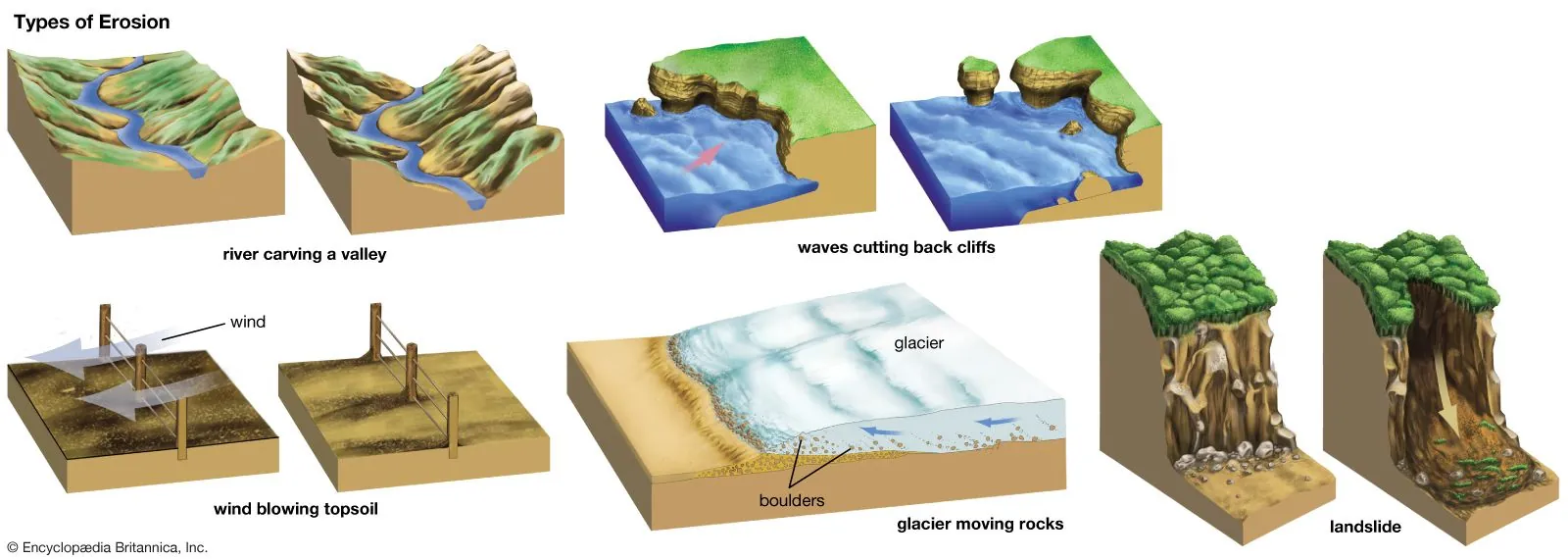
The most critical factor in determining how quickly a surface erodes is the amount of ground cover present. A common mistake people make is removing all trees or grass from a slope to improve a view, which leaves the soil completely defenseless against runoff. This often leads to severe landslides or loss of topsoil during the first heavy rain, costing homeowners thousands in stabilization repairs.
It’s helpful to know that while some erosion is inevitable, human activity often accelerates it beyond natural rates. If you live on a hillside, you should keep the area planted; if you have a flat garden, you can use mulch to protect the soil. These simple steps ensure that the earth remains stable, even when natural agents are active in your local environment.
Preventing erosion caused by natural agents
- Assess the slope of your land by checking the grade; a slope steeper than 15 degrees is highly prone to rapid water erosion.
- Plant native grasses or shrubs on bare soil because their root systems act as a net to hold the dirt in place.
- Install physical barriers like retaining walls or silt fences if you’re building on a site that lacks natural drainage.
- Direct roof gutters away from the house foundation toward a gravel pit to prevent concentrated water flow from digging deep channels.
- Check your local government’s agricultural extension office for a list of recommended ground cover plants that suit your specific region’s climate.
Tip: Never leave soil exposed during the rainy season, as a single storm can strip away inches of fertile topsoil that took years to form.
Tip: If you’re planning a large construction project, consult a licensed civil engineer to evaluate the risk of slope failure before you start moving any earth.
Timeframes for geological and local changes
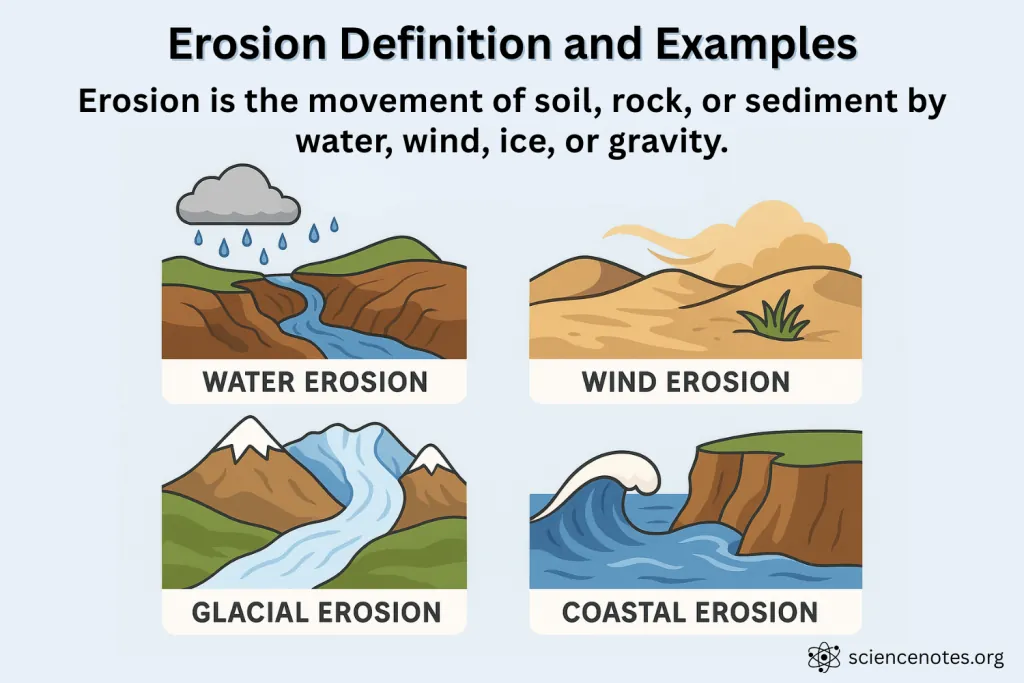
The duration of these changes varies wildly depending on the environment and the intensity of the weather. While geological features like river valleys take millions of years to form, local soil loss can occur in just a few minutes during a flash flood. The United States Environmental Protection Agency notes that human activities can increase sediment runoff by significant margins compared to undisturbed natural landscapes.
| Situation | How long | What changes it | What to watch for |
|---|---|---|---|
| Mountain range | Millions of years | Tectonic uplift | Deep V-shaped valleys |
| Farmed hillside | One growing season | Tilling practices | Thinning topsoil layers |
| Riverbank | One heavy storm | Water velocity | Falling trees and debris |
| Coastal beach | Seasonal cycles | Wave energy | Shifting sand levels |
If you notice your land losing inches of soil after every mild rain, the situation is moving faster than the natural rate and requires immediate drainage correction.
Identifying signs of active land loss
You can identify active erosion by looking for rills, which are small, shallow channels that form on a slope after rain. If these channels grow deeper or wider over time, they become gullies, indicating that the water flow is too strong for the current surface cover. You might also notice exposed tree roots or pedestals of soil where a rock has protected the dirt underneath from being washed away.
The most reliable test is to place a wooden stake in the ground at the start of a season and mark the soil level. If the soil level drops by more than an inch over six months, you’re experiencing accelerated erosion that needs intervention. This test provides a clear measurement for your specific property, as local soil composition and rainfall patterns vary significantly between different regions.
Distinguish between natural settling and active loss by checking the base of your stake after a storm. If the soil has pulled away from the wood, leaving a visible gap, the surface is actively migrating. People often mistake simple sediment displacement for permanent loss, but a gap indicates the soil structure itself is failing. If the gap remains dry and crumbly, prioritize immediate vegetation cover. If the soil remains saturated and slick, install drainage diversions first.
Mistakes that destroy soil stability
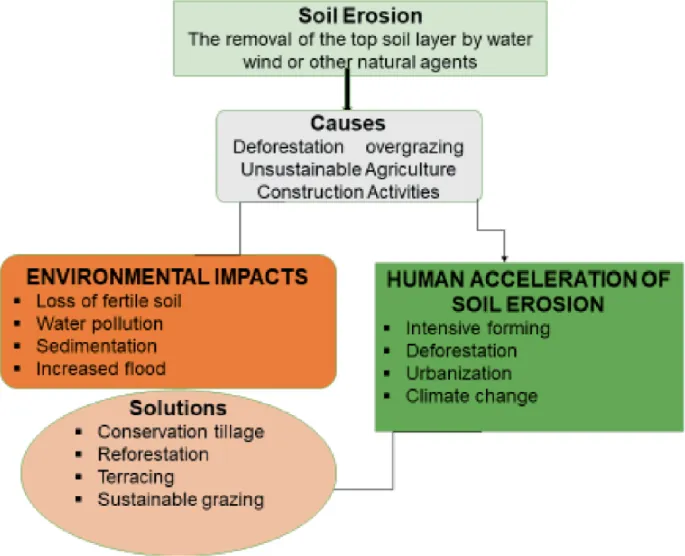
- Removing native vegetation: Clearing trees and shrubs destroys the biological anchors that hold soil together, which leads to rapid surface washing during storms. You should always keep as much native growth as possible or replace it with deep-rooted alternatives immediately.
- Creating excessive water runoff: Directing downspouts or paved surfaces toward loose soil creates concentrated streams that act like tiny rivers, cutting deep trenches in your yard. Use splash blocks or dry wells to spread out the water and reduce its speed before it reaches the soil.
- Overworking the soil: Tilling or turning the dirt too often breaks down the soil structure, making it light enough to be carried away by light winds or gentle rain. Minimize digging and use organic mulch or cover crops to keep the surface protected and dense throughout the year.
Related guides
- Why Is My Pool Cloudy? 8 Common Causes and Quick Fixes in 2026
- Aqua Genie Skimmer Problems: 3 Common Causes and Fixes in 2026
- 9 Best Matte Finish for Walnut Options for a Natural Look in 2026
Frequently asked questions
Can wind move as much soil as water?
Yes, wind can move vast amounts of soil, especially in dry, arid regions where there’s very little moisture to bind the particles together. While water is the most powerful agent in humid climates, wind erosion is a dominant force in flat, open landscapes. You can determine if wind is the main factor by checking for dust clouds or sand accumulation against fences during dry, windy days.
Is it safe to build on a slope that has active erosion?
No, it isn’t safe to build on an eroding slope until the ground has been professionally stabilized by a licensed engineer. Active erosion suggests the slope is already unstable, and the added weight of a structure can trigger a sudden landslide. Always obtain a site assessment from a certified expert before you begin any construction on uneven terrain to ensure the foundation remains secure.
How long does it take for a gully to form?
A gully can form in as little as one major storm event if the water flow is concentrated and the soil is unprotected. Once a small rill starts to channel water, it deepens quickly with every subsequent rain, potentially becoming a large trench within a few months. The speed depends on the soil texture, as loose, sandy soils erode much faster than dense, clay-based ones.
What happens if I ignore minor soil loss?
If you ignore minor soil loss, it often develops into larger, more expensive problems like collapsed walkways, damaged foundations, or lost garden space. Small rills eventually merge into larger gullies that are much harder to fill and stabilize later on. Addressing the issue early with simple ground cover or drainage diversions usually costs very little compared to the price of major landscape repairs.
Why does my property erode faster than my neighbor’s?
Your property might erode faster because of differences in slope steepness, soil composition, or the specific way you manage water runoff. If your land has a higher percentage of sand or a steeper grade, it will naturally lose soil faster than a neighbor’s property with clay soil or a flatter surface. You can compare your results with a simple stake test to see exactly how much faster your soil is moving.
Conclusion
Effective land management relies on keeping the surface covered and controlling how water moves across your property. By observing these signs early and using the right ground cover, you can stop the cycle of loss and protect your soil for many years.
