
Common issues with the Massey Ferguson 231 include hydraulic system leaks, electrical charging failures, and cooling system overheating, which are the primary massey ferguson 231 problems that owners encounter during regular field work. These tractors are robust utility machines, but they share a design lineage with other 200-series models that rely on older mechanical and hydraulic components. While they’re built for durability, the age of these units means that rubber seals, wiring harnesses, and radiator cores often reach the end of their functional lifespan.
Massey Ferguson 231 Common Issues

This table summarizes the most frequent points of failure reported by long-term operators. If you notice these symptoms, inspect the specific component before the machine suffers a total breakdown in the field.
| Problem Area | Primary Symptom | Typical Cause |
|---|---|---|
| Hydraulics | Slow lift response | Worn internal O-rings |
| Electrical | Battery won’t charge | Alternator diode failure |
| Cooling | Engine temperature rises | Clogged radiator fins |
| Steering | Excessive play in wheel | Worn drag link ends |
| Fuel | Engine stalls under load | Clogged fuel filter |
If the hydraulics struggle to lift under a light load, check your hydraulic fluid level first. Low fluid causes cavitation that can cause rapid wear and eventual failure of the pump.
When the engine stalls under load, check the fuel sediment bowl before replacing the filter. If the bowl shows dark sediment, your tank lining is likely failing. You must drain and clean the tank immediately to prevent permanent injector damage.
If the steering wheel feels loose, have a partner wiggle the wheel while you watch the drag links. If the ball joints move inside their sockets, replace them immediately. Ignoring this play leads to catastrophic steering failure on uneven terrain.
Hydraulic System Failures
Hydraulic drift or slow lifting speeds are the most common mechanical headaches on this tractor. The system relies on internal seals that eventually harden and crack, leading to internal fluid bypass. If your lift arms drop when the engine is off, the issue is almost certainly a failing cylinder seal or a leaking control valve.
- Loss of pressure often stems from a worn hydraulic pump, which requires professional pressure testing to diagnose correctly.
- Contaminated fluid can score the interior of the lift cylinder, making simple seal replacements ineffective without honing the barrel.
- Checking the hydraulic fluid level is the first step; low levels introduce air into the lines, causing jerky movement.
If you find that the lift arms move slowly, check the fluid level on the dipstick located near the transmission housing. For this specific tractor, use the Massey Ferguson operator maintenance guidelines to identify the correct fluid viscosity for your local climate. If the fluid is milky, it has been contaminated by water and must be drained and replaced immediately to prevent pump damage.
Electrical Charging Issues
Electrical faults on the 231 usually originate at the alternator or the wiring connections near the battery. Because these tractors often sit outside, moisture corrodes the grounding points, preventing the battery from holding a full charge. If your ammeter needle doesn’t move to the positive side while the engine is running, your charging circuit has an open loop.
Clean every battery terminal and ground cable contact point with a wire brush to remove oxidation. If the connection remains dull or pitted, use a fine-grit sandpaper to expose fresh metal. A single layer of oxidation acts as a resistor, which can cause charging issues that require a technician to diagnose.
Have a technician test the alternator output; it should show the correct range when the engine is at high idle. If the reading is incorrect, the internal voltage regulator has likely failed. Inspect the ignition switch for internal wear, as a loose contact here can cause the engine to shut down intermittently.
If the battery drains overnight, you likely have a parasitic draw from a shorted wire in the lighting circuit. To diagnose this, have a technician measure the current draw between the negative battery cable and the terminal. If you find this, check the light switch housing first, as it’s the most common failure point for water ingress. If you aren’t comfortable tracing these electrical issues, consult a qualified mechanic to avoid melting the harness.
Cooling System Overheating
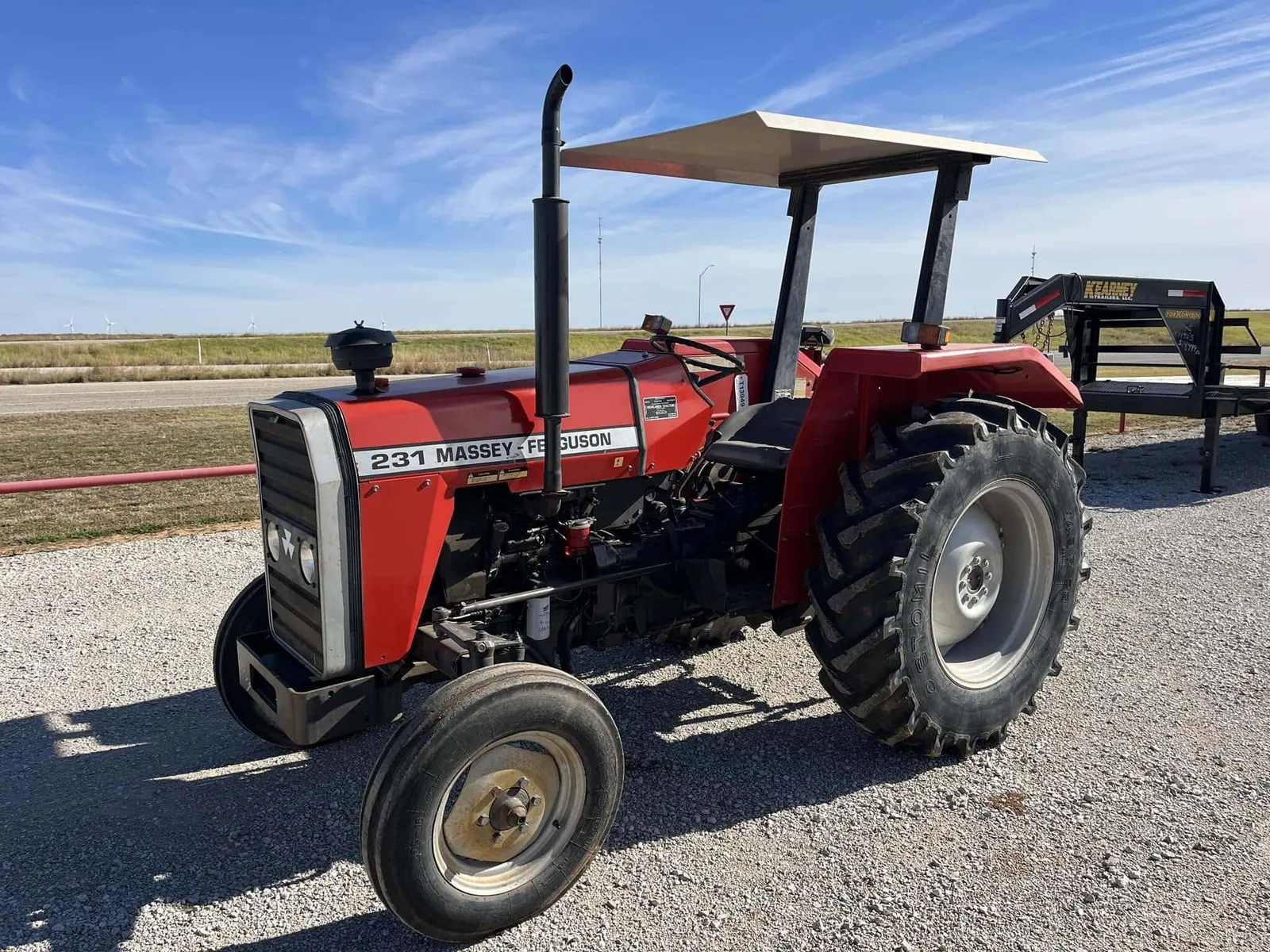
Overheating is a common risk when working in dusty conditions or during heavy summer haying operations. The radiator core on the 231 acts as a magnet for chaff and dust, which restricts airflow and forces the engine to run above its optimal operating temperature. If the gauge needle enters the red zone, stop the engine immediately to prevent a blown head gasket.
- Use compressed air to blow out the radiator fins from the back side toward the front.
- Check the fan belt tension; it should have about 0.5 inches of deflection when pressed firmly with your thumb.
- Inspect the thermostat housing for signs of coolant weeping, which indicates a failing seal or a stuck-closed thermostat.
If the engine continues to run hot after cleaning the radiator, the coolant itself may be too old to transfer heat efficiently. Drain the radiator and engine block, then refill it with a fresh 50/50 mix of ethylene glycol and distilled water. Never open the radiator cap while the engine is hot, as the pressurized steam can cause severe burns.
Fuel System Restrictions
Fuel starvation causes the engine to lose power or die completely when you’re working under a heavy load. The 231 uses a gravity-fed or lift-pump system that’s sensitive to even minor debris in the tank or fuel lines. If the engine sputters, the first thing to check is the sediment bowl for water or sediment buildup.
Replace the fuel filter every 250 hours of operation to keep the injection pump clean. If you operate in dusty conditions, cut this interval to 150 hours to prevent premature wear on the injector tips.
Ensure the fuel tank vent is clear. A plugged vent creates a vacuum that stops fuel from flowing to the engine. You can test this by loosening the fuel cap while the engine is running; if the power returns immediately, the cap vent is obstructed.
Check the fuel lines for tiny cracks that allow air to enter the system, which causes rough idling. If the engine runs fine at high RPM but stalls at idle, you likely have a small air leak in the suction side of the fuel line.
If you have replaced the filter and the engine still stalls, the fuel lift pump may have a torn internal diaphragm. This part is inexpensive but requires careful handling to ensure the fuel lines are re-seated without leaks. If you notice diesel leaking from the pump housing, tighten the connections first. Don’t overtighten, as this can easily strip the aluminum threads.
Other Common Mechanical Concerns
Clutch Slippage: If the engine revs up but the tractor doesn’t gain speed, your clutch disc is likely worn thin. This requires splitting the tractor in half, which is a major shop task. If you detect a burning smell alongside the slippage, stop immediately to prevent warping the pressure plate, which adds hundreds in parts costs.
Brake Fade: Mechanical drum brakes lose their bite over time. Adjust the linkage rods at the rear axle to take up the slack. If the pedal travels more than two inches before resistance begins, the shoes are likely worn to the metal and must be replaced. Ignoring this forces the cam to over-rotate, potentially locking the assembly.
Tire Dry Rot: Sidewall cracking is common on older units. If the cracks reveal the inner cord, replace the tires to avoid a blowout while carrying heavy implements. If the cracks are only surface deep, apply a rubber conditioner to prevent further oxidation.
Selecting the Right Maintenance Path

Deciding whether to perform these repairs yourself depends on your access to heavy lifting equipment and specialized tools. If you possess a basic set of wrenches and a clear workspace, you can handle fluid changes, filter replacements, and electrical cleaning yourself. These routine tasks prevent the most common breakdowns and keep the tractor running for thousands of hours.
However, if the repair requires splitting the tractor to reach the clutch or rebuilding the internal hydraulic pump, you need a hydraulic floor jack, jack stands, and a sturdy engine hoist. If you don’t have these tools, attempting these deep repairs is dangerous and can lead to injury.
For complex internal engine or transmission work, it’s safer to consult a professional shop. Combining these tasks is often possible, but picking one major repair at a time ensures you don’t get overwhelmed by parts and loose bolts.
Related guides
- Aqua Genie Skimmer Problems: 3 Common Causes and Fixes in 2026
- Pentair Globrite Problems: Top 10 Issues and Complaints in 2026
- Pentair IntelliBrite 5G Problems: How to Spot and Fix Them in 2026
Frequently Asked Questions
Does the tractor need a specialized mechanic for all repairs?
No, you can handle most routine maintenance like oil changes and filter replacements yourself. Only complex internal transmission or engine work requires a professional technician who has the proper lifting equipment and diagnostic tools.
What causes the hydraulic lift to be jerky?
Jerky movement is usually caused by air in the system or low hydraulic fluid levels. Check your fluid level first, and if that doesn’t fix it, inspect the suction lines for any cracks that might be pulling air into the pump.
How often should the fuel filter be changed?
You should change the fuel filter every 250 hours of operation to maintain engine performance. If you operate in very dusty conditions, you might need to change it more often to prevent fuel starvation under load.
Is it safe to operate with a worn clutch?
No, operating with a slipping clutch will eventually cause it to fail completely, which can leave you stranded in the field. It also risks damaging the flywheel, which makes the eventual repair much more expensive.
What happens if I ignore overheating signs?
Ignoring high temperature readings will likely lead to a blown head gasket or warped cylinder head. These repairs are significantly more costly than simply cleaning the radiator or replacing a faulty thermostat.
Does the age of the tractor matter for parts availability?
Yes, parts for the 231 are generally available through aftermarket suppliers, but some specific trim or sheet metal parts may be harder to find. Always keep your serial number handy when ordering parts to ensure you get the right fit for your specific year of manufacture.
Conclusion
Start your maintenance by checking the engine oil and hydraulic fluid levels before you attempt any work. If the fluid levels are correct and the machine still fails to operate, look for loose electrical connections or clogged filters as the next likely culprits. If you hear loud grinding noises from the transmission or see metal shavings in the oil, stop using the tractor immediately and call a professional mechanic to prevent total engine failure.
