
If you find your lg dryer not heating, the most likely cause is a tripped circuit breaker or a blocked exhaust vent. Before assuming a mechanical failure, ensure your home’s power supply is stable and that air can move freely through the machine. When a dryer runs but produces only cold air, it’s almost always a simple issue with the power source or the airflow path rather than a broken internal motor or drum.
Troubleshoot your dryer heating issues
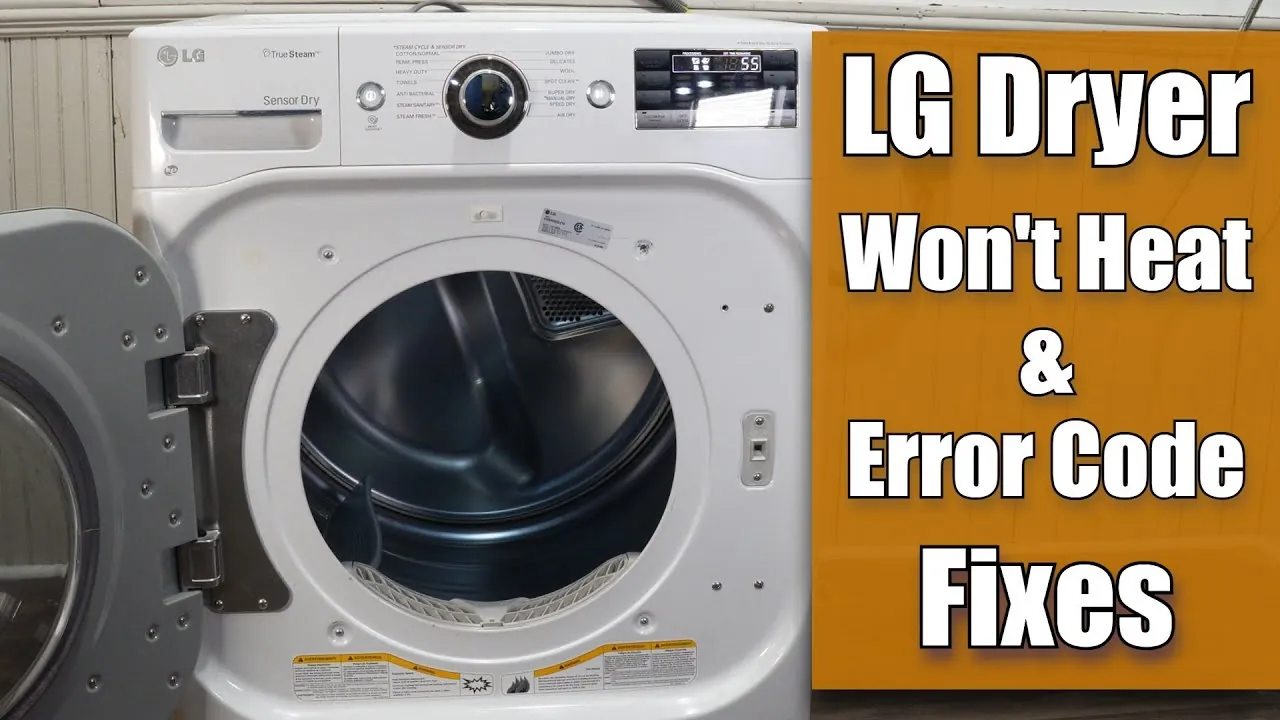
The primary reason for a lack of heat is an interruption in the electrical supply. LG dryers require a dual-breaker connection to function. If one breaker trips, the drum will continue to spin, but the heating element won’t receive power. You should check your home’s main electrical panel for tripped switches, but never test the internal wiring yourself; call a technician.
Another frequent culprit is restricted airflow caused by lint buildup. Modern dryers use sensors to detect heat levels; if the exhaust vent is clogged, the air can’t circulate, and the machine’s thermal safety switch will shut off the heating element to prevent a fire. This is a crucial safety feature. If your vent is blocked, the dryer will run for the full cycle but the clothes will remain damp and cold.
Finally, consider the gas supply if you have a fuel-powered model. If the gas valve is closed or the pilot light has failed, no heat will be generated. Always check that the gas supply line behind the unit is fully open and that the valve handle is parallel to the pipe.
Check the electrical breakers
If your dryer spins but stays cold, start by inspecting the dual-pole circuit breaker in your home’s breaker box. This is the most common point of failure for electrical heating issues. If you see one of the two switches in the middle position, it has tripped.
To reset it, flip the switch firmly to the “off” position and then back to the “on” position. If it trips again immediately, don’t force it, as this indicates a short circuit that requires a professional electrician.
Many homeowners mistakenly assume that if the dryer drum rotates, the breaker must be functioning correctly. This is false. A dryer requires two 120-volt lines to produce heat; if one leg of the dual-pole breaker fails, the motor will still run on the remaining power, but the heating element will remain dormant.
If the breaker appears normal but the heat doesn’t return, stop your efforts here. Electrical systems carry a risk of shock, and you should call a qualified technician to verify the voltage at the wall outlet. Never attempt to open the dryer cabinet yourself to inspect internal wires or heating coils.
Clear the exhaust vent
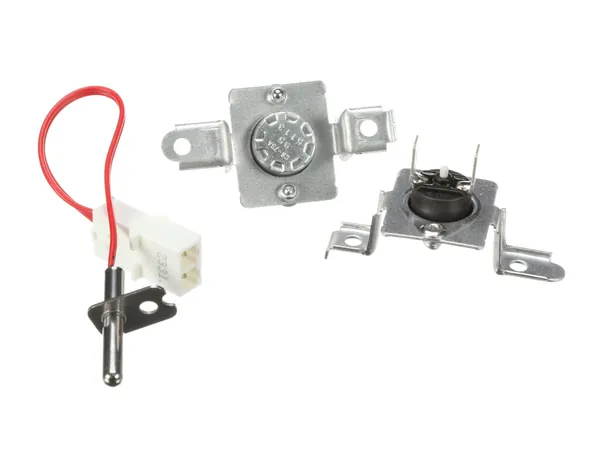
Restricted airflow is a major cause of heating failure because it tricks the dryer into thinking it’s overheating. Pull the dryer away from the wall and disconnect the flexible vent hose from the back of the machine. Check the hose for any visible clogs, lint balls, or sharp bends that might stop air from escaping. If you find a significant amount of lint, vacuum it out using a hose attachment.
If the hose feels heavy or rigid, it’s likely packed with hardened lint that a vacuum can’t reach. In this case, replace the flexible hose entirely with a semi-rigid aluminum duct. Avoid using plastic or foil hoses, as these trap lint easily and pose a significant fire hazard.
After cleaning the hose, inspect the exterior vent hood on the outside of your house. Ensure the flaps open freely when the dryer is running and aren’t blocked by debris, bird nests, or landscaping. If the air coming out of the vent is weak, the blockage is likely deeper inside the wall duct.
If you can’t feel a strong, steady breeze at the exterior hood while the dryer runs on a high-heat cycle, you have a deep obstruction. Hire a professional vent cleaning service rather than attempting to clear long, inaccessible ducts yourself, as specialized brushes are needed to avoid damaging the vent wall.
Evaluate the gas supply
If you have a gas dryer, the heat source relies on a consistent flow of fuel. Locate the gas shut-off valve, which is usually a yellow or silver handle on the pipe near the floor behind the unit. If the handle is perpendicular to the pipe, the gas is off. Turn it until the handle is parallel to the pipe to restore flow. If you smell gas at any point, leave the area immediately and contact your utility provider.
Gas dryers also require a steady supply of air for combustion. Ensure the room where the dryer is located has adequate ventilation and isn’t sealed off from the rest of the house. A common mistake is stacking laundry or storage bins against the back of the machine, which can choke the intake. If the gas supply is verified as “on” and there’s no blockage in the vent, the issue may be a faulty igniter or gas valve solenoid.
You can distinguish these failures by listening during the cycle. If you hear a distinct click but no heat follows, the igniter is likely broken. If you hear no click at all, the solenoid has likely failed. These parts require specific diagnostic tools and mechanical knowledge to replace safely.
At this stage, it’s best to contact an authorized LG service technician to perform the repair. Attempting this work yourself without a calibrated gas leak detector creates a significant fire and explosion risk to your home.
Avoid these common mistakes
Replacing parts before checking the vent is a common error. Many homeowners buy expensive heating elements when the real problem is just a clogged duct. If you feel cool air at the exterior exhaust hood while the dryer runs, the duct is clear. If the air is stagnant, you have a blockage.
Assuming that because the dryer drum spins, the power is fine is a dangerous mistake. Dryers use a dual-breaker system where the motor and heating element operate on different circuits. If one breaker trips, the drum will tumble cold clothes indefinitely. Always check both breakers in your panel, but never attempt to test the internal electrical components yourself; call a professional.
Using thin, plastic vent hoses invites disaster. These sag and kink, restricting airflow and forcing the dryer to cycle its thermal fuse. Replace these with rigid or semi-rigid metal ducting. Finally, never fill the drum past the halfway mark. Overloading prevents air from circulating, which ruins efficiency.
Prevent future heating failures
| If you’re doing this | Do this instead | Why |
|---|---|---|
| Ignoring lint buildup | Clean the lint trap every load | Prevents airflow restriction |
| Using a long, twisted vent | Use a short, rigid metal duct | Reduces friction and blockages |
| Ignoring damp clothes | Clean the exterior vent yearly | Prevents thermal switch trips |
| Forcing the breaker back on | Call a pro if it trips twice | Avoids electrical fire risks |
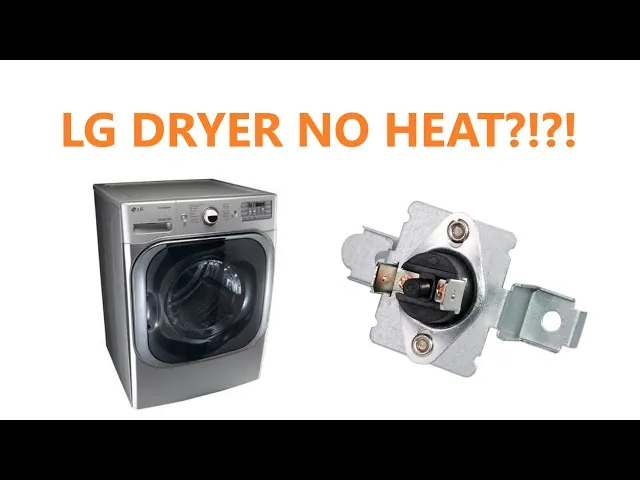
Lint buildup causes the internal high-limit thermostat to cycle prematurely. If your dryer stops mid-cycle but restarts after cooling, you have likely triggered this safety switch.
Rigid metal ducting should never exceed 25 feet in total length. Subtract five feet for every 90-degree elbow you install.
If you can’t see light through the exterior vent flap, the blockage is severe enough to cause a fire.
Never reset a tripped circuit breaker more than once. If the breaker clicks off again, the dryer is drawing excessive current due to a shorted motor or a failing heating element. Continuing to force the switch causes permanent damage to your home’s electrical panel.
Frequently asked questions
Can I fix a broken heating element myself?
You shouldn’t attempt to replace a heating element unless you have formal training. Always hire a certified technician for internal repairs to ensure the work meets safety standards and to keep your home protected from fire hazards.
How long should it take for my dryer to heat up?
Your dryer should begin producing noticeable heat within 2 to 3 minutes of starting a cycle. If the air is still cold after 5 minutes, the heating circuit isn’t engaging. If you wait longer than 5 minutes and the air remains room temperature, stop the cycle and check the circuit breaker or vent.
Is it safe to run the dryer with a blocked vent?
It isn’t safe to operate a dryer if you know the vent is blocked. A blocked vent causes internal temperatures to rise rapidly, which can ignite trapped lint and cause a house fire. If your clothes aren’t drying or the machine feels unusually hot, stop using it immediately until the vent is cleared.
Why does my dryer spin but not heat?
The dryer spins but doesn’t heat because the motor and heating element use different power requirements. The motor runs on 120 volts, while the heating element requires 240 volts provided by two separate circuit breakers. Check your electrical panel to ensure both switches are fully in the “on” position.
How often should I clean my dryer vent?
You should clean your dryer vent at least once every 12 months to maintain proper airflow. If you do several loads of laundry every week or have a long, winding vent path, you may need to clean it every 6 months. This prevents clothes from taking longer to dry and keeps the machine cool.
Conclusion
If these simple checks don’t solve the problem, it’s time to reach out to a professional technician. They’ll have the right tools to inspect the heating element or thermal fuse safely. Don’t hesitate to call for help, as you shouldn’t have to deal with damp laundry for another day.
