
When you’re working on a plumbing project or a DIY irrigation setup, having the right tool is the difference between a clean, leak-free connection and a frustrating afternoon of re-cutting jagged edges. Finding the best pvc pipe cutters involves understanding your specific workload, as these tools range from simple, inexpensive handheld shears to robust, ratcheting models designed for heavy-duty professional use. Prices for these tools typically fall in the range of $12 to $85, depending on the cutting capacity, the build material, and the mechanical advantage provided by the design.
Key Takeaways
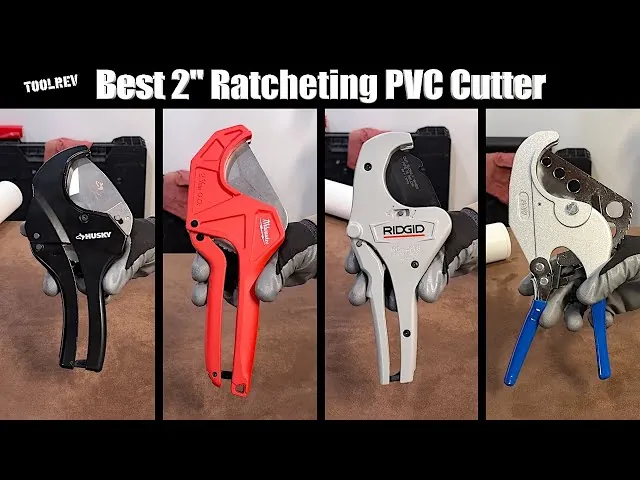
- Choose ratcheting cutters for pipes larger than one inch to reduce physical strain.
- Always ensure your blade is sharp; a dull blade will crush or crack the PVC rather than slicing through it.
- Use a reaming tool or sandpaper to deburr the edges after every cut for a proper solvent weld.
- Consider the maximum diameter capacity of the tool before purchase to avoid damaging the mechanism.
- Keep the pivot points of your tool lubricated to ensure smooth, efficient operation over time.
How Do You Choose the Right Cutter?
Selecting the ideal tool depends on how frequently you perform plumbing tasks and the diameter of the piping you handle. For light-duty tasks around the house, a simple spring-loaded shear is often sufficient. However, if you’re installing a complete sprinkler system or working with Schedule 80 PVC, you’ll need a heavy-duty ratcheting cutter. These tools use a gear-driven mechanism to move the blade through the pipe in incremental stages, requiring significantly less hand strength to complete the cut.
Understanding Cutting Mechanisms
There are three primary types of cutters on the market. Handheld shears operate much like scissors, relying on the user’s grip strength. Ratcheting cutters use a cam-driven system that locks the blade in place after each squeeze, preventing the pipe from slipping and allowing you to cut through thicker walls. Finally, power-assisted cutters, often attachments for cordless drills, are designed for high-volume work where speed and repetitive cutting are required.
| Tool Type | Best For | Typical Price Range |
|---|---|---|
| Spring-Loaded Shears | Thin PVC/PEX, quick cuts | $12 – $25 |
| Ratcheting Cutters | Standard PVC (up to 2″), DIY | $25 – $55 |
| Heavy-Duty Ratcheting | Thick Wall/Schedule 80 | $55 – $85 |
Which Features Ensure a Clean Cut?
A clean, square cut is essential for a secure bond when using PVC cement. If the edge is beveled incorrectly or cracked, the joint may leak under pressure. Look for a V-shaped blade design, which helps center the pipe and ensures the force is applied evenly across the surface. A stainless steel or high-carbon steel blade is preferred, as these materials hold an edge longer and resist corrosion when exposed to damp environments.
Blade geometry is the most critical factor for performance. A thin, replaceable blade allows you to maintain the tool’s effectiveness indefinitely. If you’re working in tight spaces, such as inside a wall cavity or under a sink, look for a tool with a compact swing radius. This allows you to rotate the cutter in small increments, which is vital when you don’t have the clearance for a full-circle swing.
Are Ratcheting Cutters Worth the Price?
For anyone working with pipes exceeding one inch in diameter, the answer is a definitive yes. The ratcheting action allows you to apply force in short, controlled bursts. This prevents the “crush” effect that often happens with cheaper, non-ratcheting tools, where the pipe wall collapses before the blade can fully penetrate the material.
Mechanical advantage is the primary benefit here. By utilizing a gear-tooth design, these tools multiply the force of your hand. This not only makes the work easier but also provides a safer experience. When you aren’t fighting to force a blade through a tough piece of plastic, you’re less likely to experience a slip that could lead to injury.
How to Maintain Your PVC Cutters
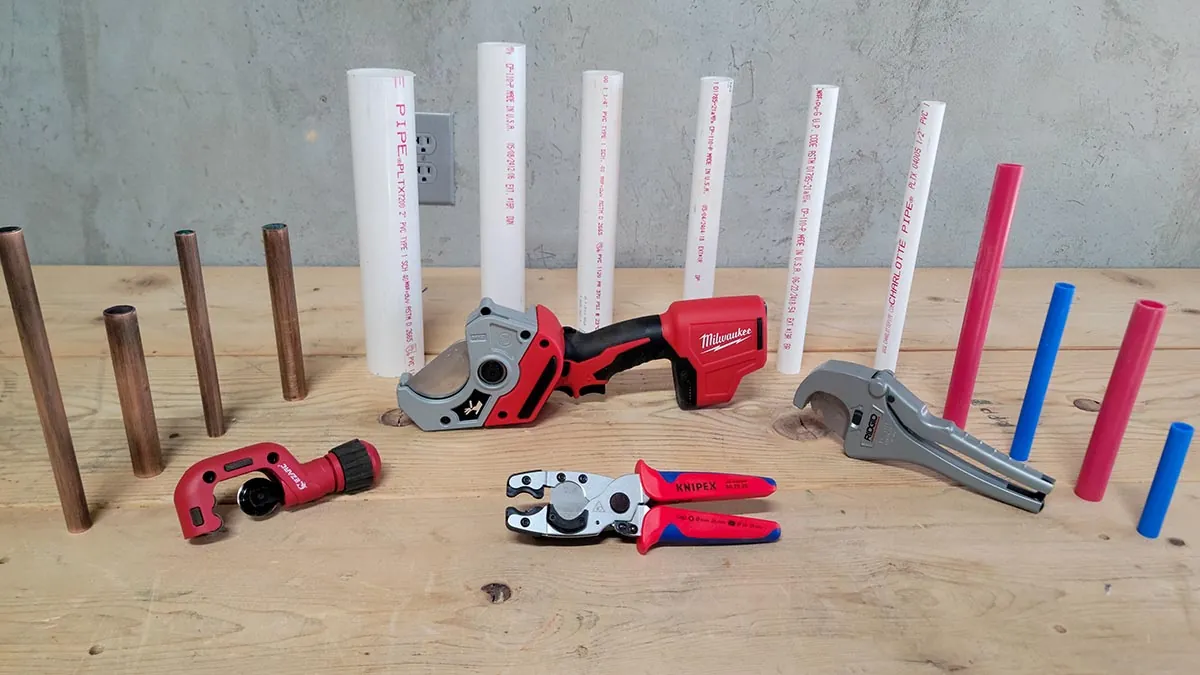
Even the best tool will fail if it’s neglected. After each job, wipe the blade clean with a dry cloth to remove plastic shavings and debris. PVC dust can be abrasive and, if left in the ratcheting mechanism, will cause the teeth to wear down prematurely.
Lubrication maintenance is essential for longevity. A light application of silicone-based spray on the pivot pins and the ratcheting gears will keep the action smooth. Never use heavy grease, as this tends to attract dirt and grit. If the blade becomes dull, check if the manufacturer offers replacement blades. Replacing just the blade is significantly cheaper than buying an entirely new tool and is standard practice for professional plumbers.
Essential Tools for Plumbing Success
Beyond the cutter itself, you should have a few other items to ensure your work meets the National Sanitation Foundation standards for plumbing materials. A deburring tool or a piece of medium-grit sandpaper is non-negotiable. After you cut the pipe, there will almost always be a small ridge or “burr” on the edge. Removing this is vital because it ensures the pipe slides fully into the fitting, creating the necessary surface area for the chemical weld to hold.
Must-Have Complementary Items
- Deburring tool: Used to smooth out rough edges after cutting.
- Medium-grit sandpaper: An inexpensive alternative for cleaning pipe ends.
- PVC Primer and Cement: The chemical agents required for a permanent seal.
- Pipe stand or vice: Keeps the pipe stable while you’re measuring and marking.
- Marker: For precise measurements to ensure your cuts are accurate.
Common Mistakes to Avoid
The most frequent error is trying to cut the pipe too quickly. Regardless of the tool, PVC is a brittle material. If you force the blade through in one rapid squeeze, you increase the risk of the pipe shattering, especially in cold weather. Always take your time, allowing the blade to do the work. If you feel excessive resistance, back off the blade and start the cut again, or rotate the pipe slightly to distribute the pressure.
Environmental factors play a role as well. PVC becomes much more brittle at temperatures below 40 degrees Fahrenheit. If you’re working outdoors during the winter, keep your PVC pipes in a warmer location until you’re ready to cut. If you must cut in the cold, use a fine-tooth handsaw instead of a shear-style cutter to prevent the material from cracking under the pressure of the blade.
How Do You Use the Tool Safely?
While these tools are generally safer than power saws, they still pose risks. Always keep your fingers away from the cutting path. When using a ratcheting cutter, keep your palm on the handle and your fingers wrapped securely around the grip. Never attempt to “force” a cut if the pipe is too large for the tool’s capacity. If the blade doesn’t seat properly on the pipe, the tool may slip, potentially damaging the pipe or your work surface.
What Are the Best Brand Options?
When evaluating brands, look for companies with a long history in the plumbing or hand tool industry. These companies usually provide better access to replacement parts and have more reliable warranty programs.
- Ridgid: Known for professional-grade tools; excellent for frequent, heavy-duty use.
- Milwaukee: Offers high-quality ratcheting cutters that are built to withstand job-site abuse.
- Kobalt: A reliable choice for DIY enthusiasts; offers good value and is widely available.
- General Tools: Specializes in precision measurement and cutting tools for various trades.
- Superior Tool: Often features innovative designs for specialized plumbing tasks.
| Brand | Recommended Model Type | Best Usage Case |
|---|---|---|
| Ridgid | RC-1625 Ratcheting | Professional plumbing, daily use |
| Milwaukee | 48-22-4203 Ratcheting | Heavy-duty, job-site reliability |
| Kobalt | 2-inch Ratcheting Shear | Home DIY, sprinkler installation |
| General | PVC/PEX Shear | Occasional household repairs |
Troubleshooting Common Cutting Issues
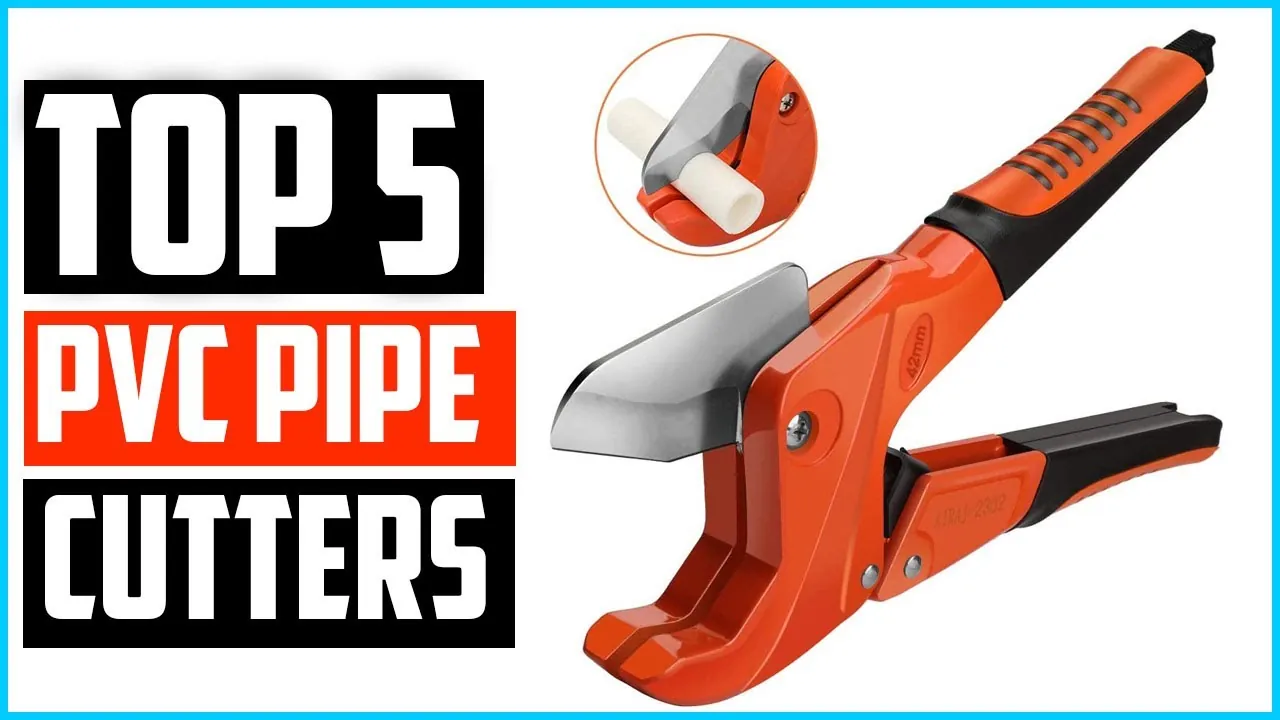
If your cuts are consistently crooked, the problem is usually user error related to the starting point. When you begin a cut, ensure the blade is sitting perfectly perpendicular to the pipe surface. If the blade enters at an angle, it will “track” that angle through the entire cut. To correct this, mark a straight line around the pipe with a marker and align the blade precisely on that line before applying pressure.
If the blade is sticking halfway through the cut, your tool may be under-lubricated or the blade may be dull. Check for any plastic buildup in the gear teeth. If the tool is clean, inspect the blade for nicks. A small nick in the blade will grab the pipe wall, causing the tool to bind. If you find a nick, it’s time to replace the blade to avoid damaging your materials.
Frequently Asked Questions
Can I use these for metal pipes?
No, you should never use PVC cutters on metal pipes. PVC cutters are designed for the specific density and flexibility of plastic. Using them on copper, steel, or even soft aluminum will immediately dull or shatter the blade and likely break the ratcheting mechanism. Always use a dedicated metal pipe cutter or a hacksaw for metallic piping materials.
How do I know when the blade is dull?
You’ll notice that you have to apply significantly more force than usual to complete a cut. Additionally, the cut edge will appear ragged, frayed, or “chewed” rather than smooth. If you find yourself having to “saw” back and forth with a ratcheting tool, the blade has lost its edge and needs to be replaced to prevent damaging the pipe.
What is the maximum diameter I can cut?
Most standard ratcheting cutters are designed for a maximum diameter of 1-5/8 inches to 2 inches. Always check the manufacturer’s packaging for the specific tool’s capacity. Exceeding this limit will put extreme stress on the pivot points and the handle, leading to tool failure. For pipes larger than 2 inches, you should transition to a professional-grade power cutter or a specialized saw.
Do I need to sharpen the blade?
Generally, it’s more effective to replace the blade than to sharpen it. Because these blades are often made of hardened steel and have specific bevel angles, hand-sharpening them often ruins the geometry. Most manufacturers sell affordable replacement blades that are easy to install, ensuring that your tool returns to factory-fresh performance without the risk of an uneven or ineffective manual sharpening job.
Why is my pipe cracking during the cut?
Cracking usually occurs if the pipe is cold, the blade is dull, or you’re applying pressure too rapidly. PVC is brittle, and a slow, steady, ratcheting motion is necessary to allow the blade to displace the material. If the pipe is cold, bring it to room temperature before cutting. If the blade is sharp and the pipe is warm, slow down your squeezing pace.
Conclusion
When you’re ready to start your project, take a moment to measure your pipe diameters and confirm which tool capacity suits your specific needs. Selecting the right cutter will save you time and ensure that your plumbing joints remain tight and secure for years to come. Visit your local hardware store to inspect the grip and weight of a few models before making your final selection.