
Common mechanical issues with the caterpillar 3116 problems often involve fuel system leaks, cooling system inefficiencies, and premature wear of the unit injectors. These engines are widely used in marine and heavy equipment applications, but they require strict adherence to maintenance schedules to remain reliable. The primary difference between these units is their specific application, as marine versions often face different heat load profiles compared to those found in industrial earthmoving machines.
Engine component comparison
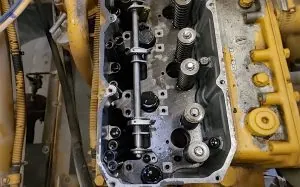
This engine is used across various platforms, but its performance depends on the specific configuration and maintenance history of the unit. The table below outlines the primary areas where operators frequently experience technical difficulties.
| Component | Common Issue | Typical Result |
|---|---|---|
| Unit Injectors | Seal degradation | Fuel dilution in oil |
| Cooling System | Cavitation erosion | Cylinder liner pitting |
| Fuel Lines | O-ring failure | Hard starting conditions |
| Turbocharger | Bearing wear | Reduced boost pressure |
Check your oil levels every 250 hours. If you notice the oil viscosity thinning or a rising dipstick level, replace the injector seals immediately to prevent catastrophic bearing failure.
Operators often mistake cooling system cavitation for simple corrosion. If you see pinholes in the liner walls, flushing the system is insufficient. You must add supplemental coolant additives to maintain the protective chemical film.
If the engine struggles to turn over after sitting idle, inspect the fuel line O-rings first. A tiny air leak here costs you hours of diagnostic time. If the engine starts fine but loses power under heavy load, investigate the fuel supply, air intake, and turbocharger system. A slight whine during spool-up is your final warning before a total shaft seizure.
Unit injector failure
The unit injector system is a critical part of the engine, but it’s also the most frequent point of failure. These injectors rely on specific O-ring seals to separate the fuel gallery from the engine oil. When these seals harden or crack, fuel leaks directly into the lubrication system. You can detect this by checking the oil level; if it rises over time or smells strongly of diesel, you must address the injector seals immediately.
- Fuel dilution reduces the viscosity of your engine oil, which leads to increased friction on the crankshaft bearings.
- Engine oil pressure drops significantly when the oil is thinned by diesel fuel, risking internal mechanical damage.
- Injector timing can drift if the internal springs lose their tension, causing uneven combustion across the cylinders.
If you notice your oil level rising, don’t run the engine under a heavy load. Replace the injector O-rings and perform a full oil change to ensure the lubrication system is clean. A professional technician should calibrate the injectors using the Caterpillar engine performance specifications to ensure they operate within the factory-set pressure ranges for your specific serial number.
Cooling system cavitation
Cooling system issues in these engines often stem from a lack of proper chemical additives in the coolant. The 3116 engine uses wet cylinder liners, which are susceptible to vibration-induced cavitation. If the coolant doesn’t contain the correct concentration of Supplemental Coolant Additives, tiny bubbles form and implode against the liner wall. This creates microscopic pits that eventually breach the cylinder, leading to coolant loss and potential hydrolock.
- Check the coolant chemical balance every 250 hours of operation to ensure the protective layer remains active.
- Use a refractometer to measure the concentration of glycol and additives, rather than relying on visual color checks.
- Replace the coolant filter at every oil change interval to trap debris that might accelerate the erosion process.
If the engine temperature rises rapidly under normal load, check the radiator for blockage or a failing thermostat. If you see white smoke from the exhaust, this indicates that coolant is entering the combustion chamber. Stop the engine immediately to prevent catastrophic internal damage. This isn’t a task for an amateur, as it requires specialized tools to pull the cylinder liners and inspect the block for pitting.
Fuel system air leaks
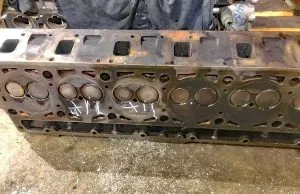
Air entering the fuel supply lines is a common cause of hard starting or rough idling in these engines. The fuel system is designed to maintain positive pressure, but loose fittings or damaged supply hoses allow air to enter the circuit. This makes the engine struggle to build the necessary pressure to fire the injectors, especially after the unit has been sitting idle for several hours.
- Examine all fuel line connections for wet spots or signs of dampness that indicate a slow leak.
- Check the manual fuel priming pump for internal leaks that might allow air to bypass the check valves.
- Ensure the fuel filter housing is seated correctly, as a pinched gasket at the filter base is a frequent mistake.
If the engine runs smoothly but stalls when you increase the throttle, the fuel lift pump is likely failing to supply enough volume. You should test the fuel pressure at the secondary filter housing using a calibrated gauge. If the pressure drops below the range listed in your engine manual, replace the lift pump. This simple check saves the cost of replacing perfectly functional injectors that were simply starved of fuel.
Turbocharger and boost issues
Turbocharger problems usually manifest as a loss of power or heavy black smoke during acceleration. The 3116 turbo relies on clean oil for lubrication, and any delay in oil changes leads to sludge buildup in the center housing. This restricts the rotation of the turbine shaft, causing the engine to lack the necessary air for complete combustion.
- Listen for a high-pitched whining sound, which suggests the turbine wheel is hitting the housing due to worn bearings.
- Inspect the intake piping for oil residue, which indicates that the turbocharger’s internal oil seals have failed.
- Verify that the wastegate actuator moves freely, as a stuck actuator prevents the engine from hitting its target boost level.
If you find oil in the intake manifold, the turbocharger must be rebuilt or replaced before it suffers a total failure. Running an engine with a damaged turbo increases exhaust gas temperatures, which can melt pistons or damage the exhaust valves. If you lack the equipment to balance a turbocharger shaft, don’t attempt to rebuild it yourself. Send the unit to a certified shop for a professional overhaul.
Other mechanical considerations
- Valve Lash Adjustment: The valves on these engines require periodic adjustment to maintain efficiency. If you hear a loud ticking sound from the valve cover, the clearance is likely too loose, which causes premature wear on the rocker arms and cam lobes.
- Engine Mount Wear: Vibration is common in these engines if the rubber mounts become oil-soaked or cracked. Inspect these mounts regularly for oil saturation or cracking, and replace them if they show signs of degradation.
- Electrical Grounding: Many “sensor” errors are actually poor ground connections. Check the main engine harness ground strap for corrosion, as a weak ground causes erratic readings on electronic monitoring systems and can lead to false diagnostic codes.
Choosing the right maintenance path for Caterpillar 3116 problems

Deciding how to handle these issues depends on your access to specialized tools and your mechanical experience. If you own the necessary diagnostic gauges and have experience working with diesel fuel systems, you can perform routine tasks like checking fuel pressure or replacing O-rings. However, if the issue involves internal components like cylinder liners or crankshaft bearings, you should contact a professional mechanic.
For operators who use their equipment daily, a preventive maintenance schedule is the only way to avoid these problems. If you operate in a dusty environment, increase the frequency of your air filter and fuel filter changes by 20%. If you operate in a high-heat climate, perform your coolant additive checks twice as often as the manual suggests. These actions aren’t optional if you want to avoid the high cost of a full engine teardown.
Related guides
- Aqua Genie Skimmer Problems: 3 Common Causes and Fixes in 2026
- 8 Best Swamp Cooler Picks for Effective Home Cooling
- 9 Best Portable Air Conditioners for Garage Cooling Picks
Frequently asked questions
How often should I check the injector seals?
You should check the fuel dilution in your oil every 250 hours of operation. If the oil level on the dipstick is rising or the oil has a thin, watery consistency, your injector seals have likely failed. Don’t wait for the next scheduled service interval, as running the engine with diluted oil will cause rapid wear on the main and rod bearings.
What is the cause of black smoke?
Black smoke is caused by an incomplete combustion process, usually due to a lack of air or too much fuel. Check your air filter for blockages and inspect the turbocharger for signs of failure or restricted boost pressure. If the air intake system is clean, the issue is likely an over-fueling condition caused by a faulty injector that’s stuck in the open position.
Is it safe to operate with a minor coolant leak?
It isn’t safe to operate with a coolant leak because these engines rely on consistent thermal regulation to prevent liner pitting. A minor leak can quickly turn into a major loss of pressure, leading to localized overheating and cracked cylinder heads. Identify the source of the leak, whether it’s a hose, a radiator seam, or a water pump seal, and repair it before running the machine again.
Why does my engine struggle to start after sitting?
Hard starting after the engine has been sitting for several hours is a classic sign of an air leak in the fuel supply line. When the engine is off, air enters the line and replaces the fuel, meaning the pump must work to bleed the system before the injectors can fire. Check all fuel line fittings and the fuel filter base gasket for signs of seepage.
Does the engine oil grade matter?
Yes, using the correct oil grade is critical for the longevity of the 3116 engine components. Always use the viscosity and API rating specified in your operator’s manual, as modern oils are formulated to handle the high soot loads produced by these mechanical injectors. Using the wrong oil can cause the injector O-rings to degrade faster than they would with the recommended fluid.
What happens if I ignore the coolant additives?
Ignoring coolant additives will lead to cavitation erosion of the cylinder liners, which causes coolant to leak into the combustion chamber. This leads to a condition known as hydrolock, where the piston can’t complete its stroke because the cylinder is full of liquid. Hydrolock will bend connecting rods and destroy the engine block in a matter of seconds, requiring a complete engine replacement.
Conclusion
Start by checking your engine oil level and coolant chemical levels before every shift. You’ll know your maintenance is effective if the oil remains clean and the engine maintains a steady temperature under load. If you notice a sudden drop in power or persistent smoke, stop the machine immediately and consult a qualified technician to prevent minor mechanical issues from becoming a total engine failure.
