
The most common reason for a rinnai water heater error code 12 is a flame failure, meaning the unit can’t light or maintain its burner flame. It’s generally safe to keep the water heater installed, but it won’t provide hot water until the issue is fixed. To confirm this, check if your gas supply valve is fully open and if other gas appliances, such as a stove, are working properly. If those function, the problem likely sits within the heater’s ignition system or its ability to detect the flame.
Rinnai water heater ignition failure
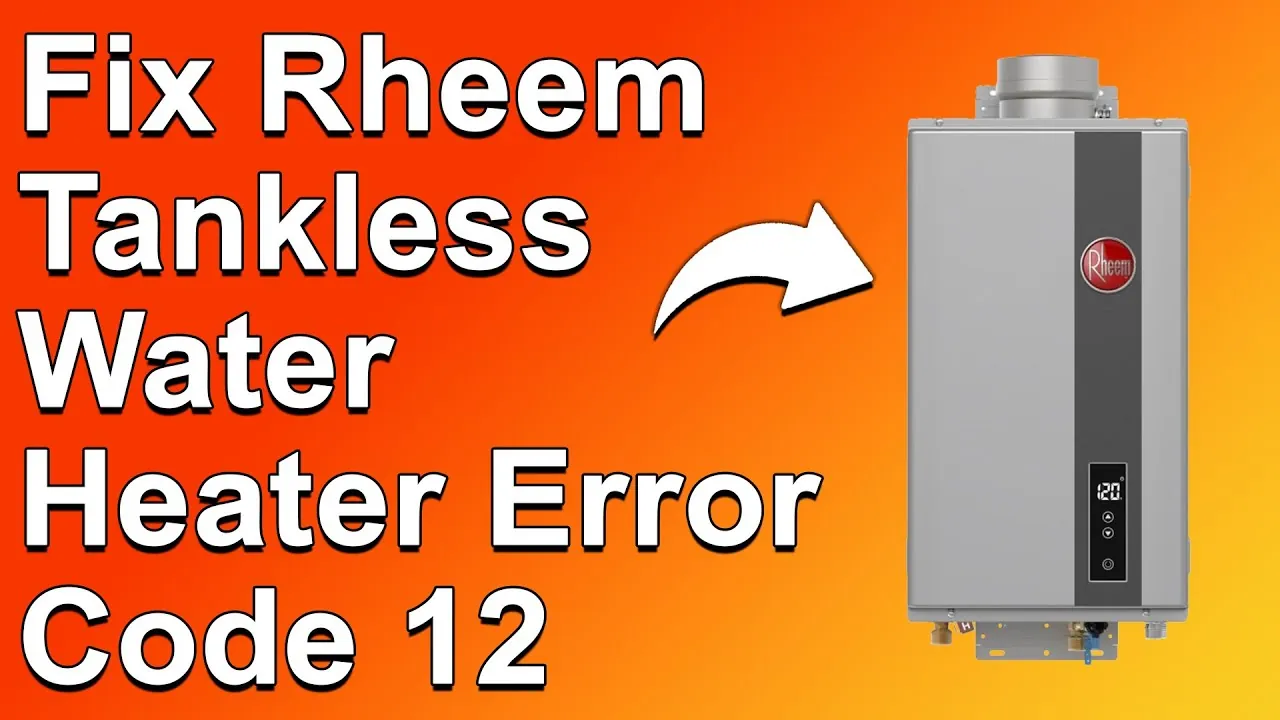
When you see this code, the unit is telling you that it tried to ignite the gas but failed to sense a stable flame. You can use this table to match your specific observation to the likely cause.
| What you notice | What it usually means | What to do first |
|---|---|---|
| Gas smell near unit | Gas supply is leaking | Turn off gas valve |
| Stove burners weak | Low gas pressure | Check gas meter valve |
| Clicks but no fire | Dirty flame rod | Clean the sensor |
| Heavy wind outside | Exhaust blockage | Clear vent debris |
| No power to unit | Blown internal fuse | Check power outlet |
| Loud popping sound | Air in gas line | Bleed the line |
If the flame rod looks dull or coated in white oxidation, use a fine-grit sanding pad to restore the metal surface. Don’t use steel wool, as the stray fibers can cause short circuits.
You can distinguish between a sensor fault and a supply issue by listening to the ignition sequence. If you hear the gas valve click open before the spark occurs, the issue is likely a faulty igniter or a dirty sensor. If the unit remains silent, the control board is likely not receiving the signal to start. Never bypass the safety switch to force ignition. Doing so risks a gas buildup that can lead to a dangerous flare-up upon starting.
Lack of gas flow
A common reason for the system to stop is a simple interruption in the gas supply. If the gas valve near the unit isn’t fully open, the burner won’t receive enough fuel to sustain a flame. Even if the valve appears open, a partially closed supply line at the main meter or a tripped excess flow valve can restrict the volume of gas reaching the burner.
To verify this, turn on a gas burner on your kitchen stove. If the flame is small, yellow, or flickers, your home’s gas pressure is likely too low. If the stove works perfectly, check the manual gas shut-off valve located on the gas pipe leading into your Rinnai unit.
Ensure the handle is parallel to the pipe, which indicates it’s fully open. If the valve was closed, open it slowly to prevent a pressure surge. Once the gas flows, reset the water heater by turning it off and on at the controller.
If the unit still fails to ignite, inspect the gas regulator vent. A blocked vent prevents the diaphragm from moving, which chokes the fuel supply. If you see debris or ice covering the vent, clear it immediately.
When the ambient temperature drops below freezing, moisture inside the regulator can turn into ice, causing a total flow blockage. If the unit ignites and stays on after clearing the obstruction, the issue is resolved. If it remains silent, the gas pressure regulator has likely failed and requires professional replacement to restore safe operation.
Dirty flame sensor
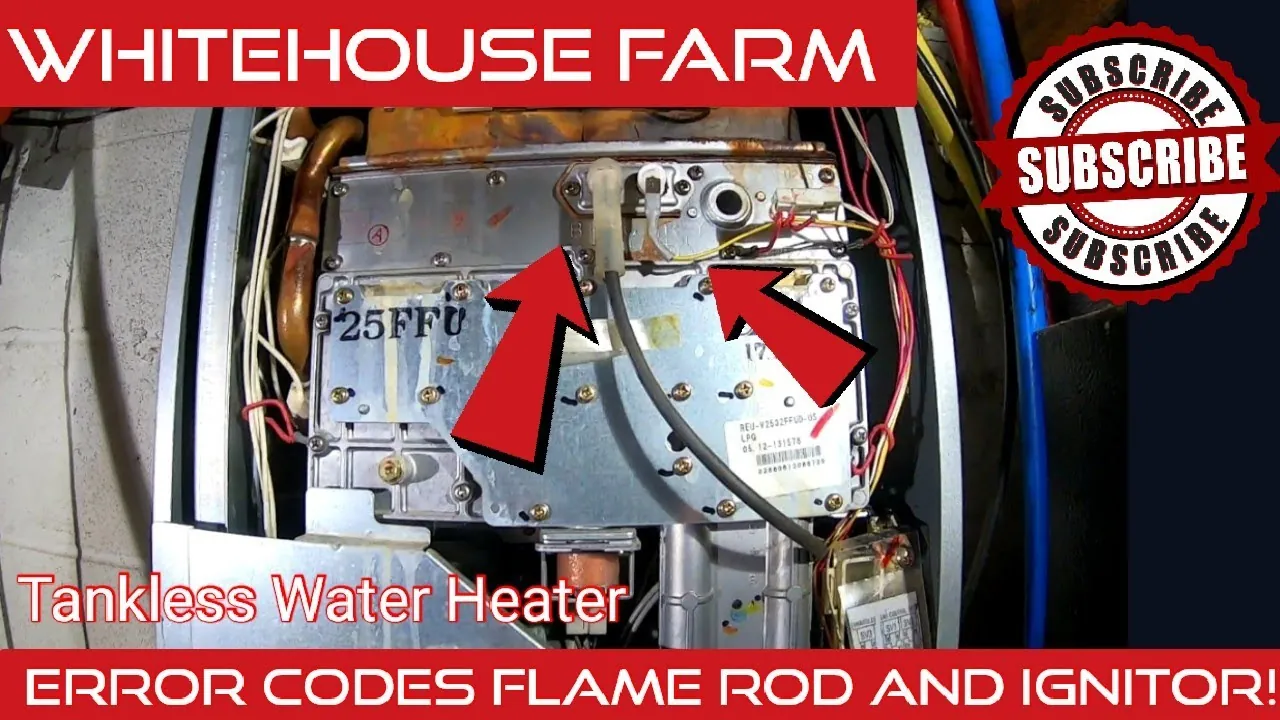
The flame rod is a small metal sensor that detects the heat of the burner flame. Over time, carbon or debris can build up on this rod, preventing it from sensing the fire even when it’s burning. When the controller doesn’t receive a signal from the rod, it shuts off the gas supply as a safety precaution to prevent a buildup of unburned fuel.
Before you begin, turn off the power at the breaker to avoid an electrical shock. You can clean this rod by removing the front cover of the heater. Locate the flame rod, which is usually found near the burner assembly, and gently wipe it with a piece of fine-grit sandpaper or a clean, dry cloth. Don’t use steel wool, as it can leave behind metallic particles that cause further issues.
If the rod looks pitted or the ceramic insulator is cracked, cleaning won’t solve the problem. In these cases, you must replace the component entirely. A common mistake is scrubbing the rod too hard, which can damage the delicate sensor surface. Use only light pressure to remove the oxidation.
Once the rod is clean, replace the cover and restart the unit. If the heater stays running for more than five minutes, the sensor has regained its ability to detect the flame. If the unit still cycles off after cleaning, check the wire connection for corrosion or a loose spade terminal. A secure, clean connection is just as vital as a clean rod.
Blocked venting system
The heater requires a constant flow of fresh air to support combustion and a clear path to exhaust gases. If the intake or exhaust vents are blocked by leaves, bird nests, or ice, the burner won’t get enough oxygen to create a consistent flame. This often happens after high winds or during cold winter months when debris can easily accumulate near the vent terminals.
Check the exterior vent termination point on your home’s wall or roof. If you see physical obstructions, carefully remove them using a soft brush or your hands. Ensure that the vent pipes aren’t sagging or disconnected, as even a small gap can disrupt the air pressure. If the vent pipe has a downward slope toward the heater rather than the exterior, moisture will pool and freeze, causing a total system lockout.
If you find the vent is clear but the unit still shows the error, the air intake screen inside the unit might be clogged with dust. Use a vacuum to carefully remove any visible lint from the screen. If you see heavy dust buildup, you must also inspect the blower wheel for debris. A restricted blower wheel forces the motor to work harder, eventually burning out the capacitor.
If the unit ignites and runs steadily after cleaning, you have restored the necessary airflow. If it fails to stay lit, check the internal pressure switch tubing for cracks. If the tubing is brittle or pinched, the sensor can’t confirm safe venting, and the system will shut down to prevent carbon monoxide buildup.
When to stop and call for help
Sometimes the problem is more complex than a simple cleaning or valve adjustment. You must stop your DIY efforts and contact a licensed plumber or gas technician if you encounter the following:
You smell a strong odor of gas that persists after you turn off the appliance valve. If you detect this scent, evacuate the property immediately and call your utility provider from a safe distance. Don’t flip light switches or use a phone inside the house, as a single spark could trigger an explosion.
The internal wiring appears burned, melted, or disconnected. This indicates a severe electrical short that could cause a fire if power remains connected.
The unit makes a loud, rumbling, or banging noise during ignition. This suggests a dangerous gas pressure imbalance or a delayed ignition event.
The error code returns immediately after a professional cleaning of the flame rod and vent inspection. This confirms a deeper mechanical failure that a simple reset can’t resolve.
You’re required by local law to have a licensed professional perform any work on gas-fired appliances. Violating these codes often voids your homeowner’s insurance policy, leaving you personally liable for any resulting damages.
Don’t attempt to disassemble the burner assembly or adjust the gas regulator yourself. These components require specialized tools and pressure testing equipment to ensure safe operation. A qualified technician can perform a combustion analysis to confirm the unit is burning fuel correctly. Without this verification, you risk carbon monoxide buildup, which is odorless and lethal.
Related guides
- Bradford White vs Rheem Water Heaters: The Professional Verdict in 2026
- Rheem vs AO Smith Water Heaters: Which Brand Is Right for You in 2026
- Best Mini Tank Water Heaters: How to Choose the Right Size in 2026
Frequently asked questions
Is it safe to use the water heater with error code 12?
It isn’t safe to ignore this error, as the unit won’t function correctly and may produce dangerous gases if the combustion is incomplete. The system is designed to lock out when it can’t light, so you should treat the unit as non-operational until the underlying cause is addressed. Always ensure the area is well-ventilated if you’re investigating the unit yourself.
How do I reset my Rinnai unit?
You can reset the heater by turning the power button on the controller off and then back on again. If this doesn’t clear the error, unplug the unit from the wall outlet for at least 60 seconds to allow the internal memory to clear. If the code reappears immediately upon plugging it back in, there’s a persistent mechanical or electrical fault that needs attention.
Can a dirty filter cause this error?
A dirty air intake filter can definitely cause this error by restricting the oxygen needed for the burner to light. If the intake screen is clogged, the combustion process becomes inefficient, and the flame rod will fail to detect a strong, steady flame. Check the intake screen at the bottom or side of the unit and clean it if you see dust or lint buildup.
Why does the error happen only when it’s windy?
Wind can create back-pressure in the vent pipes, which prevents the exhaust gases from escaping and stops fresh air from entering the burner. If the vent cap is damaged or incorrectly installed, wind gusts can easily blow out the pilot or burner flame. Ensure your vent termination is properly secured and isn’t pointing directly into the path of prevailing winds.
Is this error caused by low water pressure?
Low water pressure usually triggers a different error code, but it can indirectly affect ignition if the flow is too low to trigger the internal sensors. If your water flow is very weak, the unit may not detect enough demand to start the heating process. Check your faucet aerators for debris to ensure you have consistent water flow throughout your home.
How long should the flame rod last?
The flame rod typically lasts for many years, but its lifespan depends on your water quality and the environment where the unit is installed. Always check for visible signs of wear, such as pitting or cracks on the ceramic insulator.
Conclusion
If these simple checks don’t restore your hot water, it’s best to contact a licensed professional for help. They’ll have the right tools to safely inspect the internal components and get your system running smoothly again. Don’t hesitate to reach out soon, as they’ll ensure your unit is working reliably.
