
Sell your fitness equipment only when you have confirmed the machine is fully functional, as broken items rarely attract buyers and often cost more to repair than they’re worth. For newer items still under warranty, include the original proof of purchase to sell them faster. Always clean the machine thoroughly before taking photos to ensure a higher asking price.
Ways to sell your fitness equipment

Deciding whether to keep or part with your machine depends on its current condition and your history with the device. Use this table to determine if you should pursue a sale or simply move on.
| If this is true | Repair | Replace |
|---|---|---|
| Item is under warranty | Contact maker | Use warranty |
| Motor makes loud noises | Too costly | Sell as parts |
| Used less than once monthly | Not worth space | Sell immediately |
| Needs only a new belt | Do it yourself | Keep machine |
| Model is over 10 years old | Parts are rare | Buy new |
| Electronics screen is blank | High labor cost | Upgrade now |
When selling is the right call
You should look to sell your gear when it stops serving your fitness goals or takes up space without being used. If you find yourself using the machine as a clothes rack rather than for exercise, you’re losing money every day it sits idle.
The value of fitness machines drops quickly, often losing 40% to 60% of their original retail price within the first three years of ownership. By selling sooner rather than later, you capture the remaining value before the model becomes obsolete.
Another clear sign to sell is when the machine requires frequent, minor fixes that interrupt your training. If you have already replaced the drive belt or the tension knob twice in 18 months, the internal components are likely reaching the end of their design life.
You can check the manufacturer’s product safety information to see if your specific model has a history of mechanical failures or recalls. If your machine is on a recall list, you must address that with the manufacturer before attempting to sell it to another person.
Selling also becomes the right choice when you outgrow the machine’s capabilities. If you’re now training for advanced goals that the current motor or resistance levels can’t support, you’re hitting a catch of your equipment. It’s better to sell the unit to a beginner who needs those specific features than to let it gather dust.
When holding onto your equipment is better

Sometimes, the best move is to keep your machine, especially if the issue is a simple mechanical adjustment. If the equipment is a high-quality model, the cost of a professional tune-up is inexpensive compared to buying a new replacement. If the unit is less than five years old, this investment can extend its life by several more years.
You should also keep the machine if you’re currently using it for rehabilitation or consistent daily training. Replacing a functional machine because you’re bored with it’s a common mistake that costs owners hundreds of dollars in unnecessary spending. Instead of selling, try changing your workout routine or adding accessories like new resistance bands or a heart rate monitor. If you can still reach your fitness targets with the current setup, the machine is doing its job perfectly.
Finally, consider the effort required to move heavy equipment. If you live on an upper floor without an elevator, the cost of hiring professional movers to take the old machine out may cancel out the money you make from the sale. If the machine is heavy and hard to move, only sell it if you’re certain you can find a local buyer willing to do the heavy lifting themselves.
The hidden costs of selling gear
Cleaning, photographing, and listing an item often consumes three hours of labor. If you value your time at a modest professional rate, that’s already a significant deduction from your final sale price.
Most sellers fail to account for the “ghosting” factor. When a buyer misses a scheduled meetup, you lose the opportunity cost of that time plus the fuel spent traveling to a neutral site. If you drive a long distance for a low-value transaction, you’re likely losing money on the deal.
Always demand a non-refundable deposit if you hold an item for more than twenty-four hours. If a buyer refuses, move to the next person immediately. You aren’t running a retail store; you’re liquidating an asset. Prioritize the buyer who can meet you at your convenience.
Questions to ask before the work
Before you commit to any repair or sale, ask these questions to ensure you’re making a smart financial choice.
- How much does the specific replacement part cost versus the current market price for a used unit? This helps you see if the repair is worth the total investment.
- Does the repair require a certified technician to avoid voiding a warranty? If you aren’t a trained professional, attempting complex electrical repairs can lead to fire risks or voided safety certifications.
- Can I find a local buyer who will move the equipment themselves? If you have to pay for professional labor to move the unit, your final profit will likely drop to zero.
- Is there a local shop that handles trade-ins? Some fitness stores will give you store credit for your old machine, which is often faster than managing a private sale.
If a repair involves high-voltage electrical components or heavy mechanical flywheels, don’t attempt to fix it yourself. These jobs require specific training and tools to prevent injury or damage. Consult the official service manual provided by the manufacturer or contact a local authorized repair center to handle these sensitive tasks safely.
Features that prevent future failure
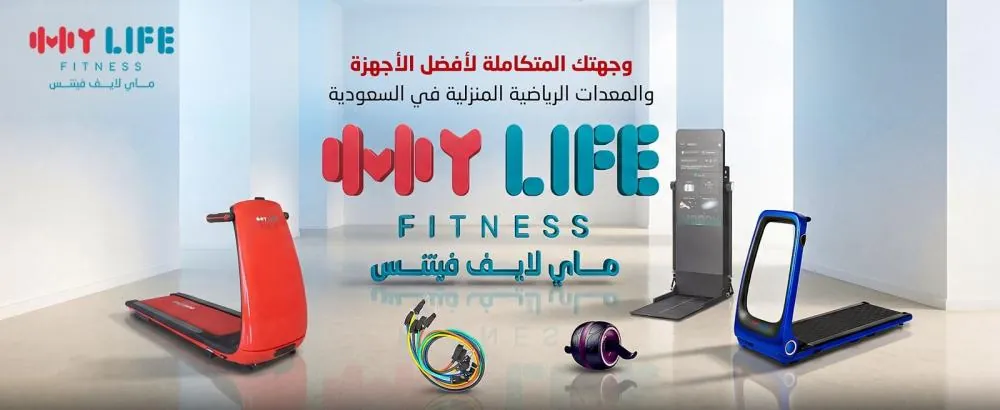
To ensure your next piece of equipment lasts, look for models with a heavy-duty steel frame and a high weight capacity. Even if you don’t need the extra capacity, a machine built for a heavier user is almost always made with more durable bearings and stronger motors. Check the manufacturer’s technical specifications page to see the maximum user weight limit; a higher limit usually signals better build quality across the entire unit.
Look for equipment that uses standard, off-the-shelf parts for common wear items like drive belts or tension cables. If a machine relies on proprietary, custom-made parts, you’ll be trapped by that brand’s pricing and availability for the life of the machine.
You can find this information in the service manual or by looking at the parts list on the manufacturer’s website. If you can’t find a clear list of replacement parts, that’s a sign the machine will be difficult to maintain.
Finally, prioritize machines with a simple electronic interface. Complex touchscreens and internet-connected consoles are the first things to fail and the most expensive to replace. A machine with basic buttons and a simple LCD display will almost always outlast a high-tech console, as there’s less software to glitch and fewer components to burn out over time.
Related guides
- Ancillary Equipment Types and Examples: A Complete Guide
- What Is Considered an Accident When Selling a Car: The Fix
- What Is Auxiliary Equipment and How Does It Work Explained
Frequently asked questions
How much can I sell my fitness equipment for?
You can generally expect to sell your equipment for 30% to 50% of its current retail price, depending on its age and condition. Check similar local listings to gauge what buyers are actually paying. Be aware that visible wear or missing parts will require you to lower your asking price.
How do I find the value of my machine?
You find the value by searching for your specific model number on local online marketplaces to see the price of similar units currently for sale. This gives you a starting point, though local demand in your city will ultimately decide the final price.
Is it safe to sell a machine that has a known issue?
It’s safe to sell a machine with a known issue only if you disclose the problem clearly to the buyer before the sale. You must describe exactly what is wrong, such as a squeaky belt or a broken display, and provide photos of the damage.
How long does it usually take to sell?
It takes between one and four weeks to sell most home fitness equipment, assuming you have priced it fairly for your local market. If your item hasn’t received any interest after two weeks, your price is likely too high for the current condition of the machine. You should lower the price by 10% each week until you start receiving serious inquiries from potential buyers.
What happens if I can’t find a buyer?
If you can’t find a buyer, you should contact local charities or schools to see if they accept donations of used fitness machines. Many organizations will pick up the equipment for free, which saves you the cost and effort of disposal. If the machine is truly broken and unusable, check your local government’s waste management website to learn the rules for recycling large metal appliances in your specific area.
Does the brand name matter for resale?
The brand name matters significantly because well-known, established manufacturers have a reputation for parts availability and durability that buyers trust. Machines from major brands often hold their value better because the buyer knows they can find a technician to fix it later. If your machine is from an unknown brand, you’ll likely need to price it much lower to attract a buyer who is willing to take the risk.
Conclusion
Cleaning your machine before you list it’s the most effective way to increase your final sale price. Use a damp cloth to remove all dust, sweat, and debris from the frame and console, and ensure the moving parts are free of grime. A clean machine looks like it has been well-cared for, which gives buyers confidence that the internal mechanics are also in good working order.
