
Helicopters stay aloft by spinning airfoils to generate lift, a process that relies on adjusting the angle of these blades during rotation. As the blades move, they create low pressure above and high pressure below to pull the aircraft upward, while pilots change the blade pitch to steer the machine in any direction.
How helicopter blades generate lift
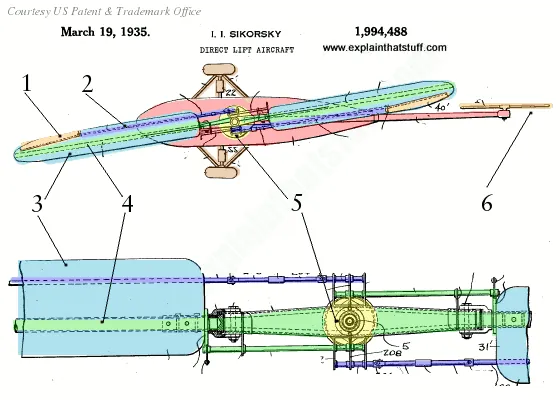
The rotor system is a complex assembly of moving parts that translate pilot input into physical movement. You can find the specific maintenance schedule for these parts in your Federal Aviation Administration rotorcraft flight manual.
| Part or input | What it does | What you notice when it goes wrong |
|---|---|---|
| Swashplate | Transfers pilot inputs to blades | Controls feel stiff or unresponsive |
| Main rotor blades | Create lift and thrust | Excessive vibration or shaking |
| Pitch links | Change individual blade angle | Aircraft pulls to one side |
| Tail rotor | Stops body from spinning | Helicopter spins in circles |
| Drive shaft | Spins the rotor head | Complete loss of engine power |
If you detect any gritty feedback during manual rotation, replace the bearing immediately. Ignoring this friction leads to rapid wear on the pitch links, often causing erratic flight behavior.
When checking the main rotor blades, look for leading-edge erosion. A nick larger than one-eighth of an inch acts as a stress riser. This flaw significantly reduces the structural integrity of the blade under high-load maneuvers.
If the helicopter exhibits a persistent yaw bias, verify your tail rotor balance before adjusting the control cables. Many pilots assume a mechanical failure when a simple blade tracking adjustment would solve the issue. Always prioritize tracking over tensioning to avoid over-stressing the drive shaft.
Moving through a flight cycle
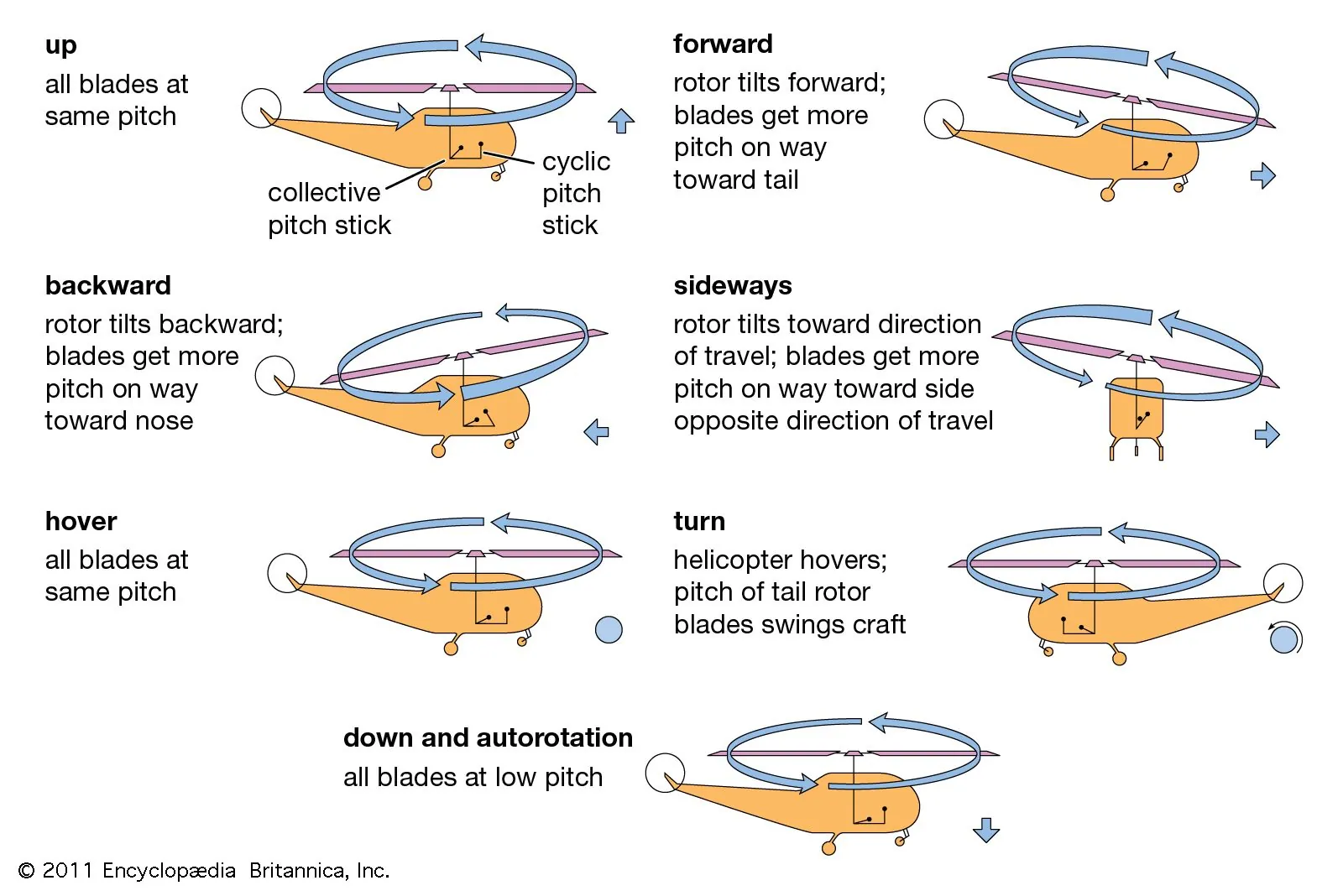
- The engine starts and spins the main rotor shaft, which rotates the blades at a constant speed, usually between 300 to 500 rotations per minute depending on the model.
- The pilot pulls up on the collective lever, which increases the pitch of all blades at once, creating enough lift to overcome the weight of the helicopter.
- To move forward, the pilot pushes the cyclic stick forward, which tilts the swashplate so that each blade has a different angle depending on its position.
- As the blades spin, they automatically increase their angle when they move toward the front of the helicopter, creating more lift at the front to tilt the nose down.
- This tilt converts a portion of the lift into forward thrust, pulling the helicopter through the air while the rotor continues to provide the necessary upward support.
- To turn, the pilot uses foot pedals to adjust the tail rotor, which pushes against the main body to rotate the nose in the desired direction.
Mechanics behind the movement
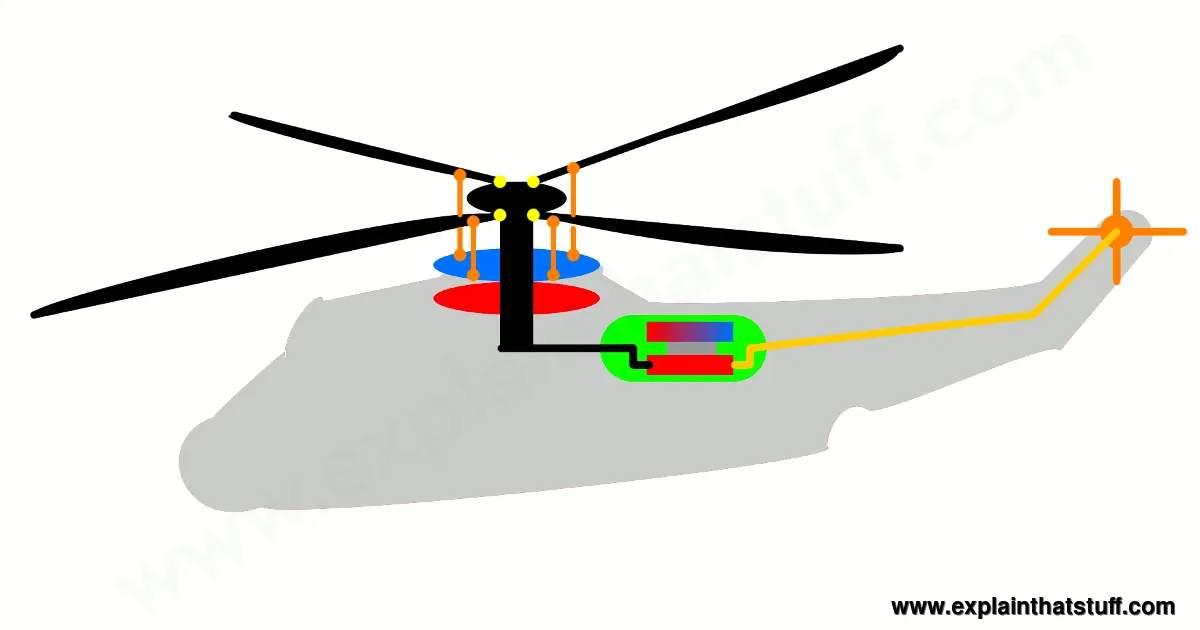
The relationship between blade angle and lift is the core of helicopter flight. When a blade is flat, it slices through the air with little resistance, but as the angle increases, the blade deflects air downward. This action creates an equal and opposite reaction that pushes the blade upward. If you tilt the entire rotor disk, you change the direction of that force.
A mistake many people make is assuming the pilot moves the blades directly with their hands. In reality, the pilot moves a swashplate through mechanical linkages, which then sends the signal to the blades. If the swashplate isn’t level, the blades change their angle at different points in their rotation. This causes the rotor disk to tilt, which is exactly how the helicopter gains directional movement.
This system isn’t for someone who ignores maintenance schedules. If a pitch link is loose or a bearing is worn, the blades won’t react uniformly to the pilot’s inputs. This creates a dangerous imbalance that can lead to severe structural vibration. Pilots must monitor the health of these components before every flight to ensure the control system remains predictable and safe.
Control limits and design
What you can control
- The total lift by using the collective lever.
- The tilt of the rotor disk using the cyclic stick.
- The rotation of the nose using the anti-torque pedals.
- The engine power output to maintain rotor speed.
What is fixed by design
- The length of the rotor blades.
- The maximum pitch angle of the blade roots.
- The gear ratio between the engine and the rotor.
If you need to adjust these fixed settings, you must be a certified aviation technician. Attempting to modify rotor parts without proper training or legal authorization is dangerous and illegal.
Habits for better performance
Consistent flight performance starts with understanding how these systems wear down over time. Always perform a pre-flight inspection of the pitch links for any signs of play or looseness. If the controls feel different than your last flight, ground the aircraft immediately until a mechanic checks the swashplate assembly. A failure to catch even a millimeter of play here can lead to catastrophic control loss mid-flight.
Maintain a steady rotor speed as indicated by your cockpit gauges. If the engine power fluctuates, the lift will change instantly, requiring you to compensate with the collective lever. Always keep your movements smooth and gradual to prevent stress on the rotor head. A sudden, jerky input can cause the blades to flex beyond their design limits, which risks hitting the tail boom.
If you notice your rotor RPM dropping below the green arc during a maneuver, don’t increase collective pitch to compensate. Instead, lower the collective immediately to regain rotor inertia. Ignoring this rule often leads to a low-RPM stall.
Related guides
- 10 Best Dimmer Switches for Precise Light Control in 2026
- 10 Best Miter Saw Blades for Precise and Smooth Cuts in 2026
- 10 Best HomeKit Light Bulbs for Smart Lighting Control in 2026
Frequently asked questions
How long do helicopter blades last?
Most main rotor blades last between 5,000 and 15,000 flight hours, but the exact limit depends on the manufacturer’s life-limit documents. You should check the maintenance records for your specific blade serial number to see how many hours remain before they must be replaced.
Is it safe to fly if the helicopter vibrates?
No, you shouldn’t fly if you notice unusual vibrations, as this often indicates an imbalance in the rotor system or a failing bearing. Any change in the vibration signature suggests that a component is degrading and requires immediate inspection by a qualified technician to ensure it’s safe.
Why does the helicopter spin if I don’t use the pedals?
The helicopter spins because the main rotor creates torque, which is a twisting force that naturally pushes the body in the opposite direction. The tail rotor creates a counter-force to stop this spin, and you must use the foot pedals to balance this force during any change in power.
What happens if the engine stops in flight?
The helicopter can still land safely through a process called autorotation, where the upward flow of air keeps the blades spinning. By lowering the collective, you reduce the drag on the blades, allowing the pilot to maintain rotor speed and control the descent until reaching the ground.
Does the blade angle change while it spins?
Yes, the blade angle changes constantly during every single rotation to provide both lift and directional control. The swashplate moves in real-time to adjust the pitch of each blade as it passes through different positions, allowing the pilot to steer the aircraft with precision.
Can a helicopter fly upside down?
No, standard helicopters can’t fly upside down because the rotor system is designed to create lift only when the blades are at a positive angle of attack. Attempting to invert the aircraft would result in a total loss of lift and control, leading to an immediate crash.
Conclusion
The way these blades interact with the air is a delicate balance of physics that requires precise mechanical inputs. Understanding the coordination between the swashplate and pitch links helps you appreciate the complex movements needed to keep a helicopter stable and maneuverable. Always respect the maintenance limits set by the manufacturer to keep your flight operations safe.
