
Coal beneficiation is a process that removes impurities from raw coal to improve its energy density and reduce waste. It uses physical or chemical techniques to separate coal from materials like rock, clay, and sulfur before the fuel is burned. By upgrading the quality of the coal, plants can achieve more efficient combustion and lower their environmental impact.
The success of this process depends on the specific characteristics of the raw coal, such as its particle size and mineral content. If the coal has high amounts of surface impurities, wet washing is usually the preferred method to reach high purity. If the impurities are trapped deep inside the coal structure, however, you must crush the material into finer pieces first.
A common mistake is assuming that all coal types respond to the same cleaning method. This error often leads to high material loss, where valuable coal is discarded along with the waste rock. You should always test a sample to determine the specific density at which the coal and waste separate most effectively.
How Coal Beneficiation Steps Work
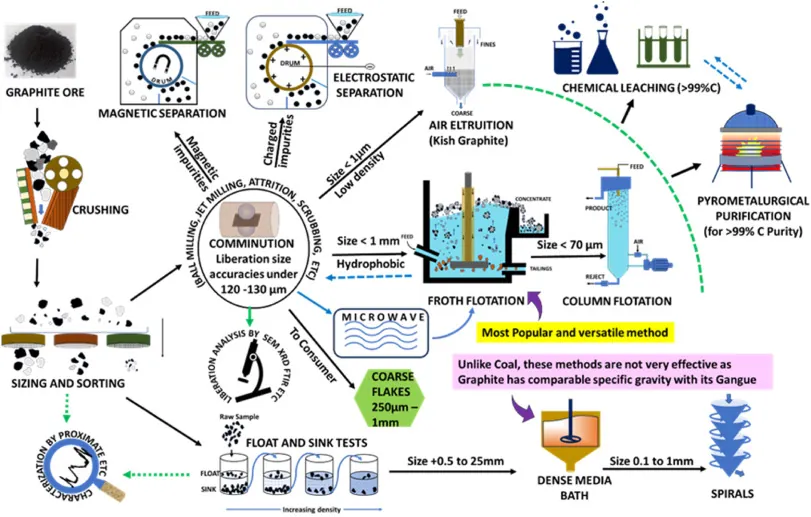
Crush the raw coal to a specific size, usually between 0.5 mm and 50 mm, to release mineral matter from the coal particles. If the particles remain too large, the mineral impurities stay locked inside, lowering the final heating value. Aim for the smaller end of this range if your coal has high ash content, as finer crushing increases the surface area for separation.
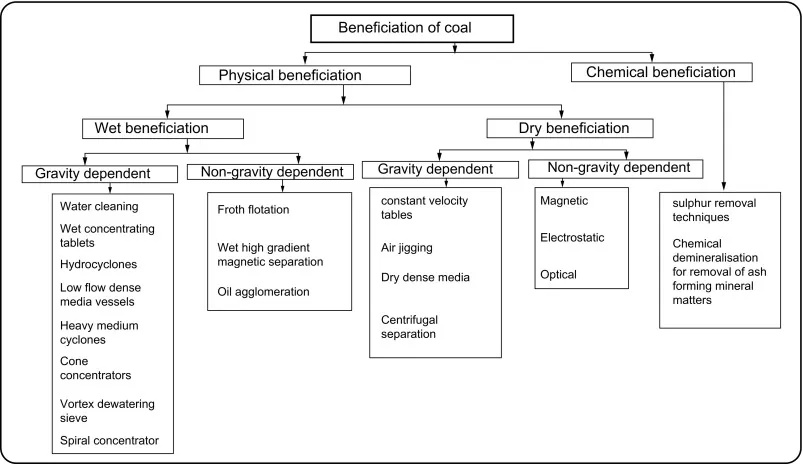
Feed the crushed material into a density separator, such as a dense medium cyclone, which uses a fluid of known density to float the coal and sink the rock. Maintain the fluid density at approximately 1.4 to 1.6 grams per cubic centimeter.
If your coal is bituminous, target the lower end of this range. If you’re processing anthracite, which has a higher density than bituminous coal, you must use a higher medium density to ensure the coal floats while the heavier rock sinks.
Remove the waste rock from the bottom of the vessel while the clean coal overflows from the top for further processing. De-water the cleaned coal using vibrating screens or centrifuges to ensure the final moisture content meets the required energy standards.
Dry the fine coal particles using thermal dryers if the end-use application demands a very low moisture percentage. Monitor the density of the fluid bath continuously. A shift of even 0.05 units can cause clean coal to sink or waste rock to float, ruining your yield.
Always verify local environmental regulations regarding water treatment. The water used in wet cleaning must be cleaned before it’s discharged or recycled. Coal preparation plants must follow strict limits on pollutants like suspended solids and iron in their wastewater to avoid heavy fines.
Time Required for Coal Processing
The time needed to process coal depends on the volume of raw material and the complexity of the cleaning circuit. A small pilot-scale plant can process a batch in under an hour, while large industrial facilities run continuous operations that process hundreds of tons every hour.
| Situation | Typical Time | What changes it | What to watch for |
|---|---|---|---|
| Pilot testing | 30–60 minutes | Particle size | Sample contamination |
| Small facility | 2–4 hours | Feed rate | Equipment clogging |
| Large plant | Continuous | Throughput volume | Power fluctuations |
If the process is taking significantly longer than the expected throughput rate, check the screen meshes for blockages or verify that the density of the separation medium is still within the target range.
When moisture content exceeds 15 percent, processing times often double because the coal adheres to internal chutes.
Operators often mistake high ash content for a mechanical failure. If the output quality remains low despite standard processing times, the issue is the raw feed quality, not the equipment speed. In this case, you must adjust the float-sink settings rather than increasing the cycle time.
Signs of Efficient Beneficiation
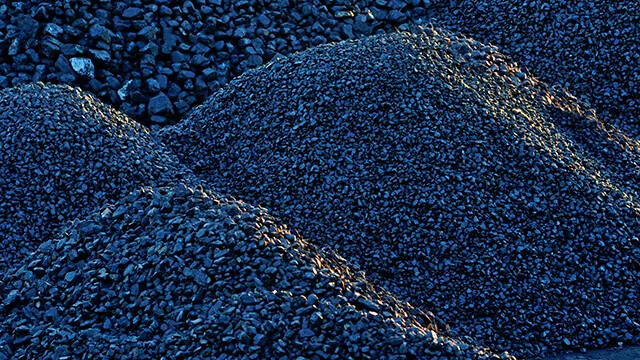
You can tell the process is working by checking the ash content of the final product. A successful run results in a noticeable drop in the weight of non-combustible material compared to the raw input. You can also measure the sulfur content, which should decrease if the processing correctly removes iron pyrite.
The gold standard for confirmation is a laboratory float-sink test. By placing a sample in a liquid of a specific density, you can see if the coal floats and the rock sinks as expected. If the lab results show high levels of coal in the waste pile, your separation density is likely set too low, and you need to adjust your equipment settings.
Watch for the “near-gravity” material ratio. If more than 15% of your raw feed falls within 0.1 of your target density, your equipment will struggle to make a clean cut. In this case, you must slow the feed rate to increase retention time. Failing to do so forces the machine to bypass material, which spikes your ash levels and wastes valuable product.
Errors That Impact Coal Quality
-
Incorrect crushing size: If the coal isn’t crushed enough, impurities remain trapped inside the particles and can’t be removed. You must adjust your crusher settings based on the mineral distribution found in your specific coal seam. If you see high ash content despite effective washing, your crush size is likely too coarse. Aim for a top size that liberates the maximum amount of mineral matter without generating excessive fines.
-
Poor density control: When the separation fluid is too light, the coal will sink with the waste; if it’s too heavy, the rock will float with the coal. You must calibrate your dense medium sensors every shift to ensure the separation point remains consistent. A shift of even 0.05 in specific gravity can lead to a 2% drop in yield or a spike in ash.
-
Inadequate de-watering: High moisture levels in the final product lower the energy value and increase shipping costs. Ensure your centrifuges are running at the manufacturer’s recommended speed to remove water before storage. If moisture exceeds 10%, check your screen cloths for blinding or wear.
Frequently asked questions
How much coal is lost during beneficiation?
The amount of lost coal typically ranges from 5% to 15% of the total raw input, depending on the complexity of the impurities. If the coal is finely disseminated within the rock, you’ll see higher losses because more material must be rejected to achieve the desired quality. You can minimize this by optimizing your separator settings to match the specific density of your coal type.
Is coal beneficiation safe for the environment?
It’s safe when the plant follows strict water management protocols to prevent runoff from contaminating local water sources. The process itself is physical rather than chemical, which reduces the risk of toxic waste production. You must ensure that the waste rock, or tailings, are stored in lined facilities to prevent heavy metals from leaching into the ground over time.
How often should equipment be inspected?
Because the material is abrasive, parts like cyclone liners and screen meshes wear down quickly, which changes the separation efficiency. If you notice a decline in the quality of the output, check these components first for signs of physical degradation.
What happens if the coal is too wet?
High moisture content reduces the net calorific value of the coal and makes it harder to transport in cold climates. If the moisture exceeds the limit set by your contract, usually around 10% to 12%, you’ll face penalties or rejection from the buyer. You must use mechanical de-watering and, if necessary, thermal drying to reach the required moisture level.
Can all coal be beneficiated?
Yes, all coal can be beneficiated, but the cost and complexity vary based on the raw material’s composition. Some coals have impurities that are very easy to remove, while others require expensive multi-stage cleaning circuits. You must perform a washability study before building a plant to determine if the cost of the process is justified by the increase in the coal’s market value.
Conclusion
The efficiency of this process isn’t fixed; it’s a balance between the quality of the final product and the cost of the cleaning steps. By testing your raw coal first, you can choose the right settings to get the best result while keeping energy waste as low as possible.
