
You can usually fix a hotpoint washer won’t agitate by checking the lid switch or the drive belt for basic mechanical failures. If the machine fills with water but stays still, the most frequent cause is a faulty lid switch that prevents the motor from starting the cycle. This safety feature stops the drum from spinning while the lid is open. If you verify the door is locked and the unit still refuses to move, the issue is often a broken drive belt or a failed motor coupling.
Reasons your Hotpoint washer won’t agitate
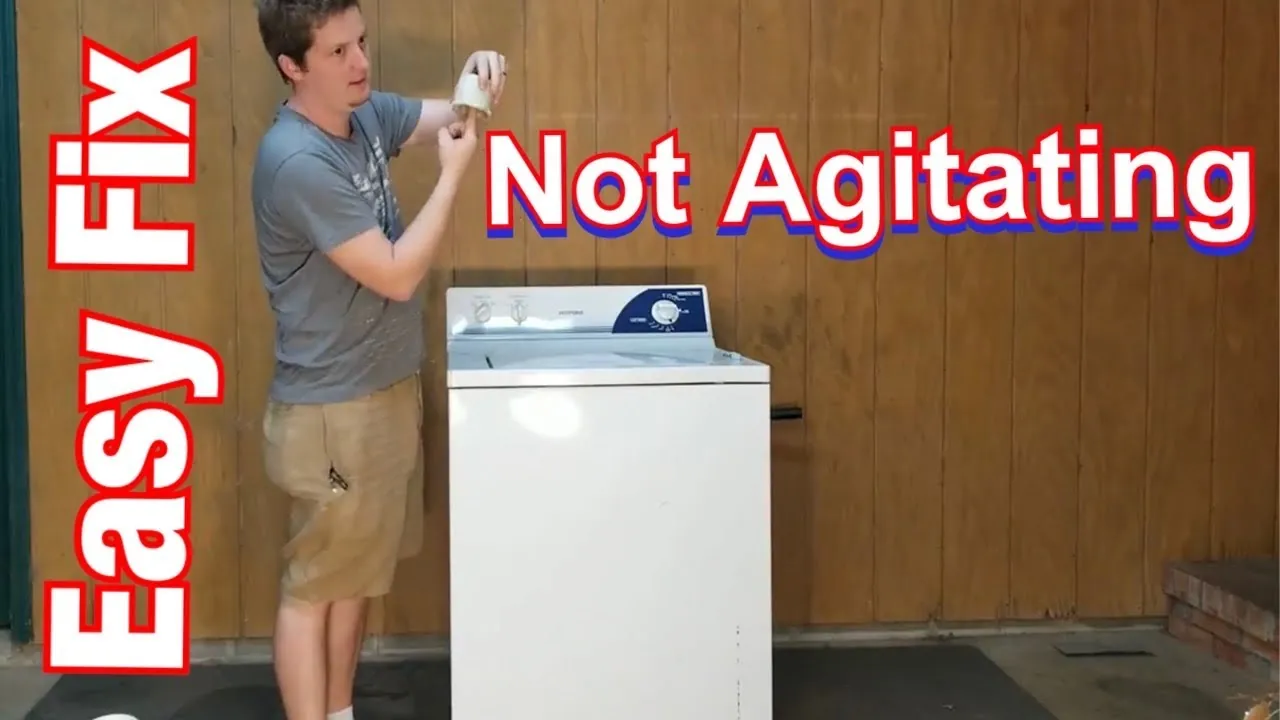
A washing machine that doesn’t move during a cycle usually has a break in the signal path or a physical disconnect in the drive system. The lid switch is the primary culprit because it acts as a gatekeeper for the agitation cycle.
When the lid is closed, a small lever or magnet triggers the switch, which sends a signal to the control board or timer to begin agitation. If this switch is loose, dirty, or physically damaged, the machine will sit idle even if the water levels are correct.
Another common cause is the drive belt. Over time, the rubber belt that connects the motor to the transmission can stretch, slip, or snap entirely. When this happens, the motor runs, but it can’t transfer energy to the agitator. You might hear the motor humming, but the drum remains silent and stationary.
Finally, the motor coupling can fail. This small plastic or rubber part connects the motor to the transmission. It’s designed to break if the washer is overloaded to prevent damage to the more expensive motor. If you have been washing heavy loads like rugs or thick blankets, this part likely reached its limit.
Safety: Inside a mains-powered machine, the parts behind the outer cover can hold a dangerous electrical charge even after it has been unplugged — that’s why they sit behind a cover. Opening the housing, or testing or replacing anything behind it, is a job for a qualified technician, never a home repair.
Check the lid switch
The lid switch is the first thing you should inspect because it’s the most common reason for a sudden stop. Look at the underside of the lid for a small plastic tab or a magnet. When you close the door, this piece must press firmly into the slot on the top of the machine frame. If the tab looks broken or the switch feels loose, the machine thinks the lid is still open.
Test this by pressing the switch manually with your finger while the machine is set to a wash cycle. If you hear a click and the machine starts, you know the alignment is the problem. If the switch remains silent, it’s likely dead.
Most people mistakenly assume the switch has failed when it’s merely misaligned. If the lid hinge is bent, the tab will miss the slot by even a few millimeters, causing intermittent power loss during the spin cycle. If you see a gap between the lid and the frame, tighten the hinge screws first.
This fix is for those who are comfortable checking basic mechanical alignment. If you need to replace the switch itself, contact a qualified repair technician to confirm whether the part has failed.
Inspect the drive belt

If the lid switch is working, you should consider the drive belt. This component is located underneath or at the back of the washer, depending on your model. You can often see the belt by looking through the access panel or by tilting the machine slightly. A healthy belt should be tight and free of cracks or fraying.
If the belt hangs loosely or shows signs of burning, it needs a replacement. If the belt has simply slipped off the pulley, you can try to guide it back into place, but this often suggests the belt has stretched and will fail again soon. Replacing a belt requires the correct part number from your manual; never use a generic belt that doesn’t match your specific model’s length and tension requirements.
Check for a glazed, shiny underside. This indicates the belt has been slipping against the pulley, generating heat that hardens the rubber. A belt in this condition will lose its grip even if it appears physically intact. If you find a pile of black rubber dust near the motor housing, the belt is actively disintegrating. Replace it immediately to prevent the debris from fouling the motor bearings.
If you can’t reach the belt easily, don’t force the machine open. Doing so often snaps the plastic cabinet clips or displaces the internal suspension springs, turning a simple maintenance task into a costly repair.
Examine the motor coupling
If the motor is running but the agitator doesn’t move, the motor coupling is often the culprit. This component sits between the motor and the transmission, acting as a mechanical fuse. It’s designed to shear under stress, sacrificing itself to prevent the expensive motor from burning out during an overload.
If you consistently wash heavy, wet blankets or oversized rugs, this part likely reached its fatigue limit. You can confirm the failure by removing the pump and inspecting the coupling’s plastic teeth. If the teeth are rounded off or the center is split, the coupling can’t transfer torque to the transmission.
This repair is significantly more involved than replacing a lid switch. It requires removing the outer cabinet to expose the drive assembly. If you lack a socket set or experience with internal drive components, call a professional. You risk injury from razor-sharp cabinet edges or heavy components shifting unexpectedly during disassembly.
Always verify the power is disconnected at the wall outlet before touching internal parts. If the coupling looks intact but the agitator still fails to spin, the issue likely lies within the transmission gears themselves rather than the drive connection.
Common mistakes to avoid
Pushing the lid down hard when the safety switch is blocked can snap the plastic housing. This repair often requires a full console replacement, which is expensive relative to the cost of a simple strike plate adjustment.
Ignoring error codes is a common oversight. Newer models display specific flashes or codes that pinpoint the exact fault, such as a drain pump failure or a lid lock error. Guessing the problem leads to unnecessary part replacements. If your machine stops mid-cycle, document the specific blink pattern before resetting the power.
Filling the drum past the manufacturer’s capacity is the fastest way to break a motor coupling. A good rule of thumb is to leave a hand’s width of space at the top of the load. If you can’t fit your hand in vertically, the load is too large.
Using too much detergent creates excess suds that coat sensors. This tricks the machine into thinking it’s still rinsing, leading to premature seal failure. If you see suds near the door gasket, run a cycle without soap to clear the residue.
Preventing future agitation issues
The best way to keep your washer running is to maintain a consistent load size and follow the manufacturer’s weight guidelines. If you notice the machine struggling to start, stop it immediately and remove half the items.
Most users make the mistake of filling the drum by volume rather than weight. A load of heavy denim or wet towels can easily exceed the machine’s capacity, even if the drum looks half-empty. This imbalance causes the suspension springs to overextend, leading to permanent drum misalignment. If your machine vibrates violently during the spin cycle, you have already exceeded the threshold.
| If you’re doing this | Do this instead | Why |
|---|---|---|
| Washing heavy rugs | Wash one rug at a time | Prevents motor coupling failure |
| Slamming the lid | Close it gently | Protects the lid switch sensor |
| Adding extra soap | Use the recommended dose | Prevents sensor interference |
| Ignoring strange noises | Stop and clear the load | Stops damage to the drive belt |
If you wash bulky items like comforters, always use the bulky cycle setting, which is designed to manage the weight and balance of large loads.
Related guides
- 10 Best Washing Machines: Top Picks for Every Laundry Need in 2026
- 5 Best Espresso Machine Under 500 for Beginners: Our Picks in 2026
- How Much Does an Espresso Machine Cost? The Real Price Ranges in 2026
Frequently asked questions
Can I fix a washer that won’t agitate myself?
You can fix simple issues like a misaligned lid switch or a slipped drive belt if you’re comfortable with basic home repairs. If the issue involves internal transmission components or motor wiring, you should call a professional technician.
How long does a drive belt usually last?
A drive belt typically lasts 5 to 10 years, depending on usage frequency and load weight. Frequent washing of heavy items like denim or bedding can cause the belt to stretch or wear out faster than the manufacturer’s estimate.
Is it safe to use the washer if it makes a humming sound?
You shouldn’t continue to use the washer if it makes a loud humming sound but doesn’t move. This noise usually indicates a broken coupling or jammed transmission that prevents the motor from turning.
Why does my washer fill but not move?
Your washer fills with water but doesn’t move because a safety or drive component has failed. Common causes include a faulty lid switch, a broken drive belt, or a failed motor coupling that prevents power transfer to the drum.
What happens if I ignore a washer that won’t agitate?
Ignoring a washer that won’t agitate risks causing secondary damage to the motor or control board. When the motor is powered but held in place, it generates heat that can melt plastic parts or burn out electrical windings.
Conclusion
If these simple checks don’t get your machine moving again, it’s best to call a professional technician for a deeper inspection. They’ll have the right tools to diagnose internal motor issues safely. Don’t worry if you’re still stuck; getting expert help ensures you won’t cause any further damage to your appliance.
