
A common reason for a bosch refrigerator not dispensing water is a frozen or kinked supply line, which typically requires a simple manual thaw or alignment to restore flow. You should first inspect the tubing behind the unit to ensure it isn’t pinched against the wall. If the line appears clear, the issue often stems from a clogged water filter or a closed shut-off valve. These steps address the most likely causes without needing advanced tools.
Why your Bosch refrigerator stopped dispensing water
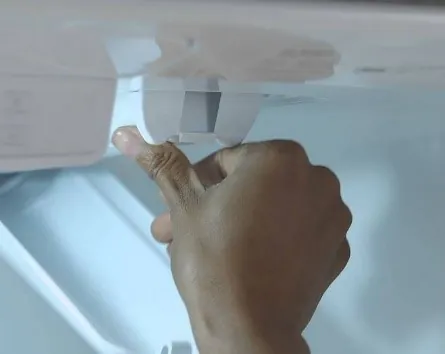
Most modern refrigerators rely on a steady path of pressurized water to reach the dispenser. When this path is blocked, the system remains pressurized but can’t release fluid. The most frequent cause is a frozen water line, which often happens if the freezer temperature is set too low, causing the water sitting in the tube to turn into ice. This is common in side-by-side models where the dispenser line runs through the freezer door.
Another frequent culprit is the water filter. Over time, sediment and minerals from your home’s plumbing build up inside the filter cartridge. Once the filter reaches its capacity, it blocks the flow of water entirely to protect your dispenser components from debris.
According to the official Bosch home appliance support guidelines, filter replacement frequency depends on usage, and you should consult your owner’s manual for guidance. If you live in an area with particularly hard water, you might notice this happens faster.
Finally, check the external connection points. If someone recently moved the refrigerator, the plastic tubing behind the unit may have become kinked or pinched. Even a small bend can restrict the flow of water significantly. Always ensure the saddle valve or shut-off valve under your sink or behind the fridge is fully open before attempting more complex repairs.
Replace the water filter cartridge
If your dispenser is slow or completely stopped, the filter is the first piece of equipment to inspect. This fix is designed for users who haven’t swapped their filter in at least six months. Before you start, locate the filter housing, which is usually found in the top right corner of the refrigerator compartment or behind the kick plate at the bottom.
To replace it, turn the old filter a quarter-turn counter-clockwise and pull it straight out. Have a small towel ready, as a small amount of water often spills during removal. Insert the new cartridge, push it firmly into the housing, and turn it clockwise until it locks into place. Most systems require you to flush two to three gallons of water through the new filter to remove air bubbles and loose carbon dust before drinking.
If the water still doesn’t flow, verify that the filter is seated correctly. An improperly seated filter will prevent the internal valve from opening. If you’re unsure if the filter is the problem, try running the unit briefly without it; if water flows, the old filter was indeed the blockage. Never force a filter into a slot that doesn’t match your specific model number, as this can damage the head assembly.
Thaw the frozen supply line

When the temperature is too low, the water inside the plastic tube in the freezer door freezes solid. This isn’t a mechanical failure but a symptom of the environment inside the appliance.
If you need a faster result, you can use a hair dryer on a low, warm setting. Direct the air toward the dispenser area or the door hinge where the water line enters the freezer. Keep the dryer at least 6 inches away from the plastic surfaces to avoid melting or warping the internal components. Move the dryer back and forth constantly; never hold it in one spot, as the heat can damage the plastic seals.
This process can take 10 to 20 minutes of steady, gentle heat. You’ll know it worked when you hear a faint trickle or see a small amount of water drip from the dispenser. If you still have no flow after 30 minutes of warming, the blockage may be deeper inside the door insulation. At this point, stop the process to prevent damage to the door seals.
Inspect the water supply valve
If the previous steps didn’t work, the water supply valve located behind the refrigerator might be the issue. This is the valve that connects your home’s plumbing to the refrigerator’s plastic line. First, check that the handle is turned fully to the “open” position. If the handle feels loose or stripped, it may not be opening the internal gate of the valve even if it looks correct from the outside.
If the valve is open but you feel no pressure in the line, you must test the line itself. Disconnect the line at the back of the fridge and place the end into a bucket. Briefly open the valve to see if water sprays out. If it does, the problem is inside the refrigerator’s internal solenoid valve, which is a part that handles electrical signals to start the water flow.
If you find that the internal solenoid valve is faulty, this is a job for a professional technician. A capacitor inside the power supply of the refrigerator can hold a lethal electrical charge even when the unit is unplugged. Never attempt to open the rear panel or touch any electrical wiring yourself. Contact your local authorized service provider to handle the replacement of electrical components safely.
Common mistakes to avoid
Never poke a needle or wire into the dispenser nozzle to clear ice. This risks puncturing the internal water line, turning a simple blockage into a permanent, hidden leak behind your cabinetry.
Turn the water filter only until it stops. Forcing it further cracks the plastic housing, a brittle component that often requires a costly service call to replace. If you feel resistance before the filter is fully seated, remove it and check the O-ring for debris rather than applying more torque.
Check your home water pressure before troubleshooting mechanical failures. If the pressure sits below 20 psi, the dispenser may not function correctly. You can verify this with a simple gauge attached to your outdoor spigot.
Avoid high-heat settings when drying components or cleaning near the unit. Intense heat warps the plastic housing and degrades door gaskets. Once these seals lose their shape, they create air leaks that cause rapid frost buildup, forcing the compressor to work overtime and shortening the appliance’s lifespan.
How to manage your water system
Regular maintenance prevents the system from locking up or slowing down. The main difference in performance usually comes down to your local water quality, which dictates how often you should change your filter.
If you live in an area with hard water, minerals accumulate faster. You must replace your filter based on usage as directed by your owner’s manual to prevent internal blockages. If your water flow drops, replace the filter immediately, as ignoring this symptom forces the internal solenoid valve to work against excessive pressure, often leading to mechanical failure.
| If you’re doing this | Do this instead | Why |
|---|---|---|
| Changing filter yearly | Change every 6 months | Prevents mineral buildup and blockages |
| Keeping freezer at -10°F | Set freezer to 0°F | Prevents the water line from freezing |
| Ignoring slow flow | Replace filter immediately | Protects the internal solenoid valve |
| Using high heat to thaw | Use low, gentle heat | Protects plastic seals from melting |
Always verify your freezer temperature with a separate thermometer.
Frequently asked questions
Can I fix a frozen water line myself?
Yes, you can thaw a frozen line by using a hair dryer on a low, warm setting, keeping the dryer moving at all times. Aim the air at the door hinge or dispenser nozzle where ice collects. Stop if you don’t see success quickly to avoid damaging the plastic liner or rubber gaskets.
How long does a refrigerator water filter last?
A standard refrigerator water filter typically lasts for about 6 months of average household usage. If you notice the water flow slowing down or the taste changing, it’s time to change the filter early. Hard water areas may cause faster sediment buildup, so check the flow rate periodically to ensure effectiveness.
Is it safe to leave a kinked water line?
No, a kinked water line puts extra strain on the internal water valve and can lead to leaks behind the refrigerator. If the line is pinched, the pump will struggle to move water, potentially causing the solenoid valve to fail. Pull the refrigerator out and straighten the tubing, ensuring enough slack to prevent sharp bends.
Why is my dispenser making a humming sound but no water?
A humming sound typically indicates that the solenoid valve is receiving power but can’t draw water because of a blockage. This often happens if the water filter is completely clogged or if the supply line is frozen or closed. Check the shut-off valve behind the fridge first, then inspect the filter. If both are clear, the internal valve itself may be stuck or broken, which requires a professional technician to replace safely.
How do I know if my water pressure is too low?
If the flow is weak, your home’s pressure is likely below the required 20 psi. If the flow is strong, the issue is internal to the appliance; consult your manual for specific requirements.
Conclusion
Keeping your water supply clean and your lines free of ice will ensure your dispenser works reliably for years. If you follow the maintenance schedule and keep your freezer at the recommended temperature, you’ll avoid most common flow issues. Should you hear strange noises or see no water after checking the simple fixes, contact a certified technician to avoid any risk of electrical injury.
