
A seal weld is a weld that provides tightness against leakage rather than structural strength. It’s used in piping and pressure vessel fabrication to prevent fluids or gases from escaping through threaded joints or around tube-to-tubesheet connections. You should only use this method when a structural weld is already carrying the mechanical load of the assembly, as seal welds aren’t designed to hold high pressure on their own.
Quick facts about seal welds

A seal weld is strictly for leak prevention, never for structural support or load-bearing purposes. If the joint relies on the weld to hold the pipe together, you have created a failure point that will likely crack under thermal expansion.
Always ensure the primary threaded joint is tightened to the required torque before applying any seal weld. If you weld a loose joint, the internal threads won’t share the load, causing the weld bead to snap under vibration.
Don’t use a seal weld on joints that require frequent disassembly. You must grind the weld off entirely to break the connection, which inevitably damages the pipe threads. If you expect to open the line more than once a year, use a flanged connection or a high-grade sealant instead.
When working with stainless steel, keep the heat input minimal to avoid carbide precipitation. Excessive heat destroys the chromium oxide layer, turning a corrosion-resistant joint into a site for rapid rust.
Check your local piping code, such as ASME B31.3, to confirm if seal welds are permitted for your specific pressure and temperature. If the service involves toxic fluids, many codes prohibit seal welds entirely in favor of fully welded joints.
Why seal welds are necessary
The primary purpose of a seal weld is to create a permanent, leak-proof barrier where a mechanical fit, like a screw thread, might eventually fail. Mechanical threads often rely on tape or sealant to stay tight, but these materials can degrade over time due to heat, vibration, or chemical exposure. By welding the edge of the joint, you create a solid metal seal that stays secure as long as the base metal remains intact.
Engineers choose this method because it’s faster and cheaper than creating a fully structural welded joint for every connection. If a pipe system has thousands of small fittings, welding every one for structural strength is unnecessary and risks warping the entire assembly. Instead, the threads handle the stress of the pipe, and the seal weld acts only as an insurance policy against tiny leaks.
You must be careful with the heat applied during the process. If you weld too slowly or use too much power, you can overheat the joint, which might crack the weld or weaken the threads underneath. If the joint is under high pressure, a seal weld could fail suddenly, leading to a dangerous leak. This is why you should only use it on systems where the primary mechanical connection is designed to hold the system’s full operating pressure.
When to avoid seal welding
The simple answer isn’t always the right one for every situation, as specific conditions might make seal welding dangerous or impractical.
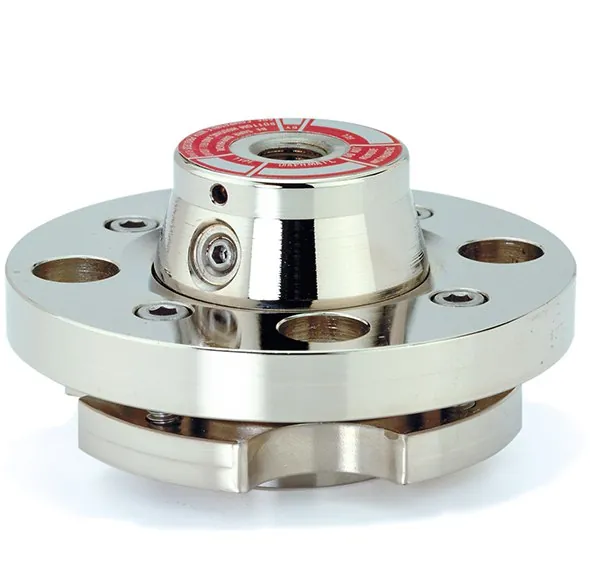
If you’re working in high vibration areas, avoid seal welding entirely. Fatigue will cause the weld to crack, creating a leak path that’s difficult to repair. Use flange connections instead to absorb the mechanical stress.
When dealing with frequent maintenance, skip the weld. If you must grind it away every few months, you risk damaging the base material. Use high-quality chemical sealants that provide a reliable barrier without permanent structural changes.
For dissimilar metals, the mismatch in melting points often leads to brittle joints that fail under thermal cycling. Use mechanical gaskets designed for the specific chemical compatibility of your fluids.
If you’re working on high pressure lines, remember that a seal weld isn’t a structural weld. It can’t hold a load. If the joint must bear pressure, use full-strength penetration welds instead.
How to perform a seal weld
- Clean the area around the joint thoroughly with a wire brush to remove all oil, grease, or thread sealant, as these will cause porosity in the weld.
- Tighten the threaded connection to the manufacturer’s specified torque, ensuring the threads are fully engaged before you start the welding process.
- Choose the correct filler metal that matches the base material of the pipe and the fitting to prevent galvanic corrosion or cracking.
- Apply a small, single-pass fillet weld around the circumference of the joint where the pipe meets the fitting.
- Keep the weld bead small; it only needs to cover the exposed threads and the start of the fitting, not build up a large structure.
- Inspect the finished weld for pinholes or cracks using a magnifying glass, as even a tiny hole can allow a leak to develop under pressure.
Common mistakes during seal welding
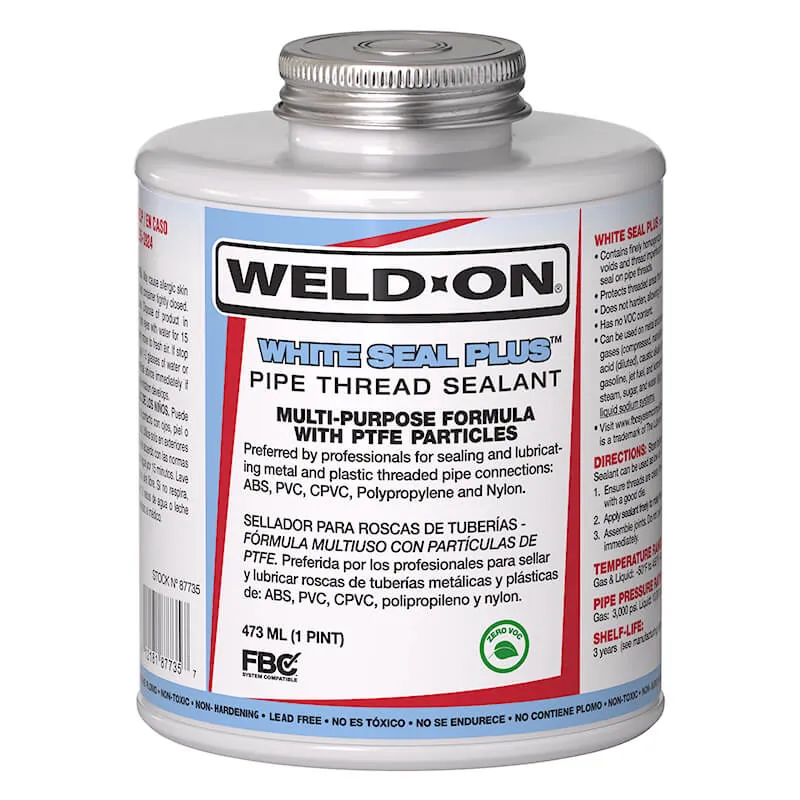
Failing to remove thread sealants before welding creates gas bubbles and holes in the finished weld. Even trace amounts of pipe dope or Teflon tape vaporize instantly under the arc. This trapped gas forces its way through the molten puddle, leaving behind porosity that compromises the seal’s integrity.
Over-welding the joint creates excessive heat that causes the fitting to crack or warp out of shape. Limit your weld size to the minimum required for a leak-proof seal. If you apply more than two passes on a standard fitting, you risk distorting the internal threads.
Never use a seal weld as a substitute for a structural load-bearing weld. Seal welds lack the penetration required to hold mechanical loads, leading to total joint failure under pressure. If the pipe must support weight, use a structural weld first, then apply the seal weld separately.
Avoid leaving sharp edges or undercut areas where the weld meets the base metal. These spots act as stress risers for future cracks. If you see a sharp transition, grind the bead profile until it’s smooth and concave.
Frequently asked questions
Can I use a seal weld on a high-pressure line?
No, you should never use a seal weld as the primary method to hold high pressure in a pipeline. The seal weld is designed only to prevent leaks from mechanical connections, not to support the physical stress of the system. If the pipe is under high pressure, the structural load must be supported by the threads or a separate structural weld.
How long does a seal weld last?
The lifespan of a seal weld is typically the same as the piping system itself, provided the joint isn’t subjected to extreme vibration or thermal shock. If the system experiences significant movement, the weld may develop fatigue cracks over time. You should inspect these welds during every scheduled maintenance shutdown to ensure they remain intact.
Is it safe to weld over pipe dope or thread tape?
No, it’s never safe to weld over pipe dope or thread tape because these materials burn and release toxic gases. The burning material also creates gas pockets inside the molten metal, which leads to porosity and a weak, leaky weld. You must clean all threads and surfaces to bare, shiny metal before you begin the welding process.
Does it matter which welding process I use?
Yes, it matters because some processes put too much heat into the joint, which can damage the underlying threads. Gas Tungsten Arc Welding is often preferred for seal welds because it offers the best control over heat input and bead size. Always choose a process that allows for a small, controlled weld to minimize the risk of warping the fitting.
What happens if I weld a joint that isn’t tight?
If the joint isn’t tight, the weld will have to carry the mechanical load, which will likely cause it to crack or fail immediately. A seal weld isn’t intended to hold the pipe together or withstand tension; it’s only a seal. Always verify the mechanical tightness of the joint before you strike an arc on the metal.
Can I re-weld a seal weld if it leaks?
You can re-weld a leaking seal weld, but you must first grind out the old, defective weld entirely. Trying to weld over a crack or a pinhole usually traps contaminants, which will only lead to more leaks. Once the old weld is removed and the area is cleaned, you can perform a new, clean weld following the standard procedure.
Conclusion
Always consult your project’s specific engineering specifications before you start welding. Since these joints aren’t meant to bear heavy loads, double-check that your mechanical connections are fully secure first. If you’re ever unsure about the pressure requirements, it’s best to talk with a supervisor to keep your work safe and compliant.
