
You should only trade in gym equipment if the resale value covers at least 40% of your new purchase price, or if the current unit has become a genuine safety risk. If the item is relatively new and in good working order, selling it privately often nets more cash than a trade-in program. However, if the machine is heavy, broken, or takes up space you need immediately, trading it in to a retailer simplifies the removal process.
Ways to trade in your gym equipment
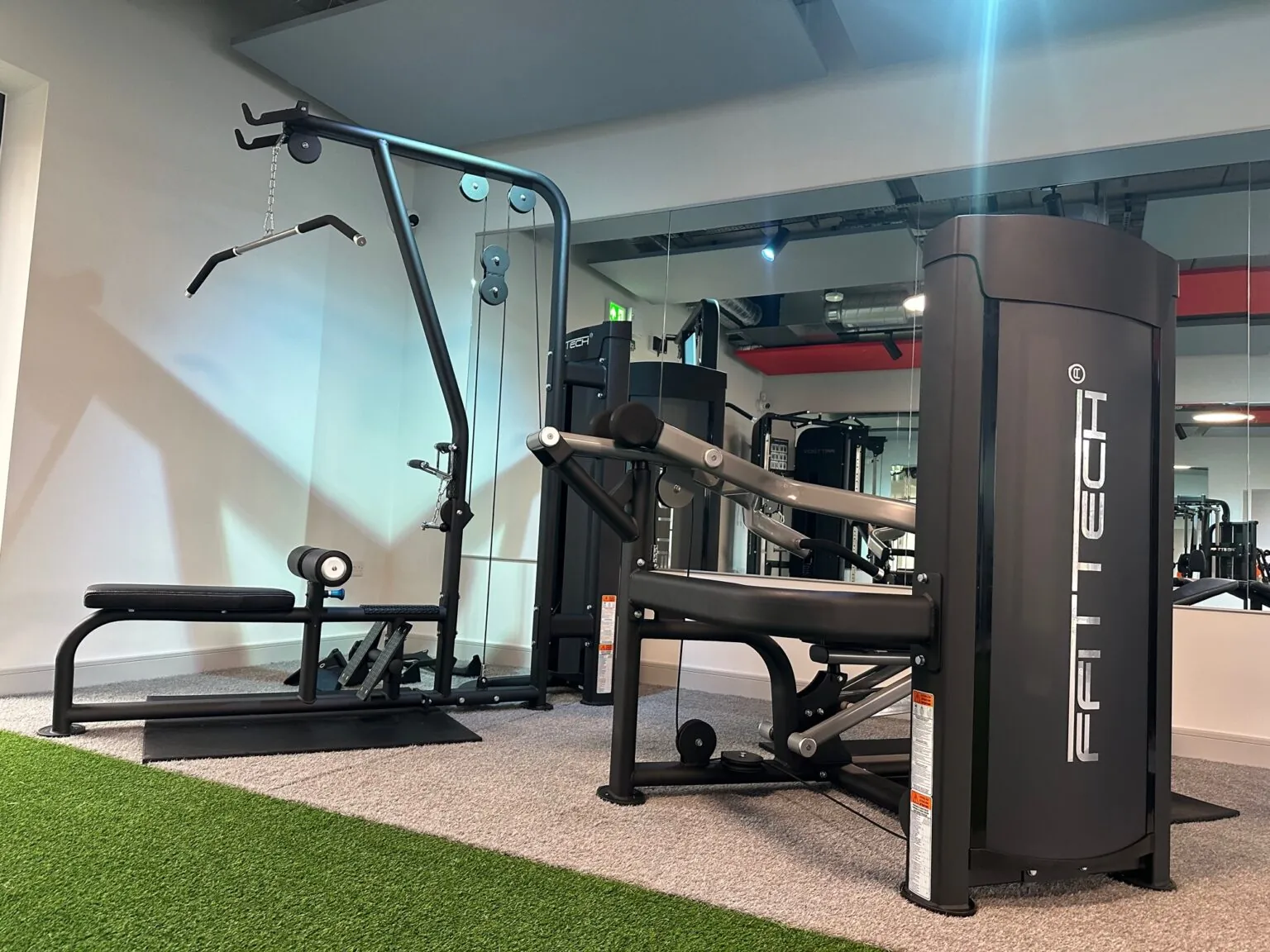
The decision to trade in or sell depends on the condition of your machine and your need for convenience versus maximum profit. Use this table to decide which path fits your current situation best.
| If this is true | Repair | Replace |
|---|---|---|
| Machine is under 3 years old | Fix it | Keep it |
| Motor or motherboard failed | Recycle | Replace |
| Cosmetic damage only | Keep it | Use as is |
| Space is needed immediately | Junk it | Trade in |
| Still under original warranty | Fix it | Contact maker |
| Frequent mechanical breakdowns | Stop use | Replace |
If your repair estimate exceeds 40 percent of the cost of a comparable new model, stop immediately. At that price point, you’re merely delaying an inevitable replacement while sinking money into depreciating hardware.
If you’re selling privately, clean the belt and console with a non-abrasive cleaner to increase your asking price by at least 15 percent. Buyers prioritize visual hygiene over mechanical longevity. If the machine is quite aged, don’t bother listing it. Most buyers won’t touch legacy electronics due to the scarcity of replacement parts. In that case, check if your local municipality offers a bulk pickup service to avoid heavy lifting fees.
When keeping and fixing is the better path
Repairing your existing equipment is often the smartest move if the machine is a high-quality model that still meets your fitness goals. If the issue is limited to a simple part, such as a drive belt, a tension cable, or a plastic pedal, the cost of the repair will likely be a fraction of a new machine.
Many professional-grade treadmills and ellipticals are built to last over a decade, provided you perform basic maintenance like lubricating the deck or tightening bolts.
If the machine is less than five years old, you should check the manufacturer’s documentation to see if the part is still under warranty. If you’re handy with tools, you can often find replacement parts online for a low price. If the cost of the repair is less than 25% of the machine’s current market value, fixing it’s almost always the more economical choice.
Be careful if your machine has a complex electronic failure. If the console screen is dead or the motor controller is fried, these parts can be expensive and hard to source for older models. If you have to pay a technician for labor on top of the part cost, the price can quickly exceed the value of the equipment. If you can’t fix it yourself, it’s usually time to look at newer options.
When starting fresh is the better path

Replacing your equipment makes sense when the cost of repairs approaches the price of a new unit or when the machine no longer fits your physical needs. If you find yourself avoiding your workouts because the machine feels clunky, noisy, or uncomfortable, the equipment has lost its value to you. Safety is another major factor; if a machine has a cracked frame or a frayed power cord, it should be removed from your home immediately.
You should also look for an upgrade if your current fitness level has outgrown the machine’s capabilities. For example, if you’re a runner who started on a walking treadmill, the motor may be straining to keep up with your speed, leading to overheating or premature burnout.
Pushing a machine beyond its design limits is a common mistake that leads to costly, repeated repairs. If you find yourself calling for service more than twice in a single year, you’re likely throwing good money after bad.
Replacing is also the right call if you’re moving to a new home or changing your room layout. Large, heavy machines like rowers or multi-gym stations are difficult to move without professional help.
Trading in your old unit with a retailer often includes them hauling away the heavy base, which saves you the expense and physical strain of moving it yourself. If you’re upgrading your space, a new machine with better ergonomics can improve your motivation and help you reach your goals faster than a struggling, outdated model.
The costs people forget
The diagnostic fee is often non-refundable, even if you decide the repair is too expensive. Expect to lose a modest amount just for the technician to confirm what you likely already suspect, which is inexpensive compared to the cost of a full replacement.
Shipping delays can leave you without a functioning appliance for two weeks or more.
Repairs rarely address the entire system. If the primary component failed due to age, expect a secondary failure within six months. Budget for a 20% contingency fund on top of your initial quote.
Disposal fees at local transfer stations are often inexpensive compared to the cost of a new machine. If you can’t transport the unit yourself, professional haul-away services add a small additional cost to your total replacement bill.
Questions to ask before the work begins
Before you agree to any repair, ask the technician if they have worked on your specific model before. Experience matters because a technician who knows the common failure points of your machine will spend less time troubleshooting, which keeps your labor costs lower.
Ask for a written quote that breaks down the cost of parts versus the cost of labor. If the labor cost is more than half of the total, you should stop and consider if a new machine is a better investment.
Ask if the replacement parts are original manufacturer components or aftermarket alternatives. Original parts are usually safer and last longer, but they can be more expensive. If you’re unsure about the safety of a repair, check the official manual for the machine or contact the manufacturer directly. If a repair involves high-voltage electronics or heavy moving parts, don’t attempt to fix it yourself; always hire a qualified professional to ensure the work is done safely.
Features that prevent future failures
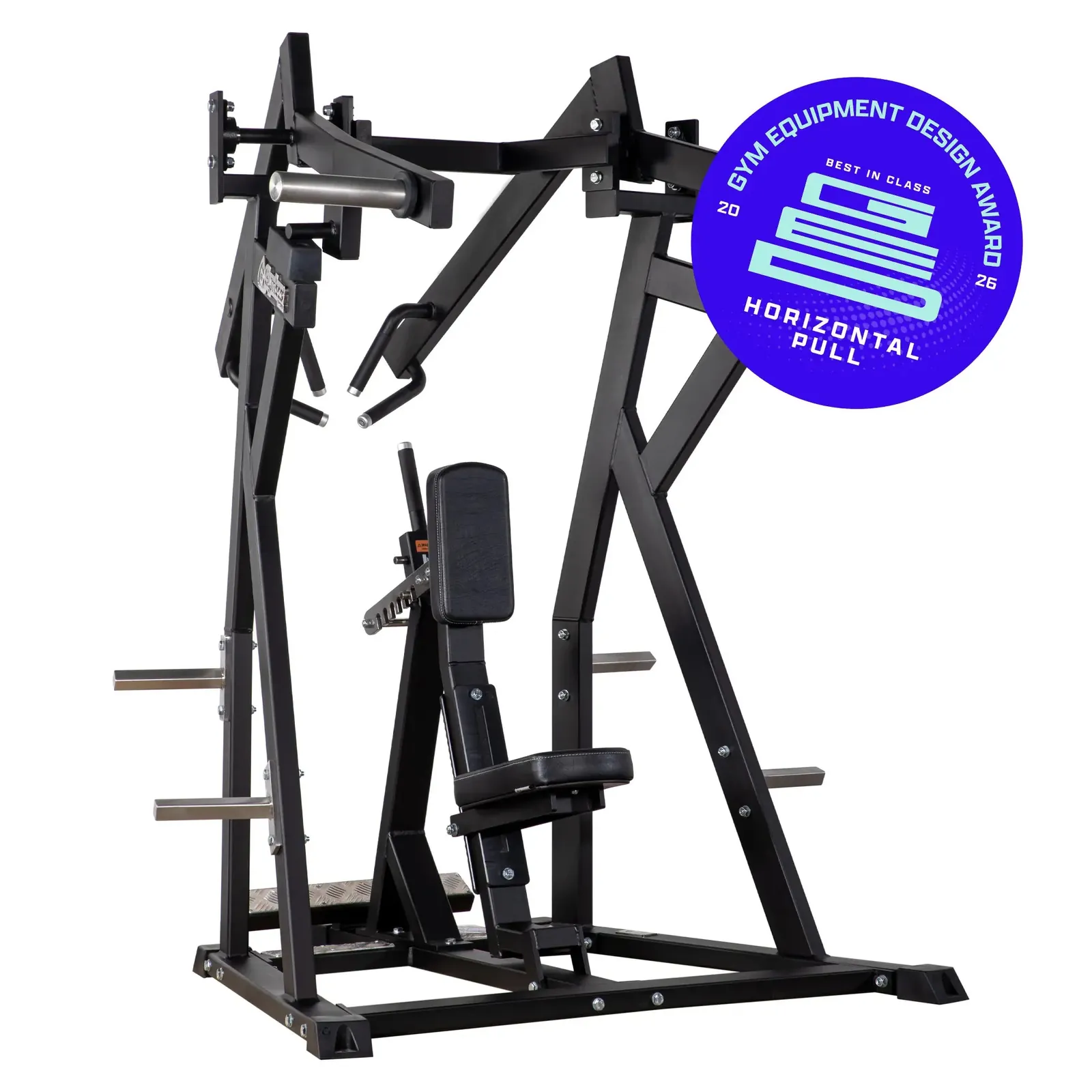
When you buy a replacement, look for a machine with a high weight capacity rating. A machine built to support a heavier user is typically constructed with a stronger frame and a more durable motor. You can find the weight limit on the official product label or the manufacturer’s specification page. Choosing a unit that exceeds your body weight by at least 50 pounds provides a safety buffer that prevents the motor from straining during normal use.
Look for machines that offer modular parts rather than sealed units. If a console or a belt can be replaced individually without removing the entire frame, your future maintenance costs will be much lower.
Check the warranty terms for the frame versus the electronics. A long warranty on the frame is good, but a strong warranty on the motor and electronics is better. These components fail most often. Prioritize models that guarantee parts replacement rather than just labor.
Related guides
- Where to Place Rat Traps for Maximum Effectiveness
- Ancillary Equipment Types and Examples: A Complete Guide
- What Is Auxiliary Equipment and How Does It Work Explained
Frequently asked questions
How long does gym equipment usually last?
Most home gym equipment lasts for a significant period with consistent use and regular maintenance. If your machine is quite aged, it’s often more cost-effective to replace it than to hunt for obsolete parts.
Is it safe to buy refurbished gym equipment?
It’s safe to buy refurbished gym equipment if it comes from a certified dealer that provides a warranty of at least six months. Always check the machine for signs of rust on the frame or frayed cables before finalizing your purchase. If the seller can’t provide a service history or a guarantee, the risk of hidden mechanical issues is high and you should look for other options.
How much can I get for my used machine?
You can typically get 20% to 50% of the original retail price for a used machine in good condition. The final amount depends on the brand’s reputation and how well you have documented your maintenance, such as keeping receipts for annual tune-ups. Check local online marketplaces for similar models to see the current market value in your specific area before you set your asking price.
Why is my treadmill making a loud noise?
A loud noise usually indicates a worn drive belt or a lack of lubrication on the running deck. You can check the belt for cracks or debris by removing the motor cover, which is a simple task for most users. If the noise is a grinding sound from the motor itself, stop using the machine immediately to avoid a fire risk and contact a professional technician.
What happens if I stop maintaining my equipment?
If you stop maintaining your equipment, the internal parts will wear down faster, leading to a total failure. Regular maintenance includes tightening bolts and cleaning dust from the motor housing to prevent overheating; the frequency of these tasks depends on your specific use, and you should consult your owner’s manual for the authoritative schedule. If you don’t have the time to perform these checks, it’s better to choose a simpler, manual piece of equipment that requires less care.
Does it matter if I trade in or sell privately?
It matters because you’ll likely receive 30% more cash by selling privately, but you’ll lose the convenience of a professional trade-in removal. If you have the time to manage inquiries and the ability to move the machine safely, a private sale is better. If you need the old unit gone today to make room for a new one, a trade-in is the most efficient choice.
How often should I lubricate my machine?
You should lubricate your machine based on your usage levels, as outlined in your owner’s manual, which serves as the authority for your maintenance schedule. Check your owner’s manual for the specific type of silicone lubricant recommended, as using the wrong product can damage the belt or the deck. If your machine is used frequently, you should perform this check often to ensure the motor doesn’t burn out.
Conclusion
Before you commit to a deal, take a quick look at local online marketplaces to see what similar models are fetching. If the convenience of a retailer doesn’t outweigh the potential profit, you’ll be glad you checked. It’s worth a few extra minutes to make sure you’re getting the best possible value.
