
If you’re currently dealing with a malfunctioning garage door opener, you have likely discovered that the wayne dalton idrive system is a unique, wall-mounted unit that differs significantly from traditional ceiling-mounted operators. Because these units are no longer in production, finding replacement parts or professional service can be difficult. Depending on whether you need a simple remote replacement, a circuit board repair, or a complete system conversion, you should expect to spend between $150 and $950 to restore functionality to your garage door.
Key Takeaways
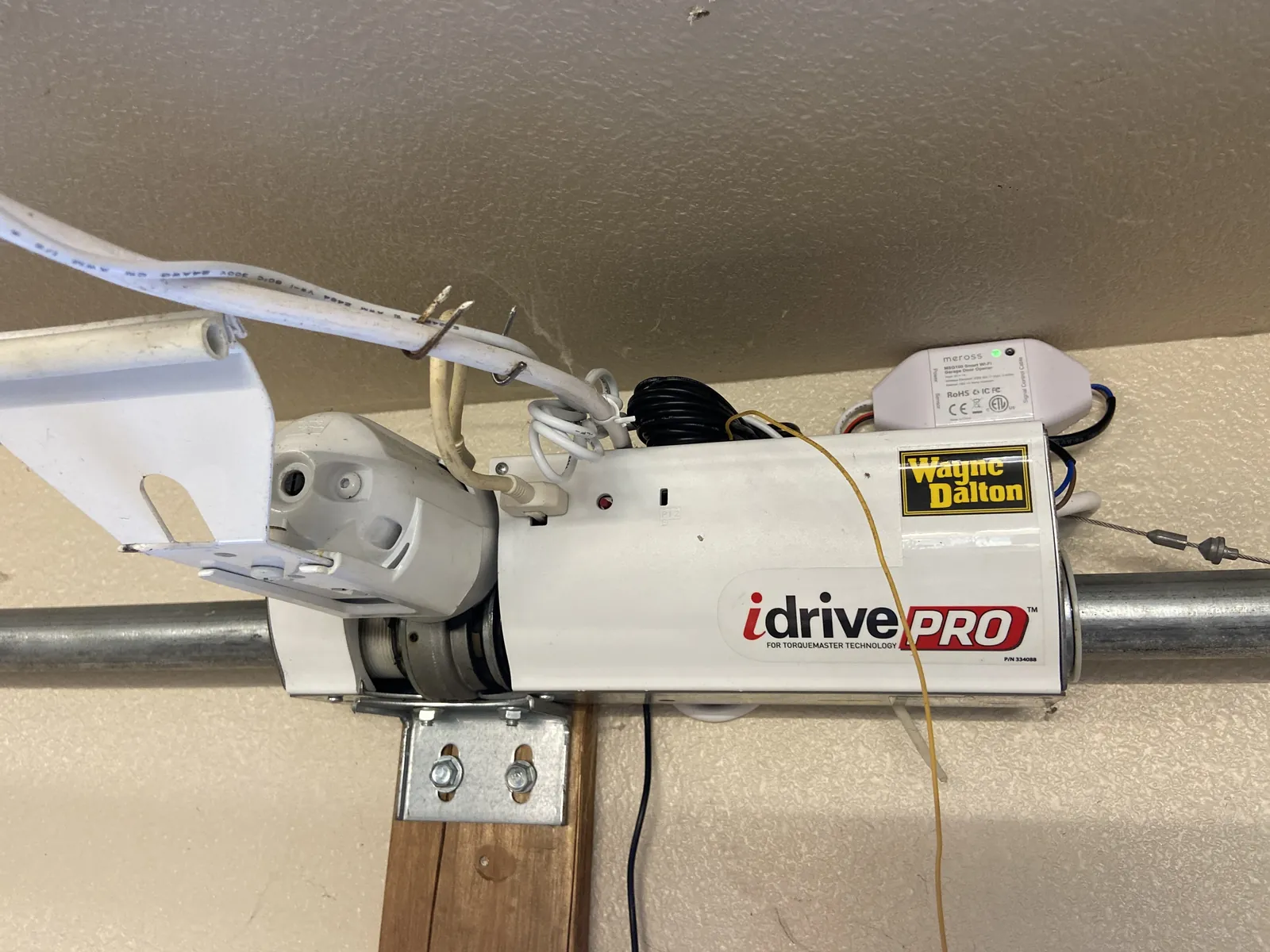
- The iDrive system is a proprietary, discontinued unit that mounts directly to the wall beside the garage door track.
- Replacement parts are scarce, often requiring users to source refurbished components from secondary markets.
- Most professional installers recommend a full system replacement if the internal motor or circuit board fails.
- Standard garage door openers from brands like LiftMaster or Genie can replace an iDrive, but they require a ceiling-mounted rail.
- Safety sensors and wall consoles for the iDrive aren’t cross-compatible with modern universal openers.
Understanding the Wayne Dalton iDrive Legacy
The iDrive system was marketed as a space-saving solution for garages with low ceilings or limited overhead clearance. Unlike standard openers that use a trolley and rail system mounted to the ceiling, the iDrive attaches directly to the torsion bar of the garage door. This design eliminates the need for tracks or chains overhead.
However, the specialized nature of its components means that when a part breaks, you can’t simply pick up a replacement at a local hardware store. Because the unit is integrated into the torsion assembly, any failure often requires a technician who understands the specific mechanics of Wayne Dalton garage door systems to ensure the door remains balanced and safe.
Troubleshooting Common Issues
When your unit stops responding, the first step is to isolate the problem. Because the iDrive is a closed system, you’re limited in how much you can repair yourself. Most issues stem from power supply failures, remote signal interference, or worn internal gears.
| Symptom | Potential Cause | Recommended Action |
|---|---|---|
| Unit makes noise but door fails to move | Stripped internal drive gears | Replace internal gear kit |
| Wall console shows error code | Sensor misalignment or board fault | Realign sensors or reset board |
| Remote doesn’t operate door | Battery or signal frequency issue | Replace battery or reprogram remote |
| Door moves few inches then reverses | Force sensitivity settings | Adjust force limits on the unit |
How to Fix Minor Problems
For many homeowners, the frustration begins with a wall console that refuses to light up or a remote that loses its signal. Before declaring the unit dead, check the power supply at the wall outlet. Ensure the transformer is firmly plugged in and that the GFCI breaker hasn’t tripped.
If the unit has power but remains unresponsive, examine the safety eyes near the floor. These sensors must be perfectly aligned to send a signal to the motor. If one sensor is blocked or the wire is frayed, the system will enter a lockout mode as a safety precaution.
Pro Tip: If the wall console displays a specific error code, consult your original manual to identify the exact fault, as some codes indicate a simple sensor obstruction while others signal a permanent motor failure.
Managing Part Availability
Finding authentic parts for an obsolete system is the primary challenge for owners. While some secondary vendors specialize in selling refurbished circuit boards or replacement plastic gears, these parts are often salvaged from other units. Be cautious when purchasing “new” old stock, as internal electronic components can degrade over time even if they remain in their original packaging. If you find yourself frequently repairing the unit, you’re likely nearing the end of the machine’s viable lifespan.
Essential Components to Source
- Replacement remote controls (specifically the 372 MHz frequency models).
- Wall-mounted control consoles.
- Safety sensor pairs (infrared eyes).
- Torsion bar mounting brackets.
- Internal plastic drive gears.
Why Replacing the Entire Unit
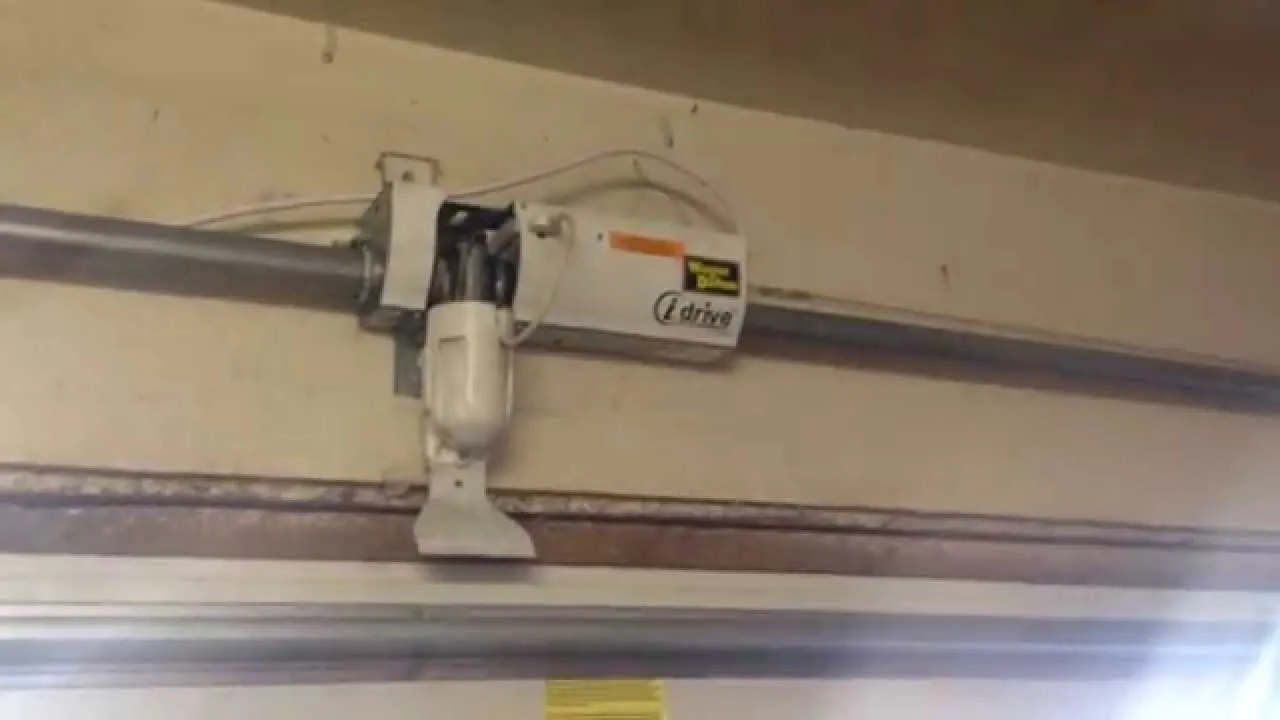
If the motor itself has burned out or the primary circuit board is fried, the cost of repair often exceeds the price of a brand-new, modern opener. Modern openers provide features that the iDrive lacks, such as smartphone connectivity, battery backup during power outages, and rolling-code security encryption. Furthermore, a new system comes with a manufacturer warranty, which provides peace of mind that a salvaged iDrive part can’t offer.
Planning a System Conversion
Converting from an iDrive to a standard ceiling-mounted operator is a significant project. You must install a new header bracket above the door, mount the ceiling rail, and run new wiring for the safety sensors. This change effectively modernizes your garage door’s operation but requires mechanical skill. If you aren’t comfortable working with high-tension garage door springs, you should hire a professional to handle the transition to ensure the door operates smoothly and safely.
Comparing Opener Technologies
When considering your next steps, it helps to look at how the iDrive compares to current industry standards. While the iDrive offered a clean aesthetic, modern alternatives prioritize reliability and connectivity.
| Feature | Wayne Dalton iDrive | Standard Chain/Belt Drive |
|---|---|---|
| Mounting Location | Wall / Torsion Bar | Ceiling / Center Rail |
| Noise Level | Low (Direct Drive) | Variable (Belt is quiet) |
| Connectivity | None (Outdated) | Wi-Fi / App Enabled |
| Availability | Obsolete | Widely Available |
| Safety Features | Basic | Advanced (Obstruction Detection) |
Can You Still Find Remotes?
The iDrive system used a specific frequency that isn’t compatible with most modern universal remotes. If you lose your remote, you’re often forced to search for specific models on secondary marketplaces. Before buying, verify the exact frequency listed on the back of your existing remote or on the motor housing. Buying the wrong frequency is the most common mistake owners make, as the unit will simply fail to pair with an incompatible device.
Safety and Maintenance Concerns
Never attempt to modify the torsion spring assembly while the iDrive is mounted. The springs are under extreme tension and can cause severe injury if handled improperly. Always ensure the door is balanced before attempting to troubleshoot the motor.
To test the balance, manually disconnect the opener and lift the door halfway; it should stay in place. If it drops or flies upward, the spring tension is incorrect, and no motor—new or old—will function properly until the spring is adjusted by a professional.
Warning: Attempting to disassemble the motor housing of an iDrive can expose you to high-voltage capacitors that may hold a charge even after the unit is unplugged from the wall.
Evaluating Professional Repair Costs
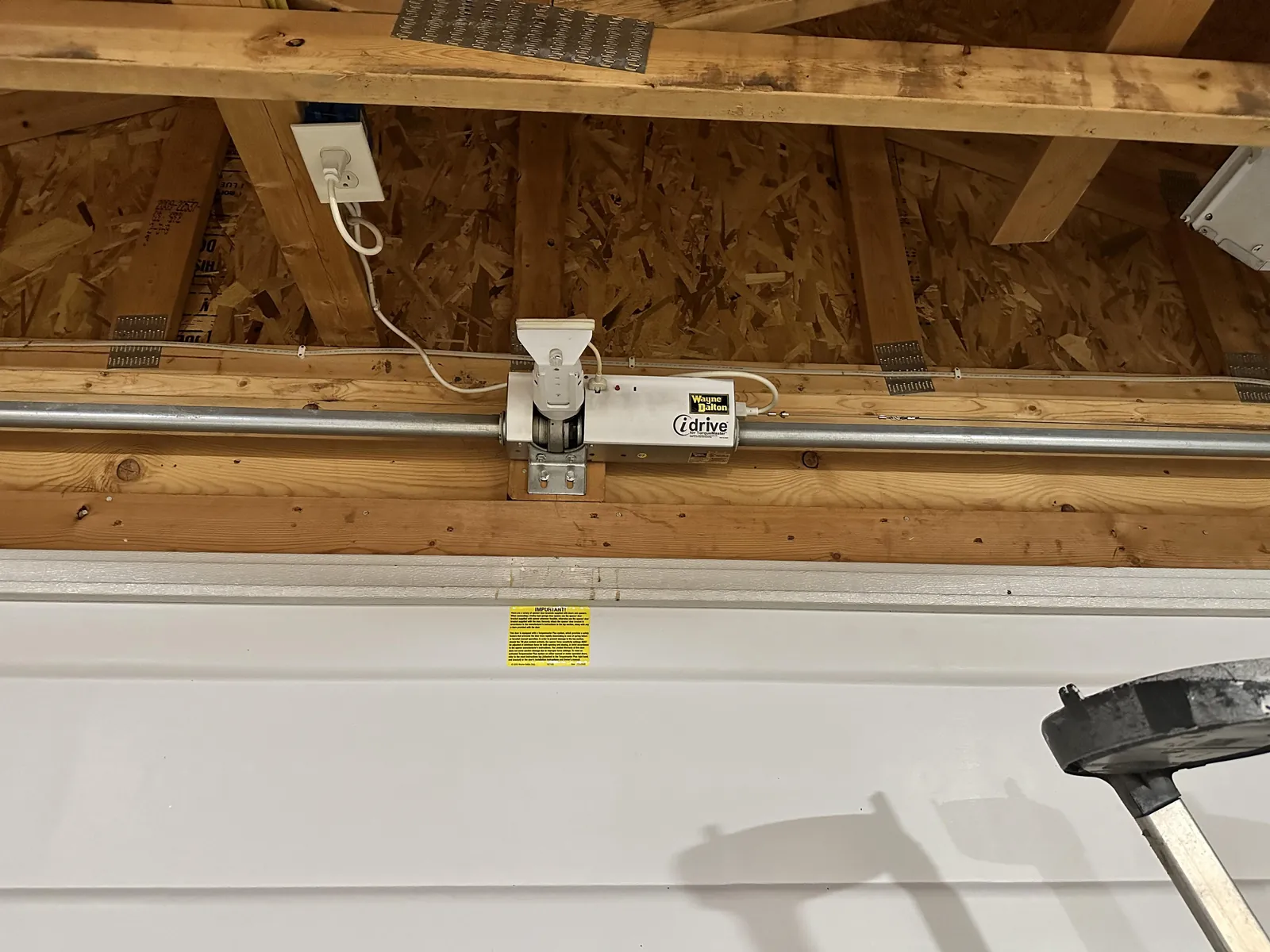
If you decide to seek professional help, ask for a clear estimate before any work begins. Many companies charge a “trip fee” just to diagnose an iDrive because they know parts are difficult to acquire.
If a technician quotes you a price for a “new motor” that’s actually a used one, clarify the warranty period. A professional should be able to tell you within minutes if your specific unit is worth repairing or if it’s time to move on to a modern, supported system.
Related guides
- How a Cogeneration System Works From Power to Heat Explained
- Jandy vs Hayward: Which Pool System Is Right for You in 2026
- Best Hot Tub Water Monitoring Systems: Our Top 10 Picks in 2026
Frequently Asked Questions
Can I upgrade the iDrive firmware?
No, the iDrive system is a legacy product with no firmware updates available. The electronic components are hard-wired and can’t be updated to support modern features like smartphone app integration or improved security encryption. Any attempt to modify the board will likely result in a complete system failure.
Is the iDrive still manufactured?
No, Wayne Dalton discontinued the iDrive line several years ago. They no longer produce the motors, boards, or specific mounting hardware required for the system. While some parts may exist in secondary inventories, the technology is considered obsolete by the manufacturer, and they don’t provide technical support for these specific units.
Will a universal remote work?
Most universal remotes are designed for modern systems and won’t work with the older iDrive frequency. You must specifically look for a remote that matches the 372 MHz frequency used by the original system. Even then, pairing can be difficult due to the age of the receiver board inside the unit.
Can I replace only the motor?
It isn’t possible to replace only the internal motor while keeping the rest of the housing and control system intact. The motor is integrated into the drive assembly. If the motor fails, the entire unit must be replaced, either with a refurbished unit or a completely different style of garage door opener.
Are safety sensors interchangeable?
No, the safety sensors used on the iDrive system are proprietary and not interchangeable with sensors from other brands like Genie or LiftMaster. If your sensors are damaged or broken, you must find an exact match for the iDrive model, which is increasingly difficult as original inventory continues to deplete.
Conclusion
If your system is currently failing, the most cost-effective path is usually to transition to a modern ceiling-mounted opener rather than investing in expensive, used parts for a discontinued machine. Contact a local, reputable garage door service company to request a quote for a full system replacement to ensure your door operates safely and reliably for years to come.
