
Choosing between a liftmaster vs overhead door garage door openers depends on your need for smart home features versus industrial-grade hardware durability. LiftMaster is generally the better choice for homeowners who prioritize modern app control and smart ecosystem integration. Overhead Door remains the superior pick for users who want a legacy-style, heavy-duty motor built for long-term mechanical reliability.
Comparing Garage Door Opener Brands
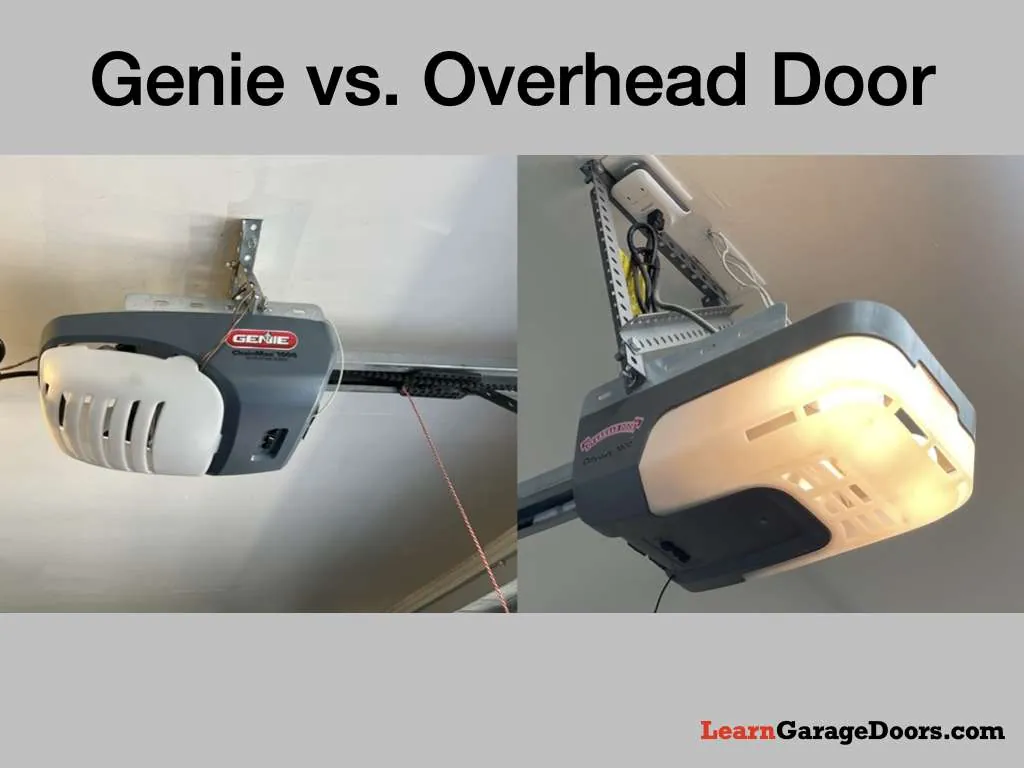
These two brands serve different needs in the residential market. While both provide reliable lifting power, their design philosophies focus on different user priorities. The table below highlights how these systems differ in everyday use.
| Method | How long | Effort | Cost | Best for |
|---|---|---|---|---|
| LiftMaster | 10-15 years | Low | High | Smart home users |
| Overhead Door | 15-20 years | Medium | Medium | Long-term durability |
| Economy Units | 7-10 years | High | Low | Budget replacements |
If you value remote diagnostics and phone alerts, choose the brand with the better software suite. If your primary goal is a motor that lasts two decades with minimal software updates, choose the mechanical specialist. Always verify your current rail length, as these systems often require specific adapters to fit older, non-standard garage tracks.
Most homeowners make the mistake of choosing a brand based solely on the horsepower rating. A 1.25 HP motor is overkill for a standard, balanced aluminum door. You pay a premium for that extra torque without gaining any tangible benefit in speed or longevity. Reserve high-horsepower units strictly for heavy, custom-built carriage house doors or solid wood models.
If your garage is attached to a bedroom, prioritize a belt-drive system with a DC motor. These units feature soft-start and soft-stop technology that eliminates the jarring “clunk” common in older chain-drive models. If you have a detached garage, a standard chain drive remains the superior value. It costs less to maintain and handles temperature fluctuations better than plastic-reinforced belts.
Check your current spring system before upgrading. If your torsion springs are aging, replace them at the same time as the opener. A new motor can’t compensate for a failing spring, and the added strain will burn out your new logic board prematurely.
The LiftMaster Smart Ecosystem
LiftMaster focuses heavily on integrated technology and security features. These units include built-in Wi-Fi and Bluetooth, allowing for seamless connectivity with home automation platforms.
Download the myQ app and create your account to begin the setup process. Follow the on-screen prompts to pair the opener with your 2.4 GHz home Wi-Fi network. If your router broadcasts a combined 2.4/5 GHz signal, force your phone to the 2.4 GHz band during setup to avoid a connection timeout.
Mount the wall-mounted control panel using the provided two screws, ensuring it stays at least 5 feet off the floor. This height prevents small children from reaching the button while allowing adults easy access.
Test the safety sensors by placing an object in the path of the beam to confirm the door reverses. If the door fails to stop, check that the LED lights on both sensors are solid green. A flickering light indicates a loose wire or poor alignment, which will disable the remote-close feature entirely.
These openers are excellent for busy families who need to monitor their garage status remotely. However, they rely on constant internet connectivity for full functionality. If your Wi-Fi is unstable, you’ll lose the ability to trigger the door via your phone. In this case, use the physical remote or keypad to bypass the cloud dependency.
Always ensure your safety sensors are aligned according to Consumer Product Safety Commission guidelines. Misalignment is the most common cause of “phantom” door reversals, which frequently leads users to mistakenly disable their safety features rather than simply cleaning the sensor lenses.
The Overhead Door Mechanical Design

Overhead Door builds units with a focus on raw, mechanical strength. Their designs prioritize metal components in the drive system, which handle heavy wooden or oversized garage doors more effectively than plastic-geared alternatives.
Attach the header bracket to the wall above the garage door center, ensuring it’s level with the ceiling tracks. If you’re mounting to drywall, use a wood backer board to prevent the bracket from pulling loose under the door’s weight.
Assemble the rail sections and connect them to the power head, tightening all bolts to the torque settings in the manual. Using an impact driver here often strips the threads; stick to a hand wrench to ensure the metal fasteners seat properly without cracking the housing.
Mount the motor unit to the ceiling using the provided steel angle iron. Ensure the unit is perfectly parallel to the door. If the rail sits at an angle, the trolley will bind, leading to premature gear wear.
Adjust the limit switches to define exactly where the door stops. If the door reverses before hitting the floor, your force settings are likely too sensitive. Increase the travel force by one-quarter turn until the door closes firmly without triggering the safety sensor.
This brand is ideal for a “set it and forget it” approach. The downside is that older models lack native smart features. If you want app-based control, you must purchase an external bridge device. This adds a secondary point of failure, so verify your Wi-Fi signal strength at the motor housing before beginning the integration.
Selecting the Right System
When you’re in a hurry, choose LiftMaster because the app-based setup is faster and more intuitive for quick configuration. If you’re doing this for the first time, Overhead Door is often easier to install because the mechanical instructions are straightforward and require less digital troubleshooting. When you want the best possible result whatever it takes, opt for a premium LiftMaster model with a DC motor.
The trade-off here is between digital convenience and mechanical longevity. You must decide if you prefer an opener that talks to your phone or one that simply works without needing a firmware update. Always check the weight capacity of your existing door before buying, as a motor that’s too weak will burn out regardless of the brand you choose.
If your garage door exceeds 300 pounds, avoid standard residential units entirely. You must install a jackshaft-style opener to prevent premature gear stripping. Most homeowners mistakenly buy based on horsepower ratings alone, ignoring the actual spring balance of the door.
Test your door by disconnecting the opener and lifting it by hand. If it doesn’t stay in place halfway up, your springs are unbalanced. Installing a new motor on an unbalanced door will destroy the internal drive assembly.
If you live in an area with frequent power outages, prioritize a model with an integrated battery backup. Without this, you’ll be locked out during a storm. If your garage is detached from the main house, choose a belt-drive system to minimize noise transfer through the structure.
Maintaining Your Garage Opener
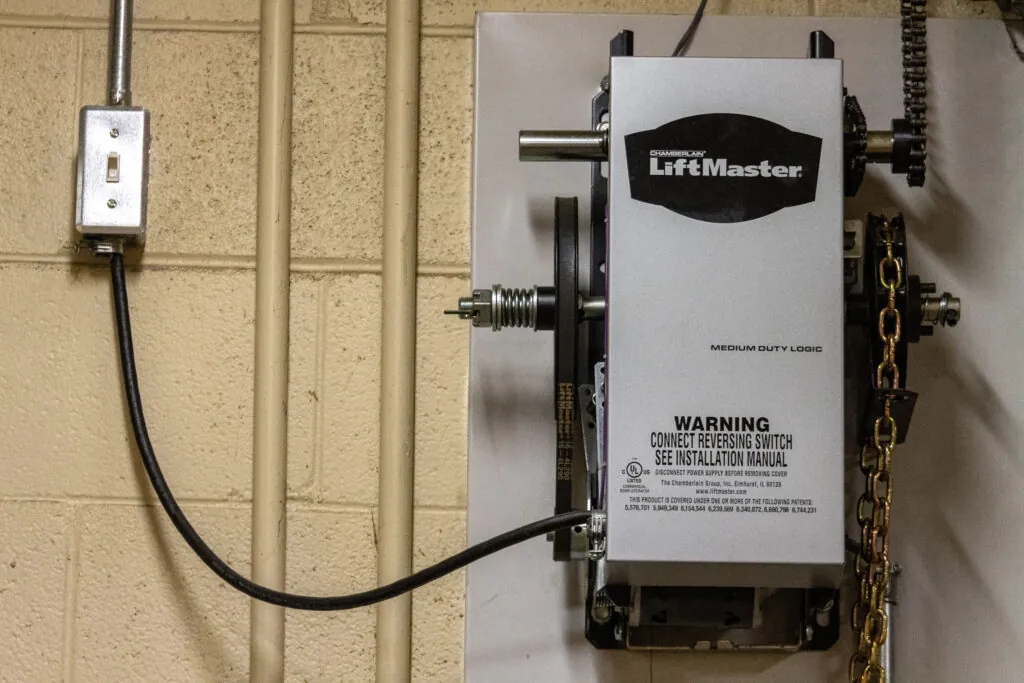
Regardless of the brand, safety and maintenance follow strict industry standards. You must check the door balance monthly to ensure the springs are handling the weight, not the motor.
Disconnect the opener by pulling the emergency release cord. Lift the door manually to the midpoint; if it doesn’t stay in place, the springs need professional adjustment. A door that drifts downward indicates the springs have lost their tension, forcing the motor to work harder and shortening its lifespan by years.
Lubricate the tracks and hinges with a silicone-based spray to reduce friction. Avoid using lithium grease or oil, as these attract dust and grit that eventually turn into a grinding paste. Apply the lubricant to the rollers and the pivot points of the hinges every six months.
Tighten any loose hardware or bolts on the rail every six months. Vibration from daily use naturally loosens these connections, which leads to misalignment and noisy operation. If you hear a rhythmic clicking or popping, check the brackets first.
If the door doesn’t move smoothly, don’t try to adjust the tension springs yourself. These components are under extreme pressure and can cause severe injury if handled incorrectly. If the door feels heavy or jerky, stop immediately.
Always contact a certified garage door technician to handle spring repairs or cable replacements to ensure the system remains safe for daily operation. A professional technician will also inspect the auto-reverse sensors, which should be tested monthly by placing a solid object in the door’s path to confirm it retracts upon contact.
Frequently asked questions
Can I install these garage door openers by myself?
Yes, you can install them yourself if you have basic hand tools and a sturdy ladder. Most manufacturers provide detailed manuals that guide you through the assembly. If you aren’t comfortable working with electrical wiring or heavy overhead lifting, hire a professional. A mistake during installation can damage your door or cause the motor to fail prematurely, making the DIY effort more expensive than the cost of a pro.
How long do these garage door openers last?
Most residential openers last for a variable period depending on daily usage cycles. LiftMaster units typically reach a significant age with moderate use, while Overhead Door models often last even longer due to their robust drive systems. The actual lifespan varies based on the weight of your garage door and whether you perform the recommended maintenance, such as lubricating tracks and checking spring balance every year.
Is it safe to use a smart opener?
Yes, it’s safe as long as you secure your home network with a strong password. These openers use encrypted signals to communicate with your phone, making them difficult for outsiders to hack. Always keep your app updated to the latest version to ensure all security patches are active. If you notice the door opening without your input, check your app’s access logs to see which user account triggered the action.
What happens if the power goes out?
The door will stop moving, but you can always use the manual emergency release cord to open it by hand. Both brands include this feature as a standard safety requirement. To regain automatic control, you must re-engage the trolley by pulling the release cord toward the door. Some premium models offer optional battery backups that allow you to open and close the door for 24 hours after a power failure.
How often should I test the auto-reverse feature?
You should test the auto-reverse feature at least once a month. Place a 2-inch thick object, like a piece of wood, on the floor in the path of the door. When the door hits the object, it must reverse immediately. If it does not, adjust the force settings or the sensor alignment. Never use a heavy object for this test, as it could damage the door panel if the sensors fail.
Conclusion
Ultimately, the best decision comes down to how you interact with your home every day. If you’re still unsure, check your current garage door’s weight and spring setup. You’ll want to consult a local technician to ensure your choice won’t strain your system, so they’re your best bet for a smooth installation.
