
High-pressure, handheld, rainfall, and filtered models are the best shower heads for improving your daily washing experience. These fixtures deliver consistent flow but differ in spray patterns and installation. Choosing the right one depends on your plumbing pressure and preferences, as a high-flow head can’t compensate for low home water pressure.
Comparison of shower head types
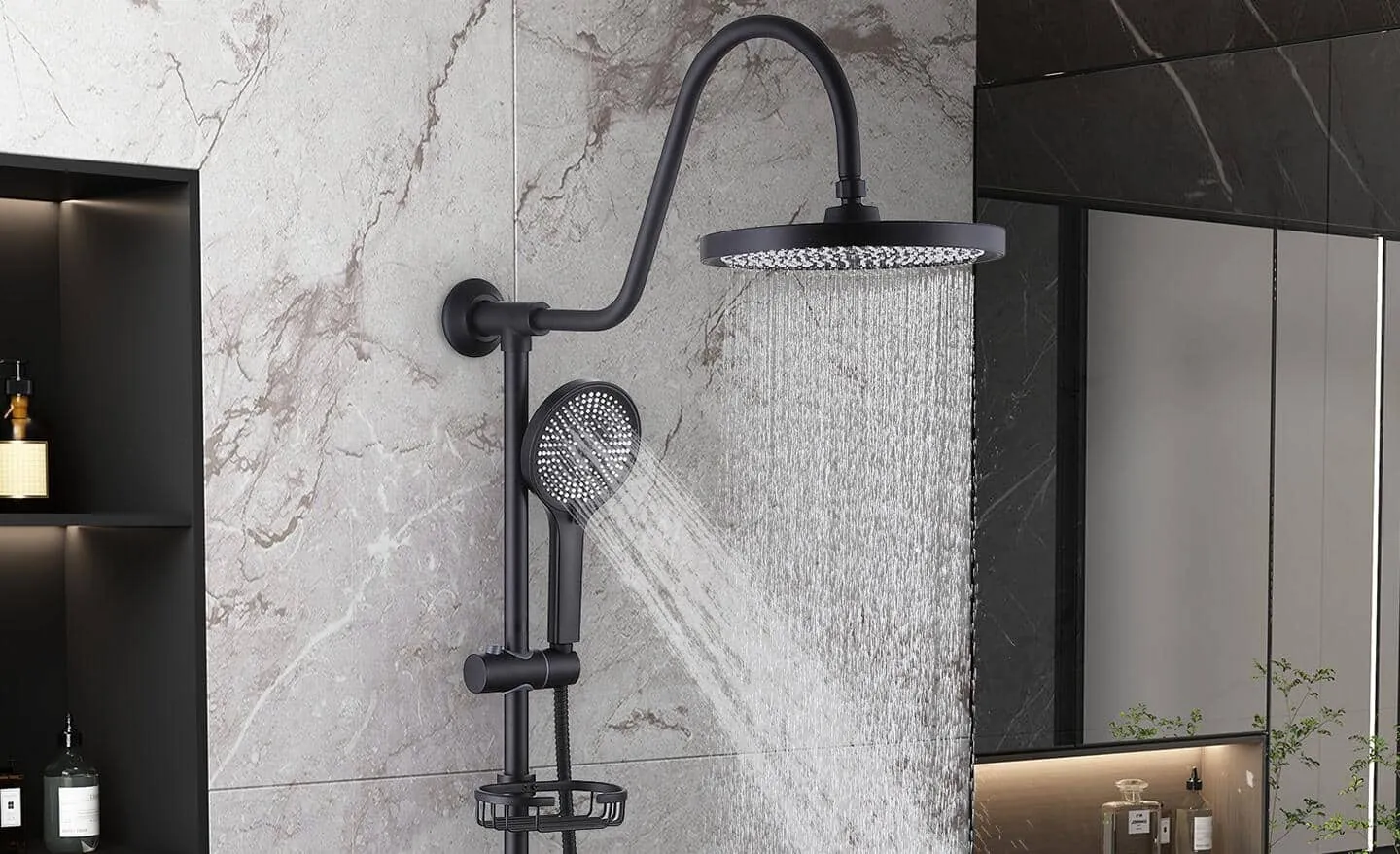
Selecting the right fixture depends on your goal, such as saving water or improving comfort. The following table highlights the primary options available for home bathrooms.
| Type | Best For | Typical Example |
|---|---|---|
| Rainfall | Wide coverage | Large flat overhead panel |
| Handheld | Targeted rinsing | Detachable unit on hose |
| High-pressure | Low flow homes | Small diameter spray face |
| Filtered | Sensitive skin | Built-in chlorine cartridge |
| Dual-head | Versatile daily use | Fixed plus handheld combo |
If your home suffers from low water pressure, avoid rainfall heads. Their wide surface area disperses water too thinly, resulting in a weak, unsatisfying drizzle. Instead, choose a high-pressure model with a smaller diameter spray face to concentrate the flow.
Check your current plumbing setup before purchasing. If you lack a diverter valve, installing a dual-head system requires opening the wall to update the pipe configuration. This oversight is inexpensive relative to the cost of a full bathroom renovation.
For those with sensitive skin or brittle hair, prioritize a filtered head. These units contain replaceable cartridges that neutralize chlorine and heavy metals. The replacement frequency depends on use, so consult your owner’s manual for the correct schedule to maintain effectiveness.
If you’re unsure which to pick, look at your shower stall size. A handheld unit is essential for a stall under thirty-six inches wide, as it allows you to rinse corners without hitting the walls. In larger walk-in showers, a rainfall head provides the necessary coverage to keep you warm while you move around the space.
Rainfall shower heads
A rainfall shower head provides a gentle, wide spray that mimics natural rain by using a large, flat face with many small holes. These are ideal for those who prefer a relaxing, spa-like experience rather than a powerful massage. They’re usually mounted directly overhead, meaning you need a ceiling pipe or a long extension arm to position them correctly.
- Provides even water distribution over the entire body.
- Creates a quiet, soothing sound during use.
- Offers a consistent flow without sharp, stinging streams.
If you have low water pressure, a large rainfall head might produce a weak, dripping effect instead of a steady spray. For a standard 8-inch wide rainfall unit, ensure your shower arm is long enough to keep the water centered over the floor drain. If you are 6 feet tall or more, use an S-shaped extension arm to raise the height, as these heads sit lower than traditional wall-mounted versions.
Handheld shower heads
Handheld models feature a detachable spray head connected to a flexible metal or plastic hose, making them the most versatile choice for cleaning the shower enclosure or washing children and pets. This design suits households where different people have different height preferences or mobility needs. If you need to focus water on specific areas of the body, a handheld unit is the most effective tool.
- Allows for easy rinsing of hard-to-reach areas.
- Simplifies cleaning the shower walls and floor.
- Provides adjustable height when placed on a sliding rail.
Most handheld units come with a wall-mounted cradle. If you use the handheld feature daily, look for a model with a reinforced hose to prevent kinking. A common mistake is choosing a plastic hose that stiffens over time; this rigidity makes the head difficult to aim and eventually leads to cracks near the connection point. Invest in a double-interlock stainless steel hose to ensure flexibility and longevity.
To keep the flow consistent, the Environmental Protection Agency recommends choosing WaterSense labeled products, which are certified to use no more than 2.0 gallons per minute while maintaining high performance. Check the diameter of the spray face before purchasing. A head wider than five inches often loses pressure, resulting in a weak, unsatisfying spray. If your home has low water pressure, stick to a head that’s four inches or smaller to maintain a forceful stream.
Determine if your current plumbing requires a diverter valve to toggle between a fixed showerhead and the handheld unit. If your existing setup lacks this, you must buy a kit that includes a dual-outlet diverter. Without one, you’ll be forced to unscrew the hose every time you want to switch modes, which quickly strips the threads and causes leaks.
High-pressure shower heads
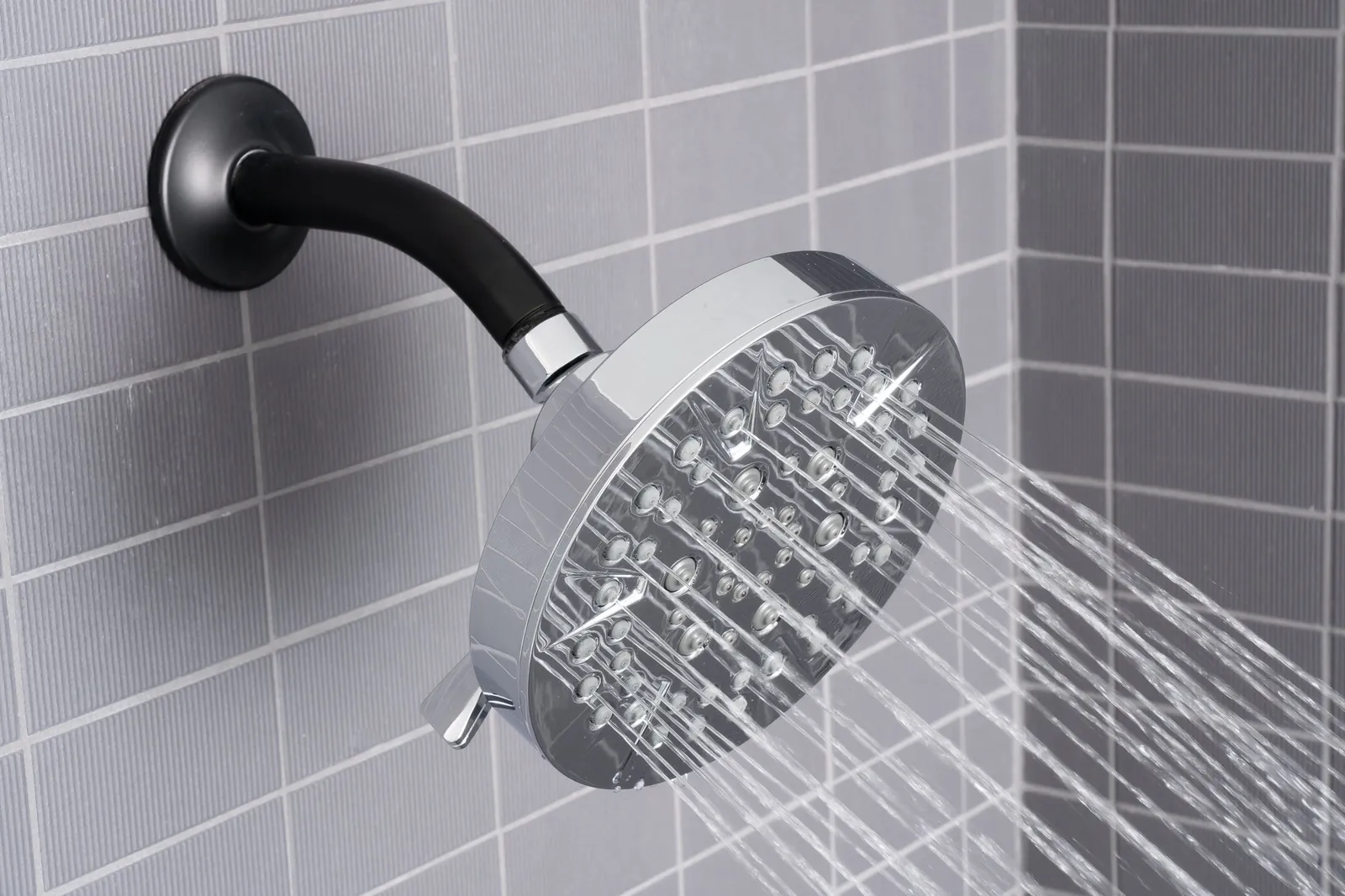
High-pressure shower heads are engineered to maximize the force of water, making them the ideal choice for homes with weak plumbing or users who prefer a vigorous, massage-like experience. These units utilize smaller nozzles or internal air-induction technology to accelerate water before it exits the face. Because they’re typically smaller than rainfall heads, they maintain higher velocity across the spray pattern.
If your home’s static water pressure measures below 40 PSI, a high-pressure head provides the necessary mechanical advantage to make a shower feel functional rather than sluggish. However, if your pressure is already robust, these heads can feel abrasive. If you have sensitive skin or suffer from conditions like eczema, the concentrated needles of water may cause irritation that a wider, softer spray pattern avoids.
Before buying, check the small screen filter located at the base of your existing unit for mineral deposits. If the filter is clean but the flow remains weak, the bottleneck is likely your home’s supply lines or a pressure-reducing valve. In these cases, a new shower head acts only as a cosmetic fix; you’ll need a professional plumber to adjust the main regulator to see a meaningful change.
When selecting a model, look for the “GPM” (gallons per minute) rating. If your local building code mandates 1.5 GPM, ensure the head is specifically rated for that flow rate. Choosing a high-flow head in a low-flow municipality can result in poor performance because the internal restrictors will choke the stream.
If you have thick hair, prioritize models with a “concentrated” or “jet” setting, as these disperse water with enough kinetic energy to penetrate dense layers, cutting your rinse time by nearly half compared to standard aerated heads.
Filtered shower heads
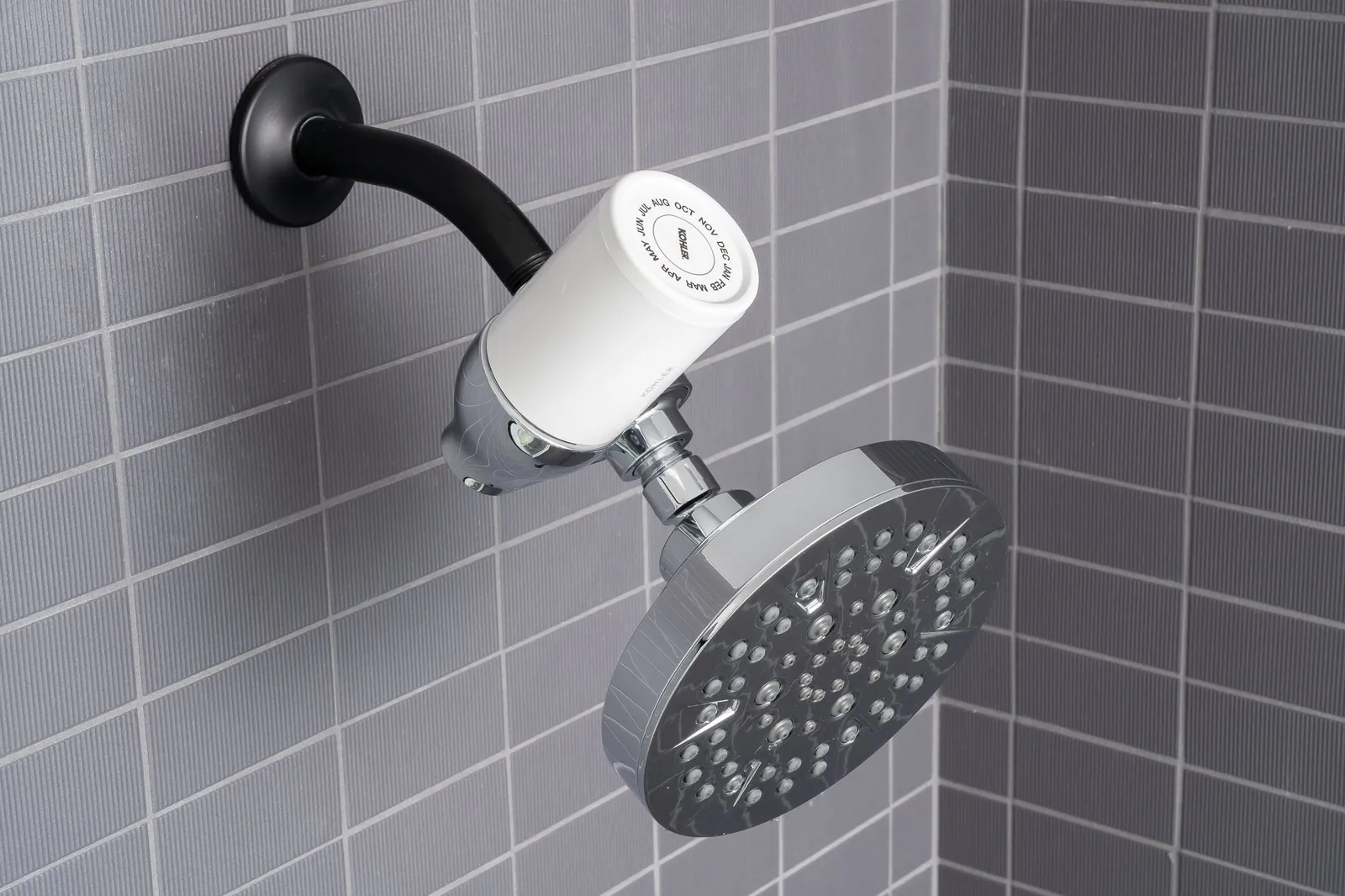
Filtered shower heads include a replaceable cartridge that reduces chlorine, heavy metals, and scale buildup before the water hits your skin. These are intended for people who live in areas with hard water or high chlorine levels, which can lead to dry, itchy skin or brittle hair. The filter housing adds bulk to the unit, so check your shower arm clearance before installing.
Measure the distance from your wall to the center of your existing shower head. If you have less than six inches of clearance, a standard inline filter may force the spray to hit your chest rather than your shoulders.
- Reduces the harsh smell of chlorine in the steam.
- Prevents mineral deposits from clogging the nozzles.
- Softens the impact of hard water on hair health.
If your hair feels waxy or coated after a wash, you likely have high mineral content. A filter helps, but it can’t replace a whole-home water softener. If you see white, crusty buildup on your faucets, your water hardness is high enough to saturate a standard filter in under 90 days.
Most filters require a cartridge replacement every 3 to 6 months, depending on your household water usage and the local water hardness. If you notice the water flow slowing down significantly, the filter is likely saturated with debris. Always keep a spare cartridge on hand, as a clogged filter will drastically reduce the pressure regardless of the shower head’s design.
Set a recurring calendar alert for 12 weeks. If your household exceeds four people, move that alert to 8 weeks to maintain consistent pressure and filtration quality.
Other shower head options
Dual-head systems feature both a fixed shower head and a handheld unit on a diverter valve. These are perfect for shared bathrooms where one person wants the coverage of a fixed unit and the other needs the flexibility of a hand shower.
If your shower stall is smaller than 36 inches square, however, these systems can feel cramped. In that case, choose a magnetic docking system rather than a traditional hose mount to keep the handheld unit flush against the wall when not in use.
LED shower heads use the flow of water to power small lights inside the unit, changing colors based on the temperature. These are mostly decorative and provide a visual indicator of water warmth, though they don’t change the actual spray quality. If you choose these, check the turbine mechanism for debris every six months. Hard water buildup often clogs the internal generator, which causes the lights to flicker or fail entirely within the first year of ownership.
Wall-mount fixed heads are the most common and affordable option, providing a simple, static spray pattern. They’re ideal for guest bathrooms or smaller stalls where space is limited and you want a reliable, maintenance-free setup that stays in one place.
If you have low water pressure, look for heads with a single-function setting rather than multi-setting dials. Multi-setting heads often contain complex internal restrictors that further sap pressure. A single-function head maximizes the force of the water you already have, ensuring a more consistent rinse.
How to choose between them
To pick the best shower head, start by looking at your current shower setup and your specific needs. If you have low water pressure, avoid large rainfall heads and choose a high-pressure model instead.
If you share your bathroom with family members who have different needs, a dual-head system offers the best of both worlds by combining a large fixed head with a handheld option. When you prioritize skin health over water force, a filtered head is the right choice, provided you’re willing to manage the ongoing cost and maintenance of replacing cartridges.
Consider your height and the position of your current shower arm before buying. If your shower arm is low, a rainfall head will feel cramped, so look for a handheld unit on a slide bar that you can move up or down.
These choices aren’t mutually exclusive in terms of function, but they’re physically distinct; for example, you can buy a handheld unit that also features a built-in filter. Most installations are standard, meaning you can swap your existing head for a new one using only a wrench and some plumber’s tape.
Frequently Asked Questions
How long do shower heads last?
Most high-quality shower heads last 5 to 10 years, depending on mineral buildup. If you see white crust on the nozzles, soak the head in white vinegar to dissolve the scale. If the finish flakes or internal parts crack, the unit will need replacing.
Is it safe to install a new shower head myself?
Yes, you can safely install a new shower head yourself by not overtightening the connections. Use plumber’s tape on the threads to ensure a watertight seal. If a leak occurs, remove the head and add more tape rather than forcing the nut with a wrench.
Can a shower head help me save money on water bills?
Yes, a water-efficient shower head can lower your monthly utility costs by reducing the volume of water used per minute. Most modern models use 1.5 to 2.0 gallons per minute, compared to older units exceeding 2.5 gallons. Savings depend on shower length and water heating costs.
Why is my new shower head leaking at the base?
A leak at the base usually happens because the threads aren’t sealed properly or the washer is damaged. Ensure the rubber O-ring is seated correctly inside the connector before attaching it to the pipe. If it still leaks, apply plumber’s tape to the shower arm threads.
Do I need a plumber to change my shower head?
No, you don’t need a plumber to change a standard shower head, as it’s a simple DIY task. If you’re replacing a complex system requiring new pipes or diverter valves, consult a professional. Any job involving cutting pipes should be handled by a licensed plumber.
What happens if I have hard water?
Hard water contains minerals that clog nozzles and reduce flow over time. If you live in a hard water area, clean your shower head by soaking it in vinegar to break down buildup. Alternatively, installing a filtered shower head can help, though filters require frequent replacement.
How much water pressure do I need?
You need at least 20 to 30 pounds per square inch of water pressure for a satisfying experience. If your home pressure is below this level, you’ll experience a weak spray regardless of the head. If pressure remains low, consult a plumber to check your regulator valve.
Conclusion
Start by unscrewing your current shower head with an adjustable wrench to see if the pipe threads are clean or covered in mineral scale. Once the old unit is off, check the flow to ensure no debris is stuck. If the water flows strongly, install your new head using fresh plumber’s tape.