
Deciding between a Genie vs chamberlain door openers is a common dilemma for homeowners looking to upgrade their garage entry systems. Both brands dominate the market with reliable, long-lasting products, but they cater to slightly different preferences regarding installation, smart technology integration, and drive mechanisms. When planning your budget for these units, you should expect to spend between $180 and $650 for a standard residential opener, depending on whether you opt for a basic chain drive or a high-end wall-mount unit with integrated cameras.
Key Takeaways
- Chamberlain is widely regarded for its seamless integration with the myQ ecosystem, making it the top choice for smart home enthusiasts.
- Genie is often praised for its “Safe-T-Beam” technology and ease of installation, particularly for DIYers who prefer straightforward hardware.
- Drive type matters: choose belt drives for quiet operation, chain drives for heavy-duty reliability, and wall-mount units for space-saving ceiling clearance.
- Always check your garage door weight and height requirements before purchasing, as some models are specifically designed for eight-foot doors or heavy carriage-style doors.
- Most modern openers require a battery backup by law in certain states to ensure operation during power outages.
Choosing Between Genie and Chamberlain Door Openers
The mechanism that moves your door is the most critical factor in your selection. Both Genie and Chamberlain offer three primary drive configurations. Understanding these helps you match the hardware to your garage’s specific environment.
Belt Drive Systems
These systems use a steel-reinforced rubber belt, which makes them the quietest operation choice available. They’re ideal if your garage is attached to the house or located underneath a bedroom. Both brands offer premium belt-drive models that include soft-start and soft-stop technology to reduce wear and tear.
Chain Drive Systems
The industry standard for decades, chain drives are known for their rugged durability. They’re typically the most affordable option, though they’re louder than belt-driven models. If you have a heavy wooden door or a detached garage where noise isn’t a concern, a chain drive is a cost-effective workhorse.
Wall-Mount Openers
These units mount to the wall beside the door rather than the ceiling. They’re perfect for garages with high or sloped ceilings where a traditional center-mounted rail would be impossible to install. They free up significant overhead storage space and typically include a remote-controlled deadbolt for added security.
| Feature Type | Belt Drive | Chain Drive | Wall-Mount |
|---|---|---|---|
| Noise Level | Very Quiet | Moderate/Loud | Quiet |
| Maintenance | Low | Moderate | Low |
| Ideal For | Attached Garages | Budget/Heavy Doors | High Ceilings |
| Price Range | $250 – $600 | $180 – $400 | $400 – $650 |
Comparing Smart Home Ecosystems
Modern garage door openers are essentially smart devices. Chamberlain utilizes the myQ app, which has become the benchmark for connectivity. Genie uses the Aladdin Connect system, which is also highly capable but serves a different segment of the market.
Chamberlain and myQ
Chamberlain’s myQ platform allows for real-time monitoring and control from anywhere. It integrates well with Amazon Key, allowing for secure in-garage delivery of packages. The app is generally praised for its user-friendly interface and reliable push notifications.
Genie and Aladdin Connect
Genie’s Aladdin Connect is a robust alternative. It provides the same essential features—opening, closing, and scheduling—but it often feels more focused on the core functionality of the hardware. For users who prioritize a no-nonsense interface, Genie provides a very stable experience that focuses on security and direct control.
Installation and DIY Compatibility
If you’re planning to install the unit yourself, the process is usually similar for both brands. However, Genie is frequently cited for its modular rail system, which can be easier to assemble in tight spaces. Chamberlain units are often pre-assembled at the factory, which speeds up the physical installation but requires you to handle a longer, bulkier box.
Pro Tip: Always test the balance of your garage door by disconnecting the opener and lifting it manually. If the door doesn’t stay in place halfway up, the springs are improperly tensioned, and no opener will function safely until the springs are adjusted by a professional.
Safety Features and Regulations
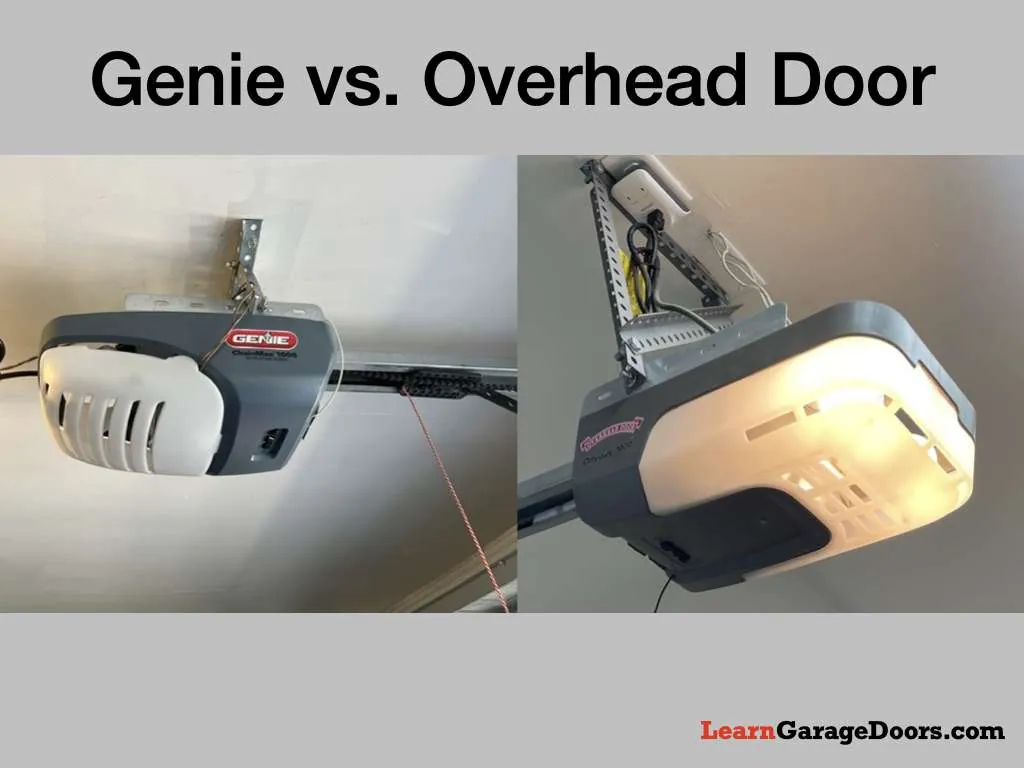
Safety is non-negotiable. Modern openers must comply with Underwriters Laboratories standards regarding entrapment protection. Both brands use infrared sensors that prevent the door from closing if an object or person breaks the beam.
- Obstruction Sensing: Both brands include technology that reverses the door if it meets resistance.
- Rolling Codes: Both companies use encrypted signal technology to prevent burglars from intercepting your remote control code.
- Battery Backup: Many newer models include an integrated battery, which is essential for ensuring your door functions during a power outage.
Maintenance and Troubleshooting
Regardless of the brand, a garage door opener requires periodic care to function at its peak. Neglecting maintenance can lead to premature failure of the motor or the drive gear.
Routine Maintenance Steps
- Lubrication: Use a silicone-based lubricant on the rails and hinges every six months. Never use grease on a belt drive rail.
- Hardware Check: Tighten all bolts and nuts, as vibration can loosen them over time.
- Balance Test: Every month, ensure the door is balanced so the opener doesn’t have to work harder than necessary.
Common Troubleshooting Issues
If your door fails to close, the first step is always to check the safety sensors. If the LED lights on the sensors are blinking, they’re likely misaligned or obstructed. Cleaning the lenses with a soft cloth often resolves the issue. If the motor hums but the door doesn’t move, the manual release cord may have been pulled, disengaging the carriage from the rail.
| Problem | Likely Cause | Fix |
|---|---|---|
| Door reverses immediately | Sensor misalignment | Align sensor beams |
| Motor runs but no move | Disengaged carriage | Re-engage the trolley |
| Remote is unresponsive | Battery or interference | Replace batteries |
| Door noisy during operation | Dry rails or hinges | Apply silicone lubricant |
Choosing the Right Horsepower
The motor strength, or horsepower (HP), determines how easily your opener can lift your door. For most standard residential aluminum or steel doors, a 1/2 HP motor is sufficient. However, if you have a heavy carriage-house door or a solid wood door, you should move up to a 3/4 HP or higher motor.
Warning: Don’t over-specify your motor. Buying a 1.25 HP motor for a lightweight, single-car door is unnecessary and often leads to higher energy consumption and increased wear on the door components.
Warranty and Support Comparison
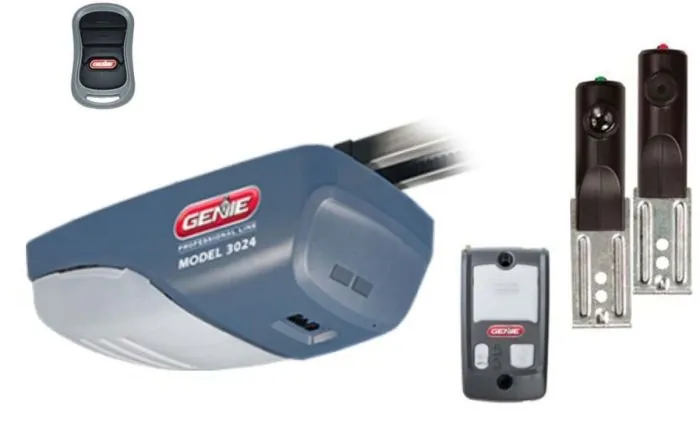
Chamberlain often provides a lifetime warranty on the motor and belt, though the electronics and accessories usually have shorter coverage periods. Genie also offers generous warranties, but you must register the product online to ensure you receive the full duration of the coverage. Always keep your original receipt in a safe place, as manufacturers require proof of purchase to honor any claims.
Related guides
- Kohler vs Moen Faucets: Which Brand Is Right for Your Home in 2026
- Kohler vs Delta Faucets: Which Brand Is Right for Your Home in 2026
- Moen vs Delta Faucets: Which Brand Is Right for Your Home in 2026
Frequently Asked Questions
Which brand is better for smart homes?
Chamberlain is generally preferred for smart home enthusiasts because of the myQ app’s extensive integration capabilities with third-party platforms like Amazon Key and various home automation hubs. While Genie’s Aladdin Connect is excellent for basic remote operation and alerts, Chamberlain’s ecosystem currently offers a wider array of partnerships and features that make it the industry leader in connected garage technology.
Can I install these openers by myself?
Yes, both brands are designed for DIY installation. Most units come with detailed manuals and online video tutorials that guide you through the process. However, the task involves working with heavy components and high-tension garage door springs. If you aren’t comfortable with mechanical work or lifting heavy objects, hiring a professional installer is recommended to ensure the unit is balanced and safe.
Do I need a battery backup?
While not required for every single door opener, many states and local building codes now mandate a battery backup for new installations. Even if not legally required in your area, it’s a highly recommended feature. It ensures that you can enter or exit your garage during a power outage, which is a major convenience and a safety necessity for many homeowners.
How often should I replace the opener?
A high-quality garage door opener typically lasts between 10 and 15 years. Factors such as usage frequency, local climate, and regular maintenance play a significant role in the longevity of the unit. If you find yourself frequently calling for repairs or if the motor starts making grinding noises, it’s usually more cost-effective to replace the unit than to continue paying for individual component repairs.
Are remotes interchangeable between brands?
Generally, no. Genie and Chamberlain use different radio frequencies and encryption protocols for their remote controls. While you can purchase universal remotes that are compatible with both brands, the proprietary remotes that come in the box are brand-specific. If you want to use a single remote for multiple doors, you must ensure both openers support the same universal standard or purchase a dedicated universal transmitter.
Conclusion
Selecting the right opener depends on your specific needs for noise control, ceiling space, and smart home connectivity. If you prioritize app integration, Chamberlain’s myQ is the standout choice. If you prefer a straightforward, reliable installation, Genie’s product range is an excellent fit. Take a moment to measure your garage ceiling height and door weight today, then visit a local home improvement retailer to confirm the exact model specifications that match your door’s requirements.
