
Place traps where rats travel — along walls, behind appliances, and in dark corners near droppings or gnaw marks. Getting the most out of rat traps means putting them against vertical surfaces with the trigger end facing the wall, since rats run close to edges and avoid open space. Space traps about 10 to 20 feet apart in active areas, and check them daily until activity stops.
The single thing that decides whether traps work is placement along actual rat runways, not where it’s convenient for you. Rats follow the same paths night after night, staying close to walls and objects, so a trap in the middle of a room usually sits untouched.
The most common mistake is putting bait on the trap and setting it in open floor space, hoping rats will find it. Rats avoid open areas because they feel exposed, so a trap out in the open is simply ignored no matter how good the bait is.
Find the rat runways first

Look for the signs rats leave behind: dark droppings the size of a raisin, greasy smudge marks along baseboards, gnawed food packages, and scratching sounds at night. These marks show you the paths rats use, and that’s where traps belong. Fresh droppings feel soft and look black, while old ones turn gray and crumble when touched, telling you exactly which routes are active right now.
Set traps flush against walls, behind the stove or refrigerator, inside cabinets, and in dark corners where droppings appear. Place the trigger end of the trap facing the wall so the rat runs straight into it. Space traps about 10 to 20 feet apart in areas with clear activity, and check them every day.
Move any trap that hasn’t caught anything after two nights to a new spot along the same wall. If you see two parallel grease marks on a baseboard, the gap between them is too wide for a single trap, so set two devices side by side to cover both travel lanes.
Tip: Wear gloves when handling traps and bait so your scent doesn’t warn rats away. Human odor on a fresh trap makes cautious rats detour immediately, wasting your first critical night of hunting.
Tip: If you have pets or children, place traps inside lockable bait stations or behind appliances where small hands and paws can’t reach them. A snapped trap can break a dog’s nose or sever a cat’s paw, turning a pest problem into an emergency vet visit.
If you’re dealing with a large infestation or traps in an attic or crawl space, contact a licensed pest control professional who can reach those areas safely. Trying to crawl into tight insulation spaces without proper gear often leads to exposed wiring hazards or accidental falls through drywall ceilings.
How long it takes to catch rats
Expect results within a few days to two weeks, depending on how many rats are present and how quickly they accept new objects in their path.
| Situation | How long | What changes it | What to watch for |
|---|---|---|---|
| One or two rats, fresh traps | 2 to 5 days | Rats may avoid new traps at first | Check traps daily and refresh bait |
| Several rats, clear runways | 5 to 10 days | More rats mean more catches early | Empty and reset traps as needed |
| Large infestation or hidden nests | 1 to 2 weeks | Nests behind walls slow progress | Droppings may keep appearing until the nest is gone |
If you see no activity after four days, your trap is likely not on a primary runway. Move it closer to fresh droppings or dark, greasy rub marks along baseboards. Always ensure the trigger faces the wall, as rats prefer moving along vertical surfaces for security.
A common mistake is baiting the trap without setting it. Leave traps unset with bait for two nights to let the colony grow accustomed to the new food source. If you skip this, wary rats will trigger the trap once and learn to avoid it entirely.
You’re dealing with a large infestation if you hear scratching inside walls after a week of trapping. In this case, increase your trap count to at least six units placed in a line. If you catch nothing after ten days, the rats have likely shifted their path due to structural changes or new food sources. Shift your focus to sealing entry points, as trapping alone won’t solve a persistent colony.
Signs your trap placement is working
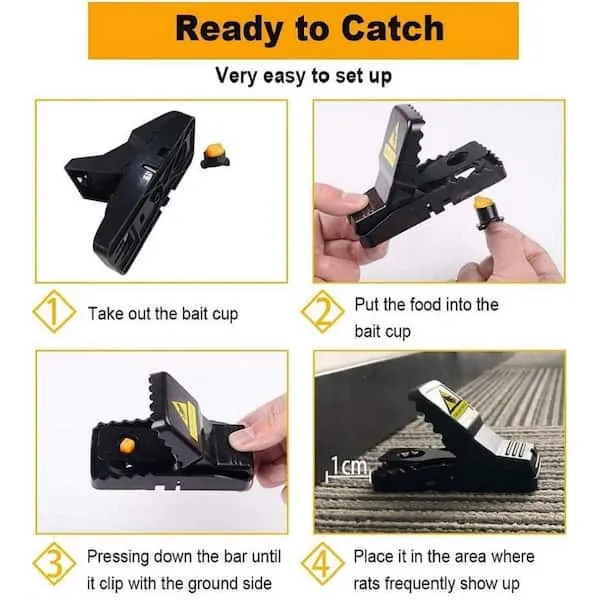
Fresh catches are the clearest sign, but you can also watch for droppings disappearing from a spot, gnaw marks stopping, and scratching noises ending at night.
A trap that sits untouched for several nights while droppings keep appearing nearby means the trap is off the runway. Mice travel within inches of walls. Move the trap so its trigger faces the baseboard.
When signs disagree, use the flour test: sprinkle a thin layer of flour along the wall where you suspect activity, and check for fresh footprints the next morning. If there are no prints, move the trap to the wall with the tracks.
Droppings tell you which rodent you’re dealing with. Mouse pellets are under a quarter inch long. Rat droppings are half an inch or more. Using a mouse snap trap for rats just gives them a free meal. Match the trap size to the dropping size.
The Centers for Disease Control and Prevention publishes guidance on rodent control and the diseases rats can spread, which helps you decide when to call a professional.
Mistakes that ruin trap placement
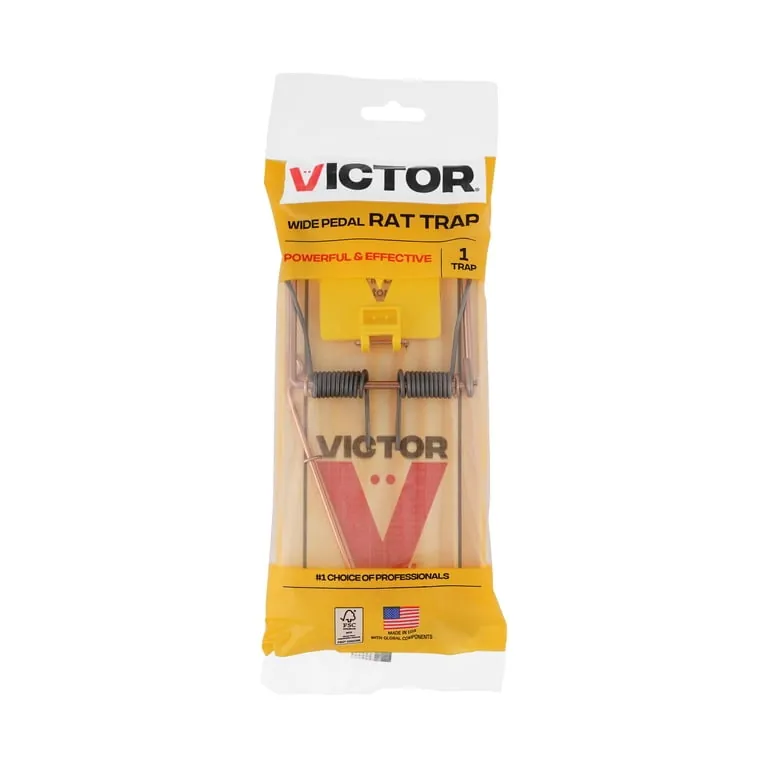
Setting traps in open floor space — rats avoid open areas and won’t cross a room to reach a trap; place traps against walls instead.
Rats travel with their shoulder brushing the baseboard. Place the trigger end facing the wall so they step on it headfirst.
A trap set perpendicular to the wall catches twice as many as one laid parallel. They run into the trigger rather than along it.
Using too much bait — a large pile lets a rat nibble without springing the trigger; use a pea-sized amount of peanut butter or dried fruit.
Smear peanut butter into the trigger cup so they have to pull at it. A loose glob just gets licked clean.
Dried fruit works better in humid basements where peanut butter goes rancid within three days. Tie it on with dental floss.
Touching traps with bare hands — human scent can make rats wary; wear gloves when setting and handling traps.
Wash new traps with unscented dish soap before first use. Factory machine oil smells foreign enough to keep them away for days.
Leaving unset traps out for weeks — rats learn the objects are harmless and start avoiding them; set traps the moment you place them.
Leave traps baited but unset for two nights if you suspect trap shyness. Set them on the third night once feeding starts.
Related guides
Frequently asked questions
How far apart should rat traps be placed?
Space traps about 10 to 20 feet apart in active areas, assuming clear runways along walls. Move any trap that catches nothing after two nights.
Can I place rat traps in the middle of a room?
No. Rats run along walls and edges, so a trap in open floor space is usually ignored.
Why do rats avoid new traps?
Rats are wary of new objects in their path and may take a day or two to approach them, assuming the trap sits on a real runway.
Is it safe to place traps where pets can reach them?
No. Put traps inside lockable stations or behind appliances so pets and children can’t reach them.
What happens if I catch nothing after a week?
The trap is likely off the runway. Move it to a wall with fresh droppings or grease marks and check that the trigger faces the wall.
How do I know where rats travel?
Look for dark droppings, greasy smudge marks along baseboards, gnaw marks, and nighttime scratching — these show the runways where traps belong.
Conclusion
Rats change their paths when food sources or weather shift, so the right spot today may not be the right spot next month. Keep watching for fresh signs and move traps as the evidence leads you.
