
If you’re struggling with a beeping garage door opener or a unit that refuses to operate during a power outage, you likely need to identify your specific liftmaster garage door opener battery type to restore full functionality. Understanding the power requirements for your backup system is essential for maintaining home security and convenience. Most homeowners can expect to pay between $12 and $38 for a replacement battery, depending on the specific model and where you purchase the unit.
Key Takeaways
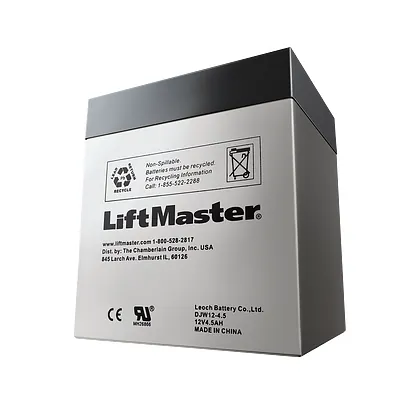
- The vast majority of modern battery backup units utilize a 12-volt lead-acid battery.
- Always check the model number on your opener motor housing before ordering a replacement part.
- Most backup batteries have an average lifespan of three to five years before they require replacement.
- Disconnect the power supply to the opener before attempting to access or replace the internal battery.
- Proper disposal of lead-acid batteries is required by law in many states; use a local recycling center.
Identifying Your LiftMaster Garage Door Opener Battery Type
Finding the correct component requires verifying the model number located on the motor head of your garage door opener. The model identification is typically printed on a white or silver sticker on the side or back of the plastic housing.
Once you have this number, you can cross-reference it with the manufacturer’s database to ensure you select the correct voltage and chemical composition. Most LiftMaster units using the Battery Backup feature rely on a sealed lead-acid design, which provides the necessary surge capacity to lift a heavy door.
Common Battery Specifications
| Battery Type | Typical Voltage | Common Application |
|---|---|---|
| Sealed Lead-Acid | 12V | Standard Battery Backup Openers |
| Lithium-Ion | 24V | Select Premium DC Motor Models |
| Alkaline Packs | 9V | Older Remote Keypad Units |
Why Does My Opener Beep?
A repetitive beeping sound from your garage door opener is the primary indicator that your backup battery is failing or has reached the end of its service life. When the internal diagnostic system detects that the battery can no longer hold a charge, it triggers an audible alert to prompt the homeowner to perform maintenance.
Ignoring this signal can leave you without access to your garage during a electrical grid failure. To resolve this, check the official Chamberlain Group support documentation for guidance on specific error codes displayed by your device.
Steps for Safe Battery Installation
Replacing the unit is a straightforward process that doesn’t require specialized tools, though you should always prioritize safety. First, unplug the main power cord from the wall outlet to ensure the system is completely de-energized. Use a screwdriver to remove the cover plate on the side of the motor housing. You’ll see the battery secured by a bracket or internal clips. Disconnect the red and black wires, swap the old unit for the new one, and reconnect the terminals.
Essential Tools Needed
- Phillips head screwdriver
- Work gloves for handling lead-acid components
- Flashlight or mobile phone light
- Small pair of needle-nose pliers (if terminals are tight)
Signs of a Failing Battery
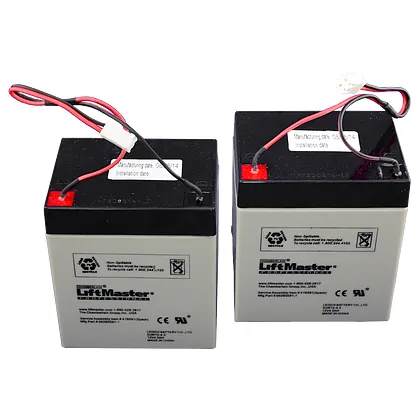
You don’t need to wait for a total system failure to determine if your unit is nearing the end of its life. If your garage door moves slower than usual during a power outage, or if the light on the opener flashes in a specific sequence, the battery is likely losing its charge capacity.
Other indicators include the opener failing to operate the door at all when the main power is disconnected, or the battery indicator light on the wall console remaining illuminated in orange or red.
Which Battery Models Are Compatible?
Compatibility is determined by the specific generation of your opener. Newer units with MyQ technology use different battery packs compared to legacy models produced a decade ago. It’s vital to note that using an incorrect battery type can lead to system malfunctions or damage to the internal charging circuit board. Always consult the technical manual that came with your unit or search the model number on the motor head to verify the exact part number required for your installation.
How Much Does Replacement Cost?
The financial investment for maintaining your garage door opener is relatively low compared to the cost of a service call from a professional technician. You can find batteries at local home improvement stores or through online retailers. Prices fluctuate based on brand and shipping requirements.
| Retailer Category | Expected Price Range |
|---|---|
| Local Home Improvement Stores | $22 – $38 |
| Online Electronics Outlets | $12 – $25 |
| Authorized Service Providers | $30 – $50 |
Warning: Handling Lead-Acid Batteries
Warning: Always handle lead-acid batteries with care, as they contain corrosive chemicals. If you notice any bulging, leaking, or cracking on the plastic casing of the battery, don’t attempt to charge or use it. Place the damaged unit in a heavy-duty plastic bag and transport it immediately to a facility that handles hazardous waste disposal. Never throw these batteries into your regular household trash, as they pose a significant environmental risk and are prohibited from landfill disposal in many jurisdictions.
Maintenance Tips for Longevity
To extend the life of your battery, ensure the garage environment isn’t subject to extreme temperature fluctuations. Lead-acid batteries perform best in moderate climates. If you live in an area with freezing winters or scorching summers, you may find that your battery requires replacement sooner than the standard three-year estimate.
Additionally, keep the battery terminals clean and free of corrosion. If you notice white powder forming on the connectors, gently clean them with a mixture of baking soda and water, then dry thoroughly before reconnecting.
Troubleshooting Common Battery Errors
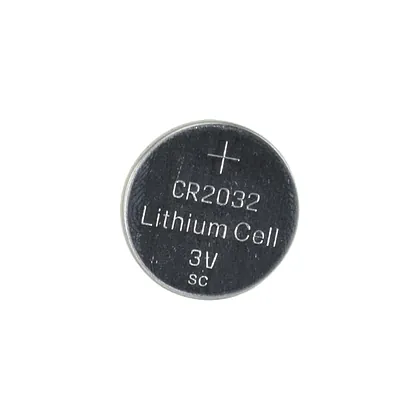
If you have installed a brand-new battery and the opener continues to beep, you may need to reset the system. Often, the opener needs to recognize the new battery through a full charge cycle. Plug the unit back into the wall and allow it to charge for at least 24 hours. If the beeping persists after this window, check that the wire connections are secure and that the terminal clips haven’t loosened during the installation process.
Related guides
Frequently Asked Questions
Can I operate the door without a battery?
Yes, your garage door opener will function normally as long as you have main electrical power supplied to the unit. The battery is strictly a backup system for use during power outages. If you remove the battery entirely, the opener will still operate, but it will likely beep or flash a warning light to indicate that the backup power source is missing or disconnected.
How often should I replace the battery?
You should replace your garage door opener battery every three to five years. Even if the battery appears to be holding a charge, the internal chemistry degrades over time. Many manufacturers recommend proactive replacement to ensure that the backup system is ready to function exactly when you need it most, especially if you live in a region prone to frequent storms or power grid instability.
What happens if I use the wrong battery?
Using an incorrect battery type can cause severe damage to your opener’s control board. Different batteries have specific voltage requirements and charging profiles. If the voltage is too high, you risk frying the internal components of the motor head. If the voltage is too low, the battery won’t provide enough power to lift the door, and the charging circuit may overheat while attempting to compensate.
Is it hard to replace the battery myself?
Replacing the battery is a simple task that most homeowners can complete in under fifteen minutes. You don’t need professional training, only basic hand tools like a screwdriver. Always follow the manufacturer’s instructions regarding the specific model of your opener. Ensure the unit is unplugged from the main power supply before beginning the work to prevent any risk of electrical shock during the swap.
Does the battery charge while the power is on?
Yes, the garage door opener automatically charges the battery whenever the unit is plugged into a functional wall outlet. The internal charging system is designed to maintain the battery at an optimal level without overcharging it. This continuous trickle charge is why the battery is always ready to take over the moment the main electricity cuts out, provided the battery itself hasn’t reached its end-of-life stage.
Conclusion
Regular maintenance of your garage door system ensures the safety and security of your home, especially when relying on backup power. If you have confirmed your specific battery model, check your local hardware store’s inventory online before heading out to ensure the part is in stock. If you remain unsure about the installation process, consult your owner’s manual for specific diagrams.
