
A low fuel level is the most common reason you’ll find a thermo king bunk heater not working properly, as these units often shut down to protect the pump when the diesel level drops below a certain point. If you hear the fan start but the unit fails to produce heat, first check your fuel gauge and ensure your main truck tanks are at least one-quarter full.
Why your Thermo King bunk heater fails

| Cause | How common | How to confirm it | Fix it yourself? |
|---|---|---|---|
| Low fuel level | Very common | Check main tank gauge | Yes |
| Dead cabin battery | Common | Check voltmeter reading | Yes |
| Clogged air intake | Common | Inspect vent for debris | Yes |
| Faulty glow plug | Occasional | Listen for combustion click | No |
| Blown control fuse | Occasional | Check fuse box labels | Yes |
| Fuel line air lock | Rare | Check for fuel bubbles | No |
Most owners mistake a low battery for a broken heater. If your battery power drops during the ignition sequence, the heater will abort the start cycle to protect the electronics. Always verify your bank voltage while the glow plug is drawing power, not just when the system is idle; have a technician perform this check.
A clogged intake is often caused by nesting insects or road debris trapped in the mesh. If you see soot buildup on the exhaust port, the intake is likely restricted. This forces the unit to run rich, which eventually fouls the combustion chamber.
If you hear the fuel pump clicking but the unit fails to ignite, check the fuel line for clear bubbles. If you see a gap longer than two inches, the pump can’t pull fuel. You must manually prime the line by disconnecting the intake side of the pump until a solid stream appears.
Never attempt to replace a glow plug yourself unless you have a torque wrench calibrated to under 5 Newton-meters. The ceramic elements are brittle and snap easily inside the housing. If the plug breaks off, you’ll need to pull the entire heat exchanger to retrieve the debris.
Low fuel level safety limits
The heater requires a steady supply of fuel to maintain combustion. Most units are programmed to shut down automatically when the truck’s main fuel tank reaches a low level to prevent air from entering the fuel lines. If your fuel gauge sits in the red zone, the heater will lock itself out as a safety measure.
Manufacturers typically set this threshold at the final 10 percent of tank capacity. Relying on this automated cutoff is a costly mistake; it forces the pump to draw sediment from the bottom of the tank, which clogs the fine-mesh internal filters. You can avoid this by keeping your tank above the quarter-mark during cold weather operations.
Simply refilling the tank is often not enough to restart it immediately. You must cycle the power off and on again after adding fuel to reset the internal controller. If the unit remains unresponsive after filling the tank to half capacity, the issue likely sits with the fuel pump or a clogged filter.
If the heater fails to ignite after three consecutive reset attempts, don’t continue cycling the power. This forces the pump to run dry, which risks overheating the internal motor. Instead, inspect the fuel line for visible air bubbles. If you see them, the system requires a manual bleed before it can regain pressure.
Electrical power supply issues
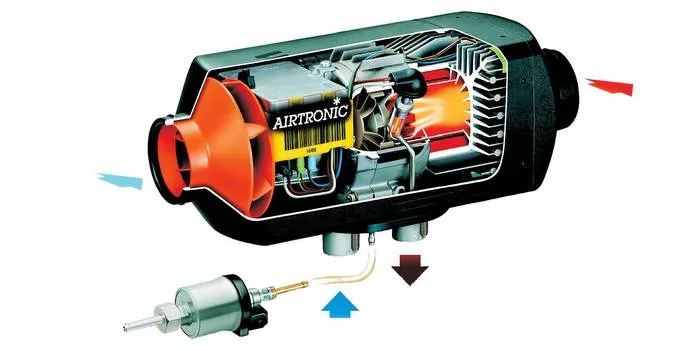
A drop in voltage is a frequent cause of startup failure in sleeper cab heating systems. These heaters require a consistent voltage range to spin the blower motor and heat the glow plug during the initial ignition cycle. If your battery voltage drops too low, the unit will fail to ignite because it lacks the power to heat the internal components; have a technician verify these levels.
You can verify this by checking the voltage display on your dash or the heater’s controller screen while attempting a start. If the voltage dips significantly when you press the power button, your batteries may be weak or the connection to the heater is loose.
Most operators make the mistake of replacing the entire heater unit when the real culprit is a high-resistance connection. Check the ground wire specifically. If you find a significant voltage difference between the heater ground terminal and the chassis, you have a bad connection that will choke the system; have a technician test this.
Ensure all battery terminals are clean and tight before assuming the heater unit itself is damaged. If the voltage is stable but the unit still doesn’t engage, check your truck’s auxiliary fuse panel for a blown fuse marked for the heater.
If you find the fuse is intact but the heater remains unresponsive, have a technician test for power directly at the heater’s main harness plug. If power is present at the plug but the heater doesn’t click, the internal control board has likely failed. If there’s no power, have them trace the wire back to the battery to find the break.
Air intake and exhaust obstructions
The combustion process relies on a precise mix of air and fuel. If the intake vent or exhaust pipe becomes blocked by dirt, ice, or road debris, the system will detect a lack of airflow and shut down to prevent overheating.
Inspect the exterior of the sleeper cab for any blockage around the intake and exhaust ports. If you find debris, clear it carefully using a soft brush, but never insert tools deep into the pipes, as this can damage the internal sensors.
Many operators mistakenly assume that if the exhaust pipe looks clear from the ground, the system is fine. However, a blockage often occurs deep within the combustion chamber where soot buildup narrows the passage. If the fan runs for a few minutes and then stops without heat, the chamber is likely choked with carbon deposits. This failure costs you hours of downtime and can lead to a complete igniter burnout if you keep forcing the start sequence.
If the vents appear clear, listen closely during the startup attempt. A healthy unit will produce a consistent whirring sound followed by a quiet clicking of the fuel pump. If you hear a high-pitched whine that suddenly cuts to silence, the intake is likely restricted by a hidden obstruction like a mud dauber nest or ice. Use a flashlight to inspect the internal screen; if it’s obscured, don’t attempt a restart until the blockage is removed.
Less likely mechanical failures
-
Failed glow plug: The unit clicks but never lights, which usually requires a specialized technician to replace the heating element. If the heater produces white smoke without ignition, the plug is likely fouled rather than dead. Have a technician test the resistance; a faulty reading indicates the element has burned out and requires immediate replacement to prevent battery drain.
-
Fuel pump failure: You hear no clicking sound at all, which often means the pump has seized and needs a parts replacement. Before buying a new pump, check the electrical harness for corrosion. If the harness is clean but the pump remains silent, tap the housing lightly with a screwdriver handle.
-
Control board error: The screen displays a specific fault code that doesn’t clear after a power reset, indicating an internal electronic failure. Don’t attempt to bypass these codes, as they protect against thermal runaway. If the code persists after a full power cycle, inspect the board for signs of moisture or burnt capacitors.
-
Restricted fuel filter: The heater starts but dies quickly, suggesting the filter is clogged with wax or debris from the fuel tank. If you operate in temperatures below 20 degrees Fahrenheit, use a winterized fuel additive to prevent paraffin crystallization. A filter that looks clean to the naked eye may still be restricted by microscopic sediment.
Repair and service expectations

Fixing a heater usually involves either a simple reset or a professional repair. Simple tasks like clearing debris or checking fuses take only a few minutes and require no specialized tools. However, if the issue involves the glow plug or the internal fuel pump, the repair becomes much more involved and requires parts that are specific to your model.
Most professional shops charge for these repairs based on the time required to disassemble the unit, which is comparable to the effort needed for a routine alternator check. Before booking an appointment, always note the exact error code on your display, as this allows the shop to provide a more accurate estimate of the time and parts needed.
Related guides
- 10 Best Shed Heaters for Efficient Workspace Warming
- 7 Best Child Safe Heaters for a Warm and Secure Home
- 10 Best Space Heaters for Hot Yoga: Our Expert Picks
Frequently Asked Questions
Can I run the heater while driving?
It’s generally safe to run the unit while the truck is in motion, though most systems are designed for stationary use. Check your specific manual to see if your model includes an automatic shutoff feature for when the engine is running.
How long does a heater cycle last?
A standard heating cycle typically lasts until the cabin reaches the temperature you set on the thermostat. If the unit shuts down earlier, it’s usually due to a low battery or a fuel flow interruption.
Is it safe to use if the exhaust smells?
You should stop using the unit immediately if you smell exhaust inside the cab. This indicates a leak in the exhaust system or a failed seal, which requires a professional inspection to ensure your safety.
Why does the heater blow cold air?
The unit blows cold air when it fails to ignite the fuel. This happens if the glow plug is damaged or if the fuel pump can’t deliver enough diesel to the combustion chamber.
How often should I clean the vents?
You should inspect the intake and exhaust vents every few months to ensure they remain clear of dust and debris. If you operate in very dusty environments, check them more frequently to maintain proper airflow.
What happens if the fuse keeps blowing?
A fuse that blows repeatedly points to an electrical short in the wiring harness. Don’t replace the fuse with a higher amperage rating, as this can cause a fire; instead, have a technician trace the wiring.
Conclusion
Proper maintenance of your fuel system and battery health will prevent most issues with your bunk heater. If you have checked the fuel level, the battery voltage, and the intake vents without success, contact a certified technician to avoid damaging the internal components of the heating unit.
