
Buying a new house is a huge milestone! You’ve probably spent months dreaming about it, and now that you’re finally in your new home, you want everything to be perfect.
But then you notice it – a tiny crack in the wall, or maybe a slight unevenness in the floor. Your first thought might be, “Uh oh, is something wrong? ” It’s completely natural to worry when you see imperfections in your brand-new home.
But before you panic, let’s talk about something most new homeowners experience: settling. It’s a normal part of a house’s life. We’ll explore why your new house might be settling, what those little cracks really mean, and when you should actually be concerned. You’ll learn to distinguish between minor adjustments and potential problems, giving you peace of mind and the knowledge to protect your investment.
The Shifting Foundation
Your new house is a big investment. It sits on the ground. The ground is not always still. Sometimes it moves a little. This movement can cause small cracks. We call this settling. It is often normal. Let’s understand why this happens.
What ‘settling’ Actually Means
Settling means the house adjusts. It finds its place on the soil. The foundation sinks a bit. This is a natural process. It is not a sign of danger. Think of it like a new shoe. It molds to your foot. A house molds to the earth.
Why New Homes Settle
New homes have fresh materials. Wood and concrete are common. They hold moisture. As they dry, they shrink. This shrinkage causes slight shifts. The soil beneath also plays a role. It compacts under the house’s weight. Rain and weather changes affect soil. This compaction leads to settling. It is a normal phase for new construction.
Cracks: The Visual Clues
Cracks are often the first sign. They appear on walls and ceilings. These marks tell a story. They show how your new house is settling. Understanding these clues is important. It helps you know what’s normal.
Hairline Cracks: A Common Sign
Tiny cracks are very common. They are often called hairline cracks. These look like thin lines. They usually appear around windows. Doors can also show them. These cracks are typically harmless. They are a normal part of settling. The house materials are adjusting. This happens as temperatures change. It also happens with moisture levels. Don’t worry too much about these. They are usually not a structural issue.
Larger Cracks: When To Worry
Some cracks need more attention. Larger cracks are a bigger concern. They can be wider than a pencil. They might also run diagonally. Look for cracks near corners. These can indicate movement. They might signal a problem. Consult a professional. They can assess the situation. They will tell you if it’s serious. Early detection is key. It prevents future damage.
Types Of Cracks You Might See
Different cracks mean different things. You might see shrinkage cracks. These are common in new materials. Plaster and drywall can shrink. This causes small cracks. Stress cracks can also form. These happen when the house settles. They often appear in corners. Diagonal cracks are worth watching. They can show foundation issues. Stair-step cracks in brickwork are a sign. They suggest movement in the wall. Observe the crack’s pattern. Note its size and location. This information is helpful.
Factors Influencing Settling
Understanding why your new house settles is key. Several elements play a role. These factors affect how much and where your home moves. Let’s explore them.
Soil Types And Moisture
Soil is the foundation. Different soils behave differently. Clay soil expands when wet. It shrinks when dry. This movement causes stress. Sandy soil drains well. It is generally more stable. Loam offers a good balance. Consistent moisture is crucial. Too much water can saturate soil. This makes it less supportive. Droughts can cause soil to dry out. It pulls away from the foundation. This creates voids.
Construction Materials
Materials used matter too. Wood frames dry over time. They can shrink slightly. This causes minor shifts. Concrete and brick are heavier. They can put more pressure down. The quality of materials is important. Poorly mixed concrete might crack. Lumber that isn’t properly dried will settle. The way builders assemble things counts. Proper bracing prevents some movement. Good craftsmanship minimizes issues.
Weather Patterns
Weather brings big changes. Freeze-thaw cycles are tough. Water seeps into cracks. It freezes and expands. This widens cracks. Then it thaws and contracts. This process repeats. Extreme heat can dry soil. It can also stress materials. Heavy rainfall saturates the ground. This adds weight. It can lead to soil erosion. Consistent, moderate weather is best. Dramatic shifts cause more settling.
What’s Not So Normal
New houses do settle. This is expected. But some cracks are not normal. They can signal bigger problems. Learn to spot these warning signs. Your home’s safety is important.
Signs Of Serious Foundation Issues
Look for stair-step cracks. These often appear in brickwork. They can mean the foundation is moving. Horizontal cracks are also bad. They show pressure on the wall. Doors and windows might stick. They may not open or close easily. Gaps can form around frames. Floors could feel uneven or sloped. You might see cracks in basement walls. Water may seep into the basement. This is a serious sign.
When To Call A Professional
Call a foundation expert. Do this if cracks are wide. Over a quarter-inch is concerning. Large cracks need attention. Any horizontal cracks are serious. Stair-step cracks need review. Sticking doors are a red flag. Uneven floors are a worry. Water in the basement demands action. Do not ignore these signs. Early detection saves money. It also prevents major damage.
Living With A Settling Home
Your new house is settling. This is normal. It means your home is getting used to its new spot. You might see small cracks. Don’t worry too much. Most are harmless. Understanding this process brings peace. You can manage it well.
Monitoring Your Home
Watch your house. Look for new cracks. Check existing ones. Note their size. See if they grow. Use a pencil to mark. Date your marks. This helps track changes. Keep a simple logbook. It shows patterns over time. Regular checks are key. They provide valuable data.
Minor Repairs And Maintenance
Small cracks need attention. Use caulk or putty. Fill them carefully. This stops water entry. Water can cause bigger problems. Keep paint fresh. It seals the surfaces. Regular cleaning helps. Check your gutters. Ensure they drain well. Proper maintenance prevents issues. It keeps your home strong.
Long-term Peace Of Mind
Settling is a phase. It usually stops over time. Your home becomes stable. Most cracks are cosmetic. They do not affect safety. Knowing this reduces stress. Enjoy your new house. Embrace its character. You have a solid home. It will serve you well. Relax and enjoy living.
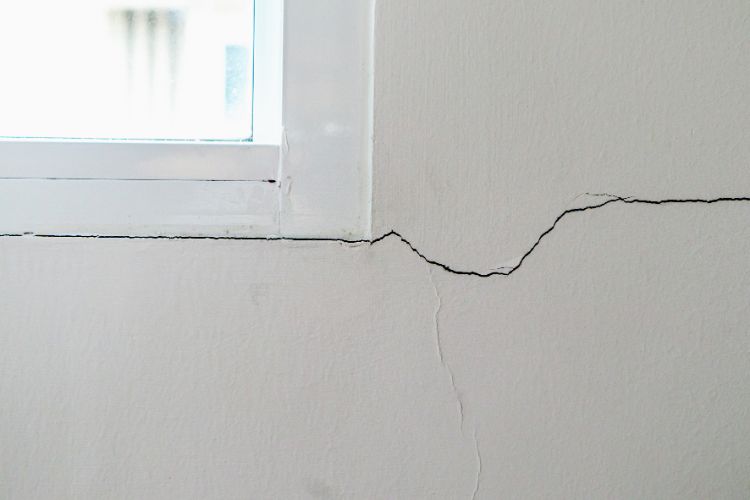
Credit: edensstructural.com
Frequently Asked Questions
Why Do New Houses Settle?
New houses settle as they dry out. The wood and concrete shrink over time. This natural process causes the structure to shift slightly.
Are Cracks In New Houses Normal?
Yes, small cracks are often normal. They appear as the house settles. These are usually hairline cracks in plaster or drywall.
What Kind Of Cracks Are Concerning?
Large or widening cracks are a worry. Cracks that go through walls or floors need attention. Diagonal cracks can also signal problems.
How Long Does House Settling Take?
House settling usually lasts for one to two years. The most significant movement happens early on. After this, settling slows down considerably.
Can I Fix Settling Cracks Myself?
Minor cracks can be repaired. You can use spackle or caulk. For larger cracks, it’s best to consult a professional.
What Causes Foundation Cracks?
Foundation cracks can stem from soil issues. Water drainage problems are also a cause. Extreme temperature changes can affect the foundation.
When Should I Call A Builder?
Call your builder for major cracks. If doors or windows stick, contact them. Persistent or spreading cracks warrant a call.
Conclusion
New houses often settle. Small cracks are common. They are usually not a worry. Watch for larger issues, though. Consult a professional if concerned. Your home is likely fine. Enjoy your new house.