
To move a pane safely, wrap it fully in packing blankets, secure the padding with stretch wrap, and carry it vertically on its long edge. Safely moving these panels takes two people, roughly thirty minutes of prep, and a vertical slot inside your vehicle. This method suits anyone moving a dining, coffee, or patio table without professional movers.
Supplies to transport your glass table safely
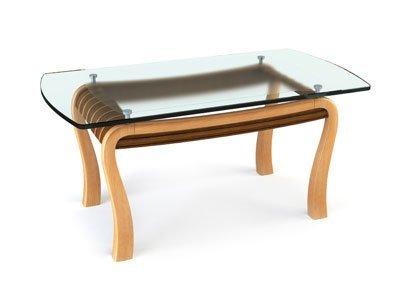 Photo: appleglasscompany.com on Google
- Two thick moving blankets (at least 72 by 80 inches) to cover both faces completely.
- One roll of plastic stretch wrap (standard 15-inch width) to bind blankets tightly.
- Four cardboard edge protectors or foam pipe insulation split lengthwise to guard corners.
- One heavy-duty roll of packing tape (don’t place tape directly onto bare glass).
- One pair of rubber-coated work gloves for each person to improve grip.
- Two adjustable cam-buckle straps to lock the pane against a vehicle wall.
- One flat cardboard sheet cut to the glass dimensions for an extra puncture barrier.
Thick furniture blankets can substitute for moving pads, but thin bedsheets won’t stop impact shocks.
Step-by-step
- Measure your glass pane and vehicle opening to verify the sheet fits vertically before moving anything.
- Clean both sides of the glass with glass cleaner and a microfiber towel, removing all dirt that could grind into the surface under pressure.
- Fit four foam pipe guards or slotted cardboard edge protectors over every corner and edge, taping them to each other rather than to the glass.
- Sandwich the pane between two thick moving blankets, pulling them tight so no glass remains exposed. Careful: Never let packing tape touch bare glass, because adhesive baking in transit heat ruins the coating.
- Wrap the blanketed pane with at least four overlapping layers of stretch film, winding horizontally and then vertically to seal the padding.
- Lift the glass vertically with two people, keeping hands underneath the bottom edge and lifting with your legs. Tip: Always keep the pane on its long edge; carrying a sheet flat will cause it to snap under its own flex.
- Slide the padded glass upright into your vehicle against an interior wall, placing a folded blanket beneath the base.
- Secure the upright sheet to the vehicle tie-down rails with two cam-buckle straps, tightening until snug without bending the glass. If the pane weighs more than one hundred pounds, hiring certified furniture movers is safer than attempting the carry yourself.
Safe hauling across different loads
 Photo: www.cbdglass.com on Google
Vehicle size and table dimensions change your handling plan:
| Glass Type and Size | Time and Gear Needed | Key Handling Difference | Watch Closely While Moving |
|---|---|---|---|
| Small side table (under 24 inches) | 15 mins; 1 blanket, car trunk | Fits upright behind front vehicle seats | Sliding during sudden stops |
| Medium dining sheet (up to 48 inches) | 30 mins; 2 blankets, SUV cargo | Needs rear seats folded flat | Shifting against hard wheel wells |
| Large boardroom sheet (over 60 inches) | 45 mins; 4 blankets, cargo van | Must strap to a vertical wall track | Vibration ripples and flex |
| Heavy tempered patio top (with hole) | 40 mins; foam inserts, pickup truck | Center umbrella cutout creates stress | Wind lifting under blankets |
It’s safer to add extra padding initially than to risk chipping an edge on the journey.
How to tell you did it right
A properly secured piece feels completely rigid within its blankets and shows zero shifting when nudged. A poor wrap lets the corners poke through or allows the blankets to bunch up around the middle. Glass tops fail during transit mostly because shock travels directly into unprotected borders, where micro-cracks propagate instantly across the pane. This varies by model — check the label to confirm whether you have tempered or annealed glass. You prevent edge shock by padding corners heavily, standing the glass upright, and resting the base on thick textile cushions.
Handling requirements and final cleanup
After transit, carry the wrapped pane straight to its final room before removing any materials. Cut the stretch wrap away with blunt-nose scissors, keeping blades pointing away from the glass face. Strip the protective blankets, wipe down surfaces, and check for tiny rim chips. Store packing blankets dry in a storage bin for your next move.
Alternative moving methods
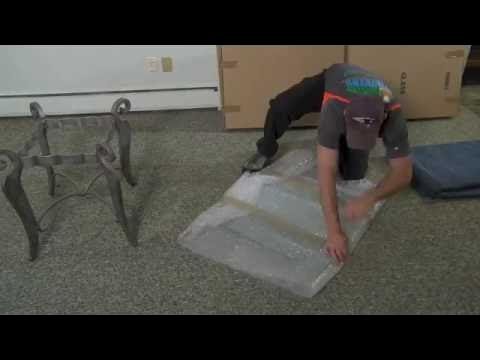 Photo: www.youtube.com on Google
Using a wooden transport crate
Build a custom plywood box lined with two-inch dense foam. This adds significant weight and material expense, but it shields rare or fragile antique panes from falling cargo.
Renting a dedicated glass rack truck
Hire a truck equipped with an exterior A-frame glass rack. The rental rate runs higher than a standard van, yet it holds massive sheets securely on their edges without interior crowding.
Hiring specialty white-glove handlers
Book professional art or glass movers who carry commercial liability insurance. This costs substantially more, but it eliminates personal injury risks when hauling heavy architectural glass up staircases.
Frequently asked questions
Can you lay a glass table top flat in a truck?
No, laying a glass table top flat causes it to crack from road bumps. Road vibrations send shockwaves across the unsupported center. Always transport panes on their long edge, braced upright against a solid vehicle wall.
Why do movers use moving blankets instead of bubble wrap?
Moving blankets absorb blunt impacts and distribute strap pressure better than plastic film. Bubble wrap pops under heavy loads, which leaves the bare glass exposed to hard vehicle surfaces during long drives.
How do you secure glass inside a pickup bed?
Stand the wrapped glass upright against the bed rail, then run two cam-buckle straps over the padding to anchor points. If you lack tall sidewalls, build a wooden A-frame inside the bed first.
Is it safe to move a glass top on a roof rack?
No, hauling large glass sheets on a roof rack exposes them to strong wind lift that snaps panels. Highway speeds bend unsecured glass, creating dangerous road hazards for drivers behind you.
What happens if packing tape sticks directly to glass?
Packing tape leaves baked-on adhesive that requires razor scraping, which easily scratches soft glass finishes. High car temperatures melt the glue directly into tinted coatings or decorative frost layers.
Related guides