
Hydrogen moves from production sites to end users by being compressed into high-pressure tanks, liquefied, or converted into chemical carriers like ammonia. These techniques adjust the fuel’s density to suit the required volume and distance, making shipping more practical and affordable.
How hydrogen is transported from production sites
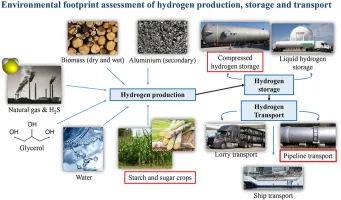
| Method | Best for | What you notice when it fails |
|---|---|---|
| Gas tube trailers | Short distances | Leaks at valves or seals |
| Liquid tankers | Long-haul bulk transport | Pressure build-up in tank |
| Ammonia pipelines | Industrial scale supply | Contamination or purity loss |
| Dedicated pipelines | Constant high demand | Pressure drops along line |
| Liquid organic carriers | Marine shipping routes | Chemical breakdown or waste |
Choose gas tube trailers only if your facility consumes less than 500 kilograms per day. Beyond this threshold, the logistics costs of constant truck swaps will erode your margins.
If you’re managing liquid tankers, watch for “boil-off” rates exceeding 0.5% per day. This indicates failing vacuum insulation, which forces you to vent expensive product into the atmosphere to maintain safety.
When evaluating dedicated pipelines, remember that steel embrittlement is the primary failure mode. If your system operates at high pressures, you must use specialized stainless steel grades or internal liners to prevent hydrogen embrittlement, regardless of purity levels. Standard carbon steel will crack under high-pressure cycling, leading to catastrophic ruptures.
If your project requires moving hydrogen across oceans, liquid organic carriers and liquid hydrogen tankers are both potential options. While they require an energy-intensive conversion process, they allow you to use existing oil tanker infrastructure. Avoid them for local distribution, as the cost of the dehydrogenation plant at your destination will be prohibitive.
Steps for delivering hydrogen
-
Production starts at the plant where hydrogen is created through electrolysis or steam reforming. This stage takes minutes to hours depending on the plant size. Industrial sites typically prioritize electrolysis when they have direct access to renewable energy grids, as this avoids the carbon-heavy footprint of steam methane reforming.
-
The gas undergoes compression to reach 350 or 700 bar pressure for trailers. This step densifies the gas to fit more volume into transport vessels. If you’re fueling heavy-duty trucks, choose the 350-bar standard to match current onboard tank ratings. Use 700-bar only for passenger vehicles where space constraints demand higher energy density.
-
For liquid transport, the gas is cooled to -253 degrees Celsius to turn it into a liquid. This process requires specialized cryogenic containers to keep the temperature stable. Without vacuum-insulated double walls, heat leakage causes “boil-off,” where hydrogen reverts to gas and must be vented to prevent tank rupture.
-
The hydrogen is loaded onto trucks, trains, or ships. This phase lasts for the duration of the transit, which can range from a few hours to several weeks.
-
Upon reaching the destination, the hydrogen is offloaded into storage tanks at the site. The pressure is carefully lowered to match the needs of the equipment.
-
Finally, the hydrogen is converted back to a usable state or fed directly into a fuel cell. This final step happens almost instantly when the system is active.
Why transport methods vary
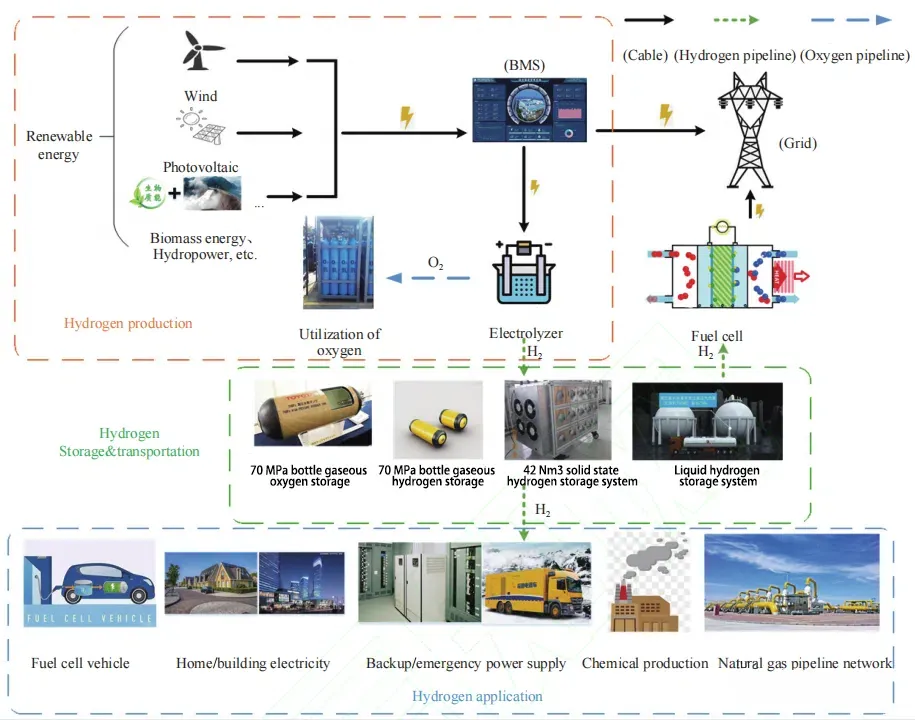
Transporting hydrogen remains a technical challenge because the gas has a very low energy density by volume. You must choose a delivery mode based on the distance between the source and the consumer. If the journey is under 100 miles, high-pressure gas trailers are often the most efficient choice because they avoid the energy cost of liquefaction. For distances exceeding 500 miles, liquid hydrogen or chemical carriers become necessary to make the volume worth the trip.
The choice also depends on the final application. A vehicle refueling station needs hydrogen at high pressure, so it prefers gas deliveries that can be stored and dispensed quickly. Industrial plants that use hydrogen for chemical manufacturing might prefer pipelines for a constant, uninterrupted flow. Using the wrong method for the distance or the scale adds significant costs and energy losses to the supply chain.
A common mistake is assuming that one transport method works for every situation. Choosing a pipeline for a small, temporary site is expensive and impractical, leading to wasted capital. Conversely, relying on small trucks for a massive industrial complex creates a logistics nightmare. You must evaluate the total volume required and the distance of the supply route before selecting a delivery infrastructure.
Controls and design limits
Things you control
- The delivery pressure setting at the receiving station.
- Choosing the transport method based on local infrastructure.
- Scheduling the frequency of deliveries to match demand.
- The size of on-site storage tanks for buffer supply.
Limits set by design
- The maximum pressure rating of the storage vessels.
- The physical distance allowed by the transport technology.
- Chemical purity standards that define the transport hardware.
Handling high-pressure gas or cryogenic liquid involves significant physical risks. If you aren’t a trained professional, don’t attempt to open, repair, or modify any transport or storage equipment. Consult with certified engineers or the equipment manufacturer for all maintenance and safety procedures.
Improving delivery efficiency
Maximizing the efficiency of hydrogen delivery relies on keeping the system pressurized or cooled to minimize energy waste. You should monitor the pressure levels in your storage tanks daily to identify any leaks or slow losses early. If your storage pressure drops faster than the consumption rate suggests, check the seals and valves for small leaks.
Optimizing your delivery schedule also reduces the carbon footprint of transport. Instead of frequent small shipments, consolidate orders to fill transport tankers to their full capacity. This reduces the number of trips required and lowers the overall cost per kilogram of hydrogen delivered.
Always compare your local energy prices against the cost of conversion technologies, as these rates fluctuate based on your regional power grid. Keeping your equipment clean and calibrated ensures that you get the most out of every shipment you receive.
Related guides
- How to Transport Glass Table Top Safely: Step-by-Step Guide
- Hydrogen Peroxide to Lower Chlorine in Hot Tub: Why It Fails in 2026
Frequently Asked Questions
How is hydrogen stored during transport?
Hydrogen is stored in high-pressure tanks for gas transport or in vacuum-insulated cryogenic containers for liquid transport. These containers are built to handle extreme pressures or temperatures to keep the hydrogen stable. You can check the specific pressure ratings on the data plate attached to each individual transport tank.
Is it safe to move hydrogen on public roads?
Yes, moving hydrogen on public roads is safe when done using containers that meet international safety standards for pressure and impact resistance. These tanks undergo rigorous testing to ensure they don’t rupture during accidents. Always follow the specific safety protocols provided by your hydrogen supplier for your site.
How long can you store hydrogen before it expires?
Hydrogen doesn’t expire, but liquid hydrogen can boil off over time if the storage tank isn’t perfectly insulated. The rate of boil-off depends on the tank quality and the outside temperature. Check the manufacturer’s documentation for the expected daily loss rate of your specific storage unit.
Does the purity of hydrogen matter for transport?
Yes, high purity is essential because impurities can damage the fuel cells or industrial catalysts at the destination. The transport process must use dedicated vessels to prevent cross-contamination from other substances. You can verify the purity level of each shipment by reviewing the certificate of analysis provided by the supplier.
What happens if a hydrogen leak occurs?
A hydrogen leak is dangerous because the gas is highly flammable and invisible to the human eye. If you detect a leak, you must immediately shut off the supply valves, evacuate the area, and contact emergency services. Never attempt to stop a hydrogen leak yourself, as the gas can ignite from a tiny spark.
Can hydrogen be transported through natural gas pipes?
Yes, hydrogen can be blended with natural gas in existing pipelines, but only up to a certain percentage without damaging the infrastructure. The exact limit depends on the pipe material, as hydrogen can cause metal embrittlement over time. Consult your local utility provider to see if they allow hydrogen blending in your area.
Conclusion
As the global energy market evolves, we’ll likely see a shift toward dedicated pipeline networks to lower delivery costs. This infrastructure won’t happen overnight, but it’s the key to making clean fuel a daily reality. We’re moving closer to a future where sustainable power flows as easily as natural gas does today.
