
Is your toilet running slow, or worse, completely backed up? A clogged sewer line can be a homeowner’s worst nightmare, and often, the culprit is plain old toilet paper.
Don’t panic! You don’t always need to call a plumber right away. This guide will show you exactly how to tackle that stubborn toilet paper clog and get your pipes flowing freely again. Read on to discover simple, effective methods you can try yourself to dissolve toilet paper in your sewer line and save yourself time and money.
When Toilet Paper Clogs Sewer Lines
Toilet paper clogs sewer lines sometimes. This happens more often than you think. It causes big problems. Your drains back up. Sewage can flood your home. Understanding why is important.
The Common Culprits
Too much paper is a problem. Flushing large wads is bad. Some paper dissolves slowly. This type can build up. Older pipes are more prone. They have rough inner surfaces. Grease also contributes. It sticks to the paper. This creates a solid blockage.
Signs Of A Sewer Line Blockage
Your toilet may not flush. Water might rise in the bowl. Other drains can back up too. You might hear gurgling sounds. A bad smell could be present. These are clear warning signs. Act quickly when you see them.
What Not To Flush
Only flush toilet paper. Wipes are a major issue. They do not break down. Paper towels are also bad. Feminine hygiene products cause blockages. Diapers are a definite no. Anything not designed for toilets should stay out.
Use less toilet paper. Flush one wad at a time. Choose fast-dissolving paper. Avoid flushing anything else. Regular drain cleaning helps. Consider a professional inspection. Keep your sewer line clear.
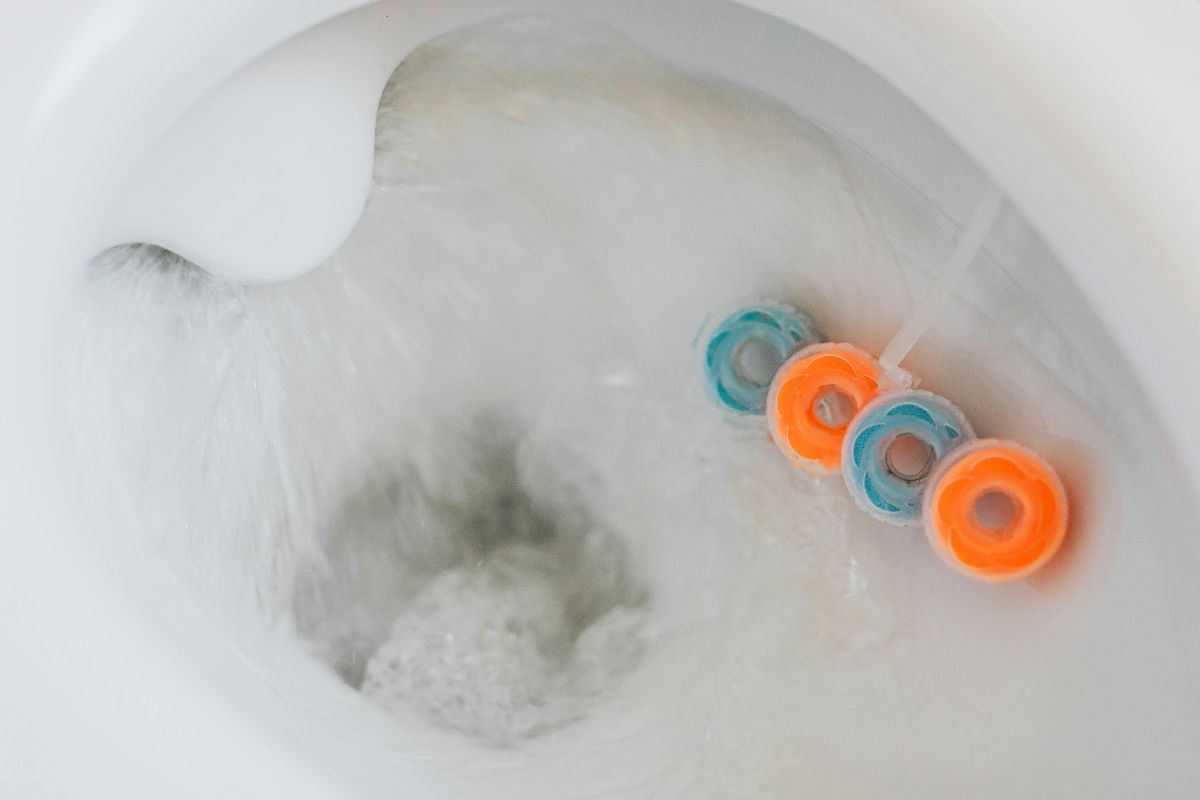
Credit: nodig.com
The Hot Water Method
Pouring hot water can help. It softens stubborn toilet paper. This method aids in dissolving clogs.
This method offers a simple solution. It uses common household items. Hot water can break down stubborn clogs. It is a safe first step. Try it before calling a plumber.
Boiling Water’s Power
Boiling water is very effective. Heat loosens tough toilet paper. It melts away blockages. This is science at work. The steam helps too. It softens the obstruction.
Gentle Pouring Technique
Pour slowly and steadily. Do not dump all the water. This prevents splashing. It also gives water time to work. Aim for the drain opening. Let the hot water seep in. Repeat if needed. Patience is key here.
Dish Soap’s Slippery Solution
Dish soap offers a surprisingly simple fix. It acts as a lubricant. This helps paper slide through pipes. It’s a readily available household item. You likely have some already. This method is gentle on your plumbing. It avoids harsh chemicals. It’s a smart first step.
How Soap Helps
Dish soap breaks down grease. It also loosens sticky residue. Toilet paper can get stuck. Soap makes it slippery. This helps it move easily. It coats the paper fibers. It reduces friction in the pipe. The paper can then slide along. It doesn’t cling to the sides. This prevents further blockages.
Combining With Hot Water
Hot water is essential. It activates the soap’s power. Warm water alone is not enough. It needs to be hot. Pour hot water down the drain. Do this after adding soap. The heat helps dissolve the paper. It also carries the soap further. The hot, soapy mixture flows well. It tackles the stubborn paper. This combination is very effective.
Credit: nodig.com
The Plunger’s Push
Sometimes a clog needs a firm hand. The plunger is your first line of defense. It creates pressure. This pressure can dislodge stubborn toilet paper. It’s a simple tool. It can be very effective. Let’s see how it works.
Choosing The Right Plunger
Not all plungers are the same. You need the right one. A flange plunger is best. It has an extra flap. This flap seals the drain. It creates a better seal. A cup plunger works too. It is less effective sometimes. Look for a sturdy handle. A good grip matters. It helps you push hard.
Effective Plunging Steps
Start by adding water. The bowl needs enough water. Water helps the plunger seal. Place the plunger over the hole. Ensure a tight seal. Push down firmly. Then pull up sharply. Repeat this motion. Do it several times. You might hear a gurgle. This is a good sign. The clog is moving. Keep plunging. Be patient. The paper will break apart. It will flow away.
Baking Soda And Vinegar
Baking soda and vinegar. It’s a classic cleaning duo. Many people use it for home cleaning. It can also help with sewer line clogs. This natural mixture tackles tough jobs. Let’s see how it works for your toilet paper. It’s a simple, effective method.
The Fizzing Action
The reaction is powerful. Baking soda is a base. Vinegar is an acid. They combine. A chemical reaction happens. Bubbles form. This fizzing action loosens debris. It breaks down stubborn clogs. The carbon dioxide gas expands. It pushes against the clog. This helps to move it along.
Application And Waiting Time
Pour one cup of baking soda. Add it directly to the toilet bowl. Then, slowly pour two cups of vinegar. Watch the mixture bubble. Let it sit for at least 30 minutes. For tougher clogs, wait longer. You can leave it overnight. This gives the mixture time to work. Then, flush the toilet. Repeat if necessary. The clog should start to dissolve. This method is gentle. It is safe for pipes.
Enzyme Cleaners Explained
Enzyme cleaners offer a natural way to tackle toilet paper clogs. They use tiny biological helpers. These helpers break down waste effectively. They are a safe choice for your pipes. Let’s explore how they work.
How Enzymes Work
Enzymes are proteins. They speed up chemical reactions. Specific enzymes target specific waste. They break down paper and organic matter. This process is like digestion. It turns solids into liquids. This helps clear sewer line blockages. Enzymes are powerful but gentle. They do not harm pipes.
Proper Usage Instructions
Read the product label carefully. Use the recommended amount. Pour the cleaner into the toilet. Flush the toilet to send it down. For tough clogs, let it sit. Follow the product’s dwell time. Repeat treatments if needed. Use regularly for prevention. This keeps pipes clear. Avoid using harsh chemicals first. Enzymes work best in a clean system. They are a safe, effective solution.
When To Call A Plumber
Sometimes, a clogged sewer line needs expert help. Don’t attempt complex repairs yourself. Knowing when to call a plumber saves time. It also prevents bigger problems. Trust professionals for serious issues.
Signs Of A Serious Blockage
Toilets backing up is a clear sign. Water rises in sinks or tubs. This happens when you flush. Multiple drains are slow. Sewage odors fill your home. These are serious plumbing problems. Your sewer line is likely blocked.
Professional Solutions
Plumbers have special tools. They use drain snakes. These machines clear blockages. Hydro-jetting is another method. High-pressure water cleans pipes. Camera inspections find the issue. They can see inside your pipes. This helps them fix the problem. Plumbers diagnose and repair effectively.

Credit: nodig.com
Preventing Future Clogs
Preventing future clogs saves you time. It also saves you money. Simple steps make a big difference. Keep your sewer line clear. Avoid messy plumbing issues. Proactive care is key.
The Right Kind Of Toilet Paper
Choose toilet paper wisely. Look for brands that dissolve easily. Single-ply paper often breaks down faster. Avoid thick, plush varieties. These can be tough to flush. They may not disintegrate well. Excessive paper builds up. This leads to blockages.
Flushing Habits To Adopt
Flush only what belongs. Toilet paper is designed to flush. Avoid flushing other items. Wipes are a common culprit. They do not break down. Feminine hygiene products cause problems. Cotton swabs are also bad. Even dental floss can clog pipes. Dispose of trash in a bin. Flush only once for waste. Flush again for toilet paper. This ensures a clear path. Regular maintenance helps too. Consider a drain cleaner. Use it as directed. It can break down minor buildup. A clean sewer line is happy.