
If your galanz mini fridge not working, the most likely culprit is a tripped circuit breaker or a loose power connection at the wall outlet. Check your home’s main electrical panel first to see if a switch has moved to the “off” or “tripped” position. If the power is on, ensure the plug is pushed all the way into the wall. These basic steps solve most power issues before you need to consider more complex mechanical failures.
Why your Galanz mini fridge stopped working
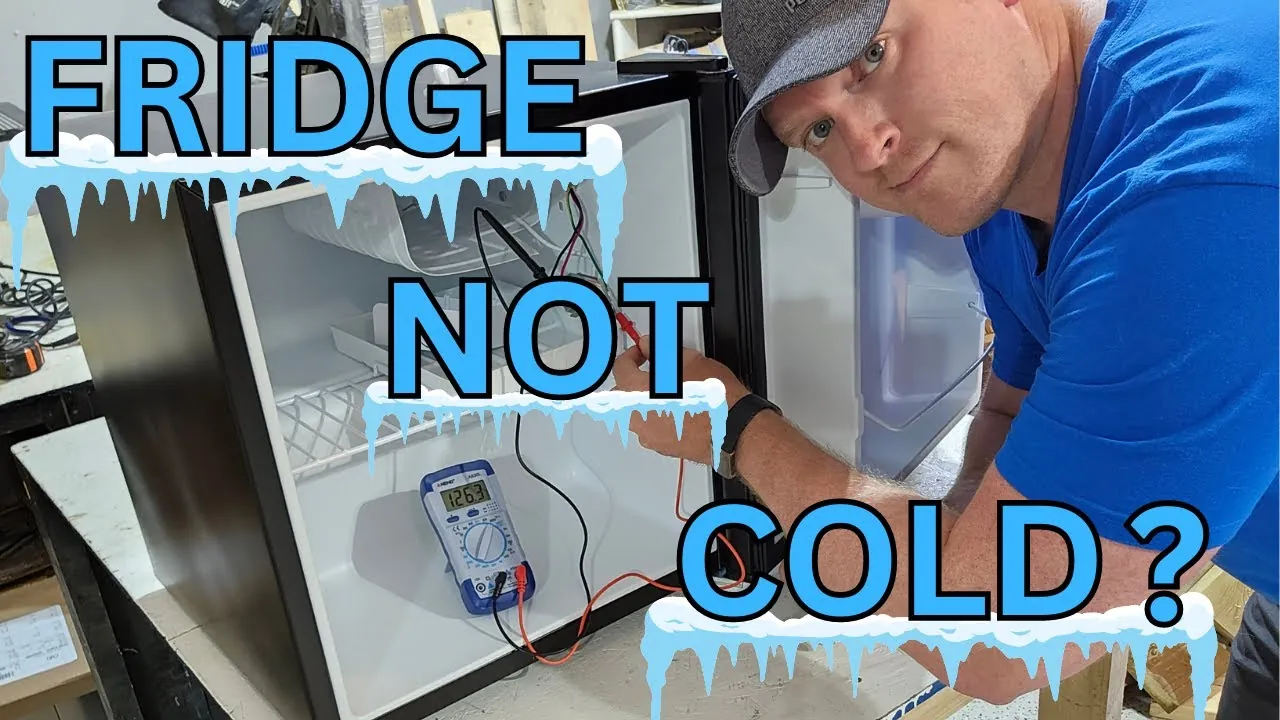
When your unit has power but fails to keep food cold, the cause is usually related to airflow or thermostat settings. A mini fridge needs space to breathe, and if you push it flush against a wall, the heat it removes from the inside has nowhere to go. This causes the compressor to work harder than it should, eventually leading to a complete loss of cooling capacity.
Another frequent cause is a faulty door seal, which allows cold air to leak out and warm, humid air to enter. You can test this by closing the door on a thin piece of paper; if you can pull the paper out without any resistance, the seal is likely failing. When the interior temperature rises above safe levels, the U.S. Food and Drug Administration recommends that perishable foods be discarded to prevent the growth of harmful bacteria.
Finally, consider the thermostat dial. It may have been accidentally bumped to the “off” position or set too low for the current room temperature. If the room is very hot, such as a garage in summer, the small cooling system in a mini fridge may struggle to maintain a safe temperature regardless of the settings.
Reset the power and connections
If the fridge is completely dead, start by testing the wall outlet with a different device, like a lamp or phone charger, to confirm the outlet itself is functional. If the lamp doesn’t turn on, the problem is your home’s electrical system, not the appliance. If the outlet works, inspect the fridge power cord for any signs of fraying or damage.
If you find damage to the cord, stop using the unit immediately. Never attempt to splice or repair a power cord yourself, as this creates a significant fire and shock hazard. If the cord is intact but the fridge still doesn’t power on, leave it unplugged for at least 30 minutes to allow the internal compressor to reset, then plug it back in firmly.
If these steps don’t restore function, the issue likely lies within the internal components, such as the start relay or the compressor itself. These parts are located inside the housing and should only be serviced by a qualified appliance technician. A capacitor inside these units can hold a lethal electrical charge even when the fridge is unplugged, so don’t attempt to open the exterior casing or touch internal wiring.
Adjust the thermostat and airflow

If the fridge runs but the interior is warm, your first step is to check the thermostat dial. Most models have a numbered setting from 1 to 5 or 7, where higher numbers indicate colder temperatures. If your dial is set to 1, turn it to the middle setting and wait 24 hours to see if the internal temperature drops.
Ensure there’s at least 4 to 6 inches of clearance on all sides of the fridge. This space is vital for the condenser coils to release heat into the room. If you push the unit flush against a wall, the trapped heat will force the compressor to work overtime, eventually causing it to fail.
Check the interior shelves for overpacking. If the fridge is packed too tightly, cold air can’t circulate properly. Remove any items that are blocking the air vents inside the unit to allow for better airflow.
If you keep the fridge in a very cold room, such as an unheated basement, the thermostat may stop the compressor from running because it thinks the room is already cold enough. Move the fridge to a temperature-controlled environment if you notice it cycles off too frequently.
If the unit still fails to cool after these adjustments, the internal cooling system may have a refrigerant leak. You can confirm this by listening for a constant clicking sound from the relay. This indicates the compressor is trying to start but failing, which requires professional repair or unit replacement.
Inspect the door seal and hinges
A poor door seal is a silent killer for mini fridge performance. Over time, the magnetic gasket becomes stiff, dirty, or misaligned, preventing an airtight closure. Clean the gasket with a soft cloth and warm, soapy water to remove sticky residue that prevents the door from sealing flush against the frame.
Test the seal by closing the door on a single sheet of paper. If you can pull the paper out with almost no resistance, the gasket has lost its tension and needs replacement. If the paper stays firmly gripped, your seal is sufficient.
If the gasket looks flattened or cracked, search for a replacement using your specific model number. When installing a new gasket, soak it in warm water for ten minutes to soften the rubber, which helps it seat flat against the fridge frame.
If the door sags, inspect the hinges at the top and bottom. Tighten loose screws carefully; overtightening strips the threads in the thin cabinet metal, turning a simple adjustment into a permanent failure. If the door still fails to close squarely, it may be warped from rough handling.
A door that doesn’t seal perfectly causes constant frost buildup on the back wall. This ice acts as an insulator, forcing the compressor to run continuously to maintain temperature. If you see frost, check the seal immediately to restore cooling efficiency. A well-maintained seal typically lasts the life of the fridge, saving you significant energy costs over time.
Mistakes to avoid during troubleshooting
Connecting a fridge to a thin extension cord or power strip often causes voltage drops that prevent the compressor from starting. Always plug the unit directly into a dedicated wall outlet capable of handling the high amperage draw required during the initial startup phase.
Overloading the shelves blocks internal vents, preventing cold air circulation and creating warm spots. Keep items at least two inches away from the back wall to ensure proper airflow. If you must use tape or heavy objects to keep the door closed, the hinge or latch is likely failing. Don’t ignore this, as a compromised seal forces the compressor to run continuously, which increases energy consumption and prevents the fridge from maintaining a safe temperature.
Never spray water or cleaning solutions directly onto the electrical coils at the back. Moisture causes short circuits and permanent damage to the control board. Use a vacuum attachment or a soft-bristled brush instead. Finally, never scrape frost with a knife. Puncturing a refrigerant line releases toxic gas and permanently destroys the cooling system, turning a simple defrosting task into a total replacement.
Maintaining optimal fridge performance

To keep your unit running, you must balance the load against the available cooling power. If you frequently add large amounts of room-temperature drinks, the fridge will stay warm for hours; if you pre-chill items, it stays cold.
Avoid the common mistake of overstuffing the main compartment. A fridge needs consistent airflow to circulate cold air; when you block the vents, the compressor runs continuously to compensate, which shortens its lifespan by years. As a rule of thumb, keep the interior no more than 75 percent full.
If you notice frost forming on the back wall, you’re likely overloading the unit or leaving the door ajar too long. In this case, clear the vents immediately and check the rubber door seal for cracks. You can test the seal by closing the door on a dollar bill; if the bill slides out with no resistance, the gasket is failing and requires replacement.
| If you’re doing this | Do this instead | Why |
|---|---|---|
| Leaving the door open | Close immediately | Prevents warm air entry |
| Placing in direct sun | Move to shade | Reduces compressor load |
| Storing against walls | Allow 6-inch gap | Lets heat escape |
| Setting to max cold | Use middle setting | Prevents ice buildup |
| Cleaning with soap | Wipe with water | Soap is safe for gaskets |
Related guides
- Stonescapes Mini Pebble Review in 2026
- 5 Best Mini Foosball Tables for Small Spaces in 2026
- Mini Pebble vs Pebble Tec: Which Pool Finish Wins in 2026
Frequently asked questions
How long does a mini fridge take to cool down?
A mini fridge typically takes 4 to 24 hours to reach a stable, cold temperature after being plugged in. If you recently moved the unit, let it sit upright for 24 hours first to allow the compressor oil to settle. Loading the fridge with room-temperature items immediately will significantly delay the cooling process.
Is it safe to use a mini fridge with a damaged power cord?
No, it’s never safe to use an appliance with a damaged or frayed power cord. A damaged cord exposes live wires, which poses a serious risk of fire or electric shock to anyone touching the fridge. You should stop using the unit immediately, unplug it from the wall, and have a professional technician replace the power cord before attempting to power the unit on again.
Why does my mini fridge make a clicking sound?
A clicking sound usually indicates that the start relay is trying to turn on the compressor but failing. This often happens if the fridge isn’t getting enough power from the outlet or if the compressor itself is failing. If you hear this sound, unplug the unit to avoid damaging the electrical components further and contact a professional technician to diagnose the compressor system.
How often should I defrost my mini fridge?
You should defrost your mini fridge whenever the ice buildup on the interior back wall reaches 1/4 inch in thickness. Excess ice acts as an insulator, which forces the cooling system to work harder and reduces the overall efficiency of the unit. To defrost, simply turn the thermostat to the “off” position or unplug the unit and leave the door open until the ice melts completely.
Can I fix a refrigerant leak in my mini fridge?
No, a refrigerant leak can’t be fixed by a home user because it requires specialized equipment, hazardous materials, and a professional license to handle. Refrigerant systems are sealed at the factory, and any loss of gas means there’s a puncture or a failing seal in the cooling loop. If you suspect a leak, it’s usually more cost-effective to replace the unit than to pay for a professional repair.
Conclusion
If you have tried these steps and the fridge still fails to cool, the internal compressor or cooling system has likely reached the end of its functional life. At this stage, professional repair costs often exceed the value of a new mini fridge. If the unit is still under warranty, contact the manufacturer directly to discuss a repair or replacement options before attempting any further action.
