
Nema ratings define how well an enclosure protects internal equipment from environmental hazards like dust, water, and ice. This guide explains how these standards work and helps you select the appropriate protection level for your specific site conditions.
Understanding enclosure protection levels

These ratings are technical standards used primarily in North America to classify the capability of electrical enclosures. They indicate how well a cabinet or box keeps out solid objects and liquids, ensuring that sensitive electronics stay functional in harsh environments. People often mistake these for waterproof ratings, but they actually cover much more, including resistance to corrosion and oil.
The system is managed by the National Electrical Manufacturers Association. They establish the testing criteria for each level to ensure consistency across different manufacturers. If you’re installing gear in a factory, you need a different rating than if you’re mounting it on an outdoor pole. You can find the full technical definitions and testing requirements through the NEMA enclosure standards document.
A complete guide to selecting NEMA ratings
Selecting the correct enclosure depends on where the equipment lives and what it faces daily. Follow these steps to ensure you pick a product that keeps your gear safe and your warranty intact.
- Identify the primary threat in your location, such as heavy rain, falling dirt, or corrosive chemicals.
- Check the manufacturer’s spec sheet for the enclosure to see if it meets the minimum NEMA rating for that environment.
- Choose a Type 1 enclosure for indoor, non-hazardous areas where you only need to prevent accidental contact with live parts.
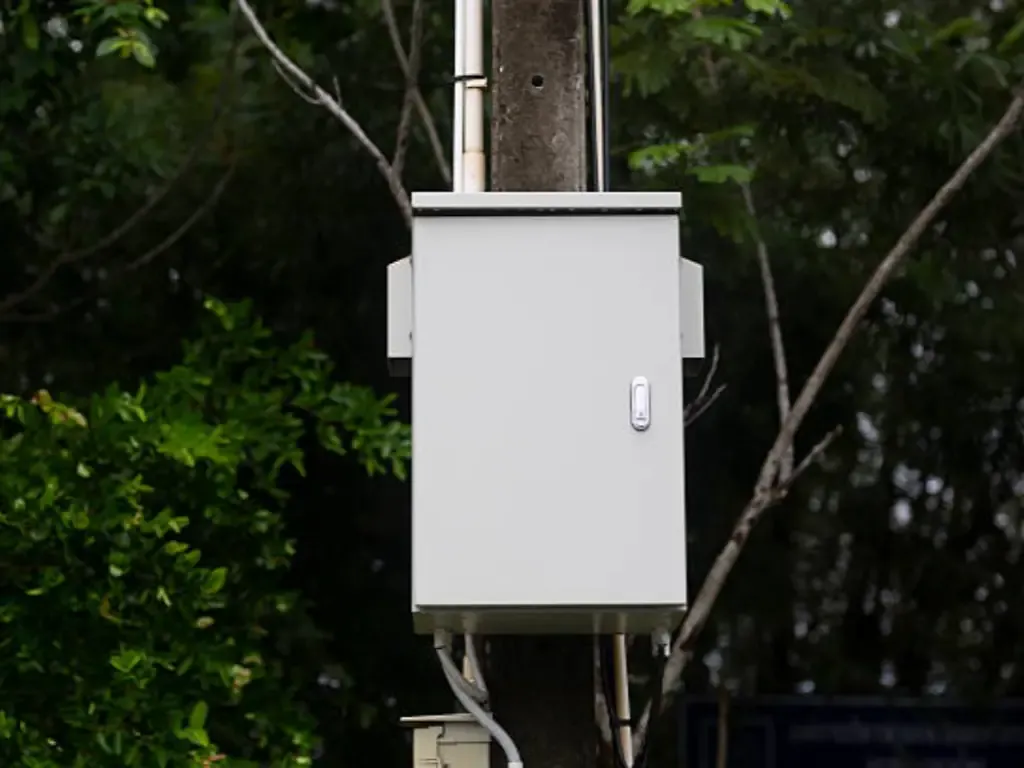
- Select a Type 3R enclosure if you need basic protection against rain and sleet for outdoor equipment.
- Opt for a Type 4X rating if your equipment is in a washdown area or near salt spray, as this provides extra corrosion resistance.
- Verify the mounting requirements, as some high-rated enclosures require specific seals or hardware to maintain their protection level.
If you’re unsure about the rating, always choose the higher level of protection. Using an enclosure that isn’t rated for your environment often leads to moisture buildup and short circuits. If your project involves high-voltage gear or public safety, have a licensed electrician inspect your installation to ensure it meets local building codes.
Comparison of standard enclosure types
Choosing the right enclosure requires matching the rating to your specific environment. The following table highlights common types and their typical uses.
| Situation | What to use | How long | What to watch for |
|---|---|---|---|
| Indoor clean room | Type 1 | Permanent | Dust buildup |
| Outdoor rain/sleet | Type 3R | Permanent | Internal condensation |
| Washdown area | Type 4 | Permanent | Chemical exposure |
| Corrosive/Salt spray | Type 4X | Permanent | Seal degradation |
| Hazardous gas area | Type 7 | Permanent | Gasket integrity |
This assumes standard industrial use; for extreme temperature swings, allow for extra ventilation or specialized climate control accessories.
Differences in performance and design
Experienced installers know that the rating is only as good as the seal. They prioritize the quality of the gasket and the tightness of the door latches during every installation. If the gasket is pinched or dirty, even a high-rated enclosure will let water inside. Beginners often ignore the cable entry points, which is a mistake that costs them their equipment.
Always use appropriate conduit hubs that match the enclosure’s rating. If you drill a hole in the top of an outdoor box, you must use a watertight fitting. Otherwise, water will follow the conduit directly into the electronics. Professionals check their seals during every maintenance cycle and replace any that look cracked or brittle.
Troubleshooting common enclosure issues
If you notice signs of trouble, act quickly to protect the internal components from failure.
| What you notice | What it usually means | What to do first |
|---|---|---|
| Water droplets inside | Failed seal or loose cable | Inspect all gaskets |
| Rust on the surface | Wrong material for site | Check for 4X rating |
| Dust on components | Improper conduit entry | Tighten all fittings |
| Overheating gear | Inadequate airflow | Add vents or fans |
If water continues to enter despite these checks, the enclosure itself may be damaged or warped. Stop using the unit and replace it with a new one that meets the environment’s requirements.
Regulatory and safety standards
Enclosure standards are strictly enforced to prevent electrical fires and equipment damage. In the United States, the Occupational Safety and Health Administration requires that all electrical equipment be suitable for the environment in which it’s used. You can’t substitute a lower-rated box just because it’s cheaper. If you’re working in a commercial or industrial facility, ensure your choices align with the National Electrical Code guidelines.
Check the NEMA rating stamped on the housing before installation. If the environment involves wash-down procedures or heavy dust, a NEMA 1 enclosure is unsuitable and won’t provide the necessary protection. Use NEMA 4X for corrosive or wet areas. If you’re unsure of the site classification, consult the local authority having jurisdiction before purchasing hardware.
Maintaining your enclosures over time
Regular maintenance keeps your enclosure performing as intended for many years. You should inspect the gaskets annually for signs of hardening or cracking. If you see white powder or red rust, it’s a sign that the finish is failing and the unit needs replacement. Always wipe down the exterior with a damp cloth to remove salt or chemical buildup. If the seal is compromised, don’t attempt to patch it with tape; replace the gasket kit to restore the original rating.
When to avoid standard ratings
Not every situation fits a standard NEMA rating. If you’re working in an environment with extreme vibration or high-pressure steam, a standard enclosure may fail regardless of its rating. In these cases, you should consult with an enclosure manufacturer to discuss custom stainless steel designs or specialized pressure-relief systems. If you find your equipment is constantly failing due to heat, stop using a sealed box and consider a climate-controlled cabinet instead.
Frequently asked questions
Can I use a NEMA 4 enclosure outdoors?
Yes, you can use a Type 4 enclosure outdoors because it’s designed to withstand rain, snow, and sleet. However, it doesn’t provide the extra corrosion protection found in a Type 4X model for coastal areas.
How long do enclosure gaskets last?
Gaskets typically last for a duration that depends entirely on the temperature and chemical exposure of your site. Inspect them once a year for signs of brittleness or compression set to ensure they still seal correctly.
Is it safe to drill holes in my enclosure?
Yes, but you must use the correct tools and fittings to maintain the enclosure’s rating. If you drill a hole, you must use a watertight conduit hub that matches or exceeds the original enclosure’s rating to prevent leaks.
What happens if I use a lower rating than required?
You risk water or dust entering the box, which leads to short circuits and permanent equipment damage. It also voids the manufacturer’s warranty and may violate local electrical safety codes, creating a significant liability for your facility.
How do I know if I need a 4X rating?
You need a Type 4X enclosure if your equipment is exposed to corrosive materials, salt spray, or harsh cleaning chemicals. If you’re near the ocean or in a chemical plant, the standard Type 4 will rust quickly.
Can I paint my enclosure?
Yes, but you must be careful not to paint over the gaskets or the mating surfaces of the door. Painting these areas prevents a proper seal and will cause the enclosure to fail its protection standards during rain or washdown.
Conclusion
Proper enclosure selection ensures your equipment remains protected from the elements for its entire service life. Always verify the specific environmental hazards of your site before purchasing, and perform regular inspections to maintain the integrity of your seals. When in doubt, consult the manufacturer’s technical documentation to ensure your chosen model meets all necessary safety requirements for your application.
