
You can fix a dryer squeaking by checking the drum rollers, the belt, or the idler pulley for wear or debris. If the noise is a high-pitched metal-on-metal sound, it often means a roller bearing has failed. For a thumping or rhythmic squeal, the issue is usually a frayed belt or a misaligned drum. You should unplug the machine before attempting any internal inspection or repair to ensure your safety.
Why your machine is making noise
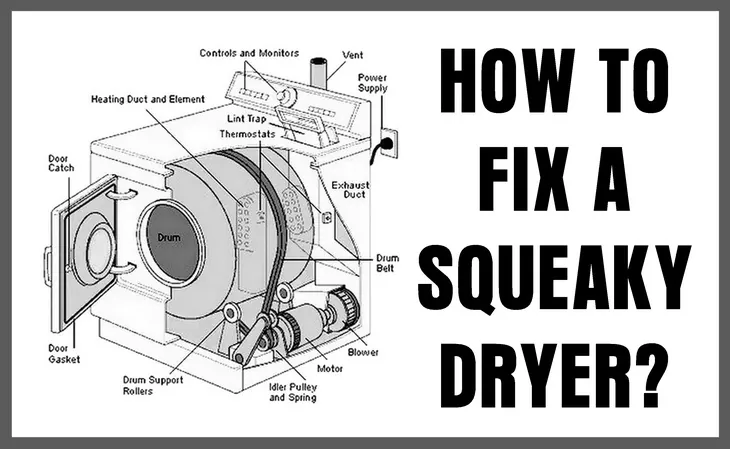
Most noises from a laundry appliance come from mechanical parts that move constantly during a cycle. The drum rotates on a set of rollers located at the back or front of the unit. Over time, the lubricant inside these rollers dries out or the plastic wheels develop flat spots. When these wheels stop spinning smoothly, they create a persistent squeak or grinding noise as they struggle to turn the heavy drum.
Another frequent cause involves the drive belt. This belt wraps around the drum and provides the tension needed to rotate the load. If the belt becomes cracked, loose, or picks up lint, it can slip against the drum. This slipping often results in a chirping or squeaking sound that changes rhythm as the drum changes speed.
Finally, the idler pulley is a common culprit. This part keeps the belt tight. If the pulley bearing seizes, the belt drags across the stationary wheel, creating a loud, high-pitched screech. You can find specific safety guidelines for home appliance maintenance through the Consumer Product Safety Commission to ensure you handle these components without risk.
If you notice the noise happens only when the drum is full, the rollers are likely failing under the extra weight. If the noise happens even when the drum is empty, the belt or idler pulley is the more probable source.
Clean and inspect the drum rollers
To check the rollers, you must remove the top and front panels of the dryer. This process varies by model, so consult your manual for the exact panel removal steps. Once the drum is accessible, spin each roller by hand. A healthy roller should spin freely and silently. If it feels gritty or wobbles, it needs replacement.
If you find lint packed around the rollers, clean it out with a vacuum. Sometimes, lint buildup creates friction that mimics a failing part. If the roller looks fine but is dry, applying a small amount of high-temperature lubricant to the shaft can help, but replacing the part is the standard fix for long-term silence.
Check for flat spots by rotating the wheel a full 360 degrees. A wheel that spins smoothly for most of the turn but catches at one specific point is compromised. Ignoring a wobbling roller often leads to a bent drum shaft, which turns an inexpensive repair into a total machine replacement. Never attempt to service the motor or electrical components yourself, as a capacitor can hold a lethal charge even after the unit is unplugged.
Replace a worn drive belt
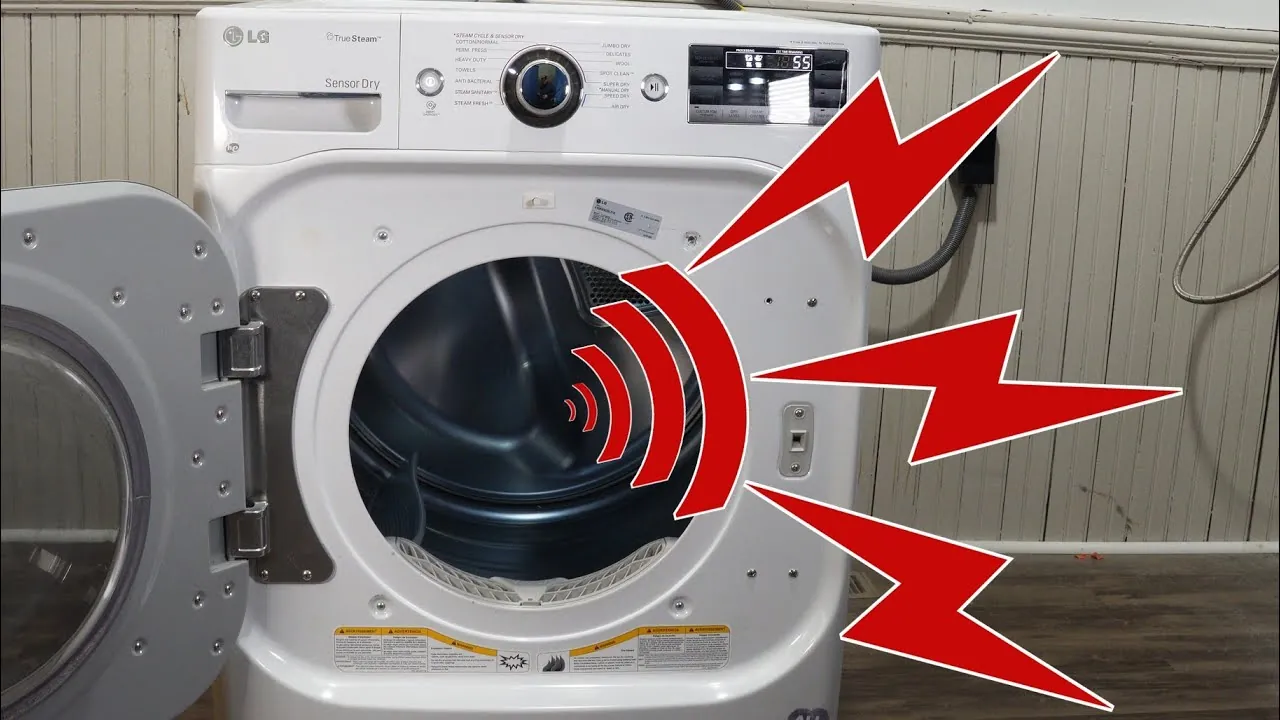
If the rollers move smoothly, inspect the drive belt for signs of wear. Look for cracks, fraying, or thin spots along the entire length of the belt. A belt that has stretched out won’t provide enough tension, causing it to squeak as it slips over the drum surface. When you replace the belt, you should also check the idler pulley to ensure it rotates without resistance.
If the idler pulley feels gritty or wobbles, replace it immediately. A seized pulley will shred a brand-new belt within minutes, costing you an additional expense in parts.
To replace the belt, loop it around the drum and the motor pulley while maintaining proper tension. If the belt is too loose, it will continue to slip. If it’s too tight, it can put excessive strain on the motor bearings. A simple rule is that you should be able to deflect the belt about one inch with firm finger pressure.
If you have a front-loading model, this task requires significant disassembly. Take a photo of the wire harness routing before you disconnect anything. If you feel unsure about reassembling the complex pulley system, hire a qualified repair person to avoid damaging the motor or the drum alignment.
Lubricate or replace the idler pulley
The idler pulley is a small wheel that puts pressure on the drive belt. If this wheel squeaks, the bearing inside has likely failed. Try to spin the pulley by hand; it should rotate smoothly without any grinding noise. If it feels stiff or makes a clicking sound, it’s time for a new pulley.
If the pulley appears to be in good condition but is merely dry, you can apply a tiny amount of silicone-based lubricant to the center shaft. Don’t use oil or grease, as these attract lint and will quickly cause the pulley to seize again. If the pulley is damaged, replace it immediately to prevent the belt from snapping.
Most people make the mistake of ignoring a subtle “chirp” during startup, assuming it’s just a cold belt. This neglect often leads to the pulley seizing entirely, which shreds the belt and leaves you stranded.
If you can move the pulley side-to-side more than a millimeter, the internal race is worn. In that case, lubrication is useless. Replace the unit immediately. If you choose to replace the pulley, ensure you buy the exact part number for your specific machine model, as generic parts often lead to improper belt alignment and further noise.
Common dryer squeaking mistakes
Using heavy grease on the rollers attracts lint and dust. This mixture turns into a thick, abrasive paste that eventually stops the rollers from spinning entirely. Stick to high-temperature silicone-based lubricants instead.
Many people replace a snapped belt but leave the old, seized idler pulley in place. This mistake causes the new belt to overheat and fray within just a few weeks. Always spin the pulley by hand before closing the cabinet; if it doesn’t rotate freely for several seconds, replace it immediately.
Overloading the drum increases pressure on the motor and rollers. If you can’t fit a flat hand between the top of the wet clothes and the top of the drum, you’re overloading the unit. This excess weight forces the motor to draw higher amperage, which can eventually fry the thermal fuse.
Never use WD-40 on bearings. It’s a solvent, not a permanent lubricant. It strips away factory grease, leaving metal parts unprotected and prone to seizing.
How to stop the squeaking permanently
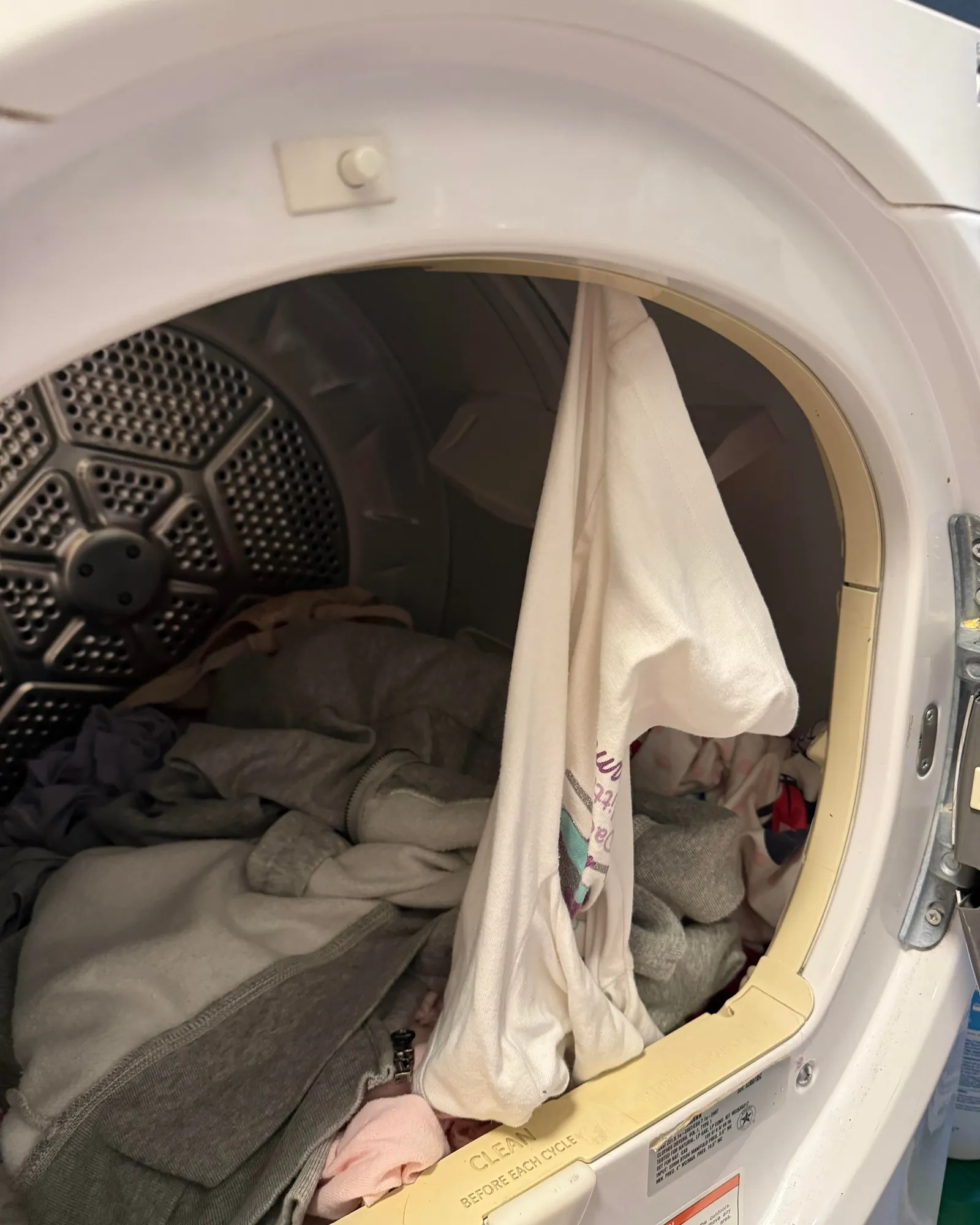
Preventing future noise starts with regular maintenance and mindful loading habits. A dryer is designed to run quietly when the internal components are clean and properly lubricated. If you notice a faint sound, address it early to avoid more expensive repairs.
| If you’re doing this | Do this instead | Why |
|---|---|---|
| Overloading the drum | Fill it halfway | Less weight reduces roller strain |
| Cleaning only the lint trap | Vacuum the interior | Lint buildup causes heat and friction |
| Using household oil | Use high-temp silicone grease | Household oil evaporates and collects dirt |
| Ignoring small chirps | Inspect rollers immediately | Early fixes stop bearing damage |
Limit your drum capacity to 50 percent of the total volume. Exceeding this weight threshold forces the belt to stretch and creates uneven pressure on the drum glides. If the machine sounds like a rhythmic thumping rather than a high-pitched squeal, the problem is likely a flat spot on a roller rather than a lack of lubrication. Replace all four rollers at once if one shows visible wear.
Related guides
- Basin Wrench vs Adjustable Wrench: Which Tool You Need for Repairs in 2026
- Polaris 280 Wheel Not Touching: Fix and Adjustments in 2026
- Top 10 Best Toolkits for Home Appliance Repair in 2026
Frequently asked questions
Can I run the dryer if it’s squeaking?
No, you shouldn’t continue to use the machine if it’s squeaking loudly. Continued use can lead to the drum seizing, the belt snapping, or even damage to the motor. These mechanical failures are much more expensive to fix than simply replacing a set of rollers. If you hear a grinding or metal-on-metal sound, stop the dryer immediately and inspect the internal components before running another load.
Is it safe to fix the dryer myself?
Yes, it’s safe to perform basic maintenance if you follow standard safety protocols. Always unplug the power cord before removing any panels to prevent accidental shock. You should never touch the motor capacitors or attempt to discharge them yourself, as they can hold a lethal charge. If the repair requires opening the electrical housing or dealing with wiring, contact a professional appliance technician to handle the work safely.
Why does the squeak only happen sometimes?
The squeak often happens only when the drum is loaded because of the extra downward pressure on the rollers. When the machine is empty, the rollers have little resistance and may spin quietly even if the bearings are failing. If the sound is rhythmic, it usually matches the rotation of the drum, which confirms the issue is with a roller or the belt rather than the motor or blower fan.
How much does it cost to fix a squeaking dryer?
The cost depends on whether you do the work yourself or hire a professional. If you do it yourself, a set of rollers or a new belt is inexpensive. If you hire a technician, expect to pay more for the parts and labor. The final price varies by your local service rates and the accessibility of the parts in your specific model.
Can lint cause a dryer to squeak?
Yes, excessive lint buildup can cause a squeak if it gets caught between the drum and the seals or inside the roller bearings. When lint enters the bearing, it creates friction that forces the roller to drag. If the noise persists after cleaning, the bearing is likely damaged.
Conclusion
Regularly cleaning the lint filter and the exhaust vent ensures your machine runs efficiently and keeps internal parts from overheating. If the noise returns shortly after cleaning, the bearing has likely suffered permanent wear and needs a new part to restore quiet operation.
