
When you’re staring at a leaking faucet or a loose mounting nut tucked deep behind a bathroom sink, you quickly realize that having the right tool is the difference between a five-minute fix and a three-hour ordeal. Many DIY enthusiasts find themselves debating the merits of a basin wrench vs adjustable wrench, as both are staples in a standard plumbing kit. While they share the goal of tightening or loosening fasteners, their mechanical designs serve entirely different spatial needs. A basin wrench typically costs between $12.00 and $35.00, while a high-quality adjustable wrench ranges from $15.00 to $50.00 depending on the size and material grade. Understanding how these tools function will save you from stripped bolts and bruised knuckles.
Key Takeaways
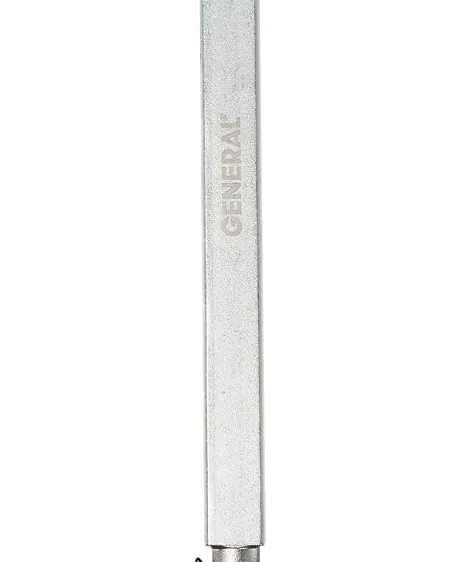
- Use a basin wrench for vertical access in tight, recessed spaces behind sinks.
- Use an adjustable wrench for general-purpose gripping of hex nuts on exposed piping.
- Basin wrenches feature a pivoting, spring-loaded jaw that grips nuts from above.
- Adjustable wrenches require a wide swinging arc, making them unsuitable for cramped cabinet interiors.
- Always ensure your wrench size matches the diameter of the nut to prevent slippage.
How the Basin Wrench Functions
The basin wrench, often called a sink wrench, is a specialized tool designed specifically for the unique environment under a vanity. Its signature feature is a long, narrow shaft topped with a spring-loaded, pivoting head. This design allows you to reach up behind the basin to grip the mounting nuts that secure faucets to the countertop. Because the head pivots, it can grab nuts from nearly any angle, even when you can’t see them directly.
Pro Tip: If the nut is rusted or frozen in place, apply a penetrating oil to the threads and let it sit for ten minutes before attempting to turn it with your basin wrench.
When you rotate the shaft, the jaw tightens against the nut, providing a secure grip that increases as you apply more force. This is essential because, in most bathrooms, there’s less than three inches of clearance between the sink bowl and the wall, leaving no room for a traditional horizontal handle to swing.
When to Choose an Adjustable Wrench
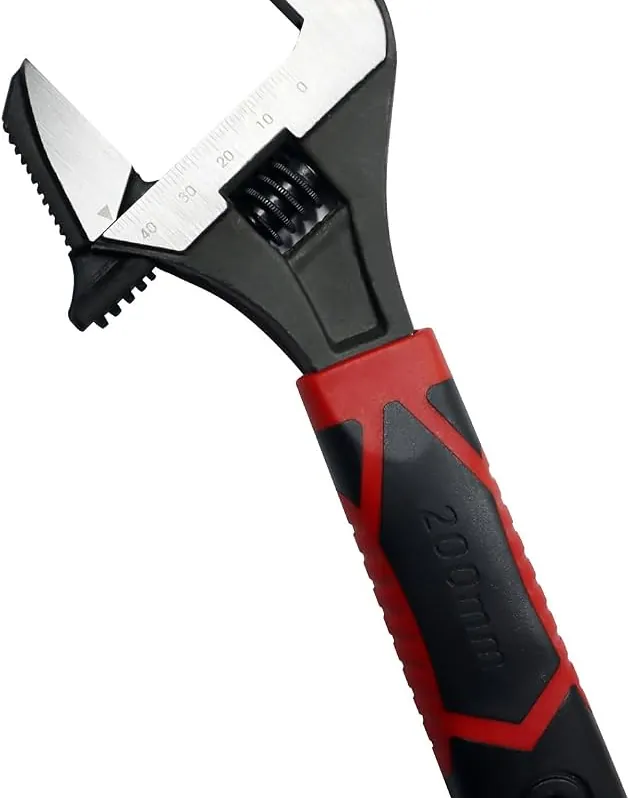
An adjustable wrench, frequently referred to as a crescent wrench, relies on a sliding jaw controlled by a thumb-operated screw. It’s the Swiss Army knife of the toolbox. You use this tool when you have clear, open space around the pipe or fastener. It’s the ideal choice for working on supply lines, P-traps, or shut-off valves where the nut is exposed and allows for a full rotation.
The primary advantage of the adjustable wrench is its versatility. Because the jaw width can be changed, a single tool can handle a variety of sizes, from small compression nuts to larger union fittings. However, it requires a horizontal approach. If you try to use this tool in a cramped cabinet, you’ll find that you can only turn the nut a few degrees before the handle hits the back wall, forcing you to remove and reset the tool repeatedly.
| Feature | Basin Wrench | Adjustable Wrench |
|---|---|---|
| Primary Use | Recessed faucet nuts | Exposed piping/fittings |
| Access Type | Vertical/Overhead | Horizontal/Lateral |
| Jaw Design | Pivoting/Self-tightening | Sliding/Manual adjustment |
| Space Needed | Minimal clearance | Wide swinging arc |
| Ideal For | Sink mounting hardware | Supply line fittings |
Comparing Tool Reach and Torque
When selecting between these tools, reach and torque are your primary constraints. The basin wrench is built for reach; most models feature a shaft between 10 and 12 inches long. This length is intentional, as it allows you to stand or kneel comfortably while your hands remain outside the tightest part of the cabinet.
The adjustable wrench provides superior torque for stubborn, exposed fittings. Because the jaw is solid and doesn’t pivot, it’s less likely to slip off a nut when you apply heavy downward pressure. To ensure safety and avoid damaging your pipes, always follow the ANSI/ASME B107.100 standards for hand tool performance and safety requirements. If a bolt refuses to move, don’t force the wrench, as you risk cracking porcelain or snapping a plastic supply line.
Are There Specialized Alternatives?
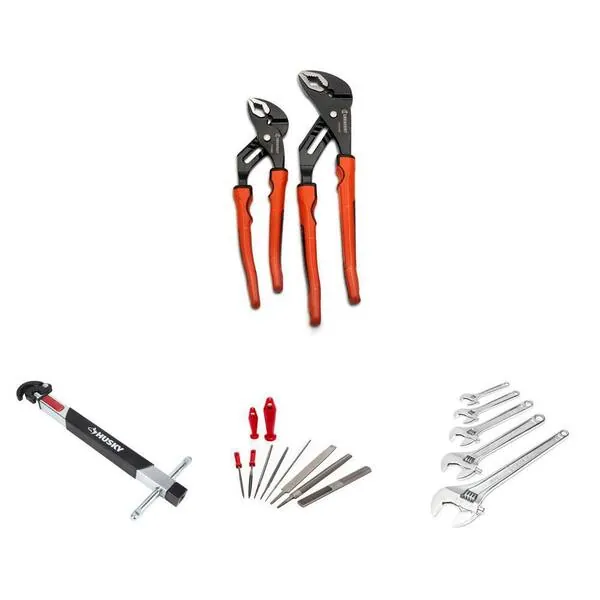
Beyond the two standard options, you might encounter situations where neither tool is perfect. For very tight, plastic mounting nuts, some plumbers prefer a plastic basin wrench tool, which is a hollow plastic tube with molded ends that fit specific nut sizes. These are inexpensive and lightweight, preventing the accidental over-tightening that often cracks delicate plastic components.
Another alternative is the pipe wrench. Unlike the adjustable wrench, which has smooth, flat jaws, a pipe wrench has serrated teeth. These teeth bite into the metal of the pipe, providing an incredibly strong grip. Never use a pipe wrench on a finished chrome fixture, as the teeth will leave permanent gouges in the metal.
Maintenance of Plumbing Tools
To ensure your tools remain reliable, you must perform basic maintenance. After working under a sink, wipe down the jaws of your basin wrench to remove any soap scum, water, or debris. If the spring-loaded jaw becomes stiff, a quick spray of silicone-based lubricant will restore its movement.
For adjustable wrenches, the most common point of failure is the knurled adjustment screw. Keep the threads clean and slightly oiled to ensure the jaw slides smoothly. If the jaw develops “play” or wobbles excessively, it’s time to replace the tool, as a loose jaw will inevitably round off the corners of your nuts and bolts.
| Maintenance Task | Basin Wrench | Adjustable Wrench |
|---|---|---|
| Cleaning | Wipe jaw after use | Clean sliding threads |
| Lubrication | Spring pivot point | Adjustment screw/tracks |
| Storage | Hang vertically | Keep dry/oil coated |
| Inspection | Check pivot tension | Check jaw alignment |
Selecting the Right Size
Size selection is critical for both tools. A basin wrench is usually sized by the capacity of its jaw, typically ranging from 1/2 inch to 1-1/4 inches. If you’re working on a modern high-end faucet, check the mounting nut size before buying your wrench, as some luxury brands use oversized nuts that standard wrenches can’t accommodate.
For adjustable wrenches, the handle length dictates the amount of torque you can apply. A 6-inch wrench is perfect for small, delicate fittings under the sink, while a 12-inch wrench provides the leverage needed to break loose a stubborn, corroded shut-off valve. Avoid using “cheater bars” or pipes to extend the handle of an adjustable wrench, as this can easily lead to tool failure or snapped fasteners.
Common Mistakes During Plumbing Repairs
One of the most frequent errors is using the wrong tool for the task, leading to “rounded” nuts. Once the corners of a hex nut are worn down, even the best wrench will struggle to grip it. If you feel the tool slipping, stop immediately. Check if your jaw is fully seated on the flat faces of the nut rather than just the corners.
Warning: Never use a basin wrench to tighten a fitting that’s under high pressure, such as a main water line, unless you’re certain the tool is rated for that specific application.
Another mistake is failing to account for the direction of the turn. In confined spaces, it’s easy to get confused about which way is “righty-tighty” and “lefty-loosey.” Always double-check your orientation before applying maximum force to prevent snapping a bolt that’s already under tension.
When to Call a Professional
Sometimes, the difficulty of a repair goes beyond the limitations of your tools. If you’re working on a faucet that has been in place for twenty years, the mounting hardware may be fused to the countertop due to mineral buildup and corrosion. In these cases, even a professional plumber may need to use a reciprocating saw to cut the faucet from above.
If you find yourself spending more than an hour on a single nut, step back. You may be at risk of damaging the sink itself, which is significantly more expensive to replace than the cost of a service call. If you have tried penetrating oil, the correct wrench, and a moderate amount of force without success, it’s often more economical to hire a licensed professional who possesses specialized extraction tools.
Frequently Asked Questions
Can I use a basin wrench on anything other than a sink?
While designed for sink mounting nuts, the basin wrench can be used on any recessed fastener that’s difficult to reach. It’s occasionally useful for automotive repairs or tight engine bays, though its limited torque capacity makes it unsuitable for heavy-duty mechanical work. Always ensure the fastener size matches the jaw capacity to avoid slippage and damage.
Will an adjustable wrench damage chrome pipes?
Yes, an adjustable wrench can easily mar or scratch chrome finishes. The metal jaws are harder than the chrome plating. To prevent damage, wrap the jaws of the wrench in a piece of heavy-duty duct tape or use a cloth rag between the tool and the pipe. This provides a buffer that protects the aesthetic finish while still allowing you to grip the nut firmly.
Is a basin wrench worth buying for a one-time job?
If you’re replacing a single faucet, a basin wrench is absolutely worth the investment. Given the price range of $12 to $35, it’s cheaper than the cost of a professional plumber’s trip charge. Even if you only use it once, the time saved and the frustration avoided make it a valuable addition to any home toolkit for future maintenance.
What should I do if the basin wrench slips?
If the tool slips, the nut may be too small for the current jaw setting, or the teeth on the jaw have become dull. Ensure you’re using the correct size, and check the spring tension. If the teeth are worn, the tool won’t bite into the metal. In such cases, you may need to use a different tool or clean the nut of debris.
Can I use a basin wrench to loosen a stuck nut?
You can use a basin wrench to loosen stuck nuts, but proceed with caution. Because the tool is designed for reach rather than extreme leverage, applying excessive force can cause the head to snap or the tool to slip off the nut. If the nut doesn’t budge with moderate effort, apply a penetrating lubricant and allow it to soak before trying again.
Conclusion
The next time you face a plumbing project, evaluate your workspace before grabbing a tool. If your target is tucked deep behind a sink bowl, reach for the basin wrench to save your hands from unnecessary strain. If your repair is out in the open, the adjustable wrench remains your most reliable choice. Start your task by confirming the nut size and ensuring your chosen tool is clean and properly adjusted.