
Finding the best matte finish for walnut depends on your goals for the wood. If you want a natural look, choose hardwax oils; if you need heavy-duty scratch resistance, water-based polyurethanes are the better path. Walnut has a rich, dark grain that reacts differently to oils versus synthetic resins, so consider whether you want a hand-rubbed feel or a film-forming protective layer.
As an Amazon Associate, we earn from qualifying purchases. This post contains affiliate links – if you buy through them, we may earn a commission at no extra cost to you.
1. Osmo Polyx-Oil Matte

Best for: Someone who wants an easy, professional-grade finish for furniture or floors.
This product is a favorite for those who want a natural look without the hassle of traditional varnishes. It’s designed to be very durable, which is vital for walnut surfaces that see daily use. You can apply it easily, and if you ever need to touch up a scratch, you can spot-repair it without sanding the whole piece down.
Because it’s saliva-resistant and sweatproof, it’s a safe choice for children’s toys. The matte finish keeps the wood looking authentic and soft to the touch. This product isn’t for someone who prefers a thick, plastic-like protective film over the natural wood grain.
Good if:
- You want a finish that’s easy to refresh.
- You need protection against common spills like juice or coffee.
- You want a product used by professionals and homeowners alike.
Skip it if:
- You prefer a high-gloss, reflective shine.
- You’re looking for a finish that dries in minutes.
2. Rubio Monocoat Wood Oil Finish 175 ft²
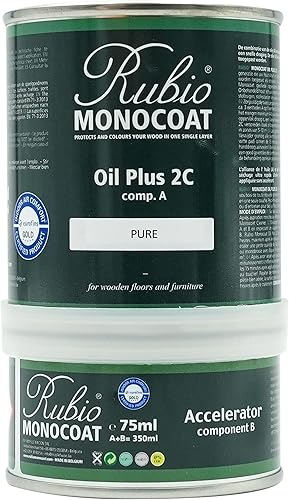
Best for: Someone needing a single-layer application that colors and protects simultaneously.
This hard wax oil stands out because it bonds with the top fibers of the wood, providing a durable finish in just one coat. It’s excellent for high-traffic areas like living room floors because it resists water and heat effectively. Since it’s eco-friendly and free of harmful substances, it’s a popular choice for health-conscious homes.
The system includes an accelerator, which helps the finish cure quickly for timely renovations. It isn’t for someone who wants a buildable, thick coating that sits on top of the wood. You should always test a sample first, as the final color can change based on the specific piece of walnut you’re treating.
Good if:
- You want a sustainable, low-VOC option.
- You need to treat high-traffic areas efficiently.
- You enjoy a vast spectrum of color options.
Skip it if:
- You want a traditional, multi-coat varnish feel.
- You don’t have the patience to test colors on a scrap piece.
3. Varathane Water-Based Ultimate Matte Polyurethane

Best for: A user who wants a crystal-clear, water-based finish that dries quickly.
This formula is great for indoor projects like trim, cabinets, and furniture where you want to keep the wood’s natural color without yellowing. Because it’s water-based, cleanup is simple with just soap and water. It dries to the touch in 30 minutes, which is helpful if you’re working in a busy household.
The matte sheen provides a non-reflective look that highlights the wood grain clearly. It isn’t for someone who needs marine-grade protection against constant moisture or extreme outdoor exposure.
Good if:
- You need a fast-drying project finish.
- You want easy cleanup without harsh chemicals.
- You need outstanding scratch resistance.
Skip it if:
- You’re working on outdoor wood.
- You prefer an oil-based ambering effect.
4. Minwax Polycrylic Protective Finish

Best for: Someone finishing light-colored or stained projects who wants a non-yellowing topcoat.
This finish is designed to be crystal clear, making it a reliable choice if you have already stained your walnut and want to lock in the color. It protects against scratches and spills, which is ideal for everyday furniture. The low-odor formula makes it easier to use in small indoor spaces compared to solvent-based products.
It’s ultra-fast drying, allowing you to recoat in just two hours to finish your project quickly. It isn’t for someone who wants the deep, warm amber glow that oil-based finishes provide, as this product stays clear.
Good if:
- You want a modern, non-yellowing look.
- You need a low-odor solution for indoor use.
- You want a product that cleans up with water.
Skip it if:
- You want to enhance the natural amber tones of the wood.
- You’re applying it over an incompatible finish.
5. General Finishes High Performance Water Based Topcoat

Best for: A user who wants the hardest, most durable consumer-grade topcoat available.
This product is built for performance, offering a very tough finish that holds up well against daily wear. It’s ideal for furniture that gets a lot of use, such as desks or dining tables. The dry time between coats is very short, helping you complete your work faster.
It’s strictly for interior use and shouldn’t be applied over bright white paint. It isn’t for someone looking for a finish that adds a deep, traditional oil-based color to the wood, as it’s a clear topcoat.
Good if:
- You prioritize maximum durability above all else.
- You have a tight schedule for finishing your project.
- You want a professional-grade consumer product.
Skip it if:
- You’re working on an outdoor project.
- You want to change the underlying wood color.
6. Walnut 25ml Hardwax Wood Oil

Best for: Those who want a natural, plant-based protection for their walnut furniture.
This hardwax oil uses linseed oil and natural waxes to protect the wood without forming a thick, artificial film. It bonds with the wood fibers, which preserves the natural beauty of the walnut grain. It’s a sustainable choice, free of VOCs and solvents, and is safe for children’s furniture.
Because it’s a single-coat system, it’s very efficient for those who want a quick, high-quality result. the listing doesn’t mention temperature or humidity application limits
Good if:
- You want a natural, VOC-free formula.
- You want to preserve the wood’s tactile feel.
- You’re working on furniture or floors.
Skip it if:
- You need a high-build, protective plastic-like coating.
- You prefer a synthetic finish.
7. Epifanes WFM1000 Matte Wood Finish Quart

Best for: Someone who needs a marine-grade, durable finish for interior or exterior wood.
This finish contains UV absorbers and is based on tung oil, making it exceptionally resilient. It’s specifically formulated to handle the demands of oily woods, which makes it very effective for walnut. It provides a rich amber color on dark woods.
It works best when applied over a base of gloss varnish, as it’s a finishing layer. It isn’t for someone who wants a simple, one-coat project, as it requires a specific build-up process to achieve the best results.
Good if:
- You need marine-grade protection for your wood.
- You want a rich, amber finish.
- Your project is exposed to sunlight or moisture.
Skip it if:
- You want a quick, single-coat application.
- You aren’t willing to follow a multi-step application process.
8. Varathane Triple Thick Polyurethane Matte Wood Finish

Best for: A user who wants to finish a project with fewer coats.
The main advantage of this product is its thickness, which allows you to achieve a protective layer in just one coat. It’s a water-based polyurethane that dries fast and cleans up easily with soap and water. It’s a great choice for those who are short on time or working on many different surfaces.
The matte finish is designed to be clear and durable. the listing doesn’t mention the thickness of the layer or its visibility
Good if:
- You want to save time by finishing the job in a single pass.
- You need a fast-drying finish for indoor surfaces.
- You prefer easy cleanup.
Skip it if:
- You want a very thin, natural-feeling oil finish.
9. Furniture Clinic Wood Varnish

Best for: Someone who needs a versatile, waterproof sealant for various indoor wood projects.
This varnish is designed to be a durable shield against liquid damage, which is perfect for tables or doors. It’s water-based, meaning it has low VOCs and very little odor during application. It enriches the wood grain while providing a matte-to-satin protective layer.
It works well on both new and older, restored wood, making it very flexible. It isn’t for someone who wants a finish that penetrates deep into the wood like an oil, as this acts more as a protective barrier on the surface.
Good if:
- You need high-quality waterproof protection.
- You’re restoring an older piece of furniture.
- You want a low-odor application.
Skip it if:
- You want a deep-penetrating oil finish.
- You’re working on an outdoor project.
Where These Overlap
Many of these products perform the same basic job of protecting wood, but they fall into two distinct camps. The hardwax oils, such as Osmo Polyx-Oil Matte, Rubio Monocoat Oil Plus, and Walnut Hardwax Wood Oil, are for users who want to feel the wood grain and prioritize a natural, matte, hand-rubbed look. Conversely, the polyurethanes like Varathane Ultimate Matte, Minwax Polycrylic Matte, and General Finishes High Performance are for users who need a tougher, film-forming barrier to resist scratches and spills. If you’re choosing between the hardwax oils, the decision comes down to the specific application method you prefer, as they’re very similar in their end result and natural feel.
Still Not Sure?
How often will I really use the wood?
If the walnut surface is a dining table or a high-traffic floor, you need a high-performance topcoat like General Finishes High Performance. These finishes are designed to withstand daily impact and spills. If you’re finishing a decorative shelf or a display piece, a natural oil like Osmo Polyx-Oil Matte is likely enough.
What do I already own that this has to work with?
Check if you have already applied a stain. Water-based finishes like Minwax Polycrylic Matte are generally compatible with most stains and won’t yellow. If you’re starting with raw wood and want to keep it as natural as possible, the hardwax oils like Rubio Monocoat Oil Plus are your best bet.
What am I most likely to regret choosing?
Most users regret choosing a finish that’s too difficult to maintain. If you want a piece that’s easy to fix when it gets a scratch, avoid thick, film-forming polyurethanes that require sanding to repair. Instead, choose a hardwax oil like Walnut Hardwax Wood Oil, which allows for simple, local repairs.
When choosing a finish, always confirm it meets the safety standards for your intended environment, such as the Consumer Product Safety Commission guidelines for household chemical products.
Closing
The best matte finish for walnut depends on whether you want a natural, tactile surface or a heavy-duty protective barrier. Choose a hardwax oil like Osmo Polyx-Oil Matte for a natural, repairable finish, or a polyurethane like General Finishes High Performance for maximum durability. Start by determining if your project needs scratch resistance or a natural look.
Related guides
Frequently Asked Questions
What does this finish ask of its owner week to week?
Most of these finishes require very little maintenance beyond a dry or damp cloth dusting. Polyurethanes act as a hard shell and need only surface cleaning. Hardwax oils are also easy to clean, but they may eventually benefit from a maintenance coat if the wood looks dry or dull after years of heavy use.
What has to be replaced, refilled, or renewed to keep it working?
You don’t need to replace the finish, but you may need to renew it. Hardwax oils are designed for simple renewal; you just clean the area and apply a small amount of oil to the worn spot. Polyurethanes generally don’t need renewal until you’re ready to sand the entire surface and reapply.
What happens when it’s outgrown or used up?
If you decide to change the look of your wood, the polyurethanes require sanding back to the bare wood to remove the film layer. Hardwax oils are easier to manage because they’re absorbed into the wood fibers, meaning you can often apply a new coat directly over the old one after a light cleaning.
Would the more capable one on this list have suited me better?
A more capable finish, such as a marine-grade product like Epifanes Matte Wood Finish, is only better if your environment demands it. If you’re working on a standard indoor table, a professional-grade consumer product is usually more than enough. Don’t pay for extra UV protection or marine-grade resin unless your project is actually exposed to those elements.
Final Thoughts
The final choice comes down to how you plan to use your project. If you’re still unsure, grab a scrap piece of walnut and test a small patch with your preferred product. You’ll see exactly how the color shifts before you commit to the entire piece, and you won’t regret it.