
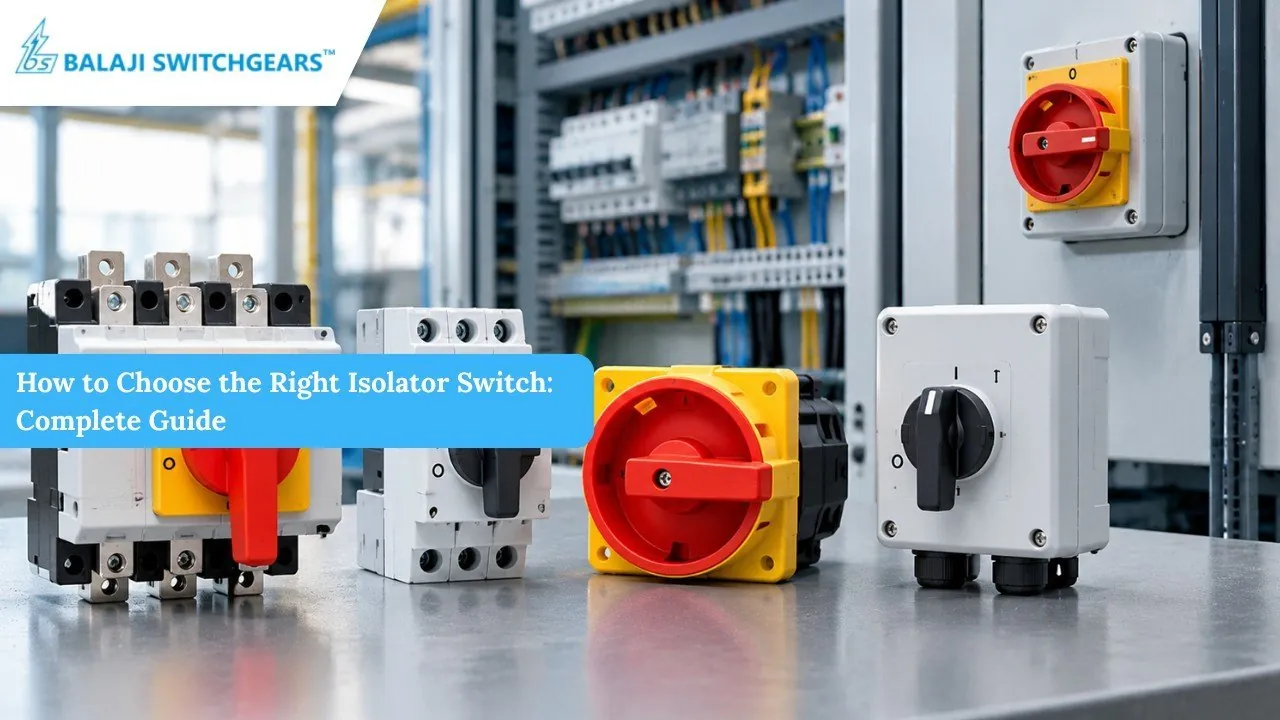
An isolator is a switch that cuts power completely from a circuit so maintenance can happen safely. Unlike a breaker, it doesn’t stop current while it’s flowing; it’s opened only after the circuit is already dead, then locked in place so nobody can re-energise it while someone is working. This guide covers what isolators do, where they’re used, how they differ from circuit breakers, and the rules that apply to them.
What an isolator is
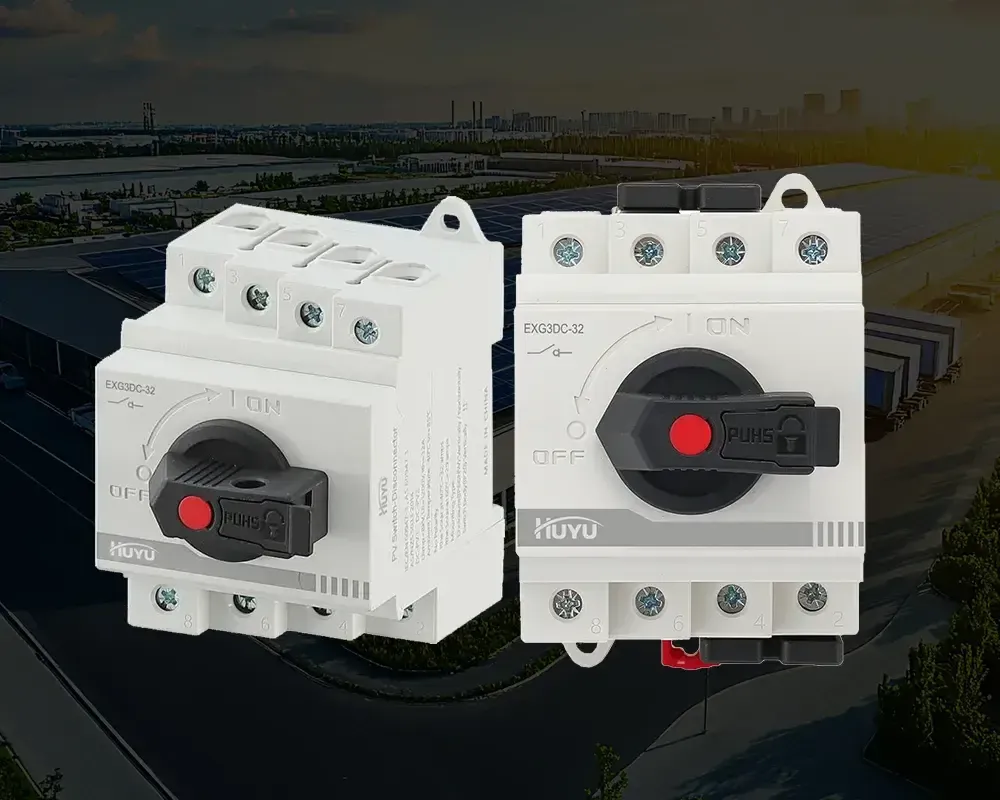
An isolator is a manual disconnecting switch used in electrical systems. Its only job is to provide a visible gap between a circuit and its power source so that the circuit is isolated for inspection, repair, or replacement. It’s common on switchboards, solar arrays, industrial machines, and high-voltage substations.
The key point people get wrong is believing an isolator protects equipment or people from overload. It does not. A circuit breaker or fuse handles overload and short-circuit protection; the isolator simply makes sure the circuit stays off while work is carried out. Because it opens only when no current is flowing, operating it under load can cause a dangerous arc.
How isolators are used
- Switch off the circuit breaker or upstream protective device first.
- Confirm with a tester that the circuit is de-energised before touching anything.
- Open the isolator switch to create a physical air gap.
- Lock the isolator in the off position with a padlock or lockout tag.
- Carry out the maintenance or inspection work.
- Remove locks and tags, close the isolator, and restore power only when the area is clear.
The judgement call that matters is timing. An isolator must never be opened while current is flowing through it. If you do, the switch contacts can arc and weld together or burn out. Always break the load with the breaker first, then isolate.
A complete guide to isolator ratings and settings
| Situation | What to use | How long | What to watch for |
|---|---|---|---|
| Low-voltage panel isolation | AC isolator switch | Instant | Correct ampere rating for the circuit |
| Solar DC side isolation | DC isolator | Instant | Voltage rating must match array voltage |
| High-voltage substation | Disconnect switch | Instant | Interlocks and earth switches in place |
| Motor maintenance | Motor isolator | Instant | Lockout tag applied before work starts |
Ratings vary by manufacturer and by the voltage and current of your system. Check the nameplate on your equipment or the datasheet from the maker before choosing a switch.
What good isolation looks like
Experienced electricians treat the isolator as the last step in making a circuit safe, not the first. They prove the circuit is dead with a tester before they open the switch. They never assume a switch position means the circuit is off.
A two-pole tester matters here because a single-pole voltage pen can miss a live neutral. That mistake has killed people working on what they believed was a dead panel.
They also check that the isolator is rated for the voltage it will break. Then they leave it locked off with a tag that names the person doing the work. If your padlock key leaves the site with you, nobody else can close that switch while you’re still inside the enclosure.
What they leave alone is the idea that an isolator can interrupt a fault. That’s the breaker’s job. Confusing the two is how accidents happen.
Problems you might see
| What you notice | What it usually means | What to do first |
|---|---|---|
| Switch won’t move | Mechanism seized or locked out | Don’t force it; call an electrician |
| Arcing when opened | Opened under load or worn contacts | Stop immediately; isolate upstream instead |
| No visible gap | Switch not fully open | Verify with a tester before work |
| Label missing or unclear | Circuit identity unknown | Trace and label before isolating |
Never force a stuck isolator. Applying extra pressure often shears the internal linkages, leaving the contacts welded shut while the handle moves freely. If you feel resistance, stop. If you’re working on a three-phase system, a partial disconnect can cause a single-phase fault that destroys connected motors.
Always use a calibrated two-pole voltage tester or a multimeter to confirm the state of the line. If the switch shows no visible gap but the tester still chirps, assume the internal blades are fused. In this case, you must isolate the circuit at the main distribution board rather than the local switch.
If you’re unsure which breaker feeds the unit, don’t proceed. Guessing costs time and, in the worst scenarios, causes an arc flash. Always verify the load is dead before you touch any internal component.
Rules that apply
Electrical work must follow the National Electrical Code (NFPA 70), which covers disconnecting means and isolation requirements. The Occupational Safety and Health Administration (OSHA) requires lockout/tagout procedures so equipment can’t be re-energized while someone is working on it.
If you’re replacing a standard wall switch or outlet, you can typically proceed without a permit. However, if you’re adding a new circuit, moving existing wiring, or upgrading your service panel, you must pull a permit first. Skipping this step often causes major issues during home inspections, potentially voiding your insurance policy or forcing you to rip out finished walls to expose the work.
If the work involves high voltage or complex panel modifications, always hire a licensed electrician. Local building authorities publish the specific permit rules for your area.
Keeping it safe after the work
Once the job is finished, remove locks and tags only when every technician is clear of the equipment. Close the isolator fully, then restore power at the breaker. Record the specific task and the date in the equipment log to maintain a clear audit trail.
If a switch feels hot to the touch, looks discolored, or fails to lock firmly into position, tag it out immediately and have it checked by a licensed electrician before use.
Many workers make the mistake of ignoring minor heat buildup, assuming it’s normal wear. This oversight often leads to catastrophic contact welding. If the switch resistance feels gritty, replace the entire unit rather than attempting a repair. You must prioritize replacement over patching.
When an isolator is the wrong choice

An isolator is the wrong device if you need protection from overload or short circuit. Use a circuit breaker or fuse for that. An isolator has no trip mechanism to clear a fault.
It’s also the wrong choice if you need to switch a circuit on and off regularly as part of normal operation. A regular switch or contactor is built for that duty. Contacts inside an isolator aren’t rated for thousands of mechanical operations. They pit and weld shut after repeated use under load.
Never use an isolator to break load current. Open the breaker first, then the isolator. Breaking load with an isolator draws an arc across contacts meant only to stay open. That arc destroys the gap needed to prove the circuit is dead.
Related guides
- 9 Best Robotic Pool Cleaners for Automated Maintenance in 2026
- 10 Best Easy to Clean Toilet Seats for Simple Maintenance in 2026
- 10 Best Non Toxic Drain Cleaners for Safe Pipe Maintenance in 2026
Frequently asked questions
Can an isolator protect against overload?
No. An isolator only disconnects power. Overload protection comes from a circuit breaker or fuse.
Why must a breaker be opened before the isolator?
Because an isolator isn’t made to break current while it’s flowing. Opening it under load can cause an arc that damages the switch or injures the person operating it.
How long does isolation last?
For as long as the isolator stays open and locked. It holds until someone intentionally closes it and restores power.
Is it safe to open an isolator without testing first?
No. Always test with a suitable tester to confirm the circuit is de-energised before you open or touch anything.
What happens if you open an isolator under load?
An arc can form across the contacts, damaging the switch and potentially causing burns or fire. Always break the load upstream first.
What is the difference between an isolator and a circuit breaker?
An isolator provides a visible off gap for safety during maintenance. A circuit breaker automatically interrupts current during overload or short circuit.
Conclusion
An isolator does one thing and does it well: it makes a circuit visibly and physically dead so work can happen without someone accidentally turning the power back on. It isn’t a breaker, it isn’t a normal switch, and it must never be opened under load. Match the switch to your voltage and current, follow lockout/tagout rules, and when the system is beyond a simple like-for-like replacement, bring in a licensed electrician.
