
Asbestos cement (ac) pipe is a rigid, durable material made from a mix of portland cement and asbestos fibers that’s generally safe when left undisturbed but poses a serious health risk if the material is damaged or degraded. If you cut, sand, or break these pipes, you release microscopic fibers into the air that can lead to permanent lung damage. Always treat these pipes as hazardous if they show signs of decay or if you plan to move them.
Is asbestos cement pipe dangerous to use
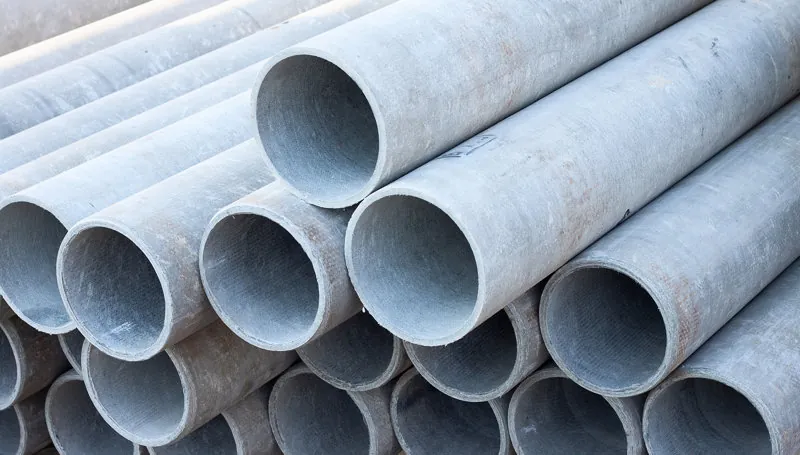
Determining if your pipes are safe depends on their physical condition and whether you intend to work on them. If the pipe is intact and buried, it’s usually not a threat to your home environment. However, if the material is crumbling or you’re planning a renovation that involves cutting, it requires professional handling.
| Situation | Safe? | Why |
|---|---|---|
| Buried, intact pipe | Yes | Fibers stay trapped in the solid matrix. |
| Painted or coated pipe | Yes | The surface layer seals the fibers in. |
| Drilling or cutting | No | This releases hazardous fibers into the air. |
| Cracking or crumbling | No | Damaged material is friable and requires professional abatement. |
| Old, dry, brittle pipe | No | Brittle material is friable and requires professional abatement. |
| Professional removal | Yes | Experts use specialized containment protocols. |
Risks of inhaling asbestos fibers
The primary danger of ac pipe comes from the inhalation of airborne asbestos fibers, which are released when the cement matrix is disturbed. When these fibers are inhaled, they can settle deep in the lungs and cause chronic conditions such as asbestosis, lung cancer, or mesothelioma. According to the Environmental Protection Agency, there’s no known safe level of exposure to asbestos, and the risk increases with the duration and intensity of the exposure.
Most homeowners face a low risk if they simply leave the pipes alone. The danger becomes high when someone tries to remove or modify the pipes without proper equipment. Because the fibers are too small to see, you can’t tell if you’re inhaling them.
If the pipe is in a crawlspace or basement and appears to be deteriorating, the dust can settle on nearby surfaces and be kicked up later. Never attempt to clean up broken pieces of old pipe yourself, as standard household vacuums will spread the fibers into your home’s air supply.
Signs that indicate immediate danger
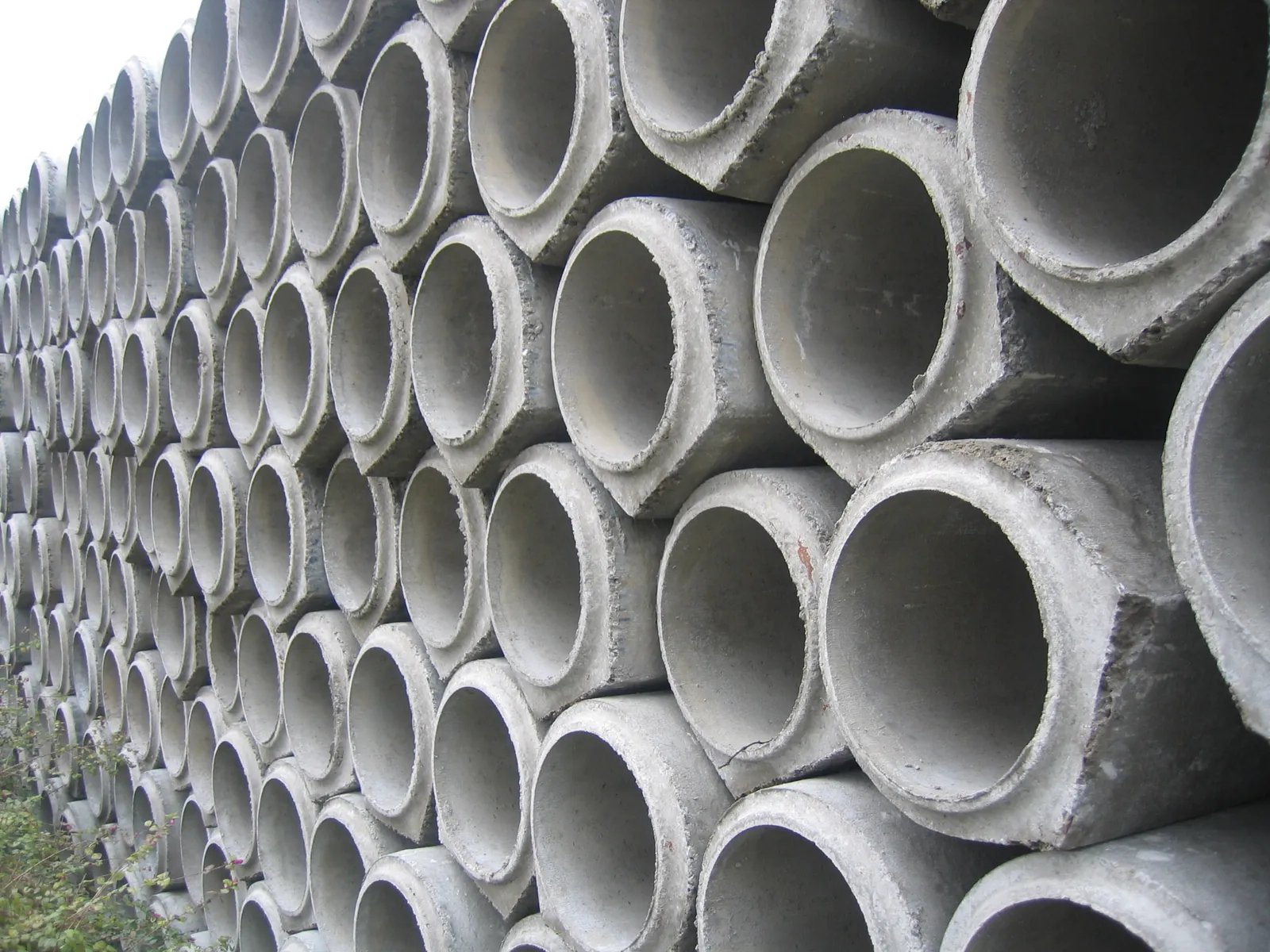
- Visible white powder: A dusty, chalky residue on the surface of the pipe indicates the cement is breaking down.
- Cracks or fissures: Deep splits or missing chunks of material mean the pipe is releasing fibers into the surrounding area.
- Water leaks: Constant moisture can erode the cement binder, making the pipe brittle and prone to sudden failure.
- Friable edges: If the material crumbles into dust when touched, it’s highly likely to release fibers into the air.
- Construction debris: Any signs of sawing, grinding, or sanding nearby suggest that harmful dust is already present.
If you find these signs, stop all work in that area immediately. Don’t touch or move the debris. If the pipe is damaged, you must contact a licensed asbestos abatement professional to assess the site and perform a safe removal.
Safer ways to manage ac pipe
- Leave it undisturbed: If your pipes are buried and in good condition, the safest option is to leave them alone. Don’t dig near them or disturb the soil.
- Monitor the condition: Check the pipes once every year for signs of cracking or surface decay. If you notice changes, call a professional to evaluate the state of the material.
- Encapsulate the pipe: If the pipe is in a non-living area, you can paint it with a thick, high-quality sealant to trap any loose fibers on the surface.
- Label the area: If the pipe is hidden behind a wall or under a floor, mark the area so future contractors know it’s present and avoid cutting into it.
- Hire licensed specialists: When you need to replace or remove the pipes, only hire a company with a specific license for asbestos abatement to ensure compliance with local laws.
- Use wet methods: If a professional must move the pipe, they should use water to keep the material wet, which prevents fibers from becoming airborne during the process.
What to do if you disturb the material
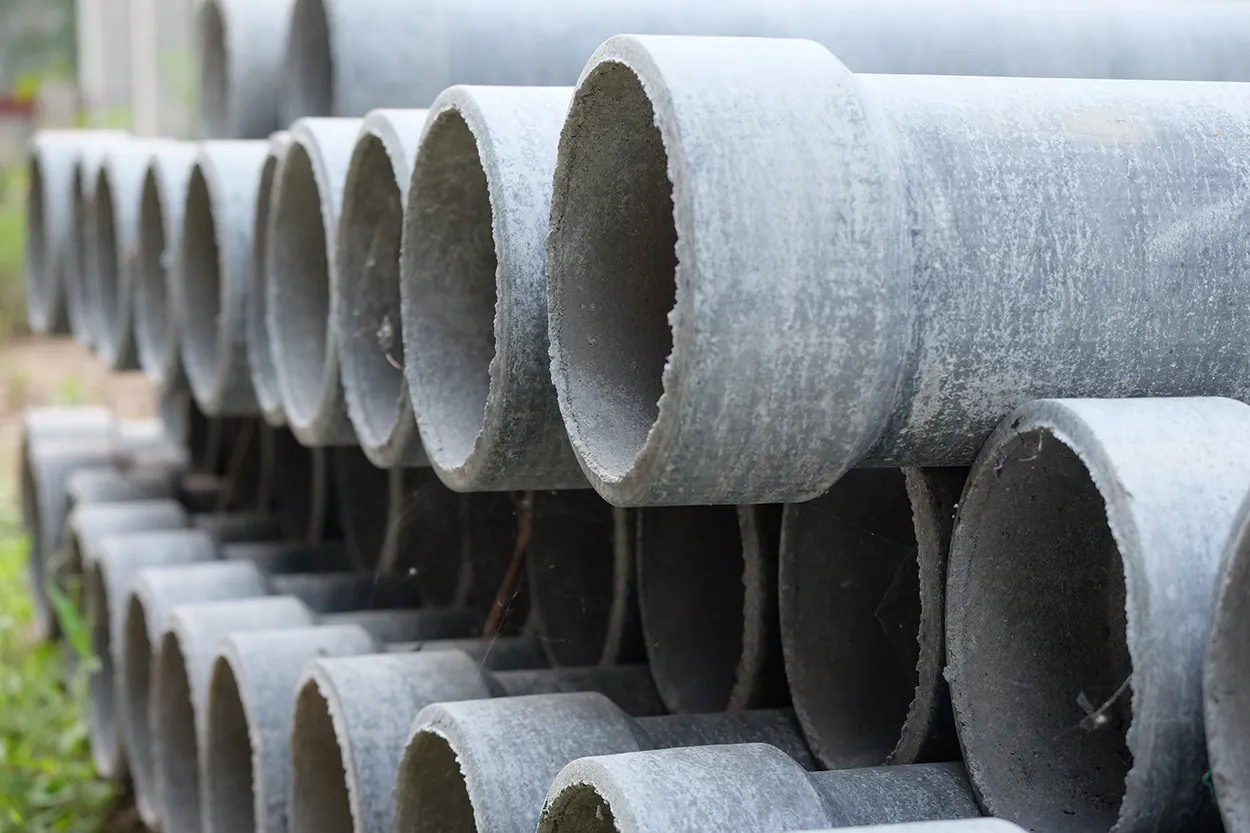
If you accidentally break or disturb AC pipe, your priority is to isolate the area immediately. Close all doors to the room and turn off any fans, air conditioners, or heating systems that could push dust into other parts of your home. Don’t attempt to sweep or vacuum the area, as this will force the fibers into the air.
Avoid the common mistake of using a standard household vacuum, which lacks the high-efficiency filtration required to trap microscopic asbestos fibers. Using one will effectively aerosolize the hazard, spreading it throughout your ventilation system and turning a localized issue into a whole-house contamination event.
However, if the material is crumbling or friable, leave the room and seal the door with tape. Contact a certified asbestos abatement contractor who has the proper respiratory protection and HEPA-filtered equipment to clean the site safely. In most regions, local environmental health departments keep lists of approved contractors who are legally qualified to handle hazardous building materials.
Related guides
- Best Pipe Repair Kits: How to Fix Leaks and Save Money in 2026
- PVC Schedule 40 vs Schedule 80: Choosing the Right Pipe in 2026
- Pipe Thread Sealant vs Teflon Tape: Which One to Choose in 2026
Frequently asked questions
Can I paint over asbestos cement pipe?
Yes, you can paint over the pipe to seal it, provided the material is currently in good, solid condition. Use a thick, water-based primer or a specialized encapsulant to ensure the coating creates a durable barrier that keeps fibers trapped against the pipe surface.
Is it safe to live in a house with ac pipe?
Yes, it’s generally safe to live in a home with these pipes if they’re intact and undisturbed. The material only becomes a health hazard when the cement matrix is physically damaged or begins to naturally degrade, releasing fibers into the air you breathe.
How do I know if my pipes are made of asbestos?
You can identify them by looking for a manufacturer stamp that mentions asbestos or by checking the age of your home. If the house was built between the 1940s and the 1980s, the pipes are likely made of ac, but a lab test of a sample is the only way to be 100% sure.
What happens if I accidentally cut an ac pipe?
If you cut the pipe, you have released dangerous fibers into the air, and you should evacuate the area immediately. Don’t attempt to clean up the dust yourself, as this will stir up more fibers; instead, call a professional abatement team to perform a thorough decontamination.
How long does asbestos cement pipe last?
The material is designed for long-term use, but its lifespan depends on the soil chemistry and the quality of the original installation. You should have a professional inspect the pipes if your system is over 50 years old to check for signs of structural degradation.
Is it safe to bury ac pipe in my yard?
No, it isn’t safe to bury or leave broken ac pipe in your yard, as the fibers can migrate into the soil and eventually become airborne. If you have sections of this pipe that are no longer in use, they must be removed and disposed of at a certified waste facility.
Does it matter if the pipe is wet?
Yes, keeping the pipe wet is a critical safety measure because it prevents the fibers from becoming airborne if the material is disturbed. However, this is only a temporary fix for professional handling and doesn’t stop the pipe from being a hazard if it dries out.
Conclusion
If you’re unsure about the condition of your home’s plumbing, the best course of action is to call a local inspector or an environmental specialist. They can provide a professional assessment and help you decide if the pipe requires professional removal or if it’s safe to remain in place.
