
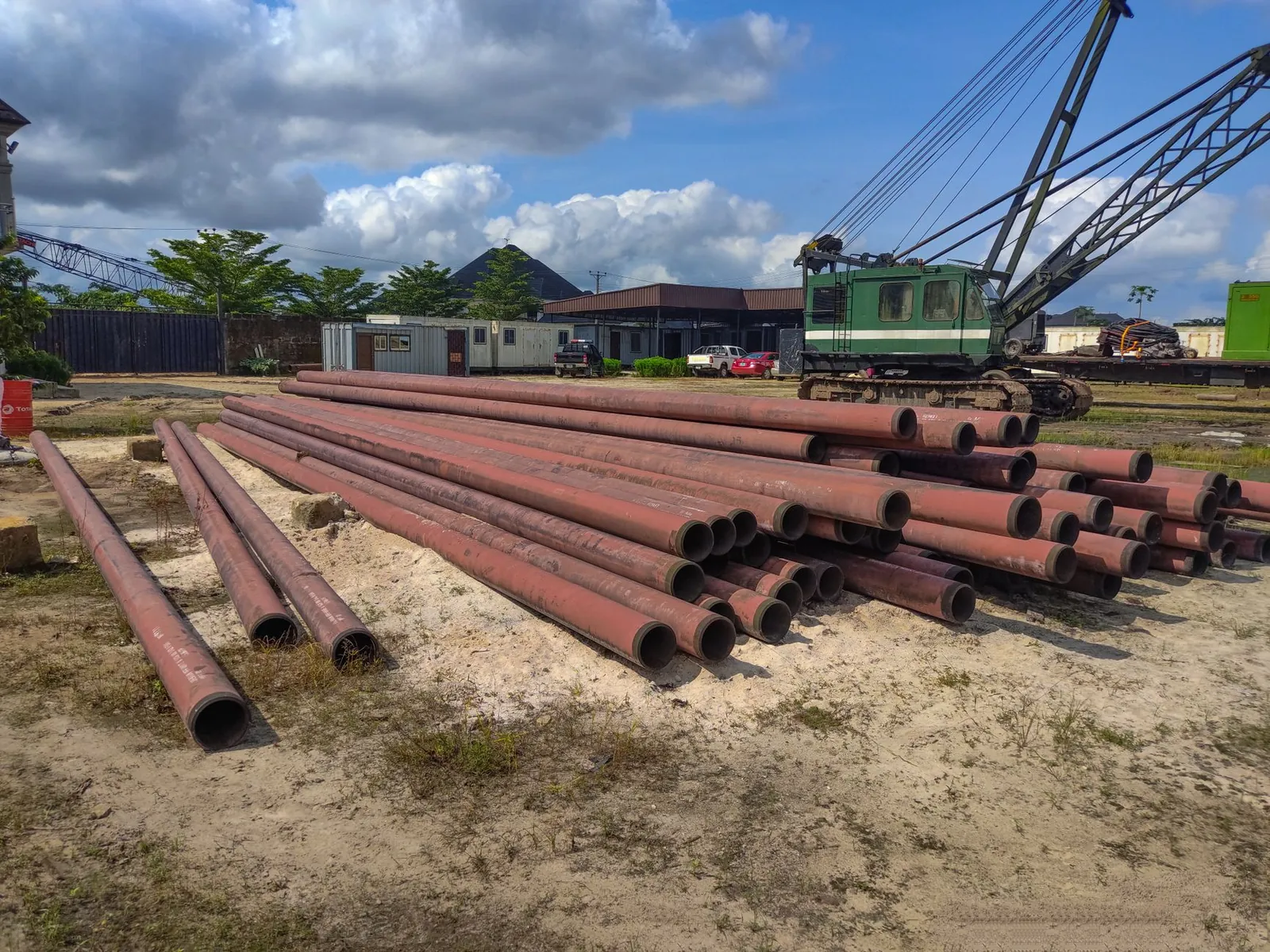
A fabrication yard is a specialized industrial facility where large-scale steel structures, modules, and heavy equipment are constructed before being transported to their final site. These yards operate by combining engineering, precision welding, and heavy lifting to build complex components in a controlled environment. By assembling pieces off-site, project managers reduce the time and safety risks typically encountered during field installation at remote or difficult locations.
The primary factor determining success is the yard’s proximity to deep-water access, which allows for the transport of massive structures via barges. If a yard lacks direct water access, the cost of moving oversized modules by road becomes prohibitive. A common mistake is failing to account for the “load-out” capacity early in the design phase. This leads to modules being built that are too heavy or physically impossible to move from the yard onto a transport vessel.
How a fabrication yard works
-
Receive the engineering drawings and technical specifications that detail the dimensions, material grades, and weight limits of the final structure. Verify that the load-bearing calculations account for both static weight and dynamic wind loads common to industrial sites.
-
Order raw steel plates, beams, and pipes, ensuring all materials meet ISO 9001 quality management standards. Check mill test reports against your specifications; if the carbon equivalent exceeds 0.45%, you must adjust your pre-heat temperatures during welding to prevent brittle fractures.
-
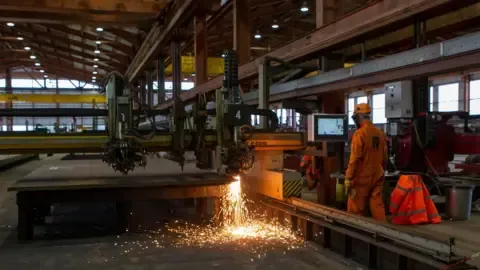
Cut and shape the steel using CNC plasma cutters or saws to achieve the exact measurements required for the design. Maintain tolerances as specified by the project’s engineering drawings and applicable structural steel codes to ensure bolt holes align during final assembly.
-
Weld the components using a sequence that prevents structural warping, often using specialized jigs to keep parts aligned. If the structure is asymmetrical, weld from the center outward to distribute thermal stress evenly.
-
Inspect all welds using non-destructive testing, such as X-ray or ultrasonic scans. If you detect slag inclusions or porosity, grind the weld out completely rather than attempting a surface patch, which often fails under vibration.
-
Apply protective coatings like paint or galvanization to prevent corrosion. For marine environments, use a three-coat epoxy system with a minimum thickness of 300 microns.
-
Move the finished module to the quay using multi-axle transporters or heavy-duty cranes. Always confirm the crane’s radius-to-capacity chart before lifting; exceeding the lift limit during the move risks catastrophic structural buckling.
Logistics and Timeframes
The time required to complete a project depends on the volume of steel and the complexity of the internal systems. While small structures might take a few weeks, large offshore modules often require 12 to 18 months of intensive labor.
| Situation | How long | What changes it | What to watch for |
|---|---|---|---|
| Simple steel frames | 4–8 weeks | Total tonnage | Material availability |
| Process modules | 6–12 months | System complexity | Component lead times |
| Offshore platforms | 12–24 months | Engineering changes | Weather delays |
If your project involves specialized coatings or high-pressure piping, add at least four weeks for third-party inspection and certification. These steps are frequently overlooked, causing a bottleneck just as the structure nears completion.
If the timeline is dragging, check the “critical path” in your project management software to see if a specific sub-assembly is blocking the rest of the schedule. If the delay stems from a design change, stop all fabrication on that specific unit immediately. Continuing work before the change order is finalized often leads to expensive rework. If the bottleneck is a material shortage, prioritize the assembly of non-dependent components to maintain crew productivity.
Confirming Project Completion
You can tell a project is done by verifying that the structure matches the “as-built” drawings and passes all required third-party inspections. Builders use a punch list to track small items, such as missing bolts or unpainted touch-ups, that must be resolved before the client signs off. The final milestone is the load-out certificate, which confirms the structure is stable and safe for transport.
If the visual inspection looks clean but the documentation is missing, the structure isn’t legally ready for shipment. Always consult the project contract requirements to see which specific certifications must be signed by an independent surveyor.
A common mistake is assuming a verbal sign-off from a site lead carries the same weight as a stamped certificate. Relying on informal approval often costs the project manager thousands in delayed shipping fees when customs or transport authorities refuse the load. If you’re shipping across state lines, ensure your paperwork includes a certified weight ticket. If the load is international, you must also secure a verified gross mass document.
Errors That Disrupt Fabrication
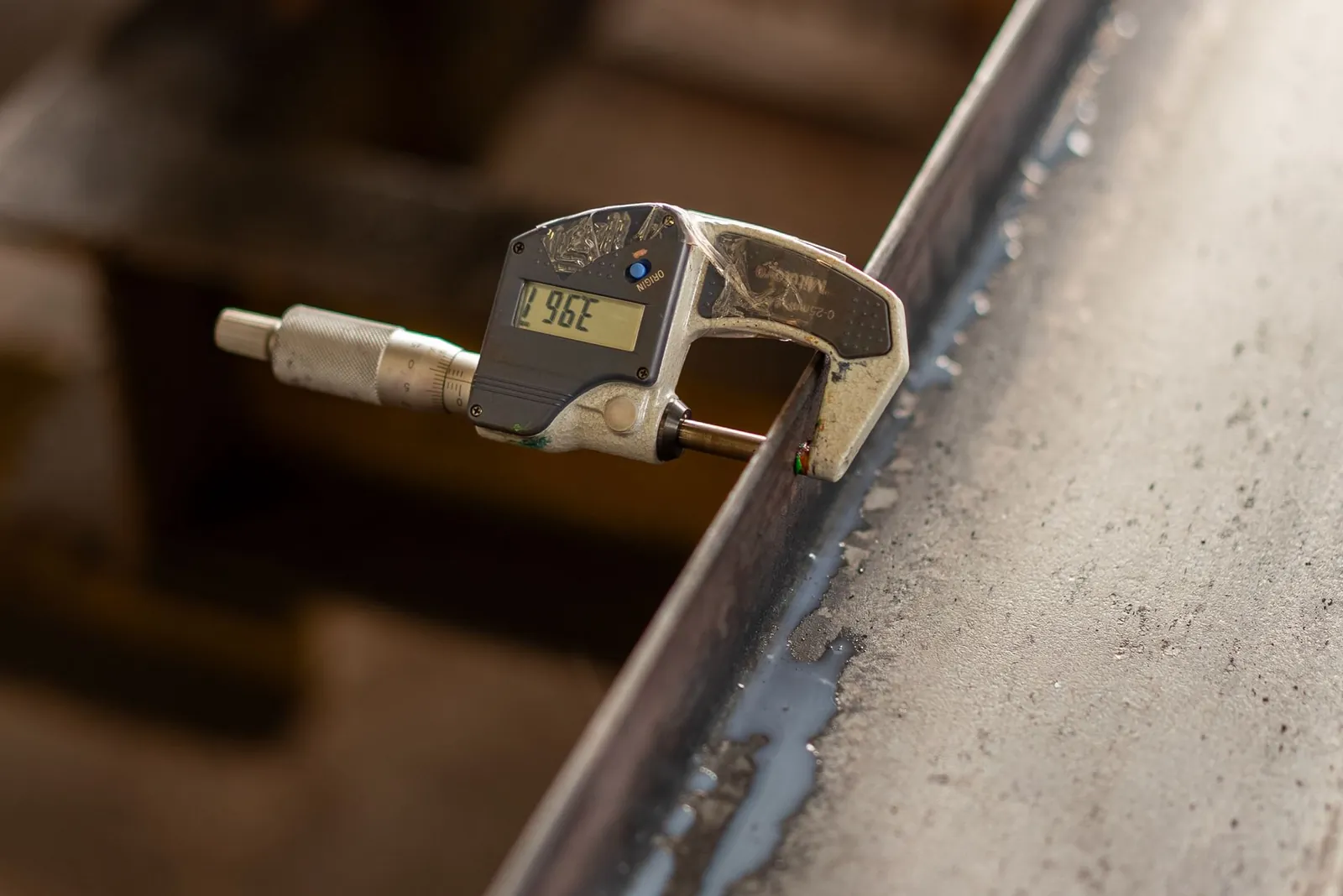
Inaccurate structural tolerances create assembly bottlenecks that stall entire projects. When parts are cut without accounting for thermal expansion during welding, the final structure won’t fit together correctly. Follow the precise engineering tolerances defined in your project manual during the cutting phase. If the assembly involves repetitive geometry, verify the first three units with a laser level before proceeding to full production.
Poor surface preparation leads to premature failure. If steel is painted before it’s cleaned of oil or rust, the coating will peel off, leading to rapid corrosion in the field. Always blast the steel to the required cleanliness standard, such as SA 2.5, before applying any primers or protective layers. A common mistake is skipping the solvent wipe after blasting, which leaves microscopic dust that prevents proper adhesion.
Neglecting environmental controls causes hydrogen cracking, which weakens steel joints. Always use industrial heaters or dehumidifiers to maintain the correct ambient temperature and humidity levels inside the workshop during the welding process. If the ambient temperature drops below 40°F, you must preheat the base metal to prevent brittle fractures.
Related guides
- 5 Best Garden Bench for Front Yard Picks for Your Home in 2026
- 10 Best Wood for Garden Beds: Durable Picks for Your Yard in 2026
Frequently asked questions
Can I build a large module without a dedicated yard?
No, you can’t safely build large modules without a facility that has high-capacity cranes, specialized welding equipment, and a heavy-load quay. If you attempt this in a basic workshop, you’ll lack the ability to move the finished structure onto a barge or truck. Most industrial projects require a facility that’s specifically designed to handle the weight and dimensions of the steel components involved.
How often do fabrication yards perform safety audits?
Most yards conduct internal safety audits every month, but they undergo comprehensive external audits at least once per year. These checks ensure that all workers are using personal protective equipment and that the heavy machinery is maintained according to the manufacturer’s schedule. If you’re a client, you should ask to see the yard’s most recent safety audit report before starting your contract.
What happens if the steel arrives with defects?
If you receive steel with defects, you must reject the batch immediately and notify your supplier to prevent those materials from being used in the structure. Using compromised steel can lead to catastrophic failure once the module is installed in the field. Always perform an initial quality check on all incoming materials before they’re moved into the cutting or welding areas.
How do I calculate the weight of a module?
You calculate the weight by summing the mass of every individual beam, plate, and pipe, then adding the estimated weight of the welds and coatings. Most engineers use 3D modeling software to get a precise weight estimate during the design phase. If your design changes, you must update this calculation to ensure your lifting equipment remains capable of handling the final load safely.
Is it safe to paint modules outdoors?
Yes, it’s safe to paint outdoors if the weather is dry and the wind speed is below 15 miles per hour to prevent overspray. You must also avoid direct sunlight if it causes the steel surface temperature to rise above the range recommended by the paint manufacturer. Always check the technical data sheet for your specific paint product to find the allowed temperature and humidity range for application.
How long does it take to train a welder for this work?
It takes between 2 and 4 years of apprenticeship and specialized training to become a certified welder capable of high-pressure pipe or structural welding. Beginners start with basic tasks, but they must pass rigorous tests before they’re allowed to work on critical load-bearing joints. Never assign an uncertified worker to a structural weld, as this creates a significant liability and safety risk for your project.
Conclusion
These facilities aren’t just building sites; they’re the backbone of modern infrastructure. As global energy and construction needs grow, these yards will keep evolving to handle even bigger, more complex projects. If you’re planning a new build, it’s worth talking to an expert early to see how they’ll streamline your work.
