
For most plumbing projects, using liquid thread sealant is the superior choice because it fills the gaps between threads more reliably than tape. While both materials create a seal, pipe thread sealant vs teflon tape often comes down to the type of connection you’re making. You should choose tape for simple, low-pressure water lines, but always reach for liquid sealant when working with high-pressure gas or complex hydraulic fittings.
Comparing thread sealing methods
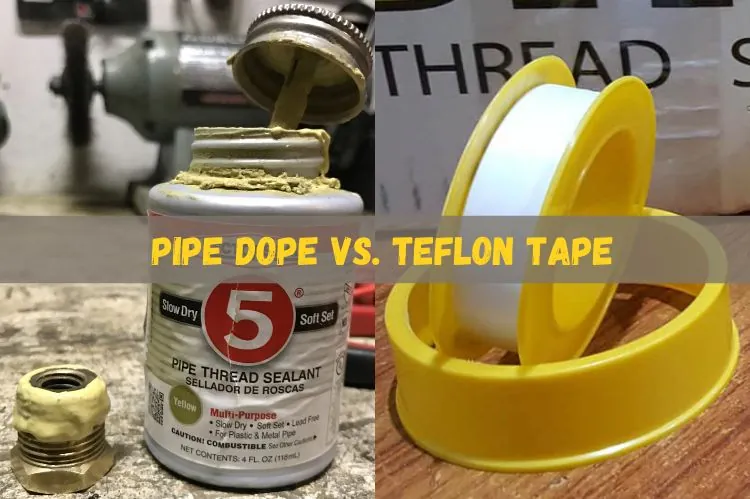
Choosing the right material depends on the pressure of your system and the complexity of the pipe joints. Liquid sealants offer a thicker barrier that sets into a semi-hard state, while tape acts as a physical lubricant to help threads seat deeper.
| Method | How long | Effort | Cost | Best for |
|---|---|---|---|---|
| Liquid Sealant | 24 hours | Low | Medium | Gas and high-pressure |
| Teflon Tape | 5 minutes | Medium | Low | Water and air lines |
| PTFE Paste | 24 hours | Low | Medium | Metal-to-metal joints |
Liquid sealant is best for tight, permanent joints where you need a vibration-proof seal. If you’re working on a system that might require future disassembly, tape is often easier to remove and clean from the threads.
Use liquid sealant for any system carrying flammable gas. Tape can shred during installation, leaving small particles inside the line that may block valves or regulators. If you see debris after applying tape, you have used too much.
Apply tape in the direction of the thread rotation. If you wrap against the grain, the tape will bunch up and unspool as you tighten the fitting. This creates a weak point prone to leaks.
For tapered NPT threads, use paste if you struggle to achieve a seal with tape alone. Paste fills the microscopic voids between threads that tape often misses. If your pressure gauge fluctuates, switch to a high-viscosity paste to stabilize the connection.
Using liquid pipe thread sealant
This method creates a robust, leak-proof bond that hardens over time. It’s the preferred choice for professionals because it doesn’t shred or clog downstream components like tape can.
Clean the male and female threads with a wire brush to remove any old debris or oil. Even a microscopic layer of residual cutting oil prevents the sealant from bonding to the metal, leading to a slow weep under pressure.
Apply a thin, even bead of sealant to the first three to four threads of the male pipe. Don’t apply it to the very first thread, as excess paste pushed into the pipe interior can contaminate valves or screens.
Use a small brush to spread the paste around the circumference of the threads. If you’re working with tapered NPT threads, ensure the sealant fills the root of the threads completely.
Tighten the connection using a pipe wrench until the joint is secure. Most leaks occur because installers fear overtightening, but you must reach the “wrench-tight” stage where the threads are fully engaged.
Allow the sealant to cure for the time specified by the manufacturer. If you’re working with gas lines, wait at least 24 hours regardless of the label. Pressurizing the joint before the chemical bond sets will cause a permanent micro-fracture in the seal.
This method excels in high-pressure environments where a physical barrier is necessary. Its main weakness is the cure time, which prevents you from turning the system back on immediately.
Applying teflon tape correctly
Teflon tape is a thin, flexible film that wraps around threads to fill space and prevent galling. It’s highly effective for threaded connections that need to be adjusted or removed frequently.
Clean the threads thoroughly to ensure they’re free of dirt or grease. Any residual oil acts as a lubricant that causes the tape to slide out of position during assembly.
Hold the end of the tape against the first thread of the male pipe. Wrap the tape clockwise, which follows the direction of the threads. If you wrap counter-clockwise, the tape will unravel and bunch up as you tighten the joint, leading to immediate leaks.
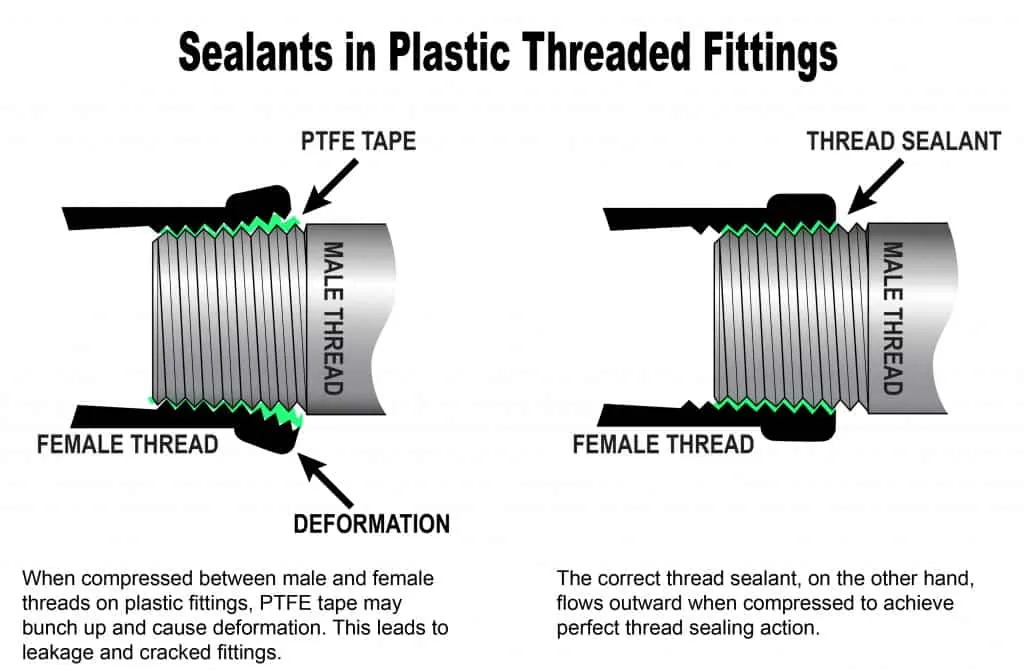
Overlap each layer by about half the width of the tape. Apply 3 to 4 full wraps, keeping the tape pulled tight so it conforms to the grooves. If you apply more than 6 wraps, the excess material can bunch and prevent the threads from seating properly, which risks cracking the female fitting.
Tear the tape and press the end firmly against the threads before connecting.
Use tape for tapered pipe threads only. If you’re working with compression fittings or flared connections that rely on a metal-to-metal seal, don’t use tape. Adding it to these joints prevents the flare from seating, creating a leak that’s impossible to tighten away. Tape is for threads, not for sealing surfaces.
When to use which method
The decision often changes based on the specific job at hand. If you’re in a hurry to restore water service, tape allows for immediate use, while liquid sealant requires a curing period. For those doing this for the first time, tape is more forgiving because you can easily peel it off and start over if you make a mistake. When you want the best possible result regardless of time, liquid sealant is the professional standard for long-term reliability.
The trade-off is between ease of application and long-term durability. Tape is fast and clean, but it can fail under heavy vibration. Liquid sealant provides a superior, permanent seal but requires patience and proper curing time before the system can be safely pressurized.
If your pipe joints are subject to high vibration, such as near a pump or a washing machine, skip the tape. Tape tends to loosen over time in these environments, leading to slow, hidden leaks. Use a high-quality liquid thread sealant instead to lock the threads in place.
Always check your local plumbing codes to ensure the sealant you choose is rated for the specific material of your pipes. Some plastics can be damaged by chemical compounds found in specific pastes. If the pipe is ABS or CPVC, look for a label explicitly stating compatibility. Using a generic solvent-based paste on these materials can cause the pipe to become brittle and eventually fracture under pressure, turning a simple repair into a costly flood.
Safety and installation rules
Regardless of the method, you must follow basic safety practices to ensure your plumbing holds. Start by inspecting the condition of the threads; if they’re rusted or damaged, no amount of sealant will create a lasting bridge. Always use a tool that fits the pipe size to avoid stripping the metal, which turns a simple sealing task into a complex repair.
If you’re working with gas lines, you must use a product specifically rated for that purpose. Using water-rated tape on gas fittings can lead to dangerous leaks. If you’re unsure about your local building requirements, contact your local municipal building department for guidance. They provide the specific standards for pipe connections in your area, and using the wrong material could void your home insurance or create a fire hazard.
Related guides
Frequently Asked Questions
How much teflon tape should I use?
You should use 3 to 4 wraps of tape for most standard plumbing connections. If the threads are very large, such as those found on main water lines, you may need 5 or 6 wraps to ensure a tight seal. Always ensure the tape is pulled tight while wrapping so it sits deep in the thread grooves, as loose tape will simply bunch up and prevent the joint from seating.
Is it safe to use liquid sealant on gas pipes?
Yes, but only if the container specifically states that it’s rated for gas or propane use. Many general-purpose sealants are designed only for water lines and will break down when exposed to natural gas. Always check the label on the bottle before you begin to ensure the product is certified for fuel systems, as using the wrong type can lead to dangerous gas leaks over time.
Why is my joint leaking after using tape?
Leaking usually happens because the tape was wrapped in the wrong direction or you didn’t use enough layers. When you tighten the fitting, the tape must follow the direction of the threads; if you wrap it the wrong way, the motion of tightening will pull the tape off the threads. Try removing the old tape, cleaning the threads again, and applying new tape in a clockwise direction.
How long does liquid sealant take to dry?
Most liquid sealants require a full 24 hours to reach their maximum strength, though some fast-setting versions may hold pressure sooner. You should check the manufacturer’s instructions on the packaging for the exact cure time, as temperature and humidity can change how quickly the product hardens. Never pressurize a line before the recommended time, as the high pressure can blow the uncured sealant out of the joint.
Can I use both tape and liquid sealant together?
Yes, some professionals use both for a belt-and-suspenders approach on difficult joints. You should apply the tape first to fill the thread gaps, then apply a thin layer of liquid sealant over the top to act as a lubricant and secondary seal. This combination is rarely necessary for standard household repairs, but it can be useful when joining old, worn-out pipes that don’t fit together perfectly.
What happens if I overtighten the pipe?
Overtightening can crack the female fitting or strip the threads on the male pipe, regardless of the sealant you use. You should tighten the connection until it’s snug and then give it an additional one to two turns with a wrench. If you feel the pipe reach a point where it suddenly becomes loose or spins freely, you have likely stripped the threads and will need to replace the damaged section of pipe.
Does the sealant type change for plastic pipes?
Yes, you must ensure the sealant is compatible with the specific plastic, such as PVC or CPVC, to avoid chemical damage. Some liquid sealants contain solvents that can melt or weaken certain types of plastic pipes, causing them to fail under pressure. Always look for a label that specifically mentions compatibility with the plastic type you’re using, or stick to a high-quality, non-solvent-based teflon tape.
Conclusion
If you aren’t sure which product fits your specific project, check the manufacturer’s instructions on the pipe fitting itself. Taking a moment to verify the material compatibility will save you from future leaks. You’ll be glad you double-checked before you tighten everything down and turn the water back on.