
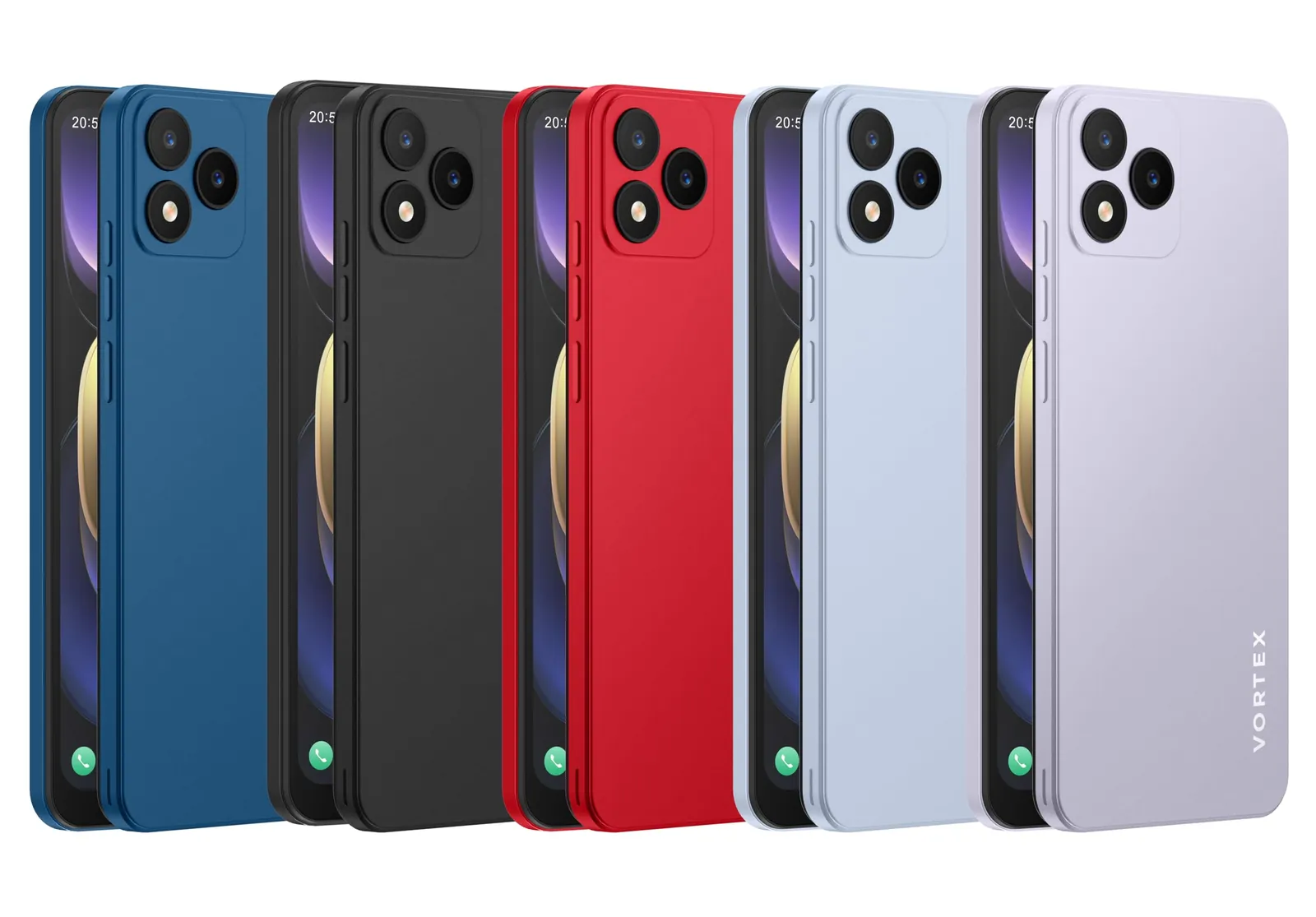
A weak signal or a software glitch is usually why you find that your vortex j24 phone calls not working, though most of the time this can be fixed by toggling your connection settings. You should first check the top of your screen to see if you have at least one bar of service. If the bars are empty, try turning on Airplane Mode for ten seconds and then turning it off again to force the device to reconnect to the nearest cell tower.
Why your Vortex phone calls aren’t working
| Cause | How common | How to confirm it | Fix it yourself? |
|---|---|---|---|
| Weak cellular signal | Very common | Check status bars | Yes |
| Airplane mode active | Common | Check for plane icon | Yes |
| SIM card misaligned | Common | Check SIM tray status | Yes |
| Software glitch | Frequent | Restart the device | Yes |
| Account suspension | Occasional | Call your provider | No |
| Hardware damage | Rare | Inspect charging port | No |
Signal drops often happen when your phone clings to a weak 5G signal instead of a stable 4G connection. If your bars fluctuate wildly, force your phone to LTE in settings to see if the call quality stabilizes.
Many users assume a dropped call is a network failure when the true culprit is a full cache. If your phone hasn’t been restarted recently, background processes may conflict with the cellular radio. A simple reboot clears this memory leak.
Check your SIM tray if you recently dropped your phone. Even a millimeter of movement prevents the gold contacts from reading correctly, causing intermittent service that looks like a dead zone.
If you hear static, ensure your phone isn’t near other electronic devices that may cause interference. If you see visible obstruction, use a non-conductive wooden toothpick to gently clear the port.
Finally, distinguish between a network outage and a local issue by checking if your Wi-Fi calling works. If Wi-Fi calling succeeds but cellular fails, your local tower is likely undergoing maintenance.
Weak cellular signal and network coverage
A lack of service is the primary reason calls fail to connect or drop immediately. Your phone relies on a steady connection to a nearby tower to route your voice data. If you’re in a basement, a large concrete building, or a rural area, the radio waves struggle to reach your device. You can verify this by checking the signal strength indicator in the notification bar at the top of the display.
If you have zero bars, move toward a window or step outside to see if the signal improves. Sometimes, the phone gets stuck on a distant, weak tower instead of switching to a closer, stronger one. Restarting the phone forces it to scan for the best available signal in your current location. If you still see no service after moving and restarting, check your carrier’s coverage map online to confirm you’re in an area where they offer mobile network service.
SIM card issues and network settings

If your signal bars show an “X” or say “No SIM,” the phone can’t communicate with your provider’s network. This often happens if the phone was dropped or if the SIM tray has shifted slightly, breaking the physical connection between the card and the internal reader. Turn off your device completely before opening the SIM tray with the provided tool to ensure the card is seated flat in its slot.
Check for debris or dust on the gold contacts of the SIM card, as even a tiny speck of dirt can interrupt the connection. Wipe it gently with a dry, lint-free cloth and reinsert it firmly. If the card looks damaged, scratched, or bent, it will need a replacement from your mobile provider. Always ensure the device is powered down before you handle the SIM card to avoid potential errors in the phone’s software.
If the SIM card appears pristine but the error persists, navigate to your network settings to perform a manual carrier selection. If the phone displays “Searching” indefinitely, toggle Airplane Mode on for ten seconds before disabling it to force a fresh handshake with the nearest tower.
When you see a “SIM Not Provisioned” error, the issue isn’t physical but account-based. This happens when a new card hasn’t been activated or a service plan has lapsed. In this case, contact your provider directly rather than troubleshooting the hardware.
Software glitches and background processes
A temporary software error can prevent the phone app from accessing the cellular radio. This often occurs after a long period of uptime or if too many background apps are competing for system memory. A simple restart clears the temporary cache and stops any frozen processes that might be blocking your outgoing or incoming calls.
Hold the power button until the menu appears, then select the option to restart the device. Don’t just lock the screen, as a true restart is required to reset the radio firmware. If you haven’t powered your phone down recently, the operating system may struggle to clear stalled background tasks.
If the issue persists, check that your date and time settings are set to “Automatic.” Incorrect time settings cause security handshakes between your phone and the network to fail. If your phone’s time settings are significantly incorrect, the encrypted connection to the tower may be rejected.
If you’re traveling across time zones, toggle the “Automatic” setting off and back on again to force a refresh. This action triggers a new sync with the local network time, often resolving persistent connection errors immediately.
Rare hardware and account causes
Account suspension occurs when your monthly bill remains unpaid or your subscription expires. Even with full signal bars, the carrier will block outgoing traffic. Check your provider’s mobile app to confirm your account status is active before troubleshooting hardware.
Roaming restrictions often trigger silent failures while traveling. If you’re outside your home network, the phone may block calls unless you toggle roaming to “On” in your cellular settings. If you cross a national border, ensure your specific plan includes international coverage, as domestic roaming is often insufficient.
Physical impact can snap the internal antenna wire. If your phone recently suffered a drop, the signal strength indicator will likely fluctuate wildly or show “No Service” even in high-coverage zones. This requires a professional repair technician to solder the connection.
System corruption can disable the radio firmware. If your software is damaged, start by resetting your network settings. If that fails, a full factory reset is the final resort. Back up your data first, as this process wipes everything. If the issue persists after a clean install, the baseband chip itself has likely failed, rendering the device permanently unable to connect to any network.
What a professional fix involves

Fixing call issues usually involves either a simple software reset or a hardware replacement. A basic software fix, such as resetting your network settings, takes only a few minutes and costs nothing, as you can do it yourself through the phone menu. If the issue is a damaged SIM card, your provider will usually swap it for a new one at a very low cost, often just the price of a coffee.
Hardware issues, such as a broken internal antenna or a faulty motherboard, are more serious. These repairs require specialized tools and professional training to open the device without damaging the screen or internal components. If your phone drops signal only when held in a specific grip, the antenna is likely loose or disconnected. If the signal remains absent regardless of location, the motherboard has likely failed.
The cost for these repairs is significant, often approaching the price of a budget-friendly handset. Many people make the mistake of repairing a device that’s already well-aged, only to face a battery failure weeks later. Before committing to an expensive repair, always get a written quote from a certified shop and compare it to the current market value of your device. If the quote exceeds forty percent of the phone’s resale price, replace the unit instead.
Related guides
- How to Hide Office in Living Room: 5 Fast Design Solutions
- 10 Best Wood Workshop Heaters for Reliable Heating Solutions
- 5 Best Light Bulbs for Pump House Lighting Solutions in 2026
Frequently asked questions
Can I fix my phone calls by resetting network settings?
Yes, resetting your network settings will often resolve call issues by clearing out corrupted Wi-Fi, Bluetooth, and cellular configurations. Go to the settings menu, find the system or general management section, and look for “Reset Network Settings.” This will remove saved Wi-Fi passwords and paired Bluetooth devices, but it’s a safe way to restore the original factory connection protocols without losing your personal files.
Why do my calls drop after one minute?
Calls that drop after a consistent amount of time usually point to an unstable signal or a network authentication error. If this happens in the same location every time, the local tower might be overloaded or experiencing maintenance. If it happens everywhere, contact your service provider to see if there’s a restriction on your account or a known service outage in your area.
Is it safe to try a factory reset?
A factory reset is safe for the hardware, but it will erase all your photos, contacts, and messages. Only do this if you have backed up your important data to a cloud service or computer first. If the problem continues after a factory reset, the issue is almost certainly a hardware failure that requires professional repair or a device replacement.
How do I know if my SIM card is broken?
A broken SIM card typically displays a “No SIM” or “Invalid SIM” error message on your screen regardless of where you’re located. If you have access to another phone that uses the same size card, try inserting your SIM into that device to see if it works. If the other phone also fails to detect the card, the SIM is faulty and needs replacing.
How often should I restart my phone?
You should restart your phone at least once a week to clear background processes and keep the software running smoothly. This simple habit prevents many minor glitches from building up over time. If you notice the device starting to feel sluggish or if your calls are failing, a restart is always the first step to take before looking for more complex solutions.
Does a phone case affect my signal?
A metal or thick, ruggedized case can sometimes block the antenna and reduce your signal strength significantly. If you’re having trouble with calls, try removing the case to see if your signal bars improve. If the signal is better without the case, you may need a thinner cover made of plastic or silicone that doesn’t interfere with the internal radio waves.
Conclusion
If you still can’t make a call after trying these quick fixes, don’t worry. It’s a good idea to reach out to your service provider’s customer support team. They’ll be able to check if there’s a local outage in your area or if your SIM card needs a simple replacement.
