
Storing gasoline in your garage is generally considered unsafe and is strictly prohibited by most residential building codes and fire safety regulations. While many homeowners keep a small emergency supply on hand, the garage environment is inherently hazardous due to the proximity of heat sources, electrical equipment, and the risk of vapor accumulation. Gasoline is a highly volatile substance that releases flammable vapors even at temperatures well below freezing, meaning that any spark, pilot light, or static discharge can lead to a catastrophic fire or explosion.
Key Takeaways
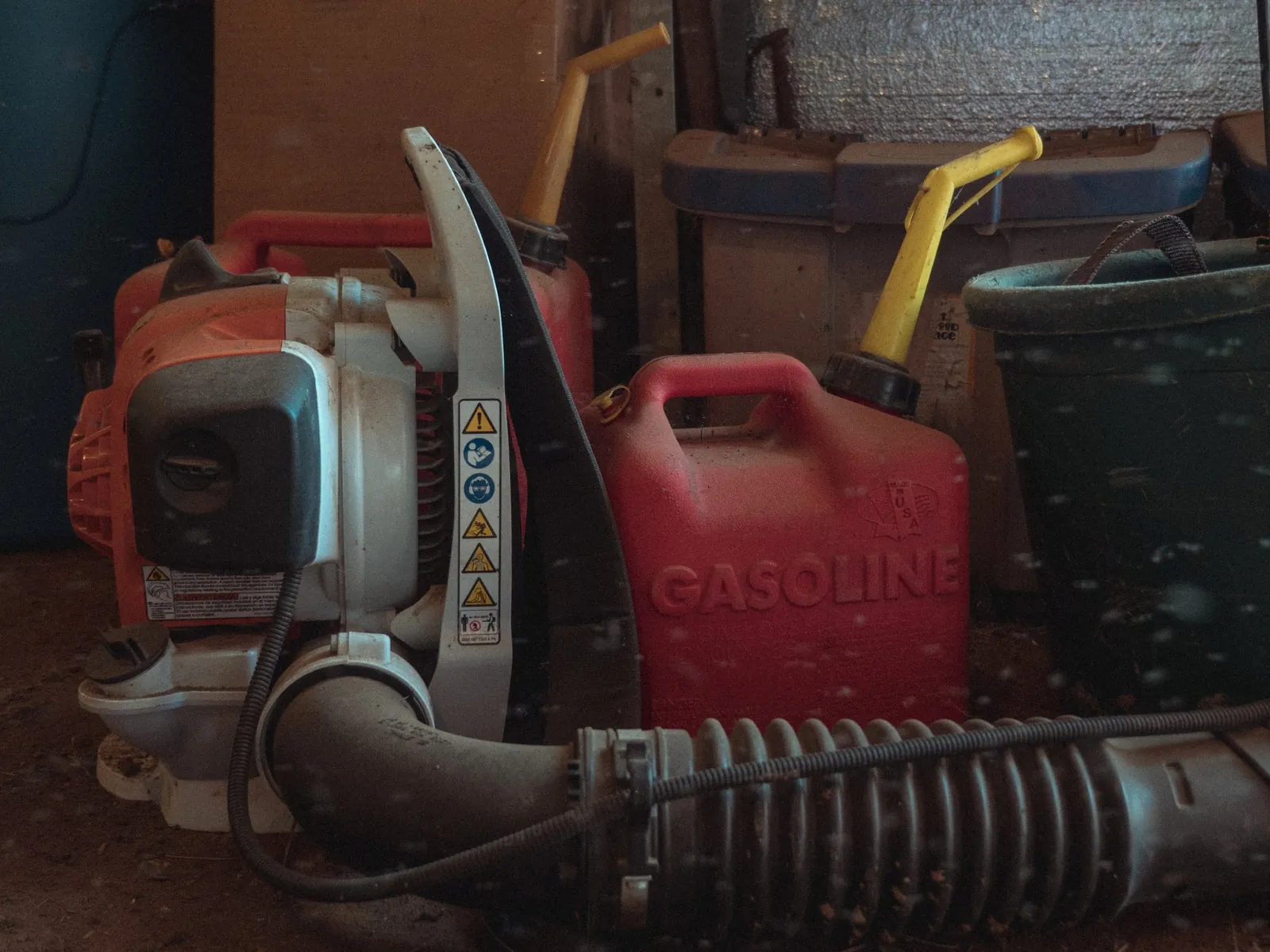
- Always store gasoline in an approved, airtight container designed specifically for fuel to prevent vapor leakage.
- Never keep fuel inside your home or an attached garage where ignition sources are present.
- Limit your stored volume to the absolute minimum required for lawn equipment or emergency generators.
- Check your local municipal ordinances, as many cities forbid storing more than a few gallons of fuel in residential areas.
- Use a fuel stabilizer if you plan to keep gasoline for more than thirty days to prevent degradation.
Is It Safe to Store Gasoline?
The short answer is no; storing gasoline in your garage poses a significant risk to your home and family. The primary danger lies in the volatile organic compounds that evaporate from the fuel. These vapors are heavier than air, meaning they sink to the floor and can travel across the garage to reach a water heater, a furnace, or a clothes dryer. Once these vapors reach a pilot light or an electrical spark, they ignite instantly.
According to the National Fire Protection Association fuel storage guidelines, storing flammable liquids requires strict adherence to ventilation and containment standards that most residential garages simply can’t meet. Even if you believe your garage is “safe,” the reality is that the potential for a fire is too high to justify the convenience. If you must keep fuel, you’re essentially storing a bomb in the same structure that houses your living space.
Choosing the Right Fuel Container
If you must store small amounts of gasoline, you must use a container that meets the safety standards set by governing bodies. Using old milk jugs, glass jars, or unapproved plastic containers is a recipe for disaster. These materials can degrade, leak, or shatter when exposed to the chemical properties of gasoline.
| Container Type | Safety Rating | Best Use Case |
|---|---|---|
| Plastic Jerry Can | EPA/CARB Compliant | Lawnmowers, small tools |
| Metal Safety Can | UL Listed / FM Approved | Long-term storage, fire resistance |
| Standard Fuel Jug | ASTM F852 | Short-term transport |
Always look for the UL (Underwriters Laboratories) certification label on any container you purchase. These cans are designed with flame arrestors and pressure-relief mechanisms that prevent the container from exploding if the internal pressure builds up due to high ambient temperatures.
Where Should You Store Gasoline?
Since the garage is dangerous, you should ideally store gasoline in a detached shed or an outdoor structure that’s well-ventilated and located at least fifty feet away from your home. This detached storage location minimizes the risk of a fire spreading to your primary residence.
If you don’t have a detached shed, you should minimize your inventory to only what is needed for immediate use. Don’t keep five-gallon cans sitting around “just in case.” Instead, maintain a small, manageable amount in a flame-resistant storage cabinet designed for flammable liquids. These cabinets are engineered to contain fires for a specific duration, providing you with time to evacuate if an accident occurs.
Managing Fuel Vapor Hazards
Gasoline vapors are the hidden killer in any garage setting. Because these vapors are heavier than air, they don’t dissipate easily in a closed garage. They settle in low spots, such as floor drains or along the concrete slab. If you have a garage with a poor ventilation system, these vapors can build up to explosive concentrations in a matter of hours.
Warning: Never attempt to vent your garage by leaving the door slightly open if you’re storing gasoline; this doesn’t provide enough airflow to disperse heavy fuel vapors safely and may actually create a false sense of security while inviting pests or intruders.
How Long Does Gasoline Last?
Gasoline is a chemical blend that begins to break down as soon as it’s refined. Under ideal conditions, gasoline will remain stable for three to six months. Beyond this point, the fuel begins to oxidize, leading to the formation of gum and varnish deposits that can clog the fuel injectors or carburetor of your equipment.
Factors Affecting Fuel Shelf Life
- Temperature: High heat accelerates the oxidation process, significantly shortening the life of the fuel.
- Air Exposure: Every time you open the container, oxygen enters and begins degrading the fuel.
- Contamination: Moisture from condensation inside the tank can lead to phase separation, especially in ethanol-blended fuels.
To extend the life of your fuel, you should always add a high-quality fuel stabilizer immediately after purchasing the gasoline. This additive acts as a buffer against oxidation and keeps the fuel usable for up to twelve months.
Risks of Ethanol-Blended Fuels
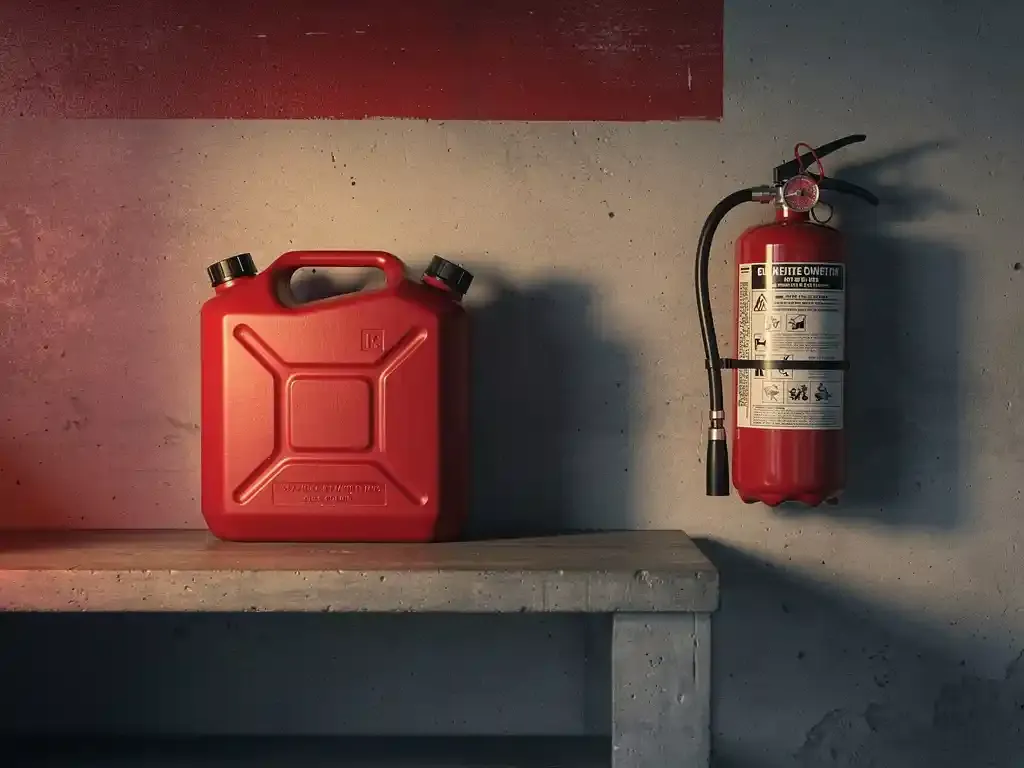
Most gasoline sold at retail stations today contains a percentage of ethanol, typically E10 (10% ethanol). Ethanol is hygroscopic, meaning it absorbs water from the atmosphere. In a garage environment, where humidity levels fluctuate, this can lead to phase separation, where the water-ethanol mixture sinks to the bottom of your container.
When this happens, the fuel becomes corrosive and can damage the rubber gaskets, fuel lines, and seals in your lawnmower or generator. If you’re storing fuel for emergency equipment, it’s highly recommended to seek out ethanol-free gasoline whenever possible. While it may cost more, the reduction in maintenance issues and the increased stability make it the superior choice for long-term storage.
Filling and Transporting Gasoline
Transporting gasoline from the gas station to your home is a high-risk activity that many people take lightly. The most common mistake is filling a container while it’s inside the bed of a truck or the trunk of a car. Static electricity can build up on the container, and when the nozzle touches the rim, it can create a spark that ignites the fuel.
Always place your approved gas can on the ground outside the vehicle before filling it. Ensure the nozzle of the gas pump is in contact with the rim of the container to ground it throughout the filling process. Once filled, tighten the cap securely and wipe off any spills immediately. Never leave a container of gasoline in a hot car, as the expansion of the fuel and vapors can cause the container to rupture or leak.
How Much Fuel Is Too Much?
If you’re wondering about the maximum safe volume, the answer is that less is always better. Most residential fire codes limit the storage of flammable liquids to a maximum of ten gallons in a private home, but you should check with your local fire marshal to confirm the specific regulations in your jurisdiction.
If you find yourself needing to store more than ten gallons, you’re likely crossing the line from residential use to commercial storage, which requires specialized fire suppression systems, explosion-proof lighting, and specific building materials that typical garages lack. If you have a large amount of fuel, it’s time to reconsider your storage strategy and reduce your total volume.
Maintaining Your Fuel Storage Area
If you decide to keep a small amount of fuel, you must treat the storage area with the same seriousness as a chemical lab. Keep the area clean and free of combustible materials like oily rags, cardboard boxes, or piles of paper. These items act as fuel for a potential fire and can easily spread a small spark into an uncontrollable blaze.
Pro Tip: Use a dedicated concrete pad for your fuel storage, as this provides a non-combustible surface that’s easy to clean in the event of a spill.
Check your fuel containers regularly for signs of wear. If a plastic can shows signs of cracking, fading, or swelling, it has reached the end of its functional life and must be replaced. Never attempt to “patch” a leaking fuel can with tape or sealant; if the integrity of the container is compromised, it must be disposed of at a hazardous waste collection facility.
Why Is Gasoline So Dangerous?
The danger of gasoline isn’t just its flammability, but its extreme rate of vaporization. Gasoline has a low flash point, which is the temperature at which it can form an ignitable mixture in the air. This flash point is approximately -45 degrees Fahrenheit. This means that at any temperature you might encounter in a garage, gasoline is constantly producing enough vapor to ignite if a spark is present.
Unlike diesel fuel, which is much less volatile and requires higher temperatures or compression to ignite, gasoline is ready to explode at a moment’s notice. This is why you should never use gasoline as a cleaning agent or as a solvent in your garage. Many people make the mistake of using it to clean parts, not realizing they’re creating a lethal vapor cloud in their workspace.
Troubleshooting Fuel Issues
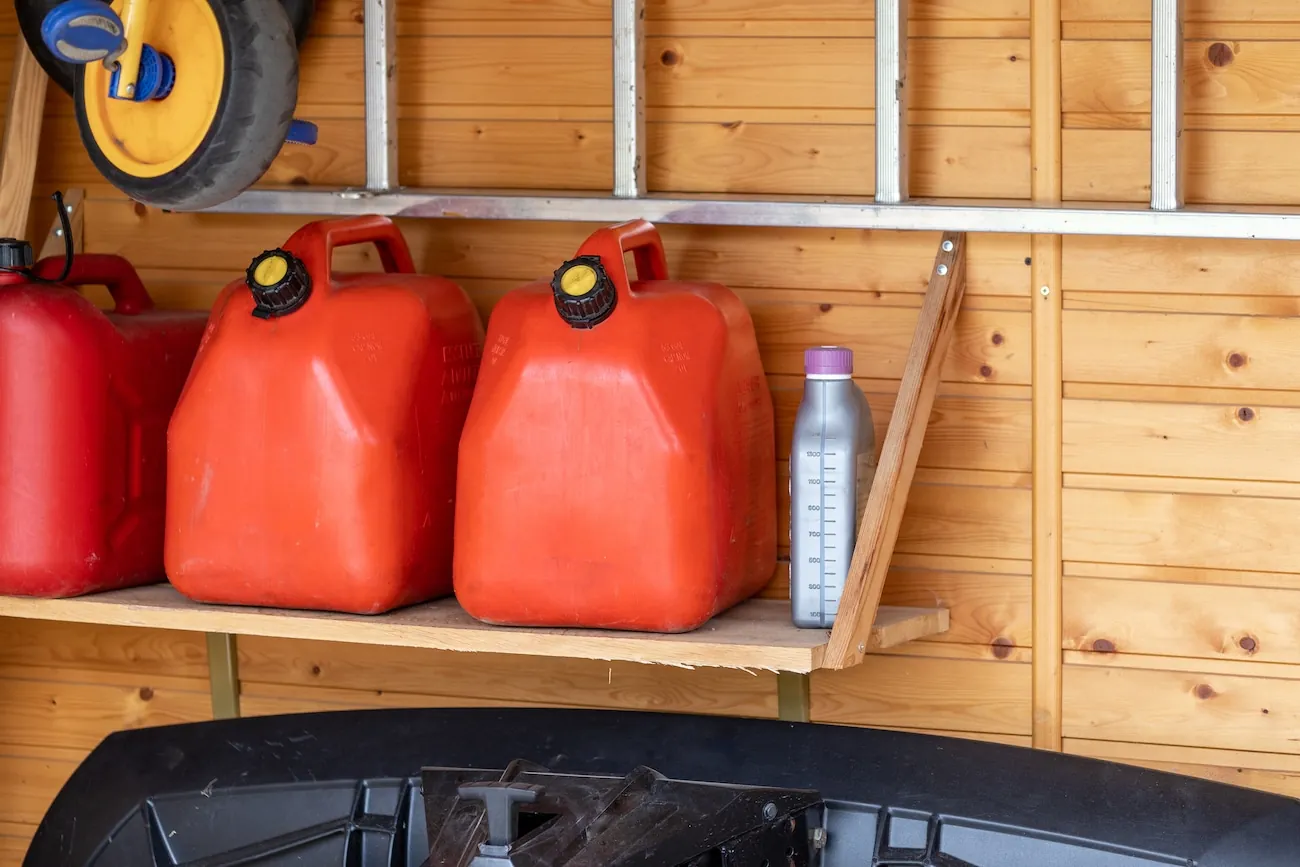
If you suspect your fuel has gone bad or your storage method is failing, look for these common signs:
| Symptom | Probable Cause | Action Required |
|---|---|---|
| Rotten egg or sour smell | Fuel oxidation | Dispose of fuel, clean container |
| Dark, cloudy appearance | Phase separation | Discard, don’t pour down drain |
| Sticky residue on cap | Varnish buildup | Clean or replace the container |
| Swollen plastic container | Excessive heat/vapor pressure | Move to cooler, ventilated area |
If your fuel shows any of these signs, don’t attempt to use it in your equipment, as it will likely cause engine damage. The cost of replacing a small engine is far higher than the cost of a few gallons of fresh fuel. Take the old fuel to a local recycling center that handles hazardous waste to ensure it’s disposed of according to environmental regulations.
Related guides
- Can You Microwave Styrofoam: Safety Facts and Risks Explained
- Garage Door Cable Came Off Drum: How to Fix It Safely
- Is Hydrogen Sulfide an Acid? The Chemical Facts Explained
Frequently Asked Questions
Can I store gasoline in my basement?
No, never store gasoline in a basement. Basements are enclosed, poorly ventilated areas where heavy fuel vapors will collect and remain trapped. Because there’s no way for these vapors to escape, the risk of an explosion is significantly higher than in a garage. Furthermore, basements usually contain the home’s primary heating equipment, creating a constant source of ignition for any leaking vapors.
Is it okay to keep gas in a plastic jug?
Only if the jug is an approved, safety-rated fuel container. Never use repurposed plastic jugs like milk or water containers, as gasoline will dissolve the plastic over time, causing it to become brittle and eventually leak. Always use containers that are specifically labeled for gasoline and meet the necessary safety certifications to ensure they can withstand the chemical stress of the fuel.
What should I do if I spill gasoline in the garage?
If a spill occurs, immediately ventilate the area by opening all doors and windows. Don’t use any electrical switches or open flames, as the spark could ignite the vapors. Use an absorbent material like cat litter or sand to soak up the liquid, then scoop it into a sealed, non-combustible container. Dispose of the contaminated material through your local hazardous waste program; don’t throw it in the trash.
Can I store gasoline in an attached garage?
Storing gasoline in an attached garage is highly discouraged and often violates local fire codes. Because the garage shares a wall with the living space, a fire caused by gasoline vapors can spread into your home in seconds. If you have no other choice, keep the volume to an absolute minimum and ensure the storage area is as far from the home’s interior door as possible.
How do I dispose of old gasoline?
Never pour gasoline down a drain, into the sewer, or onto the ground, as it’s a major environmental pollutant. Instead, contact your local municipal waste management department to find a hazardous waste collection site. Many cities hold periodic collection events specifically for household chemicals, including old fuel, oil, and paint. This ensures the gasoline is disposed of safely and in accordance with environmental laws.
Conclusion
The most important step you can take today is to inventory your garage and remove any gasoline containers that aren’t strictly necessary for your immediate needs. If you must keep fuel, verify that your containers are safety-rated, move them to the most well-ventilated area possible, and dispose of any fuel that’s more than six months old.
