
Yes, hydrogen sulfide is an acid, specifically a weak hydracid that dissolves in water to form a solution that can donate hydrogen ions. It exists as a colorless gas at room temperature and is known for its distinct rotten egg smell. Chemists classify it as a diprotic acid, meaning each molecule can release two protons, though it does so very reluctantly compared to stronger acids like sulfuric acid.
The chemical behavior of this substance depends entirely on its environment and its concentration in water. In its pure gaseous form, it doesn’t display acidic properties because the hydrogen ions aren’t free to move or react. You only see its acidic nature when it interacts with a solvent, usually water, which allows the molecules to break apart and release protons.
The most important factor to remember is that it’s a very weak acid, so it rarely fully dissociates in water. A common mistake is treating it like a strong mineral acid; people often fail to wear proper safety gear because they underestimate its toxicity. Even at low concentrations, this gas is hazardous to human health and can cause severe respiratory distress if inhaled in confined spaces for extended periods.
How to handle hydrogen sulfide acid
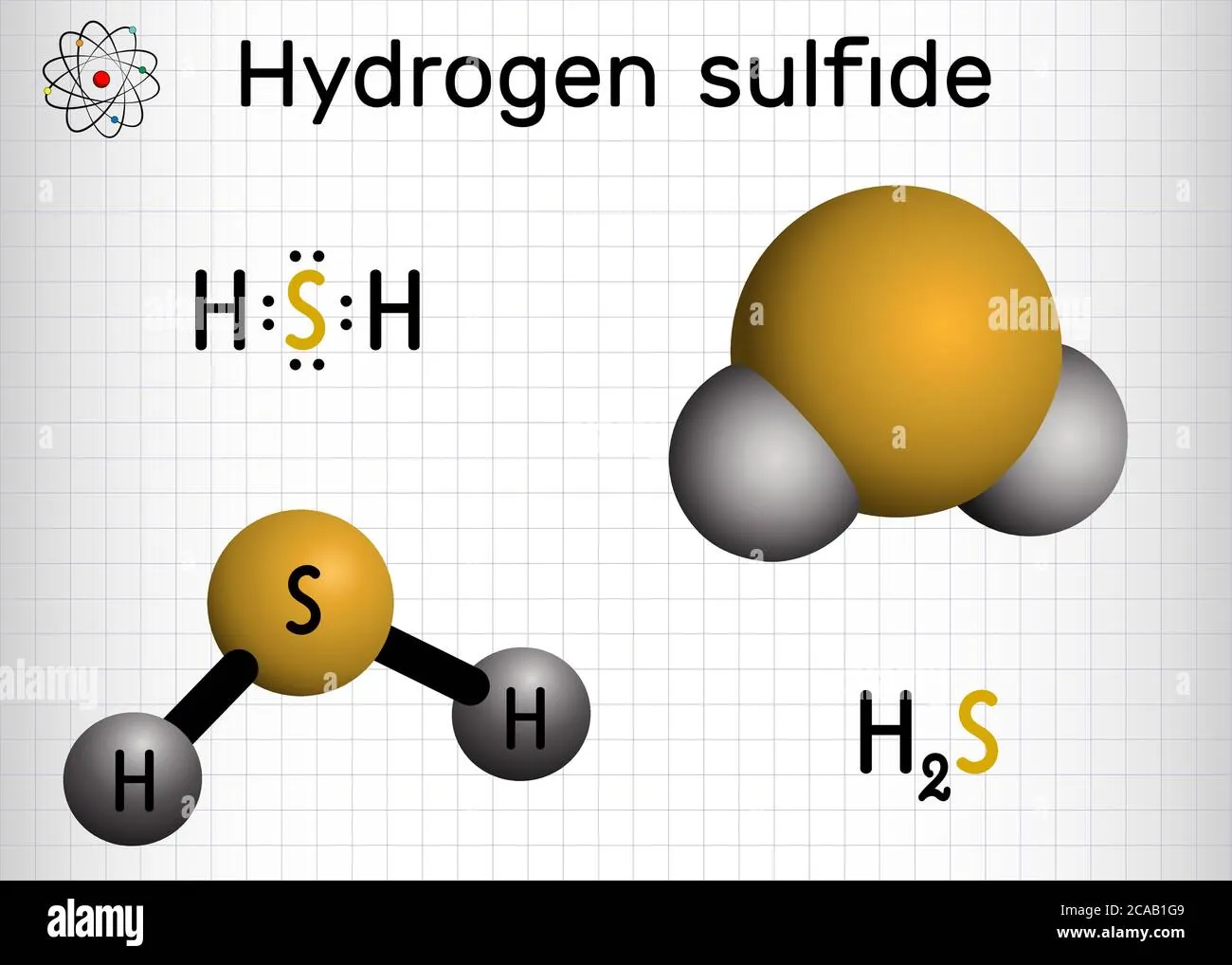
- Dissolve the gas into water to create an aqueous hydrogen sulfide solution.
- Monitor the pH levels carefully, as the acidity varies based on the concentration of the gas dissolved in the liquid.
- Wear a portable gas monitor if you’re working in areas where this substance might build up, as it can be fatal at high levels.
- Use a laboratory fume hood when conducting experiments to ensure the gas is vented away from your breathing zone.
- Neutralize any spills or waste solutions using an alkaline agent like sodium hydroxide to bring the pH back to a safe, neutral range.
Tip: Never rely on the smell of the gas to detect a leak, as high concentrations can quickly paralyze your sense of smell.
Tip: If you’re working in an industrial or laboratory setting, follow the Occupational Safety and Health Administration guidelines for permissible exposure limits to ensure your workspace remains within safe boundaries.
Time Needed for Chemical Reactions
The time required for hydrogen sulfide to react or dissolve depends on the volume of the solvent and the pressure of the gas. If you’re saturating a liquid to reach a specific pH level, the process is usually fast, but the concentration levels determine the final acidity.
| Situation | How long | What changes it | What to watch for |
|---|---|---|---|
| Low concentration | Seconds | Stirring speed | Minimal pH change |
| High concentration | 5–10 minutes | Pressure levels | Rapid acidity spike |
| Saturated solution | 20+ minutes | Temperature | Gas release rate |
If the reaction is taking much longer than expected, check the temperature of your water. Warmer liquids hold significantly less dissolved gas than colder ones, causing the gas to bubble out before it can bond.
Aim for a baseline temperature of 20°C.
Most technicians mistake a slow reaction for a lack of gas flow. Before adjusting your regulator, ensure your cooling jacket is active. If the liquid remains warm, you’ll never hit your target pH regardless of the time elapsed.
Identifying the Acidic State

You can identify the acidic state of a solution containing this gas using standard pH paper or a calibrated digital meter. Since it’s a weak acid, the pH will typically stay in the range of 4.0 to 6.0 in standard water solutions, depending on the pressure of the gas applied. If the reading is much lower, you likely have other contaminants present in your mixture.
The definitive test is using an ion-selective electrode, which measures the concentration of sulfide ions in the liquid. If the signs disagree, always trust the digital meter reading over indicator strips, as the strips can be influenced by other sulfur compounds.
Always verify your equipment calibration before starting. When the solution temperature exceeds 30 degrees Celsius, apply a temperature compensation factor to avoid false readings. If you see a rapid, erratic fluctuation, the electrode junction is likely clogged by precipitate. Replace the probe immediately to avoid misleading data.
Common Mistakes During Use

Many users assume that because it’s a “weak” acid, it’s safe to handle without special precautions. This is dangerous because the gas itself is highly toxic to the nervous system, regardless of its acidic strength in water. Treat any concentration above 5% as a high-risk hazard requiring full chemical-resistant gloves and indirect-vent goggles.
Working in a room with poor airflow allows the gas to accumulate, which can lead to rapid onset of symptoms like dizziness or nausea. If you can’t feel a steady breeze pulling air away from your face, you’re at risk.
Adding this acid to strong oxidizers can cause violent reactions and the release of heat or secondary toxic gases. Never combine these materials in a closed vessel, as the pressure buildup can cause a rupture within seconds. If you see bubbling or a sudden color change, evacuate the area immediately. Always check the chemical compatibility chart for your specific reagents before combining any materials in a beaker or tank.
Frequently asked questions
Is hydrogen sulfide a strong or weak acid?
It’s a weak acid, meaning it doesn’t fully dissociate into ions when placed in water. This property is determined by its low acid dissociation constant, which is significantly lower than that of common mineral acids like hydrochloric acid. You can find the specific constant values in standard chemical handbooks, which define how easily the compound gives up its protons in a neutral solution.
How do you neutralize hydrogen sulfide?
You neutralize it by adding an alkaline substance, such as sodium hydroxide or calcium hydroxide, to the solution. This process creates a chemical reaction that produces water and a metal sulfide salt, effectively removing the acidic character of the liquid. If you’re neutralizing a large volume of waste, you must add the base slowly while monitoring the pH to avoid an exothermic reaction.
Is it safe to smell hydrogen sulfide?
No, it isn’t safe to inhale this gas, as it’s toxic at very low levels and can cause permanent neurological damage or death. While you might smell it at concentrations as low as 0.01 parts per million, it quickly numbs your sense of smell at higher levels. Never use your nose to check for leaks; always use a calibrated electronic gas detector instead.
Does hydrogen sulfide dissolve in water?
Yes, it’s moderately soluble in water, where it forms a solution known as hydrosulfuric acid. The amount that dissolves depends on the temperature of the water and the partial pressure of the gas above the liquid. In general, colder water allows for a higher concentration of the gas to remain dissolved compared to warmer water.
What happens if you inhale hydrogen sulfide?
Inhaling this gas can cause immediate irritation to the eyes and throat, followed by respiratory distress and potential loss of consciousness. At high concentrations, it can stop your breathing entirely by affecting the central nervous system. If you suspect you have been exposed to the gas, you must move to fresh air immediately and seek emergency medical attention.
Can you store hydrogen sulfide in a lab?
Yes, you can store it, but it must be kept in specialized, leak-proof cylinders designed for toxic gases. It should be stored in a well-ventilated, secure cabinet away from direct sunlight, heat sources, and incompatible chemicals like oxidizers. Always check your local fire and safety codes for the specific storage requirements and maximum quantities allowed in your facility.
Conclusion
Because this gas is highly toxic, you shouldn’t try to experiment with it at home. If you’re curious about how it reacts with other substances, it’s best to watch a safety-focused demonstration in a professional laboratory setting. You’ll learn a lot more by observing experts handle it safely and correctly.
