
Discovering that your garage door cable came off drum is a stressful situation that typically signals a failure in the tensioning or balancing system of your heavy door assembly. When this happens, the door may hang at an angle, refuse to open, or become completely stuck in a way that risks further damage to the panels or the motor. Professional repair services for this specific issue generally cost between $150 and $450, depending on your geographic location, the complexity of the cable routing, and whether the torsion springs require additional adjustment or replacement.
Key Takeaways

- Don’t operate the door motor if the cables are slack or disconnected, as this can cause the door to bind and severely damage the tracks.
- Identify the cause of the slack, which is often a broken spring, a cable that has jumped the pulley, or a loose bottom bracket.
- Secure the area by manually locking the door or blocking it with a heavy object to prevent it from falling unexpectedly.
- Professional assistance is highly recommended for torsion spring systems, as they store extreme energy that can cause life-threatening injuries if mishandled.
- Regular maintenance involves inspecting cable wear, checking for fraying, and ensuring the drum grooves remain clean and free of debris.
Understanding the Cable and Drum System
The garage door relies on a series of components to lift and lower smoothly. The lift cables are attached to the bottom brackets of the door and wrap around grooved drums located at the top of the vertical tracks. These drums are connected to a torsion tube, which is powered by a torsion spring.
When the spring unwinds, it turns the tube, which rotates the drums and winds the cables, effectively pulling the door upward. If the cable loses tension, it slips out of the drum’s grooves, causing the door to become uneven or completely immobile.
Why Did the Cable Come Off?
Several factors can lead to a cable slipping off the drum. The most common culprit is a broken torsion spring, which causes the door to lose its counterbalance instantly. Without that upward force, the cables go slack, and the slightest movement can cause them to jump the drum.
Another frequent cause is an obstruction in the track, which prevents one side of the door from moving at the same speed as the other. When the door hits an object, the cables can become loose, and the drum may continue to rotate, causing the cable to spool incorrectly or fall off entirely.
| Cause | Impact on Door | Repair Urgency |
|---|---|---|
| Broken Torsion Spring | Total loss of balance | Immediate |
| Track Obstruction | Uneven door movement | High |
| Loose Cable Drum | Cable slippage | High |
| Worn Cable Fraying | Potential snapping | Critical |
| Improper Door Leveling | Stress on hardware | Moderate |
How to Inspect a Garage Door Cable Off the Drum
Before attempting any assessment, ensure the power is disconnected from your garage door opener. Unplug the unit from the ceiling outlet to prevent accidental activation. Use a flashlight to examine the drums at the top of the door.
Check if the cable is frayed, kinked, or completely disconnected from the bottom bracket. Avoid touching the spring or the torsion tube if you aren’t trained in spring tension management, as the stored mechanical energy in these parts is sufficient to cause severe bodily harm.
When Should You Call a Professional?
If you notice that the torsion spring is snapped—look for a distinct gap in the coil—you should avoid any DIY repairs. Additionally, if the door is currently stuck at an angle, attempting to force it down manually can cause the panels to buckle or the tracks to bend, which significantly increases the total cost of the repair.
Can You Fix It Yourself?
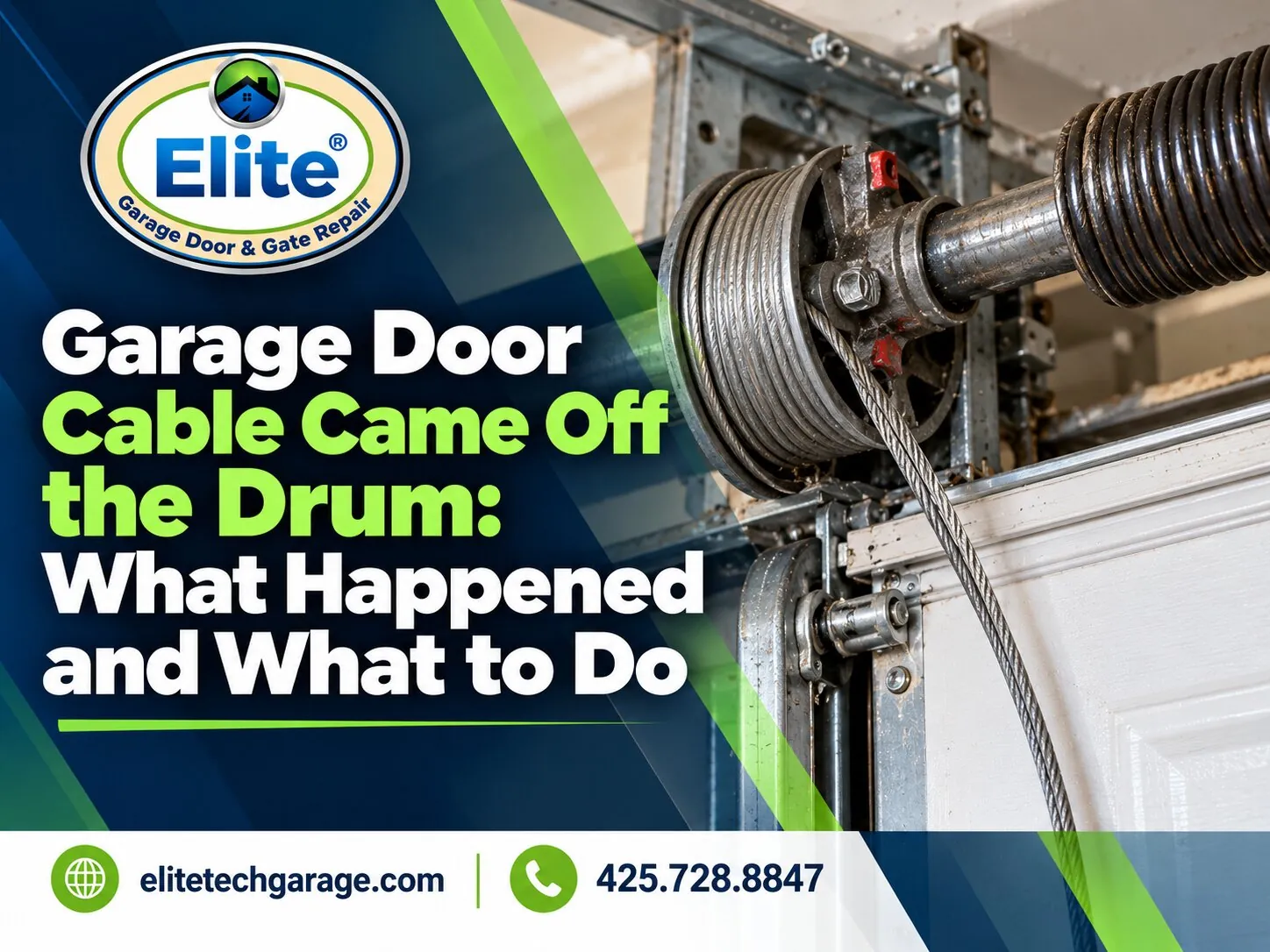
If the cable is simply loose but the spring is intact, some homeowners with mechanical experience may attempt a realignment. This involves manually lifting the door to a secure position, blocking it with sturdy sawhorses, and carefully rewinding the cable onto the drum. However, this process requires precise tensioning to ensure the door remains balanced.
A poorly balanced door will put excessive strain on the opener, leading to a burnt-out motor or stripped gears. Always use safety eyewear and heavy-duty work gloves during any interaction with door hardware.
Tools Required for Cable Repairs
Having the right tools is essential if you decide to proceed with a repair. You’ll need a set of winding bars specifically designed for torsion springs, as standard screwdrivers are dangerous and prone to slipping. A socket set, a level, and a pair of locking pliers are also vital for securing the door to the track while you work.
- Winding bars (1/2-inch or 5/8-inch diameter)
- Locking pliers (vise-grip style)
- Socket wrench set
- Spirit level
- Heavy-duty work gloves
- Lubricating spray (silicone-based)
Signs of Impending Cable Failure
Pro Tip: Listen closely to your garage door during operation. If you hear a rhythmic “clicking” or “popping” sound as the door moves, it may indicate that the cable is rubbing against the frame or that the drum is slightly misaligned.
Frayed cables are the most obvious sign of an impending break. If you see individual wires poking out of the main cable bundle, it’s time to replace them. Check the bottom fixtures where the cables attach to the door; if these are rusted or bent, they can interfere with the cable’s path, leading to the cable coming off the drum.
Troubleshooting the Door Balance
Even if the cable is back on the drum, the door must be balanced correctly. To test this, disconnect the opener by pulling the red emergency release cord. Raise the door manually to about three feet off the ground and let go.
A properly balanced door will stay in place. If it slams shut, the spring tension is too low; if it flies upward, the tension is too high. Don’t attempt to adjust spring tension if you aren’t comfortable working with high-pressure components.
Maintaining Your Garage Door System
Preventative maintenance is the best way to avoid a cable jump. Every six months, perform a visual inspection of the entire system. Apply a light coating of silicone lubricant to the tracks, rollers, and hinges. Ensure that the fasteners and bolts are tight, as vibration from daily use can loosen them over time, which eventually leads to misalignment of the drums and tracks.
| Maintenance Task | Frequency | Expected Benefit |
|---|---|---|
| Inspect Cables | Monthly | Detect fraying early |
| Lubricate Tracks | Quarterly | Reduce friction/noise |
| Tighten Hardware | Bi-annually | Prevent misalignment |
| Balance Test | Annually | Protect motor life |
Preventing Future Cable Issues

Warning: Never attempt to remove the bottom bracket while the cable is still under tension. The bracket is held in place by the cable, and releasing it prematurely can cause the cable to whip back with enough force to cause significant injury.
To keep your cables secure, ensure the drum set screws are tightened firmly against the shaft. Sometimes, the drum can shift slightly on the torsion tube, causing the cable to track poorly. If you find yourself frequently dealing with cable issues, consider upgrading to heavy-duty cables that are rated for the specific weight of your door.
Related guides
- Chamberlain Garage Door Opener Troubleshooting: Easy Fixes
- 1/2 vs 3/4 Horsepower Garage Door Opener: Which One to Choose
- LiftMaster vs Chamberlain: Which Garage Door Opener Is Best
Frequently Asked Questions
Is it safe to use the garage door if one cable is off?
No, it isn’t safe. Operating a garage door with a single cable or a loose cable will cause the door to become uneven, which puts immense pressure on the tracks and the door panels. This can lead to the door jumping off the tracks entirely, potentially causing the door to fall, which creates a significant safety hazard for anyone near the opening.
How do I know if my garage door spring is broken?
Look for a clear separation or gap in the coils of the spring located above the door. If you see a break, the spring is no longer providing the necessary counterbalance. Other signs include the door feeling extremely heavy when you try to lift it manually, or the opener struggling to lift the door more than a few inches before stopping.
Can I manually close a door with a cable issue?
You can manually close it only if the door is currently in a position where it isn’t jammed. Use extreme caution and have a second person assist you to ensure the door doesn’t fall. If the door is stuck at an angle, don’t force it down, as this can bend the tracks and cause the rollers to pop out, complicating the repair.
Why do garage door cables fray?
Cables fray primarily due to natural wear and tear from constant movement, friction against the track or drum, and exposure to moisture which leads to corrosion. Over time, the constant bending and straightening of the cable wires as they wind and unwind around the drum cause metal fatigue, eventually leading to individual strands breaking and creating the characteristic “fuzzy” appearance of a frayed cable.
How long do garage door cables typically last?
Garage door cables typically last between seven and ten years, depending on the frequency of use and the local climate. Homes in humid or coastal areas may see cables degrade faster due to salt air or moisture causing rust. Regular lubrication and annual inspections can help you identify wear before the cable snaps or slips off the drum, allowing for proactive replacement.
Conclusion
The most effective way to resolve this issue is to assess the condition of your torsion springs first. If the springs appear intact and the cable is simply loose, you may be able to reseat it; otherwise, contact a local, licensed garage door technician to perform a professional cable replacement and system balance to ensure your home remains both secure and safe.
