
A pressure sensor diaphragm works by bending slightly when fluid or gas pushes against it, which changes a tiny electrical signal that a computer then reads as a measurement. Think of it like a thin drum skin that stretches when you press on it. This small movement is how a pressure sensor diaphragm detects changes in force, turning physical pressure into data you can see on a screen or use to control a system.
Inside the pressure sensor diaphragm

The diaphragm is the heart of the system, but it needs other parts to turn its movement into a useful signal. If a part fails, the sensor will stop reporting accurate data or show an error code on your controller.
| Part or input | What it does | What you notice when it goes wrong |
|---|---|---|
| Diaphragm | Moves under pressure | Reading stays stuck or drifts |
| Strain gauge | Measures the bending | Output signal is erratic or zero |
| Housing | Protects internal parts | Sensor leaks or breaks physically |
| Wires | Carry the signal | No signal reaches the controller |
| Circuit board | Processes the data | Sensor shows constant error message |
The strain gauge is the most delicate component. If you see a signal that jumps wildly while the pressure remains steady, the gauge has likely lost its adhesive bond. Replace the unit immediately, as these gauges can’t be recalibrated once they detach.
Check the housing for hairline fractures if the sensor reports “ghost” pressure readings in a stable environment. A crack allows ambient air to leak into the vacuum chamber, which ruins the baseline calibration.
How the diaphragm moves
The process follows a set cycle from the moment pressure hits the sensor surface until the final reading is displayed. If the pressure is too high for the sensor’s design, the diaphragm may deform permanently, which will ruin the device.
- Fluid or gas enters the sensor port and pushes against the thin, flexible diaphragm, causing it to flex inward by a fraction of a millimeter.
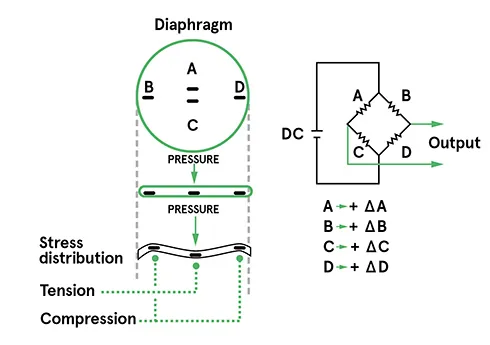
- The strain gauge attached to the back of the diaphragm stretches or compresses, which changes the electrical resistance of the material in the gauge.
- A small electrical current flows through the gauge, and the change in resistance alters the voltage level of the current passing through the circuit.
- The internal processor converts this voltage change into a digital or analog signal that corresponds to the specific pressure value being applied.
- This signal travels through the wiring to your external display or control system, which translates the electrical value into a readable pressure unit.
- Once the pressure drops, the diaphragm returns to its original flat shape, and the electrical signal resets to the baseline zero value.
Why sensor performance matters
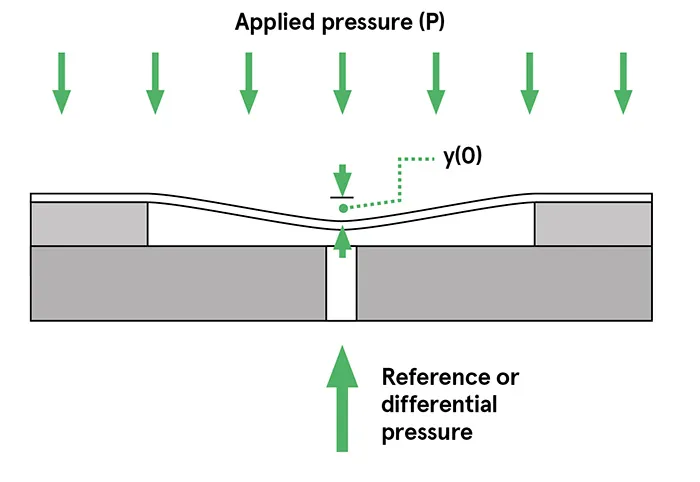
Accuracy depends on how well the diaphragm returns to its original shape after being pushed. If the material is too stiff, the sensor will ignore small pressure changes, but if it’s too thin, it might break under high stress. A common mistake people make is using a sensor designed for low pressure in a high-pressure system; this causes the diaphragm to stretch past its limit, which destroys the device instantly.
If the diaphragm is dirty or clogged, the sensor can’t feel the pressure properly, leading to readings that are much lower than reality. You should check the port for buildup if the sensor seems slow to respond to changes. The environment also plays a role, as extreme heat or cold can change how the metal diaphragm moves. If the temperature is outside the manufacturer’s range, the reading will be wrong even if the pressure itself is steady.
Safety is the main reason to understand these limits. If you’re working with dangerous chemicals or high-pressure steam, a failed diaphragm can lead to leaks or explosions. Always check the data sheet for the maximum pressure rating, as operating even slightly above this limit causes metal fatigue. If you suspect the diaphragm is damaged, stop using the sensor and replace it immediately, as you can’t repair a bent or cracked sensor diaphragm.
Control and design limits
Things you control
- Keep the sensor port clean from debris or sludge.
- Match the sensor range to your expected system pressure.
- Protect the unit from extreme vibration or physical shock.
- Ensure the electrical wiring is shielded from outside interference.
Fixed design limits
- The physical thickness of the metal diaphragm material.
- The maximum pressure rating set by the manufacturer.
- The internal temperature limits of the sensing element.
If you need to calibrate a sensor, you must use a certified pressure source and follow the specific software steps provided by the manufacturer. Don’t attempt to modify the diaphragm itself, as it’s calibrated at the factory to a specific thickness and tension. Any attempt to alter the physical shape of the diaphragm will void the warranty and create a safety risk.
Getting more out of it
To keep your sensor working for a long time, you must manage how it interacts with the system. First, avoid “water hammer” effects, which are sudden spikes in pressure that can damage the diaphragm. If your system uses valves, open them slowly to protect the sensor. Second, monitor the zero-point drift; if the sensor reads anything other than zero when the system is off, you need to recalibrate it using the manufacturer’s software.
Third, ensure the mounting is tight but not over-torqued, as too much force on the housing can warp the sensor body and change the baseline reading. Fourth, if you’re measuring liquids that can freeze, make sure the sensor is mounted in a way that allows liquid to drain, or use a heat trace to prevent ice from pushing against the diaphragm.
Finally, check the sensor output against a known gauge to ensure it remains accurate, following the interval recommended in your owner’s manual based on your specific usage.
Related guides
Frequently asked questions
Can a pressure sensor diaphragm be repaired?
No, a damaged diaphragm can’t be repaired because the metal is engineered to a specific thickness and tension that can’t be restored once bent or cracked. If you find the sensor isn’t returning to its baseline, you must replace the entire unit to ensure your system remains safe and accurate.
Why is my pressure sensor reading zero?
A zero reading usually means the electrical circuit is broken or the diaphragm is completely blocked by debris. Check the wiring connections first to ensure they’re secure; if the wires are fine, inspect the sensor port for clogs that might be preventing the pressure from reaching the thin sensing material.
How long does a pressure sensor last?
The lifespan varies depending on the conditions, but this depends entirely on the number of pressure cycles the diaphragm experiences. If your system has constant, rapid pressure changes, the metal will fatigue much faster than it would in a system with steady, constant pressure levels.
Is it safe to clean a sensor diaphragm?
It’s safe only if you use a soft, non-abrasive tool and avoid touching the diaphragm directly with your fingers. Use a gentle stream of compressed air or a compatible solvent to wash away debris, but never push anything into the port that could scratch or puncture the thin metal surface inside.
What happens if I exceed the pressure rating?
Exceeding the pressure rating will cause the diaphragm to deform permanently or rupture, which leads to immediate sensor failure. If the diaphragm ruptures, the process fluid can leak into the electronics, which might cause a short circuit or even an electrical fire in your control system.
How do I know if my diaphragm is calibrated?
You know the sensor is calibrated if it reads zero when no pressure is applied and matches a known reference gauge at your working pressure. If the reading is off by more than the tolerance stated in the manufacturer’s manual, you must perform a calibration using an external, certified pressure source.
Conclusion
These components are essential for keeping modern machinery running safely and efficiently. If you’re planning to install one, don’t forget to check the material compatibility with your specific fluid. You’ll find that choosing the right diaphragm ensures your system stays accurate and reliable for a long time to come.

1 thought on “How a Pressure Sensor Diaphragm Works: The Simple Mechanics”