
High strength aluminum alloys are metal combinations engineered to offer superior mechanical properties and tensile strength compared to pure aluminum. These materials rely on alloying elements like copper, zinc, or magnesium combined with specific heat treatments to achieve their performance. Engineers choose these alloys for aerospace and structural projects that require both low weight and high load-bearing capacity.
Getting to know high strength aluminum
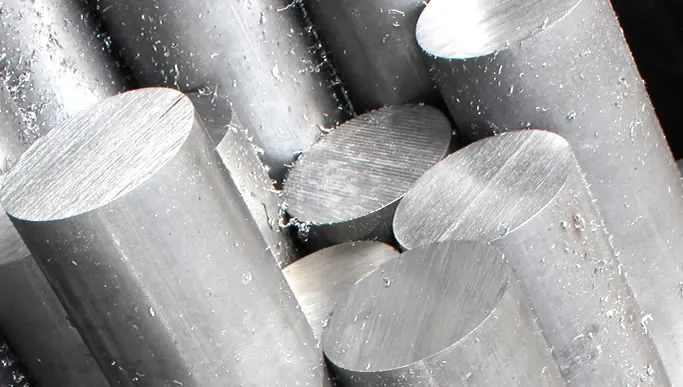
If you need a material that resists deformation under heavy loads, these alloys are your primary choice. They provide a high strength-to-weight ratio that makes them essential for modern engineering projects.
- They gain their strength through precipitation hardening, a heat treatment process that forces alloy atoms to form tiny, strengthening particles.
- Most high-strength variants belong to the 2000 (copper-based) or 7000 (zinc-based) series in the standard Aluminum Association classification system.
- These alloys offer yield strengths often exceeding 500 megapascals, depending on the specific temper and heat treatment applied.
- They’re sensitive to heat; temperatures above 200 degrees Celsius can cause over-aging and a permanent loss of structural strength.
- Corrosion resistance is generally lower than that of pure aluminum, so protective coatings or anodizing are usually required for outdoor use.
- You must match the alloy temper to your project, as the same metal can be soft and formable or hard and rigid.
Why these alloys excel in industry
The primary reason behind the performance of these materials is the intentional disruption of the metal’s crystalline structure. Pure aluminum is relatively soft because its atoms can slide past each other easily. By adding elements like zinc or copper, you create atomic obstacles that prevent this sliding, which is the mechanism that results in higher tensile strength.
Manufacturers strengthen these alloys by using solution heat treatment and aging to create a fine dispersion of particles within the aluminum matrix. These particles act as pinning sites that prevent dislocations from moving, while the Aluminum Association’s alloy designation system helps clarify how specific chemical compositions determine performance.
If you choose an alloy from the 7000 series, you get the highest strength levels, but you trade off some weldability; if you choose a 2000 series alloy, you get excellent performance at elevated temperatures but must be careful with environmental stress corrosion.
This isn’t for decorative projects where you prioritize easy bending or complex forming, as these materials are brittle and prone to cracking if you try to shape them at room temperature without proper annealing. The exact strength limit varies based on the T-temper code specified by the supplier; you can read your specific alloy’s maximum load capacity directly from the mill test report provided with your material purchase.
When the strength requirements shift
This table shows how different conditions require you to change your alloy choice to avoid structural failure.
| Situation | What changes | What to do instead |
|---|---|---|
| High temperature use | Strength drops quickly | Use 2000 series alloys |
| Complex welding needed | Weld zone weakens | Use 5000 or 6000 series |
| Harsh salt exposure | Corrosion risk increases | Use 5000 series alloys |
| Maximum weight savings | Density becomes critical | Use 7000 series alloys |
| Low cost production | Material price is high | Use 6000 series alloys |
Engineers often mistake 7000 series alloys for a universal solution, but these materials suffer from stress corrosion cracking in humid environments. If your design remains static outdoors, prioritize the 5000 series to avoid premature fatigue.
These alloys lose significant yield strength above this threshold, leading to permanent deformation. If you suspect your application will oscillate between extreme heat and ambient cooling, stick to 2000 series materials to maintain structural integrity. Always verify the temper designation, as T6 and T4 variants behave differently under cyclic stress.
Proper handling and processing
- Start by checking the T-temper code on your material certificate, as this tells you the exact heat treatment state of the metal.
- Avoid welding 7000 series alloys unless you have specialized filler materials, as they’re prone to hot cracking during the cooling phase.
- Use sharp, high-speed steel or carbide tooling for machining, as these alloys are harder and cause faster tool wear than standard aluminum grades.
- Apply a protective primer or anodized finish immediately after machining, because these high-strength alloys are more susceptible to oxidation than pure aluminum.
- Maintain bend radii of at least three to four times the material thickness to prevent cracking during cold forming operations.
- Perform stress-relief annealing if you have cold-worked the metal heavily, which prevents warping when you eventually cut the part to its final size.
Mistakes that destroy material integrity
Overheating the metal during welding or powder coating permanently lowers material strength below its rated capacity.
Ignoring grain direction during cutting causes parts to fail under tension much sooner than the alloy’s datasheet suggests. Always align the primary load path parallel to the grain.
Using the wrong fastener material creates galvanic corrosion, which eats away at the high-strength aluminum surface. Avoid pairing stainless steel hardware with aluminum in humid environments. Use nylon washers or zinc-plated steel to break the electrical path.
Attempting to cold-bend material beyond its elastic limit without pre-heating causes invisible micro-cracks. These defects lead to sudden fatigue failure under cyclical loads.
Related guides
- 10 Best Propane Heaters for High Altitude: Expert Picks
- 10 Best Space Heaters for Rooms With High Ceilings: Our Picks
- 10 Best Epoxy Wood Filler Picks for Strength and Finish in 2026
Frequently asked questions
Can I weld all high strength aluminum alloys?
No, you can’t weld all of them, as some high-strength alloys like the 7000 series lose their heat treatment properties and crack easily under heat. You should check the specific alloy datasheet for weldability ratings before starting, as only the 5000 and 6000 series are generally considered suitable for structural welding.
How long do these alloys last in outdoor environments?
They last for decades if protected, but their life is limited by corrosion if you don’t apply a proper finish. You must use an anodized coating or industrial-grade paint to prevent pitting, as these metals contain alloying elements that make them react faster to moisture and salt than standard aluminum.
Is it safe to use these alloys for DIY furniture?
It’s safe if you understand the structural limits, but these materials are usually overkill and harder to work with than standard 6063 aluminum. You’ll find that these alloys are difficult to bend or drill without specialized heavy-duty equipment, which makes them poor choices for simple household projects.
What happens if I heat these alloys too much?
The metal undergoes over-aging, which causes the strengthening particles to grow too large and lose their ability to pin dislocations. You’ll see a permanent drop in tensile strength that can’t be fixed without a full re-solution heat treatment, which requires precise industrial furnaces and rapid quenching.
Does it matter which temper I buy?
It matters immensely, as the temper code defines the yield strength and ductility of the final part. A T6 temper is very strong but brittle, while a T4 temper is softer and better for forming; you must read the specific datasheet for your alloy to ensure the temper matches your design requirements.
How do I know if the alloy is high strength?
You can identify high-strength aluminum by checking if the four-digit series number begins with a 2 or 7. These designations indicate alloys engineered for high-load applications, whereas series starting with 1, 3, or 5 are primarily optimized for formability or corrosion resistance.
Conclusion
Choosing the right material doesn’t have to be overwhelming. If you’re planning a new project, take a moment to look at the specific stress requirements your design will face. You’ll find that picking the correct alloy makes a world of difference, so don’t hesitate to consult a supplier’s technical guide before you start building.
