
A brake slows or stops a moving machine by turning motion into heat through friction. Most vehicles use friction brakes: pressing the pedal squeezes pads against a spinning disc or drum, which slows the wheels until they stop. The harder you press, the greater the clamping force and the faster the vehicle decelerates. Every brake system also needs a way to release and let the wheel turn again, so the mechanism resets each time you lift your foot.
What a brake is and how it works
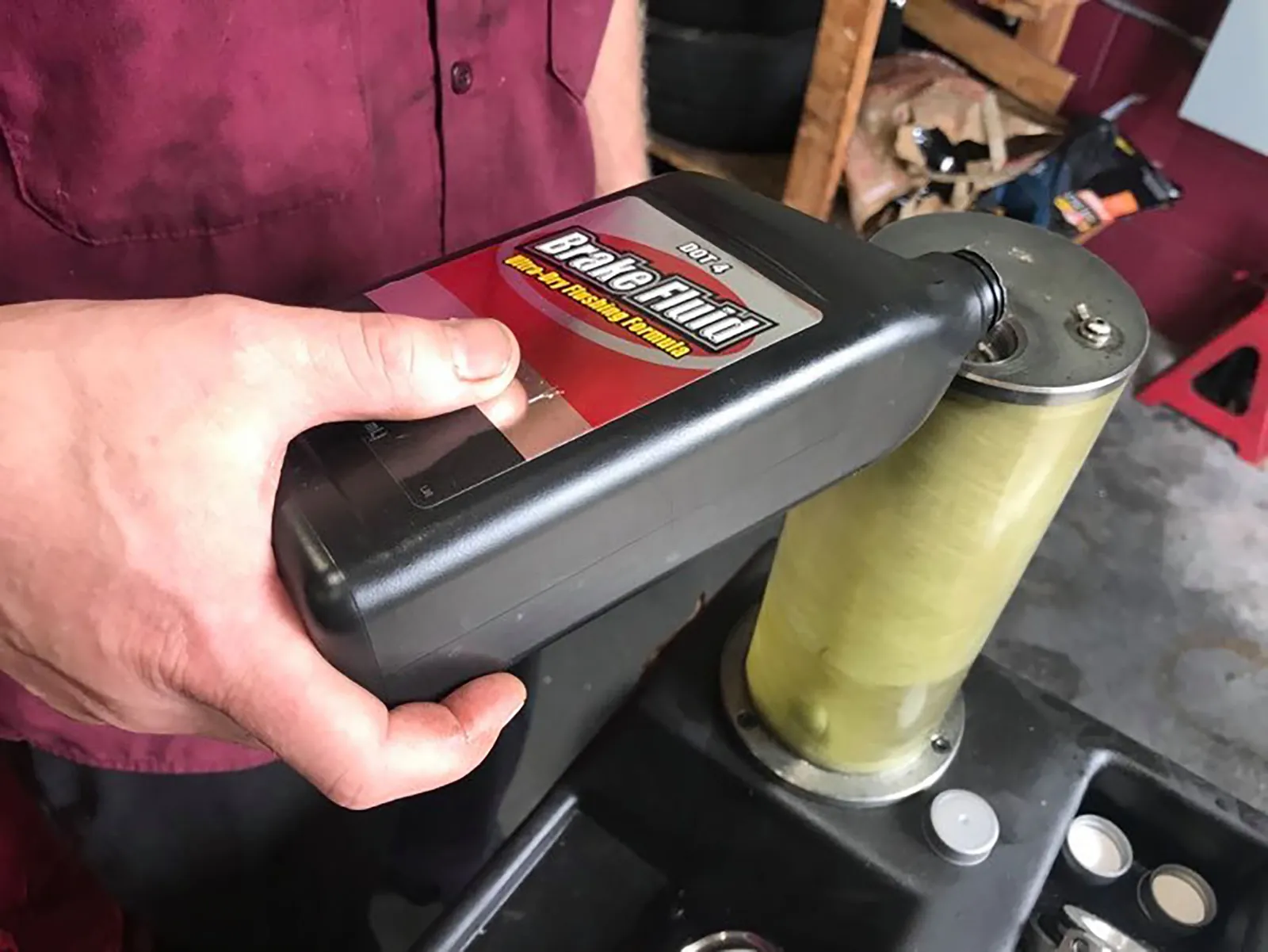
A brake is any device that absorbs kinetic energy and converts it into heat, bringing a moving part to rest. That conversion happens through friction between two surfaces: one fixed to the machine, one moving with it. The amount of stopping power depends on how hard those surfaces are pressed together and how much friction material they have.
The most common mistake people make before they start is assuming a brake only needs pads to work well. In reality, heat management decides whether a stop is safe or dangerous. Repeated hard braking heats the disc or drum until the friction material can no longer grip, which is brake fade—and it can leave you with almost no stopping power exactly when you need it most.
If you notice a burning smell or reduced stopping power, your system is likely overheating. A spongy pedal indicates air or moisture in the hydraulic fluid. To fix this, increase the surface area of your rotors or switch to high-temperature pads. If you’re towing heavy loads, always downshift to use engine braking. This reduces the load on your friction components, preventing the rapid heat buildup that leads to total failure.
How brakes slow a vehicle
Press the brake pedal, which pushes hydraulic fluid through sealed lines to each wheel. This fluid forces calipers to clamp brake pads against a spinning metal disc. Friction between the pad and disc converts the vehicle’s kinetic energy into heat. The wheel slows and stops as long as the pads maintain firm contact with the disc. Release the pedal, and springs or seals pull the pads back so the wheel can turn freely again.
If the pedal sinks toward the floor, stop driving immediately. Air or a leak in the lines means the system can’t build the necessary pressure to stop. If you feel a rhythmic pulsing through the pedal, the disc is likely warped from excessive heat, which requires professional resurfacing or replacement.
A squeal or grinding noise usually means the friction material is worn thin. Continuing to drive scores the metal disc and turns a simple pad replacement into an expensive rotor repair. If the grinding is metallic, you have already compromised the disc surface.
Where a vehicle needs new discs, calipers, or hydraulic work, that’s beyond a roadside fix. These tasks belong to a qualified brake technician who can test system pressure and replace sealed components safely. Never attempt to bleed lines or open the hydraulic circuit unless you possess the specific tools to purge trapped air, as even a small bubble makes the pedal spongy and reduces braking effectiveness.
How long a brake job takes
| Situation | How long | What changes it | What to watch for |
|---|---|---|---|
| Pad replacement, one axle | About one hour | Vehicle make, rusted bolts, tool access | Caliper pistons that won’t retract |
| Disc and pad replacement, one axle | About two hours | Disc condition, seized hardware | Disc run-out that causes pedal pulsation |
| Full brake service, all four wheels | Three to four hours | Fluid flush, parking brake adjustment | Air trapped in the lines after bleeding |
Expect a one-hour baseline for a simple pad swap. If your vehicle uses an electronic parking brake, add twenty minutes to engage the service mode via a diagnostic scanner. Without this tool, you risk damaging the actuator motors, a mistake that costs hundreds in replacement parts.
If you encounter a seized slide pin, don’t force it. Apply penetrating oil and wait fifteen minutes. If the pin remains stuck, you must replace the bracket or the entire caliper.
Check for disc run-out by spinning the hub before installing the caliper. If you feel a rhythmic drag, the mounting surface is likely corroded. Clean the hub face with a wire brush until it shines. If you see deep grooves or blue heat spots on the rotor, don’t attempt to resurface them. Replace the hardware immediately to ensure consistent stopping power.
How to tell when brakes need attention
Listen for a high-pitched squeal when you brake. That sound comes from a metal wear tab built into many pads, telling you the friction material is nearly gone. If you ignore this, you’ll soon hear a grinding noise, which means the pad backing plate is scouring the rotor. This mistake turns an inexpensive pad replacement into a complete rotor overhaul.
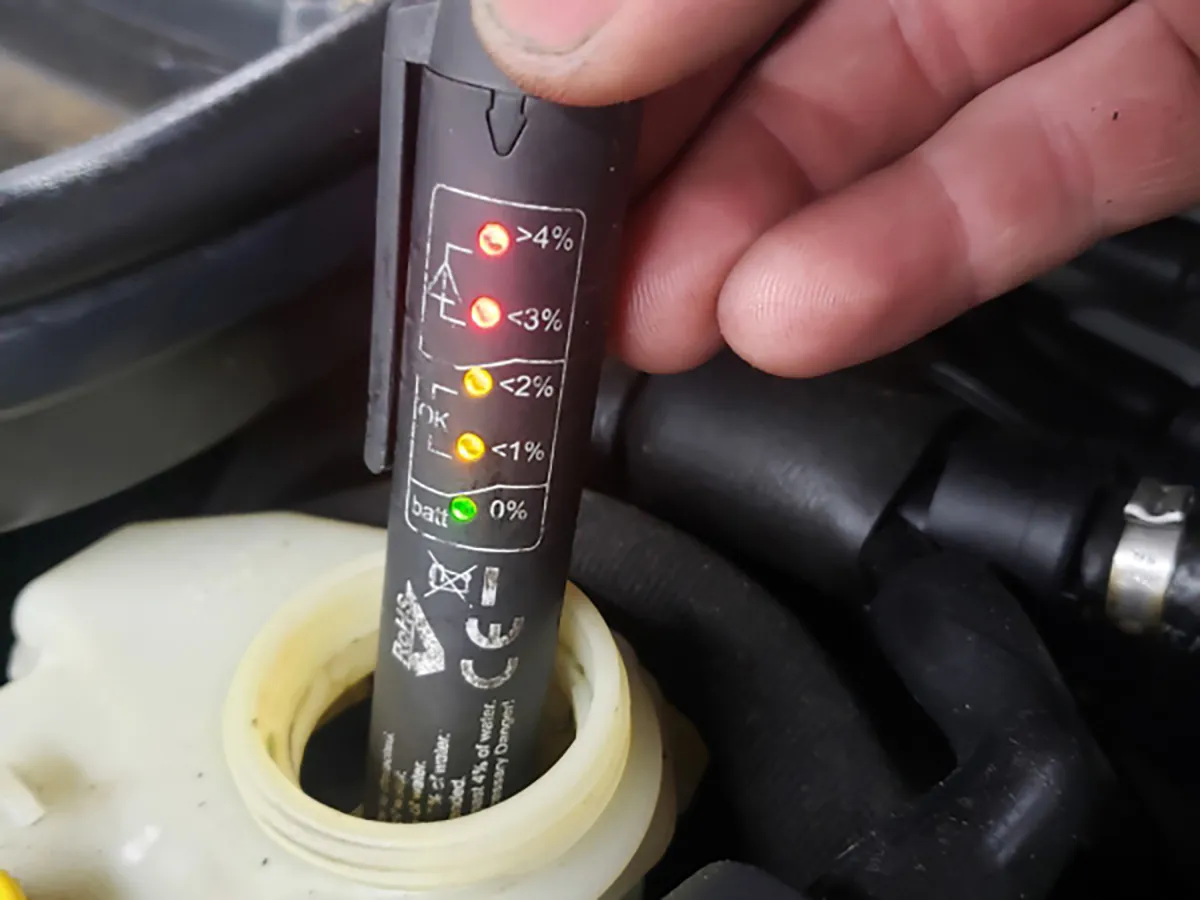
Feel for a soft or sinking pedal, which usually means air or moisture has entered the hydraulic lines. If the pedal feels spongy, check your brake fluid reservoir immediately. If the level is low, look for wet spots on the inside of your tires, which indicates a leaking wheel cylinder or caliper seal.
Watch for the car pulling to one side under braking. This often points to a stuck caliper or uneven pad wear.
The one test that settles it’s a measured stopping distance from a steady speed on a dry, flat road. If the vehicle takes longer than it used to, the system needs inspection. Check if your make and model has an open brake-related recall through the National Highway Traffic Safety Administration.
Mistakes that ruin a brake job

Reusing old hardware — Clips and springs lose tension with heat, so pads rattle and wear unevenly. Replace the hardware kit with every pad set. A bent clip shifts the pad angle just enough to score the rotor face in under a thousand miles.
Skipping the bed-in procedure — New pads and discs need gentle stops for the first hundred miles or so. This transfers an even layer of friction material onto the rotor. Skipping it causes squeal and uneven braking. The mistake people make is bedding glazed rotors. If the old disc surface shines like glass, sanding it with 120-grit paper first is required. Otherwise, no amount of careful driving will lay down that transfer layer.
Letting the caliper hang by the brake hose — The hose isn’t meant to carry the caliper’s weight. It can tear internally, creating a hidden leak that fails under hard braking. Support it with a zip tie or a bungee cord hooked to the coil spring.
Over-tightening lug nuts — Uneven torque distorts the rotor, causing run-out that you feel as a pulsing pedal. Always tighten in a star pattern using a torque wrench set to your vehicle’s specification.
Related guides
Frequently asked questions
What is a brake used for?
A brake slows or stops a moving vehicle by converting motion into heat through friction between pads and a disc or drum.
Can brakes fail without warning?
Yes — sudden loss of pedal usually means a hydraulic leak or a failed master cylinder, so pull over safely and call for service rather than driving further.
How long do brake pads last?
Typically 25,000 to 70,000 miles, depending on vehicle weight, pad material, and how hard you brake; check pad thickness at every tire rotation.
Is it safe to drive with squealing brakes?
No — a squeal means the wear indicator is contacting the disc, and continued driving can destroy the disc and reduce stopping power.
What happens if you ignore brake fade?
The brakes lose grip from overheating, so the vehicle takes longer to stop or may not stop at all until the system cools.
Why does the brake pedal feel soft?
Air or moisture in the hydraulic lines reduces pressure, so the pedal travels farther before the brakes engage; the system needs bleeding and inspection.
Conclusion
Brakes are one of the few safety systems you rely on every time you drive, and their condition changes with every mile, every load, and every style of stopping you use. Pad life and service intervals vary by vehicle and driver, so check your owner’s manual for the exact figures that apply to your car, and inspect the brakes whenever the sound, feel, or stopping distance changes.

1 thought on “What Is a Brake: How Friction Stops Your Vehicle”