
Lithium-based grease or silicone-based sprays are the best choices for lubricating garage door tracks and hinges. These specialized products withstand high friction without attracting dirt or grit. Always check your manufacturer’s manual first, as some systems require specific dry lubricants to protect nylon components or hardware finishes.
Quick Guide to Garage Door Lubrication
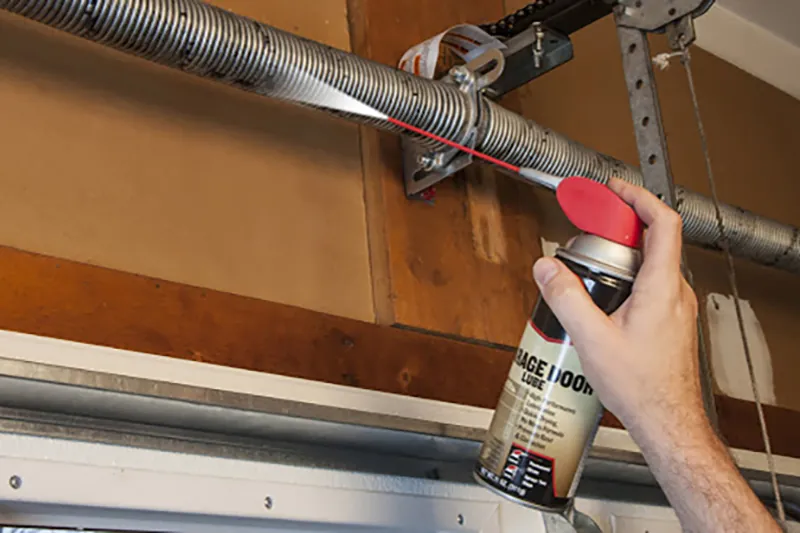
Use white lithium grease for metal-on-metal parts like rollers and hinges. This substance stays put under high pressure and resists temperature swings that cause thinner oils to run.
Apply silicone spray on tracks only if the manufacturer specifically mandates a dry lubricant. Silicone prevents dust buildup, which is vital in high-traffic garages.
Avoid using standard WD-40 multi-purpose spray. It acts as a solvent that strips away existing grease, leaving your parts dry and prone to premature grinding. If you hear a squeak, you need a lubricant, not a cleaner.
Lubricate all moving metal parts at least once every six months. If your door opens more than four times daily, move to a quarterly schedule to prevent metal fatigue.
Clean away old, hardened grease with a rag before applying a fresh layer. Applying new grease over grit creates an abrasive paste that wears down bearings.
Wipe off any excess lubricant that drips onto the floor. If you see a puddle, you have used too much. A light mist is enough to coat the surface without creating a slip hazard for your family.
Why Proper Lubrication Matters for Your System
Choosing the right product is about managing friction and preventing hardware wear. Metal components, such as hinges, rollers, and bearings, slide against each other constantly during every cycle. Without a proper lubricant, the metal surfaces experience direct contact, which leads to heat buildup and eventual metal fatigue. Over time, this friction can cause the door to bind or become noisy, putting unnecessary strain on the motor that lifts the heavy door panels.
Lithium grease is a popular choice because it’s thick and stays in place even when exposed to vibrations. Unlike thinner oils that run off quickly, lithium grease clings to the metal, creating a protective barrier that reduces noise and wear. It’s particularly effective for high-load areas like the metal rollers and the pivot points of the hinges. Apply a pea-sized amount to each pivot point once every six months to prevent the metal from scoring.
Silicone-based sprays serve a different purpose. They’re often preferred for tracks or nylon rollers because they dry quickly and don’t leave a sticky residue. Dirt and dust are the enemies of a smooth-running garage door; if a lubricant is too sticky, it acts like a magnet for debris. Once grit gets into the bearing tracks, it acts like sandpaper, grinding down the metal or plastic surfaces and shortening the lifespan of your expensive hardware.
If you’re unsure whether a specific part needs grease or spray, look at the material. If it’s metal-on-metal, grease is usually the safer bet for long-term protection. If it involves nylon rollers or if the manufacturer explicitly warns against grease, stick to a silicone spray.
A common mistake is over-lubricating, which forces the motor to work harder to overcome the drag of excess grease. Your goal is a thin, even coat rather than a heavy, dripping application. If you see liquid pooling on the floor, you have applied too much.
Wipe away the excess immediately with a clean rag to stop grit accumulation. If the door still chatters after lubrication, check the tension springs for signs of rust or fraying, as lubrication can’t fix structural fatigue.
When Lubrication Requirements Change

The standard advice for lubrication changes depending on the environment and the age of your hardware. If your door is in a high-traffic area or a harsh climate, you may need to adjust your routine to prevent premature failure.
| Situation | What changes | What to do instead |
|---|---|---|
| Coastal areas | Salt air causes rust | Use marine-grade anti-corrosive grease |
| Freezing winters | Standard grease thickens | Switch to cold-weather silicone spray |
| Very dusty locations | Dust sticks to grease | Use dry PTFE or silicone spray |
| Older nylon rollers | Plastic may degrade | Use only manufacturer-approved dry spray |
| Commercial usage | High cycle frequency | Lubricate every three months |
Most owners wait for an audible squeak before applying lubricant, but this is a mistake that costs you the integrity of your bearings. Once you hear metal grinding against metal, the protective film has already failed, and microscopic pitting has begun. Treat the sound as a failure of your schedule rather than a prompt to act.
If you’re unsure which product to select, check the roller material. If a magnet sticks to the roller, it’s steel and can handle heavy lithium-based greases. If the magnet doesn’t stick, the roller is nylon or plastic.
In high-traffic settings, apply lubricant to the tracks and hinges every 90 days. If you operate the door fewer than twice daily, an annual application is sufficient. Always wipe away excess oil with a clean rag after application. Leftover residue acts as a magnet for grit, turning your lubricant into an abrasive paste that grinds down your hardware.
How to Apply Lubricant Correctly
Close the garage door completely before you begin. This stabilizes the spring tension and prevents the door from shifting while you work.
Use a clean, dry cloth to scrub away old, black, or gritty grease from the tracks and hinges. If you apply new lubricant over caked-on debris, you create a grinding paste that accelerates wear on your metal components.
Shake your can of white lithium grease or silicone spray for at least 15 seconds. This ensures the propellant and lubricant are properly mixed for a consistent spray pattern.
Apply a thin bead of lubricant directly onto the hinge pivot points and the roller bearings. Avoid spraying the tracks themselves. Lubricating the tracks actually attracts dust and debris, which forces the rollers to drag rather than glide.
If your garage is located in an area with extreme cold, choose a silicone-based spray. White lithium grease can thicken in freezing temperatures, causing the motor to strain.
Operate the door manually by opening and closing it three times. This movement forces the lubricant deep into the internal bearings.
Finally, wipe away any excess drips with a paper towel. Leftover lubricant on the concrete creates a slick, dangerous surface that leads to slips. If the door continues to squeak after this process, the issue is likely a failing bearing rather than a lack of lubrication.
Mistakes That Ruin Your Garage Door
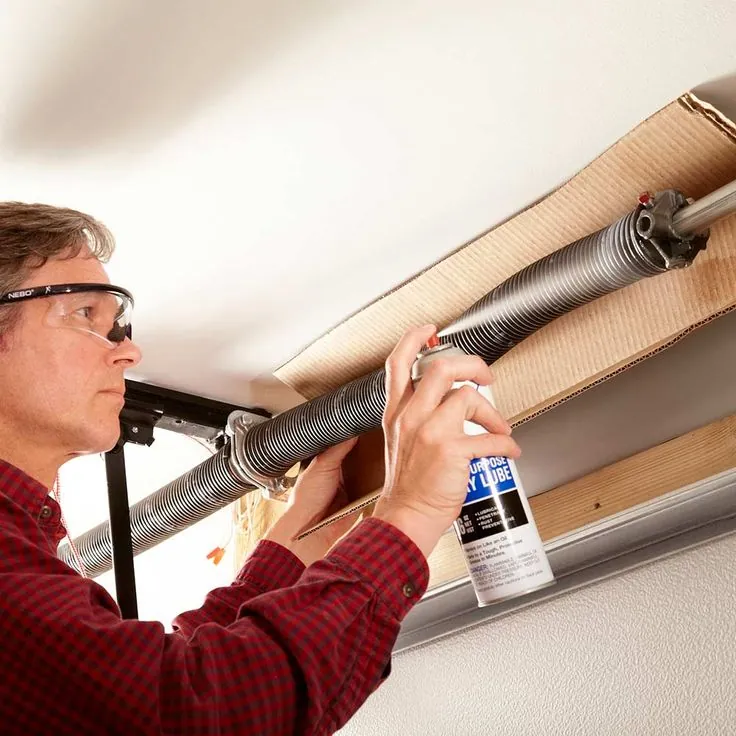
Applying standard WD-40, which cleans and degreases rather than lubricating, actually strips away the protective oil and leaves parts vulnerable to rust. Use a dedicated lithium-based spray instead. If your door squeaks in cold weather, avoid thin oils that evaporate quickly and choose a silicone-based lubricant that withstands temperature fluctuations.
Over-lubricating the tracks can cause the rollers to slide instead of roll, which puts extra strain on the motor and leads to premature hardware failure. Tracks should remain dry and clean. If you see black residue, wipe it away with a rag before applying a light, dry lubricant only to the rollers themselves.
Spraying lubricant onto the garage door springs is dangerous, as these are under extreme tension and should only be serviced by trained professionals. Never attempt to adjust or clean the spring coils. If you notice a gap in the spring or the door feels significantly heavier than usual, call a technician immediately to prevent a snap.
Ignoring the buildup of old, dirty grease creates a grinding paste that wears down the metal parts much faster than having no lubricant at all. If you can rub the grime between your fingers and feel grit, it’s time to degrease the hinges and rollers entirely. Clean the metal thoroughly with a solvent before applying a fresh, thin layer of lubricant to ensure smooth operation.
Frequently asked questions
Can I use cooking oil as a garage door lubricant?
No, you should never use cooking oil or household vegetable oils on your garage door. These products are organic and will become rancid, sticky, and gummy over time, which will attract dust and debris that can jam your rollers. Always use a dedicated lithium or silicone lubricant specifically formulated for mechanical hardware to ensure the door moves freely and the components don’t degrade or suffer from excessive friction during daily use.
How often should I lubricate my garage door?
Lubricate your garage door at least every six months to keep hardware in good condition. If you live in an area with extreme weather or dust, check the tracks every three months. Consistent maintenance prevents metal parts from grinding, which reduces noise and protects the motor.
Is it safe to spray lubricant on the springs?
No, you must never spray lubricant on the garage door springs, as this is a major safety hazard. Springs are under high tension and require specific handling that should only be done by a professional technician. Applying oil to them is unnecessary and can create a mess, but they should only be serviced by a professional due to the extreme tension.
What happens if I use the wrong lubricant?
Avoid using heavy oils or solvent-based cleaners, as these attract dirt and grit that act like sandpaper on your rollers. This mixture wears down metal components much faster than normal. In some cases, these products can even cause nylon parts to swell or crack, requiring premature replacement.
Does it matter if my garage door is loud?
A noisy garage door indicates that metal parts are experiencing high friction and need immediate attention. Grinding or screeching sounds usually mean hinges and rollers are dry or covered in debris. Applying the correct lubricant often silences these noises, though persistent sounds may require a professional inspection for damage.
Conclusion
Keep an eye on how your door sounds over the next few months. If you notice any new squeaks or jerky movements, don’t wait to reapply a light coating. It’s a simple habit that’ll keep everything running smoothly for years, saving you from dealing with expensive repairs down the road.
