
The boiling point of antifreeze is about 223°F (106°C) when mixed half and half with water. Pure ethylene glycol boils at roughly 387°F (197°C). Water alone boils at 212°F (100°C). The mix raises the boiling point because ethylene glycol changes how the liquid turns to vapor. The exact figure depends on the blend ratio and whether the cooling system is pressurized.
Antifreeze boiling point
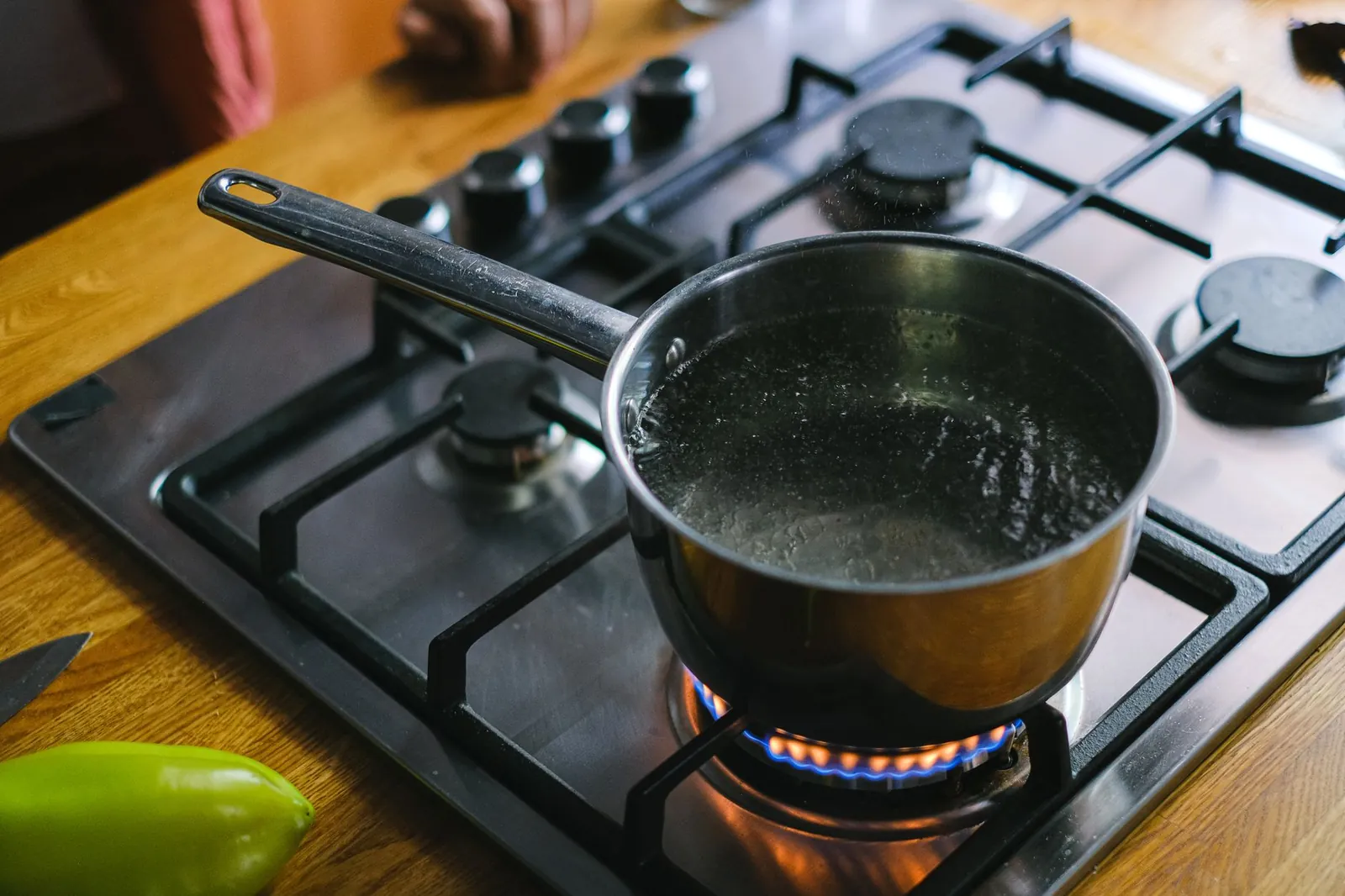
A 50/50 mix of ethylene glycol and water boils at about 223°F (106°C) at normal air pressure. Pure ethylene glycol boils at roughly 387°F (197°C), while pure water boils at 212°F (100°C).
The exact number moves with the blend ratio. Increasing the glycol concentration raises the boiling point, but don’t exceed a 70/30 ratio. Beyond this point, the mixture loses its ability to transfer heat efficiently, which can lead to localized hotspots in your engine block.
Pressurizing the cooling system raises the boiling point further. If you notice your temperature gauge climbing steadily during heavy traffic, check your radiator cap seal first. A worn gasket fails to hold pressure, causing your coolant to boil prematurely even if the fluid levels are perfect. If you live in a climate that never freezes, use more water to maximize cooling capacity.
Why antifreeze boils at a higher temperature than water
Antifreeze is made from ethylene glycol, a liquid whose molecules hold on to each other more strongly than water molecules do. It takes more heat to break those attractions and turn the liquid into vapor, so the mixture reaches its boiling point at a higher temperature. Water alone boils at 212°F (100°C), while a half-and-half blend boils around 223°F (106°C).
The cooling system is also pressurized, which pushes down on the liquid and keeps bubbles from forming. A typical 15 psi radiator cap can lift the boiling point of a 50/50 mix to about 265°F (129°C). That extra headroom matters because an engine runs hotter than water’s boiling point under load, and the fluid must stay liquid to carry heat away.
If you live in a climate that rarely drops below freezing, you might be tempted to use more water for better heat transfer. However, don’t exceed a 70% water to 30% glycol ratio. Below that 30% threshold, you lose the vital corrosion inhibitors that protect your water pump and radiator seals.
The blend ratio shifts the number as well. While more glycol raises the boiling point, it also thickens the fluid, which reduces how well it absorbs heat. If your engine runs near the red line, stick to the 50/50 ratio.
This balance provides a stable boiling point while maintaining the low viscosity required for rapid circulation. Always check your owner’s manual for the specific ratio your engine needs, as high-performance cooling systems often require a precise chemical balance to prevent localized hotspots.
When antifreeze boils at a different temperature

Pure antifreeze boils near 387°F, yet running it undiluted invites disaster because it transfers heat so poorly that your engine overheats despite the high boiling point. The liquid sits stagnant in the block, unable to pull heat away from hot metal surfaces quickly enough.
A 50/50 mix boils near 223°F and serves as the standard blend because it balances freeze protection with efficient heat transfer. This ratio matches what nearly every manufacturer specifies for daily driving in temperate climates.
In a pressurized system, the coolant boils near 265°F at 15 psi, which is why a failing radiator cap can cause sudden boil-over on a hot hill. Replace any cap that doesn’t hold its rated pressure during a simple shop test.
Adding more glycol than water raises the boiling point slightly but cools worse, costing you horsepower and risking warped heads under heavy load. Always follow the exact mix ratio printed in your owner’s manual rather than guessing based on winter severity alone.
A lower blend concentration boils closer to 212°F, meaning plain water added in an emergency must be replaced with the correct mix before the next long drive. Topping up repeatedly with water dilutes the inhibitors and lowers the boiling point until the system fails.
How to check your coolant’s boil protection
Let the engine cool completely before opening the radiator cap or reservoir. Opening a hot system releases pressurized steam that causes severe burns.
Locate the translucent coolant reservoir under the hood. Read the fluid level against the min and max marks molded into the plastic tank. If the engine is cold and the fluid sits below the minimum line, you have a leak or an evaporative loss that requires immediate investigation.
Use a calibrated hydrometer or refractometer to check the glycol concentration. A 50/50 mix is standard, but check your manual for specific climate requirements. If your tester shows a concentration below 40%, your engine lacks the necessary boil protection for summer heat.
If the mix is off, top up with the exact coolant type specified by your manufacturer. Never mix different chemical formulations, such as OAT and HOAT, as they can gel and clog your radiator. If the level is consistently low, pressure test the system to avoid a total engine failure.
Mistakes that ruin antifreeze protection

Running pure antifreeze without water reduces heat transfer and can cause overheating. Ethylene glycol needs water to effectively conduct heat away from the engine block. Without it, the fluid acts more like an insulator than a coolant, leading to localized hot spots that can warp cylinder heads.
Mixing different coolant types can form sludge that blocks narrow passages. If you combine organic acid technology with traditional inorganic formulas, the chemical reaction creates a gel. This gunk clogs the heater core and radiator tubes, which often necessitates a complete system flush or expensive part replacements.
Opening a hot radiator cap releases pressurized steam and can cause serious burns. Always wait until the upper radiator hose is cool to the touch.
Using tap water instead of distilled water adds minerals that scale the system. Hard water deposits coat internal surfaces, preventing efficient heat exchange.
Ignoring the recommended change interval lets the fluid turn acidic and corrode parts. If your coolant pH drops below 7.0, it eats through aluminum components. Test your fluid annually to ensure it remains alkaline.
Frequently asked questions
What is the boiling point of antifreeze mixed 50/50 with water?
A half-and-half mix of ethylene glycol and water boils at about 223°F (106°C) at normal air pressure. In a pressurized cooling system with a 15 psi cap, that same mix boils closer to 265°F (129°C).
Does pure antifreeze boil at a higher temperature than the mix?
Yes. Pure ethylene glycol boils at roughly 387°F (197°C), far above the mix. But undiluted antifreeze carries heat poorly, so engines shouldn’t run on it alone.
How does pressure change the boiling point of antifreeze?
Pressure keeps vapor bubbles from forming, so the liquid stays liquid at a higher temperature. A typical 15 psi radiator cap raises a 50/50 mix to about 265°F (129°C).
What happens if antifreeze boils inside the engine?
Vapor pockets stop the liquid from moving heat, and the engine can overheat quickly. Steam pressure can also force coolant out of the system and leave it low.
Is it safe to open the radiator cap when the engine is hot?
No. A hot system is pressurized, and steam can spray out and cause severe burns. Wait until the engine has cooled completely.
How often should I check the antifreeze mix?
Check the level and concentration at every oil change, and replace the coolant on the schedule in your owner’s manual. Old fluid loses its boil and corrosion protection.
Can I use tap water to mix antifreeze?
Tap water contains minerals that can form scale inside the cooling system. Distilled water is the better choice for mixing concentrate.
Conclusion
The boiling point your cooling system actually sees depends on the blend ratio in your reservoir and the pressure rating of your radiator cap, so read those values off your own vehicle rather than assuming a single number fits every engine.
