
You can fix a gas stove not lighting but clicking by cleaning the burner ports or ensuring the igniter is aligned correctly. This clicking sound means your spark module is trying to ignite the gas, but the flame can’t catch because of debris, moisture, or a loose connection. If you hear the rapid clicking, your electrical supply is likely active, and the issue is almost always a physical blockage or a misaligned component near the burner head.
Causes of burner ignition failure
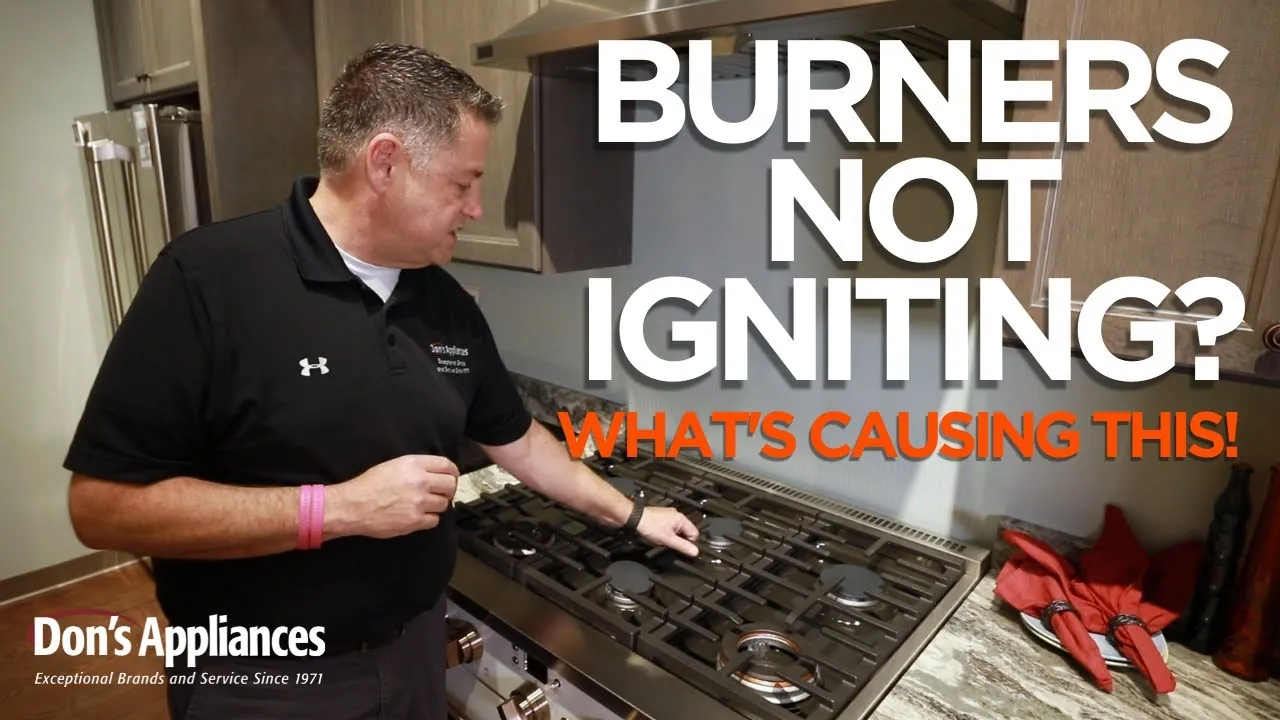
The most common reason for this clicking is a clogged burner port. Food particles, grease, or cleaning liquids often build up in the small holes where the gas escapes. When these holes are blocked, the gas can’t reach the spark generated by the igniter, so the stove continues to click without producing a flame. Even a tiny amount of moisture from a spill can cause the igniter to short out or prevent a clean spark.
Another frequent cause is a misaligned burner cap. The cap must sit perfectly flat on the burner base to ensure the gas flows in the right direction toward the igniter. If the cap is tilted or shifted, the gas flow is diverted away from the ignition point. You should also check the igniter itself for signs of damage or heavy carbon buildup, which acts as an insulator and stops the spark from jumping across the gap properly.
Finally, internal electrical issues can stop the system from functioning. If the burner is clean and properly aligned but still clicks, there may be a loose wire underneath the cooktop. This is common if you have recently moved the stove or performed deep cleaning. Always ensure your hands are dry and the unit is off before checking any components. You can find detailed gas range safety guidelines from the Consumer Product Safety Commission regarding proper maintenance and potential risks.
Clean the burner ports thoroughly
Cleaning the burner ports is the first step for most ignition problems. Start by turning off the stove and letting all parts cool completely. Remove the burner cap and the burner head from the stove. Use a non-metallic pin, a straightened paperclip, or a thin needle to clear out any debris inside the small holes around the burner head. Be careful not to damage the metal, as this can change the gas flow pattern.
After clearing the holes, wipe the entire assembly with a soft cloth dipped in warm, soapy water. Dry the parts thoroughly before putting them back together. If you leave water in the ports or on the igniter, the stove will continue to click until the moisture evaporates. Once the parts are dry, replace the burner head and cap, ensuring they sit level. If the burner cap rocks when you touch it, it isn’t seated correctly.
This fix is for anyone who sees visible dirt or grease buildup on their burner assembly. If you have a professional-grade range with complex electronic ignitions, consult your manual first, as some high-end igniters are extremely fragile and can break if poked with a metal object. If you still hear clicking after this, you may have a faulty ignition switch that requires a technician to replace.
Adjust the burner cap alignment
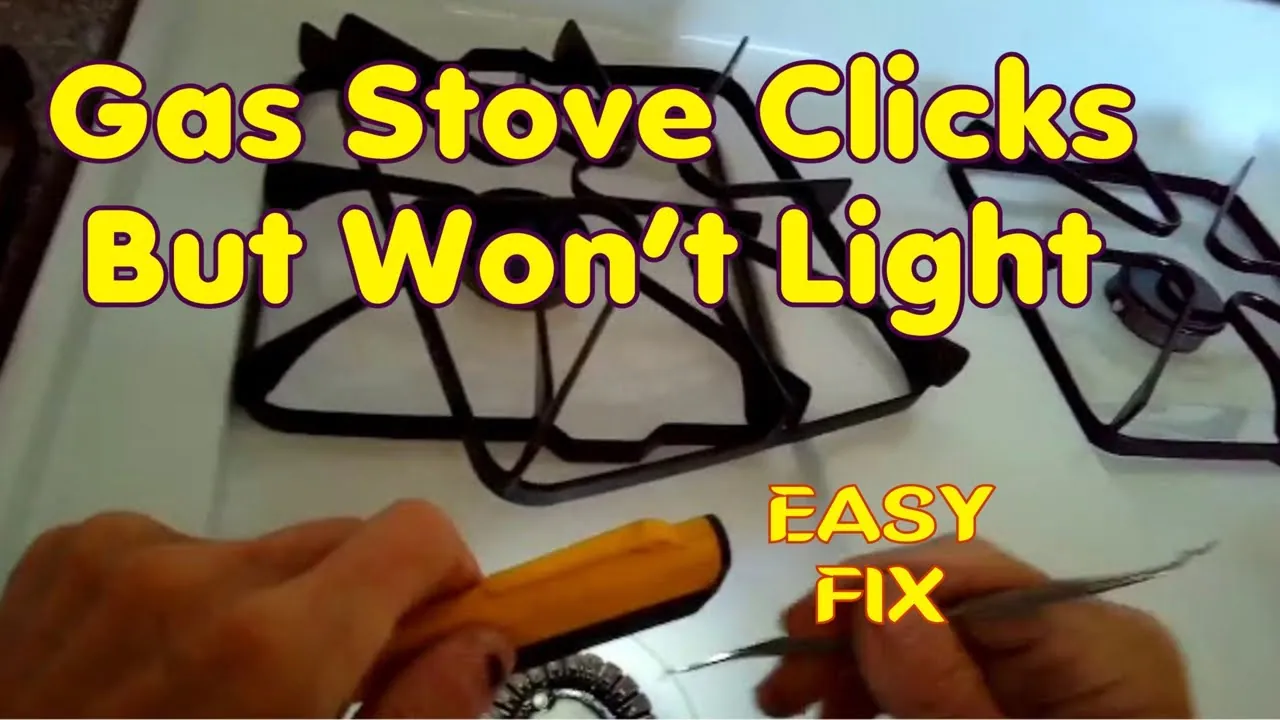
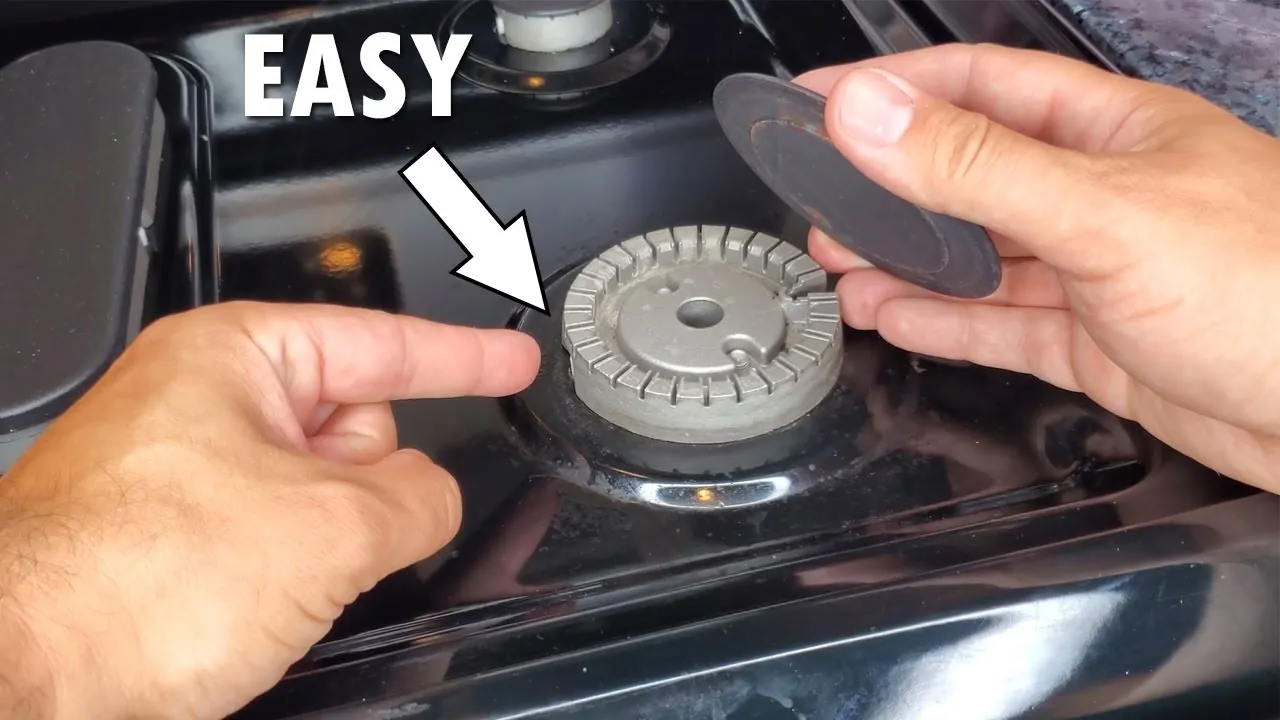
If cleaning doesn’t help, check the physical alignment of the burner cap. The cap is the flat, circular piece that sits on top of the burner. It must be perfectly centered on the burner base to allow the gas to flow evenly. If it’s sitting at an angle, the gas will escape from one side, missing the spark electrode entirely. Lift the cap and place it back down, making sure it sits flush and doesn’t move when nudged.
Ensure the igniter electrode—the small white ceramic post next to the burner—isn’t covered in food or grease. If the electrode is dirty, gently wipe it with a clean, dry cloth. If it looks cracked or broken, the spark may be grounding out elsewhere instead of jumping to the burner. This is a common mistake; people often scrub the burner but leave the ceramic electrode coated in burnt-on food, which stops the spark from being strong enough to light the gas.
This process is simple for most homeowners, but avoid using abrasive steel wool or harsh chemicals on the igniter, as this can scratch the ceramic and lead to permanent failure. If the alignment is perfect and the igniter is clean but the stove still refuses to light, you might have a problem with the spark module itself. This is a deeper electrical component that usually needs a professional repair person.
Check for moisture and debris
Moisture is the silent enemy of gas stoves, especially after a deep clean or a spill. If you have recently wiped down the stovetop, water may have seeped into the burner base or the igniter assembly.
Even a small amount of liquid can create a short circuit, preventing the high-voltage spark from jumping the air gap and causing the igniter to click continuously. If you suspect moisture, use a hair dryer on a low, warm setting to gently dry the area around the burner.
If you have a large spill, the liquid can also enter the burner ports and block gas flow until it’s fully removed. In this case, you must remove the burner head and let it air dry for several hours. This is the one thing that varies: if your kitchen is very humid, the drying time will be longer than in a dry climate. You can tell it worked when the stove ignites immediately without any hesitation.
If you aren’t comfortable working with electrical components or if the stove has a complex digital control panel, don’t attempt to take the unit apart. A faulty spark module can cause a fire hazard if wired incorrectly. If these steps don’t stop the clicking, contact the manufacturer or a certified appliance repair service to handle the internal wiring.
Avoid using wet or oily cloths
Many people try to fix the clicking by spraying water or cleaning fluid directly into the burner holes, which makes the problem much worse. This forces debris deeper into the ports and introduces moisture that prevents the spark from forming. Avoid using any liquid cleaners near the igniter, as the residue can harden and prevent the spark from jumping. Always apply cleaning agents to your cloth first, never directly to the stove.
Another common error is trying to light the gas with a match while the igniter is clicking. This is dangerous because it can lead to a flare-up if the gas has been building up while the igniter was clicking. If you must use a manual lighter, turn the knob to the “on” position only after the flame is ready to be lit. Never leave the burner on while you look for a match or lighter.
Finally, don’t try to bend the igniter electrode to “get it closer” to the burner. These components are made of brittle ceramic and will snap under pressure. If the igniter isn’t reaching the burner, it’s likely the burner itself is misaligned or the igniter is failing internally. Forcing it will only guarantee that you need a replacement part rather than a simple adjustment.
Prevent future ignition issues
The best way to stop the clicking is to keep your cooktop clean and dry. Small, daily habits prevent the buildup that causes the igniter to fail. When you’re cooking, wipe up spills as soon as the surface is cool. If you use a heavy pot, make sure you don’t slide it across the burner caps, as this can shift them out of place and cause the ignition failure you’re trying to avoid.
| If you’re doing this | Do this instead | Why |
|---|---|---|
| Spraying cleaner on burners | Use a damp cloth | Prevents liquid from entering ports |
| Sliding heavy pots | Lift and place pots | Keeps burner caps aligned |
| Using metal tools to scrub | Use a soft brush | Protects the ceramic igniter |
| Ignoring small spills | Wipe immediately | Prevents hard carbon buildup |
If you notice the clicking starts only after a specific burner is used, that burner is likely the one with the debris. Keep an eye on the burner cap alignment every time you finish cleaning the stove. If the clicking persists after you have thoroughly cleaned the burner area, it’s time to have a professional check the spark module or the ignition switch.
Frequently asked questions
Why does my gas stove keep clicking after I turn it off?
The clicking usually continues because the control knob isn’t fully off or moisture is trapped in the igniter switch. Ensure the dial is pushed in and turned completely to the off position. If the noise persists, unplug the stove to allow the internal switch to dry out.
Is it safe to cook on a stove that keeps clicking?
It isn’t safe to use a stove that keeps clicking because the constant sparking can ignite gas leaks or cause the burner to light unexpectedly. If the burner eventually lights, you may have a buildup of unburned gas around the cooktop, which creates a risk of a sudden flare-up. You should address the cause of the clicking before attempting to cook again to avoid any risk of fire or injury.
How long does it take for a wet igniter to dry?
You can speed this up by using a hair dryer on a low, warm setting, held at a safe distance, until the area is visibly dry. If clicking continues, moisture may have reached the electrical switch, requiring professional service.
Can I light my gas stove manually if it clicks?
You can light the burner manually by holding a long-reach lighter to the burner ports before turning the gas knob on. Always light the flame immediately to prevent gas buildup. Once finished, turn the knob firmly to the off position to stop the clicking.
What happens if I ignore the clicking sound?
Ignoring the clicking will eventually burn out the spark igniter, which isn’t designed for continuous use. The constant electrical discharge can also damage the expensive spark module. Additionally, this persistent clicking indicates your stove is malfunctioning and may soon stop lighting altogether.
Conclusion
If your burner still won’t light after you’ve cleared away the debris, there might be a deeper electrical fault or a faulty spark module. Don’t hesitate to reach out to a professional technician if you’re uncomfortable working with gas lines. It’s better to stay safe while you’re getting your kitchen back in order.
